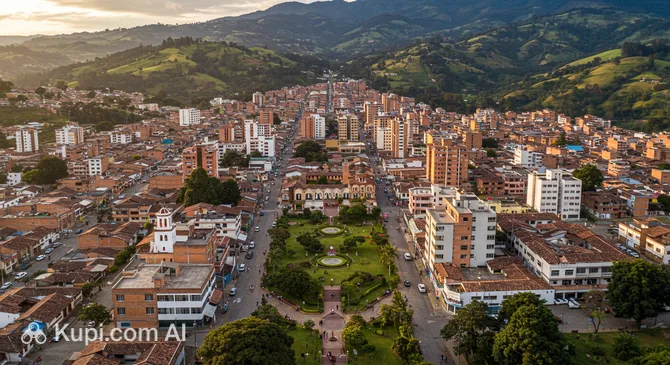
Bello is a dynamically developing city in the department of Antioquia, nestled in the northern part of the Aburrá Valley. As the second-largest city in the metropolitan area after Medellín, it serves as an important industrial and residential hub of Colombia. With a population of over 500,000, this city pulses with the rhythm of a modern metropolis while maintaining the spirit of a hardworking and welcoming community.
Bello's geographical location makes it a vital link in the region. The city borders majestic mountains and neighboring municipalities such as Copacabana and San Pedro de los Milagros. Although Bello is often perceived as a bustling suburb, its rich heritage and status as the "City of Artists" (Ciudad de los Artistas) give it a special cultural charm that curious travelers are gradually discovering.
Bello. Illustration.
Source: Kupi.com AI
Key features of the city include its integration into a modern transport system and the presence of large shopping spaces. Despite the dense urban development, you can find quiet corners and parks where locals gather. Visiting this city is an excellent way to see the authentic, non-touristic life of the Antioquia region, feel its industrial power, and experience the sincere hospitality of its residents.
Weather Overview
The climate in Bello is typical of the tropical zones of the Aburrá Valley, where "eternal spring" reigns year-round. Temperatures stay in a comfortable range from 20°C to 28°C, making the city pleasant to visit at any time. However, due to the terrain and dense urbanization, it can be quite humid and hot during the day, while evenings bring a long-awaited coolness.
Expect warm summers with occasional short showers and wetter periods throughout the year. Traditionally, rainy seasons fall in April-May and October-November. During these times, rainfall can be heavy, but it usually doesn't last long. To better plan your wardrobe and routes, it's worth checking the weather in Bello for your travel dates in advance.
Interestingly, because of the surrounding mountains, clouds often linger over the valley, creating the soft diffused light that photographers love. When planning walks, keep in mind that solar activity here is high even on cloudy days, so sunscreen will be a necessary accessory in your backpack.
Average monthly temperature
Average monthly precipitation
Interesting Facts
Bello is the second most populous city in the Aburrá metropolitan area, surpassed only by Medellín, and is among the most densely populated municipalities in Colombia.
The city is officially called the "City of Artists" as it is the birthplace of many famous cultural figures, including the prominent writer and politician Marco Fidel Suárez.
The population density here reaches an impressive 2,470 people per square kilometer, which largely defines the city's urban landscape with its compact architecture.
Despite its industrial focus, Bello is directly integrated into the modern metro system, making it a key transport hub for the northern part of the valley.
How to Get There
The city of Bello enjoys excellent transport accessibility thanks to its proximity to Medellín and integration into the shared infrastructure of the Aburrá Valley. The main route for most travelers goes through the nearest major transport hubs. To find details about routes and tickets, you can explore information on how to get to Bello using the most convenient methods.
The region's main aviation hub is José María Córdova International Airport (MDE). It is located in Rionegro, about an hour's drive from the city. From the airport, you can take an official taxi or a shuttle bus to Medellín and then transfer to the metro or local transport. There is also Olaya Herrera Airport (EOH), which serves domestic flights and is located directly within the city limits of the metropolis.
While there is no classic railway service in the region, its role is brilliantly performed by the Medellín Metro system. The metro's Line A runs through the entire city, connecting northern districts with southern ones. The "Bello" and "Niquía" stations are key points for residents and visitors, ensuring fast and safe travel without traffic jams. There is also a developed network of SITP buses that circulate between residential neighborhoods and metro stations.
Station
Passenger traffic
Distance
Usaquen station
1
248 km
Main Attractions
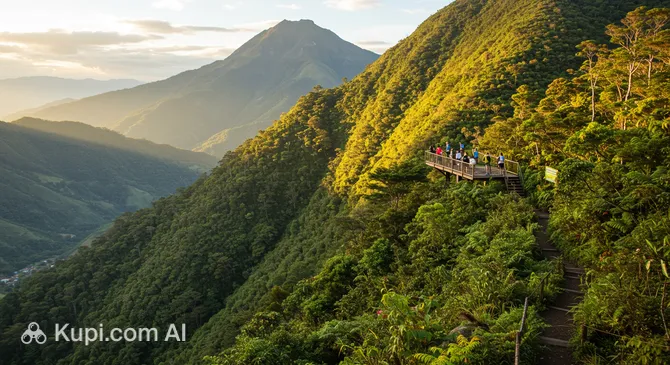
Although Bello is primarily known as an industrial and residential center, there are several locations here that may interest nature lovers and those seeking beautiful views. One of the most precious natural areas is the Piamonte Nature Reserve. This place attracts those who want to take a break from the city noise and enjoy the greenery of the foothills surrounding the Aburrá Valley.
Piedmont Nature Reserve. Illustration.
Source: Kupi.com AI
Traveler photos:
For those looking for panoramic views of the sprawling metropolis below, head to Mirador del Sol. This viewpoint is a popular spot among locals, especially in the evening when the city lights begin to flicker in the dark. It offers an impressive view of not only Bello itself but also the neighboring districts of the valley.
The city's central life revolves around Parque Principal de Bello — the main square where important administrative buildings are located and daily commerce thrives. For travelers, it is the best point to observe the local rhythm of life and get acquainted with street food and architecture in the heart of this densely populated suburb.
Local Cuisine
The gastronomy of Bello is a vivid reflection of the traditions of the Antioquia region. The main dish you must try is the famous bandeja paisa. This hearty meal includes rice, beans, ground meat, chorizo, an egg, avocado, and a crispy pork rind (chicharrón). Such a meal will provide an energy boost for the whole day and let you experience the true taste of Colombian hospitality.
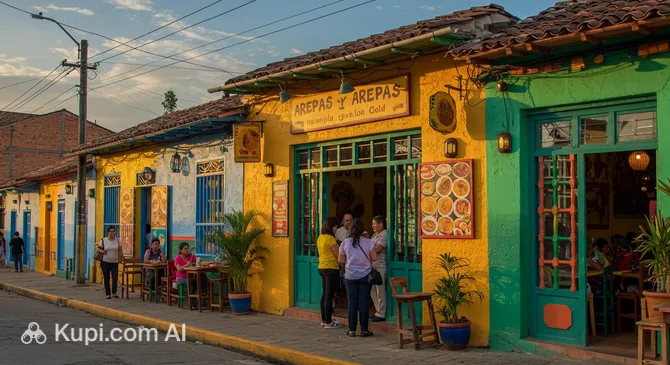
Equally important in the local diet are arepas — corn cakes served with almost every meal. For the most authentic taste, check out Arepas y Arepas, where these cakes are prepared with various fillings, from simple cheese to exquisite meat combinations. Another traditional dish is sancocho, a thick soup based on several types of meat, corn, and tubers, which is prepared especially rich and flavorful in Bello.
Arepas y Arepas. Illustration.
Source: Kupi.com AI
Traveler photos:
Food culture here is centered around markets and small family restaurants. One notable place is Raíces Bello, which serves traditional dishes in a cozy atmosphere. For drinks, be sure to try the local black coffee (tinto) and freshly squeezed juices from exotic fruits like lulo or guanabana. In the evening, stalls with empanadas — small fried pastries that are perfect for a quick snack — come to life on the streets of Bello.
Raíces Bello. Illustration.
Source: Kupi.com AI
Traveler photos:
Travel Tips
Bello is a welcoming and lively city that allows you to see the real Colombia beyond the usual tourist trails. To make your journey comfortable and safe, use these tried-and-tested tips.
Clothing and Essentials: Bello enjoys eternal spring with temperatures between 20-28°C. Pack light cotton clothing, but don't forget a light jacket or umbrella, as rain can be sudden. Comfortable shoes are a must if you plan to walk around the city a lot.
Transport: The fastest way to get around is Metro Line A. For trips within the city, use taxi apps (Uber, Cabify); it's safer and more convenient than hailing a car on the street.
Finances: The local currency is the Colombian Peso (COP). In shopping malls, cards are accepted almost everywhere, but for markets and street food, be sure to have cash in small denominations. It's best to use ATMs inside malls or banks.
Health and Safety: Bello is primarily a residential area, but tourists should stick to central, well-lit streets. Avoid peripheral "comunas" in the evening. It's better to drink bottled or filtered water.
Communication: The main language is Spanish. English is not widely spoken, so learn some basic phrases or install an offline translator. A local SIM card (Claro or Tigo) can be purchased at any shopping mall.
Local Etiquette: Residents of the Antioquia region (Paisas) are very polite. A "Buenos días" greeting and using "por favor" will open many doors and earn you a smile.
What to Avoid: Do not flash expensive jewelry or electronics in crowded places ("no dar papaya," as the locals say). Avoid discussing political or sensitive historical topics to avoid offending your conversation partner.
Additional Tip: Visit Bello on a weekend when the central squares come alive and locals have family picnics and gatherings — it's the best time for cultural observation.
Following these simple rules will help you focus on pleasant discoveries and enjoy the authentic atmosphere of this hardworking city!
Entertainment & Nightlife
Nightlife in Bello is more local and relaxed compared to the vibrant scene in Medellín. Most evening entertainment is concentrated in the city center and around large shopping complexes. Locals often spend time in small bars and cafes, such as El Café Niquía, where you can enjoy a cup of excellent Colombian coffee or relax in a cozy setting.
El Cafe Niquia. Illustration.
Source: Kupi.com AI
Traveler photos:
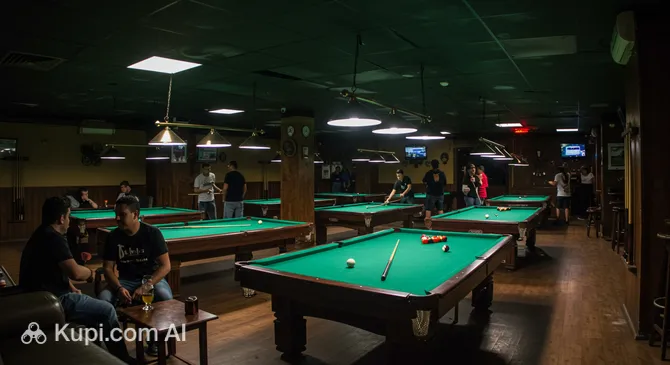
For those seeking a place with a specific atmosphere and music, Liverpool Classic Bar is a popular choice. Such establishments attract a mix of middle-aged and young crowds, offering classic hits and a friendly environment. Most bars stay open until midnight or slightly later, while for larger clubs and discos, locals usually head to neighboring Medellín districts like El Poblado, which can be reached quickly by taxi.
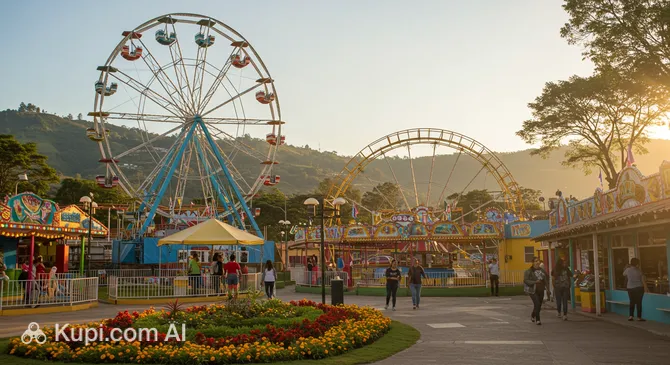
If you are planning daytime leisure with family or friends, Bello Family Park (Comfama Bello) is an excellent option. This multi-functional space offers various sports fields, relaxation areas, and water attractions. The park is one of the main weekend destinations, providing a safe and pleasant environment for active outdoor recreation.
Bello Family Park. Illustration.
Source: Kupi.com AI
Traveler photos:
Parks & Museums
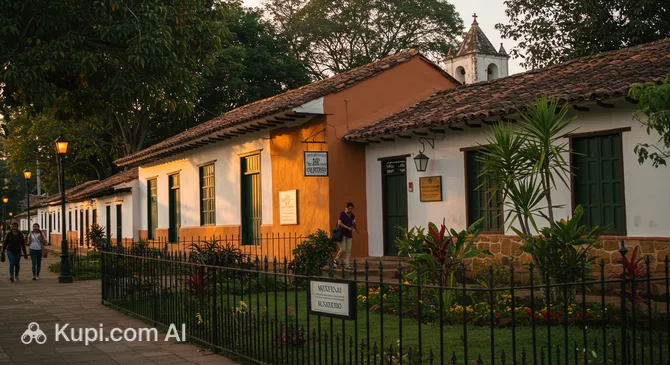
Cultural life in Bello is inextricably linked with the history of Colombia's prominent figures. The main point of pride for the citizens is the Marco Fidel Suárez House-Museum. This memorial complex includes the modest hut where the future president of the country was born. The museum is protected by a majestic glass pavilion and houses personal belongings, manuscripts, and historical documents detailing the life of this outstanding statesman and writer.
Marco Fidel Suárez House Museum. Illustration.
Source: Kupi.com AI
Traveler photos:
As for green spaces, Parque Principal de Bello remains the central place for strolling in the city. This square serves not just as a place for rest, but as a true social hub where local residents of all ages gather under the shade of trees. Despite the high density of urban development, the park maintains the atmosphere of a traditional Colombian "pueblo," where life flows slowly among fountains and monuments.
For those craving more extensive natural landscapes, Bello serves as a gateway to the natural riches of the valley. Although there are not many park zones within the city itself, residents often use the proximity to the foothills for short hikes. Visiting the local parks and the Suárez Museum is the best way to connect with the historical heritage of a city that has nurtured many talents and preserved the memory of its great ancestors.
Getting Around
The public transport system in Bello is one of the most efficient in the region, largely thanks to its integration with metropolitan Medellín. The main mode of transport for long-distance travel is the metro (Line A). The Bello and Niquía stations provide a reliable connection to the center and southern districts of the valley in just 20–30 minutes. Fares are paid using the Cívica contactless card, which can be purchased and topped up at any station.
Within the city itself, the SITP (Sistema Integrado de Transporte Público) bus network is well-developed. These brightly colored buses run between residential neighborhoods and metro stations, creating a convenient "seamless" travel system. In addition to these, there are traditional private minibuses that cover areas where municipal transport does not reach. The fare is fixed and quite affordable for the budget traveler.
For individual trips, it is best to use official taxi services or popular mobile apps such as Uber or Didi. This guarantees safety and a fixed trip cost. During peak hours (7:00 to 9:00 and 17:00 to 19:00), transport can be very crowded, so tourists are recommended to plan their trips for the middle of the day. An interesting feature of local transport is the use of motorcycle taxis in some steep mountain areas, which adds local flavor to the city's daily life.
Accommodation
Choosing accommodation in Bello has its own specifics, as the city is primarily oriented towards local residents and the industrial sector. You are unlikely to find large international hotel chains here, but there is a wide selection of budget options and apartments for long-term stays.
The most convenient areas to stay are the city center and the zones adjacent to the Niquía metro station and major shopping complexes. These locations feature small private hotels (residenciales) and modern apartments available through booking services like Airbnb. Proximity to the metro allows for quick travel to the main tourist locations of neighboring Medellín while maintaining lower prices for accommodation.
For those seeking maximum comfort and service, experienced travelers suggest considering hotels in the southern districts of the metropolitan area, using Bello as a base for day trips. If you decide to stay specifically here, it is recommended to book your accommodation in advance, especially during local festivals or major sporting events when the demand for quality apartments increases.
Nearby Cities
The city of Bello is an excellent starting point for exploring the northern and central parts of the Antioquia department. Thanks to the developed transport network, you can easily reach several interesting towns in just 20–40 minutes, discovering the diversity of Colombian culture and nature.
Only 10 kilometers away is Medellín — the main cultural and economic center of the region. Here, you'll find famous museums, the Botanical Garden, and the vibrant nightlife of the El Poblado district. For a more relaxed break, Copacabana, located slightly to the north, is ideal. This cozy town attracts visitors with its green areas and the slower pace of life typical of small Colombian settlements.
Another interesting destination is Girardota, known for its religious traditions and the beautiful cathedral on its main square. A trip to these towns will allow you to see the contrast between industrial Bello and the picturesque surroundings of the Aburrá Valley.
Exploring the surroundings of Bello provides an opportunity to deeper understand the history of this land's development and enjoy the mountain landscapes that accompany you on every trip. Don't miss the chance to stop by small cafes in neighboring towns to try local specialties that may differ from the usual dishes of the metropolis.
Shopping & Souvenirs
Shopping in Bello is an exciting mix of modern retail spaces and traditional markets where you can find everything from fashionable clothing to farm products. The city is not a typical tourist shopping destination, yet it is home to some of the largest and newest shopping platforms in the entire Medellín metropolitan area.
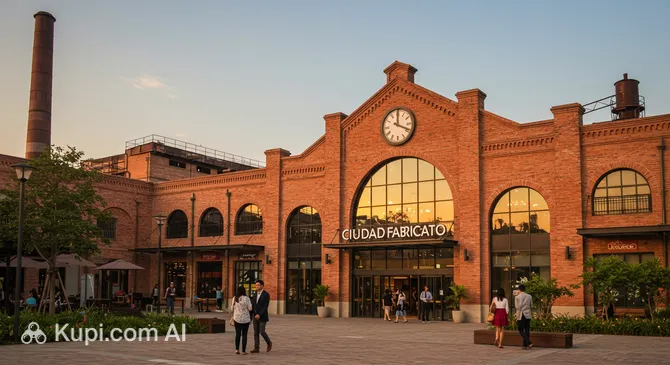
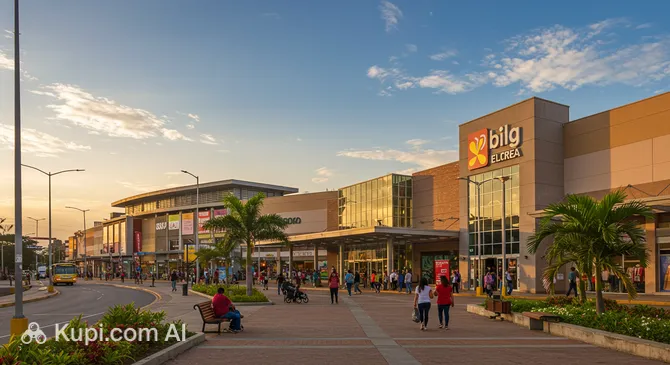
Special attention should be given to Ciudad Fabricato — a grand shopping center built on the site of a former textile factory. This place impresses with its modern architecture and a huge selection of brand-name stores. Another popular spot is Puerta del Norte Shopping Center, located next to the Niquía metro terminus. It is convenient for its transport accessibility and the presence of numerous cinemas, restaurants, and shops for every budget.
Ciudad Fabricato. Illustration.
Source: Kupi.com AI
Traveler photos:
To find authentic items and fresh produce, head to the Mercado de Bello. This is a typical Colombian market where life is in full swing, smelling of spices and tropical fruits. As souvenirs from Bello, you can bring back textile products, as the city has deep traditions in this industry, or a bag of excellent coffee grown in the mountains of Antioquia. Most shops are open from 10 am to 8 or 9 pm, and both cash pesos and bank cards are widely accepted.