Itagüí is a dynamic and industrious city located in the heart of the Aburrá Valley in Colombia. As a vital industrial and commercial hub of the Antioquia department, it is harmoniously integrated into the structure of the Medellín metropolitan region. A business-like atmosphere prevails here, and the streets are filled with the energy of a typical Antioquian settlement, with its lively parks and hospitable residents.
Itagui. Illustration.
Source: Kupi.com AI
The city stretches along the Porce River at an altitude of about 1,569 meters above sea level, nestled between the majestic Andean Cordilleras. With a population of over 276,000 people, Itagüí is considered one of the most densely populated and economically significant municipalities in the country. The history of development of this place is inextricably linked to the textile industry, which transformed a former resort suburb into a powerful industrial center.
For the traveler, Itagüí is interesting primarily as the capital of Colombian fashion and textiles. Here, you can not only get acquainted with the daily life of the local "paisa," but also see unique archaeological monuments hidden among modern blocks. It is a city of contrasts, where ancient traditions coexist with modern shopping complexes and the dynamic rhythm of a metropolis.
Weather Overview
Itagüí is dominated by a tropical mountain climate, typical of the Aburrá Valley. The weather here is often described as "eternal spring": comfortable temperatures hold steady year-round, averaging from +18°C to +25°C. Due to its location in a narrow valley between mountain ranges, there is often high humidity, and a light breeze brings pleasant coolness from the mountains.
Expect warm summers with occasional refreshing rains and moderately wet periods throughout the year. The main rainy seasons fall in April–May and October–November, when downpours can be short but very intense. January and February are traditionally considered the driest and sunniest months, ideal for long walks. The detailed city climate should be considered when planning your trip, especially if you intend to visit open-air archaeological parks.
Thanks to the stable temperature regime, Itagüí is welcoming at any time of year. Even in the rainiest months, the sun often peeks out from behind the clouds, creating excellent conditions for shopping and exploring local attractions. Don't forget to bring an umbrella or a light raincoat — in the mountains, the weather can change in literally half an hour.
Average monthly temperature
Average monthly precipitation
Interesting Facts
Itagüí is a city capable of surprising those who decide to look behind the facade of its factory buildings with its details and hidden treasures.
Textile Capital: The city is considered a key fashion center in Colombia; it is home to dozens of factory outlets and the famous shopping zones Centro de la Moda and Via de la Moda.
Ancient Symbols: The El Rosario Petroglyph Park preserves rock paintings of indigenous tribes that are rare for this region and date back centuries.
Densely Populated Hub: Itagüí ranks 3rd in population in the Antioquia department and is among the most densely built-up cities in the country.
Historical Heart: The city's central church dates back to 1832 and is the architectural focal point of the main city park.
Industrial Giant: Despite its small area, Itagüí makes one of the most significant contributions to the region's GDP thanks to its manufacturing capacities.
How to Get There
Thanks to its location in the Aburrá Valley, Itagüí enjoys excellent transport accessibility. The city is an integral part of Medellín's transport system, making a trip here as simple and convenient as possible for tourists. If you are planning a visit, detailed information can be found in the section on how to get to Itagüí.
The main way to get around is the metro. The Itagüí station of the same name connects the city with the center of Medellín — the journey from San Antonio station takes only about 20 minutes. This is the most reliable way to avoid traffic jams that often occur on major highways such as Carrera 51 and Highway 25, especially during morning and evening rush hours.
For those arriving from other regions via José María Córdova International Airport (Rionegro), the most convenient option is a taxi or bus transfer to Medellín, followed by a transfer to Metro Line A. Numerous intercity bus routes also pass through Itagüí, heading to the south of the country.
Station
Passenger traffic
Distance
Usaquen station
1
240 km
Main Attractions
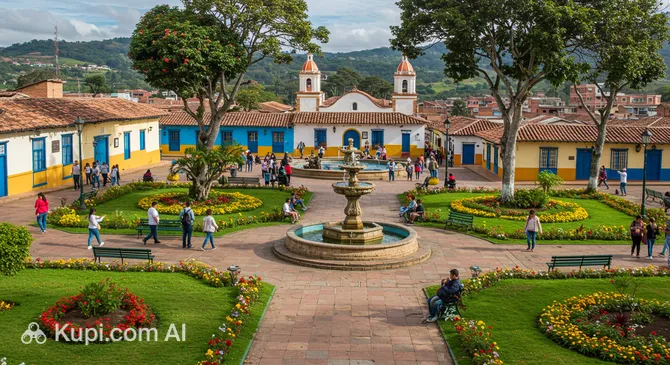
Despite its industrial fame, Itagüí offers guests several truly interesting places. One of the main points of attraction is Sabaneta Park, located on the border with the neighboring municipality. This is a cozy space where you can feel the spirit of traditional Antioquia, relax in the shade of trees, and enjoy an atmosphere of peace away from the noise of the main roads.
Sabaneta Park. Illustration.
Source: Kupi.com AI
Traveller photos:
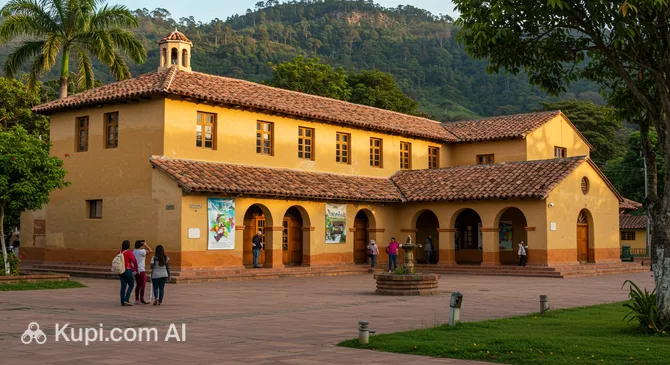
Culture lovers should visit the La Barquereña Cultural Center. This building is not only an architectural ornament of the city but also serves as a venue for many art exhibitions, musical performances, and educational events, reflecting the rich creative life of the region.
La Barquereña Cultural Center. Illustration.
Source: Kupi.com AI
Traveller photos:
For a deeper dive into the city's heritage, it is recommended to stop by the Ditaires House-Museum. This historical estate has preserved the charm of years past and allows you to imagine what the life of the local nobility was like before the industrial boom. Additionally, Itagüí is worth visiting for the Artist Park with its expressive sculptures by Salvador Arango and the mysterious petroglyphs in the El Rosario area, which bear witness to the ancient cultures that inhabited this valley long before the arrival of the Spaniards.
Local Cuisine
The gastronomy of Itagüí is a hymn to the traditions of the Antioquia region. Here you will find classic Colombian cuisine, hearty and incredibly delicious. The main dish that every guest must try remains the bandeja paisa — a generous platter with beans, rice, fried meat, avocado, and crispy chicharrón. Numerous cozy establishments offering home-style lunches at affordable prices are located around Central Park.
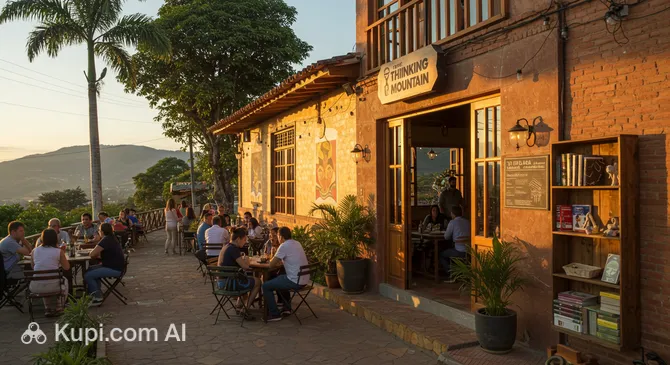
Street food in the city is a separate pleasure. Don't pass by the stalls with arepas (corn cakes with cheese) and empanadas. For a special dinner, you can head to an establishment with an original concept — The Thinking Mountain (La Montaña Que Piensa), where the meal is accompanied by an interesting atmosphere. If you're in the mood for something spicier, check out Guadalupe Mexican Bar and Grill.
The Thinking Mountain. Illustration.
Source: Kupi.com AI
Traveller photos:
As for drinks, be sure to try freshly squeezed tropical fruit juices (jugos naturales) and, of course, the famous Antioquian coffee. In the evening, locals like to relax with a glass of cold beer or a shot of aguardiente — a traditional cane liquor with an anise aroma. The city's culinary scene is simple but honest, offering guests the true flavors of the Colombian land.
Travel Tips
Visiting Itagüí is a great way to see the real, hardworking Colombia beyond the usual tourist routes. To ensure your trip goes smoothly and leaves only pleasant impressions, use our practical tips.
Clothing and Essentials: The city enjoys a climate of "eternal spring," so light cotton clothing is ideal. However, evenings can be cool and rain can happen suddenly — bring a light windbreaker or an umbrella. For shopping and walking the hilly streets, comfortable shoes are a must.
Transport: The metro is your best friend. It is clean, safe, and fast. Get a Cívica card for payment. If using taxis, prefer official yellow cars or call them through verified apps.
Finances: The local currency is the Colombian Peso (COP). Malls readily accept cards, but cash will be necessary at markets and small shops. Tips in restaurants are usually included in the bill (around 10%), but this is a voluntary gesture.
Health and Safety: Itagüí is a working-class city, so standard precautions should be followed. Try not to display valuables and expensive equipment, especially in industrial zones. It is better to use taxis after dark.
Communication: The main language is Spanish. English is not widely spoken, so learn basic phrases or install an offline translator. For connectivity, buy a SIM card from local operators (Claro or Tigo); they are inexpensive and sold in many retail outlets.
Local Etiquette: Colombians are very polite and friendly people. It is customary to always say hello when entering a shop or restaurant ("Buenos días" or "Buenas tardes"). A friendly smile will help you solve any issue.
What to Avoid: You should not walk alone on the outskirts of the city or through deserted industrial blocks late at night. Also, try not to discuss sensitive political topics with strangers.
Additional Tip: If you are visiting for shopping, set aside a whole day and start at Centro de la Moda on a weekday morning to avoid the weekend crowds.
Have a pleasant trip to Itagüí — a city of fashion, traditions, and hospitality!
Entertainment & Nightlife
The entertainment scene in Itagüí is predominantly local in character, offering an authentic experience without excessive tourist gloss. The Artist Park serves as the center of social life, where cultural events and festive activities are regularly held. In December, the city is transformed by Christmas lights, turning a walk through the central squares into a real light show.
Nightlife is concentrated around bars and grills where locals gather after the workday. If you are looking for a place for an evening out, pay attention to Crunch & BBQ — here you can try excellent grilled dishes in a relaxed atmosphere. For those who prefer more intimate venues, the El Callejón bar is suitable, while dance lovers can head to the One Carnival Place club.
Crunch & BBQ. Illustration.
Source: Kupi.com AI
Traveller photos:
For family leisure during the day, the Ditaires Water Park is a great choice, offering water attractions and relaxation zones. However, for large-scale parties and world-class festivals, city residents often head to neighboring Medellín, which is just a 20–30 minute metro ride away.
Parks & Museums
Green zones and cultural spaces in Itagüí serve as important islands of rest in the urban bustle. The city's Central Park is a classic square where daily life hums around the statue of Simón Bolívar: friends meet, children play, and street vendors work. Another significant spot is the Artist Park, which turns a stroll into a visit to an open-air gallery thanks to its monumental sculptures.
For history buffs, the El Rosario Petroglyph Park is a must-visit. This is a unique site for all of Antioquia, where you can see authentic ancient symbols left by indigenous peoples on the stones. To study the findings more deeply, visit the Graciliano Arcila Archaeological Museum, which carefully preserves artifacts found within the municipality.
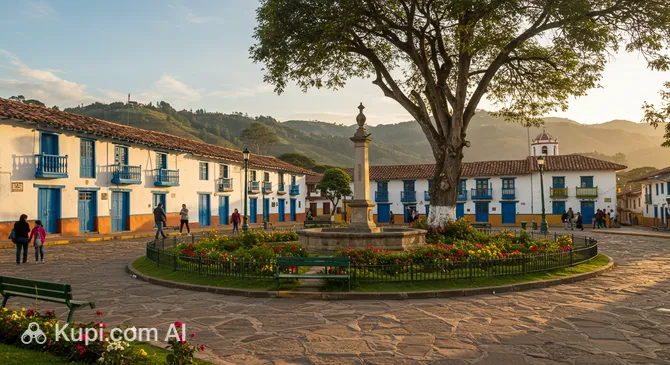
If you just want to walk in a beautiful place with historical context, look for the Pilsen Plaza. This space reflects the city's industrial heritage and is a popular landmark for locals. Although Itagüí's parks are not as large-scale as those in neighboring cities, they have their own special charm and allow you to see the true, non-tourist lifestyle of the Aburrá Valley.
Pilsen Roundabout. Illustration.
Source: Kupi.com AI
Traveller photos:
Getting Around
The transport system of Itagüí is excellently integrated into the overall metro and bus network of the Aburrá Valley, making travel within the city and beyond simple and straightforward. The main transport artery is Metro Line A, passing through the Itagüí station. Trains run from early morning until late evening, providing quick connections to Medellín and the southern districts of the valley.
A universal Cívica card is used to pay for fares on the metro and integrated buses. It can be purchased and topped up at stations; this is significantly more convenient and cheaper than buying single tickets. Within the city itself, numerous minibuses and buses operate, with routes covering residential and industrial blocks, including the important Carrera 51 thoroughfare.
Taxis are available everywhere in Itagüí and can be called via popular apps (such as Cabify or Uber) or hailed on the street. Cycling infrastructure is gradually developing, but one should consider the hilly terrain of some areas and heavy traffic in industrial zones. Tourists are advised to avoid traveling during peak hours (7:00–9:00 and 17:00–19:00) when public transport is crowded with textile factory workers and traffic jams form on the roads.
Accommodation
The choice of accommodation in Itagüí is largely dictated by its status as an industrial and commercial center. While you won't find luxury five-star resorts here, the city offers excellent options for business travelers, shopping tourists, and those looking for affordable accommodation near Medellín. Most hotels are concentrated in commercial zones and near major transport hubs.
Popular options include mid-range chain hotels, such as Ibis Budget, which offer modern service at a reasonable price. Such properties are convenient for short stays as they provide quick access to the metro and shopping centers like the SurAmérica Shopping Center.
Suramérica Mall. Illustration.
Source: Kupi.com AI
Traveller photos:
For longer stays, many travelers and expats prefer to rent apartments. This allows for a deeper immersion into local life and significant savings. When booking, it is recommended to choose accommodation in gated residential complexes and closer to metro stations. During major fashion exhibitions (such as Colombiamoda), hotel rooms should be reserved in advance.
Nearby Cities
Itagüí occupies a strategic position in the valley, making it an excellent starting point for exploring neighboring municipalities, each of which has its own unique character. In just a few minutes, you can swap industrial landscapes for cozy colonial squares or bustling metropolitan blocks.
Just 11 kilometers to the north is Medellín — the "city of eternal spring." This is a must-visit destination, where world-class museums, the Botanical Garden, and the famous cable cars await you. Very close by is the city of Sabaneta, known for its vibrant central square and delicious traditional food, as well as Envigado, which is famous for its green zones and the cozy atmosphere of its residential neighborhoods.
For those seeking peace and quiet, La Estrella with its religious shrines or the small Angelópolis are suitable choices. Thanks to the developed metro and bus systems, you can easily plan several day trips to see all the diversity of the Antioquia region.
Shopping & Souvenirs
Shopping is perhaps the main reason why tourists and residents of neighboring cities flock to Itagüí. The city is rightfully considered the textile heart of Colombia. It is home to the famous Centro de la Moda and Via de la Moda zones, where over fifty factory outlets offer clothing, jeans, and home textiles directly from manufacturers at the most attractive prices.
For those who prefer the classic shopping mall format, the city offers modern spaces. Be sure to visit the El Dorado 2 Shopping Center or the spacious SurAmérica Shopping Center, where popular brands, relaxation areas, and food courts are all under one roof. These centers are convenient as they provide comfortable shopping conditions and a wide selection of goods.
El Dorado Shopping Center 2. Illustration.
Source: Kupi.com AI
Traveller photos:
The markets near the central park are ideal for buying everyday items and fresh produce. If you are looking for souvenirs, look for high-quality Antioquian coffee or items featuring replicas of local petroglyphs, which can be found in museum shops. Most stores are open from 10:00 to 19:00 or 20:00; cards are accepted at almost all major outlets, but it's better to have cash pesos for the markets.
We use cookies and services to collect user information. This is essential for the functioning of the site and for marketing purposes. You can find out more in .