Support

Puerto Gaitan

About

Puerto Gaitán is a stunning destination nestled in the east of the country, in the department of Meta. The town lies at a picturesque confluence of rivers, giving it a special charm and creating a unique natural landscape. Thanks to its location, it is considered a kind of "gateway" to the heart of the vast plains—the Llanos—for which Colombia is so famous.
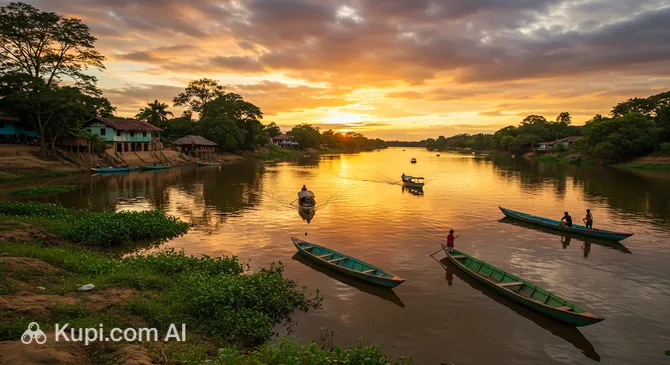
Puerto Gaitan. Illustration.
Source: Kupi.com AI

With a population of about 41,000 people, Puerto Gaitán remains fairly compact yet serves as an important administrative center for the region. The town is actively developing, with new hotels being built, restaurants opening, and modern facilities for tourists appearing. It is only 225 kilometers from the nation's capital, Bogotá, making this town a convenient starting point for travels through the eastern part of the country.

The atmosphere of the town is imbued with South American lightness and hospitality. It's easy to feel like a part of local life here: laughter is always heard on the streets, and residents are happy to share the culture of their homeland. The rich history of Puerto Gaitán is inextricably linked to the rivers and the development of the savanna, which has shaped the unique character of this place.

The town is particularly attractive for lovers of ecotourism and active recreation. Here, you can embark on exciting river trips, observe exotic birds and animals in their natural habitat, or simply enjoy the silence away from noisy metropolises. Puerto Gaitán is an ideal destination for those seeking authentic experiences and wanting to dive into the atmosphere of true tropical adventures.

Weather Overview

The climate in this region is typical of the Colombian Llanos—hot and tropical, with a clearly defined alternation of dry and wet periods. Warmth prevails throughout the year, and the weather in Puerto Gaitán rarely brings surprises in the form of cold spells. The average monthly temperature stays consistently above 25°C, making the town an excellent spot for sun lovers.

The dry season, which lasts from December to February, is considered the hottest time of year. During these months, precipitation is minimal (about 1 mm), and rain occurs very rarely—only 4–5 days a month. February is the most sweltering month: the average temperature is 29.4°C, and during the day, the air can heat up to 34.1°C. This is the ideal time for visiting the beaches on the Manacacías River.

From April to November, the wet season arrives. The character of the weather changes: the sky is more often covered with clouds, and rain becomes a regular guest. Peak precipitation occurs in May and June, when the number of rainy days can reach 28 per month. Temperatures during this period drop slightly, averaging 25.5°C – 27°C, but high humidity maintains the feeling of tropical heat. Expect warm, humid months with periodic downpours in the middle of the year and dry, hot days during the winter period.

Average monthly temperature

Average monthly precipitation

Interesting Facts

Puerto Gaitán is not just a point on the map, but a place with a deep soul and traditions. Beyond its famous landscapes, this town holds stories that reveal its true character and significance for the entire Llanos region.

  • Unique Triple Confluence. Puerto Gaitán boasts a rare geographical feature—it is located at the meeting point of three rivers: the Manacacías, Yucao, and Meta. This strategic position not only makes it an important transport hub but also creates a unique ecosystem for fishing and river tourism found nowhere else in Colombia.

  • Legendary "Gateway to the Plains." Although it is a developing center today, the town historically originated as a humble fishing settlement. There is a persistent legend that the first bold expeditions into the heart of the vast Colombian plains began from here, cementing the town's status as a starting point for wilderness explorers.

  • The Cradle of Llanera Music. The town is one of the unofficial centers of the "llanera" genre—traditional music of the plains' herdsmen and cowboys. Many famous performers who made these rhythms known nationwide hail from Puerto Gaitán, and their legacy is carefully preserved by the locals.

  • Carnival on the Water. During the famous "Fiesta del Río" (River Festival), you can see an unusual sight—colorful boat parades. During these days, the Manacacías River transforms into the town's main stage, where boisterous festivities take place right on the water to the sounds of harps and maracas.

How to Get There

When planning a trip to this colorful corner of the Meta department, it's worth thinking through your route in advance, as the town is located away from the country's main transport arteries. You can find all the details and consider various route options by following the link: how to get to Puerto Gaitán. Since the town itself does not have its own airport, travelers usually use a combined method of travel: a flight to the nearest major city, followed by a transfer by car or bus.

The main international gateway for most tourists is El Dorado Airport (BOG), located in the nation's capital, Bogotá. This is Colombia's largest aviation hub with a huge passenger flow, receiving flights from all over the world. The airport is approximately 233 km from Puerto Gaitán. A journey from the capital by taxi or rental car takes about 6 hours, though the road can be tiring due to the mountainous terrain in some sections.

A more convenient option for domestic flights is La Vanguardia Airport (VVC) in Villavicencio, the administrative center of the department. It is closer, at about 170 km from the destination. This is a regional airport receiving flights from Bogotá and other cities. The journey from here to Puerto Gaitán by land transport takes about 4.5 hours.

Geographically, the closest is El Yopal Airport (EYP) in the city of Yopal, at a distance of about 116 km. Travel time from this airport is approximately 3–3.5 hours by car. This is a good alternative if your route takes you through the Casanare department.

For clarity, here is a summary of the main airports used to reach the region:

AirportPassenger trafficDistance
El Yopal Airport448 700116 km
La Vanguardia Airport471 134171 km
El Dorado International Airport45.8 mln233 km
San Gil (Los Pozos)277 km
Los Colonizadores34 000293 km

Railway communication in this region of Colombia, as in many other parts of the country, is not developed for passenger transport. There are no nearby stations, so trains are not considered a way to get to Puerto Gaitán. Most of the travel relies on roads.

The most popular way to reach the town after your flight is via intercity buses or private transfers. Regular bus services depart from the terminals in Bogotá and Villavicencio. The road from Villavicencio passes through the picturesque Llanos plains, which in itself becomes part of the adventure.

Main Attractions

The main attractions of Puerto Gaitán are inextricably linked to its unique nature and the culture of the Llanos. Unlike cities with rich colonial architecture, tourists are drawn here by the endless horizons, majestic rivers, and the opportunity to encounter wild fauna. A journey here is a chance to see the true, untouched beauty of the eastern part of the country.

The absolute jewel of the region is the Manacacías River. This is not just a waterway but the main hub for ecological tourism. Travelers from all over the world come here for a unique sight—observing pink river dolphins, or "toninas" as they are known locally. These amazing freshwater mammals often swim close to boats, allowing for rare photographs. A boat trip on the river, especially at sunset when the sky turns fiery colors, will be one of the most vivid impressions of a trip to Colombia.

The town's symbol and calling card is the famous Arco de Puerto Gaitán. This monumental structure, located at the entrance to the town, is shaped like a horseshoe and decorated with bas-reliefs depicting the daily life, flora, and fauna of the region. The arch symbolizes the hospitality of the locals and serves as a gateway to the vast plains. It is a popular spot for commemorative photos and the first landmark to greet visitors.

Another iconic place to visit is the Las Bocas sector. This is a geographically unique point where three rivers meet: the Manacacías, the Yucao, and the Meta. Excursions here allow you to appreciate the power of the water currents and the diversity of the ecosystems. You can see how waters of different colors blend into a single stream, while the banks serve as home to many exotic birds and reptiles. A trip to Las Bocas is a true adventure for lovers of wildlife and tranquility.

Local Cuisine

The gastronomic scene of Puerto Gaitán is a vibrant reflection of the Llanos soul, where the traditions of nomadic cattle herders intertwine with the generous gifts of the great rivers. The local cuisine is characterized by its heartiness, simplicity, and rich flavors, and getting to know it will be one of the most memorable moments of your trip.

The queen of the table here is rightfully "ternera a la llanera", often simply called "mamona." This is more than just food—it's a true ritual: large pieces of young beef are skewered on vertical poles and slowly roasted around an open fire for several hours. The meat acquires a unique smoky aroma and a tender texture. Traditionally, it is served on wooden boards accompanied by boiled cassava (yuca), potatoes, and plantains, and no family celebration in the town is complete without this treat.

Thanks to its unique location at the confluence of the Manacacías, Yucao, and Meta rivers, the fish menu in local establishments deserves special attention. Chefs masterfully prepare the fresh catch of the day: be sure to try fried catfish (bagre) or stewed tilapia. Particularly popular are hearty fish soups seasoned with aromatic herbs gathered right on the banks—an ideal choice for a filling lunch after a river excursion.

The dining culture in the town is democratic and open. Locals love to dine in open-air restaurants ("asaderos"), where you can watch the meat preparation process. In markets and on the streets, you can always find quick snacks made from corn and cassava, as well as exotic fruits grown in the region. To cool off in the tropical heat, be sure to order guarapo—a traditional sweet drink made from freshly squeezed sugarcane juice, which is drunk everywhere here.

Travel Tips

Welcome to Puerto Gaitán! To ensure your trip to this picturesque corner of the Meta department is as comfortable as possible and leaves only pleasant memories, we have prepared a list of important practical recommendations based on the region's specifics.

  1. Clothing and Gear. The climate here is hot and humid year-round, so the basis of your wardrobe should be light items made from natural fabrics like cotton or linen. Be sure to bring a wide-brimmed hat and quality sunglasses. For evening walks by the river and trips into nature, a light long-sleeved shirt and trousers will come in handy, along with reliable repellent to protect against mosquitoes.
  2. Getting Around Town. The most common and convenient transport here is the mototaxi. This is a fast way to reach any point, but it's important to follow the rules: always agree on the price of the trip before boarding, as there are no meters, and demand a protective helmet from the driver. For longer trips out of town, it's better to rent an SUV or use the services of official carriers.
  3. Financial Matters. Although some hotels and large shops accept cards, cash (Colombian peso) is king here. Small shops, market vendors, and mototaxi drivers only work with cash. Try to always have a supply of small bills, as finding change for 50,000 or 100,000 pesos can be problematic. There are ATMs in the center, but they are few, so it's better to withdraw money in advance.
  4. Health and Safety. Due to the intense sun and heat, the risk of dehydration and heatstroke is high—drink only bottled water and regularly apply sunscreen. Puerto Gaitán is a peaceful town, but exercise basic caution: do not leave valuables unattended on beaches and avoid walking alone in unlit outskirts at night.
  5. Communication and Language. Be prepared for the fact that English is practically not used here. Locals speak Spanish, so a downloaded offline translator or knowledge of basic phrases will be very helpful. It's best to purchase a SIM card in advance in major cities or at official operator offices in the center, as stable Wi-Fi is not available in all public places.
  6. Local Etiquette. The plains people (llaneros) are very friendly and value politeness. When entering a shop, restaurant, or boarding transport, it's customary to say hello ("Buenos días" or "Buenas tardes"). If you want to photograph colorful locals, be sure to ask permission—usually, people react positively, but respect for personal space is important here.
  7. What to Avoid. It is strictly not recommended to litter on riverbanks or throw anything into the water during boat trips. The river ecosystem, home to pink dolphins, is very fragile, and locals are very protective of its cleanliness. Also, avoid swimming in the Manacacías River in undesignated areas—currents can be strong and unpredictable.
  8. Insider Tip. Plan your dinner or evening walk to catch the sunset on the embankment (Malecón). Sunsets in the Llanos region, where Colombia is located, are considered some of the most beautiful in the world thanks to the endless horizon. This is a free but absolutely mesmerizing sight that should not be missed.

By following these simple tips, you can avoid minor troubles and fully focus on the beauty of the vast plains and the unique culture of this amazing land. We wish you a safe and exciting journey!

Entertainment & Nightlife

Nightlife in Colombia is always full of energy, and Puerto Gaitán is no exception. Despite its modest size, this town knows how to have fun, especially when the weekend arrives. Evening entertainment here is soaked in the flavor of the Llanos region: a heady mix of traditional rhythms, modern music, and a warm, friendly atmosphere where everyone feels like a welcome guest.

The center of nocturnal activity is concentrated in several key areas. The most popular location is the town center (El Centro), particularly the streets around Carrera 10 and 11. Here, life pulses until morning: music pours out of every establishment, and locals and tourists bar-hop through the night. Another important magnet is the waterfront area (Malecón), where you can find more relaxed venues with river views, perfect for starting the evening with a cocktail or a cold beer.

The atmosphere in local clubs and bars is casual and laid-back. There is no strict dress code: a light shirt and jeans are appropriate everywhere. The crowd here is open and cheerful, ready to dance to everything from salsa and reggaeton to the locally beloved vallenato and folk llanera music.

If you are looking for specific places to dance and feel the local drive, check out Discoteca Bar Tijuana. It is a popular spot where young people and dance lovers gather for energetic modern hits. For those seeking a more authentic experience, Martina La Cachona is a well-known disco with an excellent reputation, where the party often continues until 2 or 3 AM. For those who prefer a quieter "pub" format, Braco Café Bar is worth a visit for a chat in a cozy setting.

Practical tips for tourists:

  • The best time to go out is Friday and Saturday after 9:00 PM. On weekdays, the town quietens down quite early.
  • Prices in Puerto Gaitán's bars will be a pleasant surprise: they are significantly lower than in the country's major cities.
  • Safety in the center and on the Malecón is generally good, but avoid walking in unlit outskirts alone.
  • The most convenient way to get home at night is by mototaxi. They are easy to hail on the street, but it's better to agree on the price before starting the trip.

Daytime entertainment in the town is no less interesting, though it differs from the usual metropolitan offerings. There are no large theaters or classical museums, but nature itself takes center stage. During the day, tourists head to the parks along the Manacacías River for picnics or to watch pink dolphins, which serves as an alternative to traditional entertainment centers.

Parks & Museums

Puerto Gaitán is a town where the boundaries between the urban environment and wild nature are practically blurred. Here, cultural heritage doesn't live in the silence of museum halls but pulses in open spaces, green parks, and on the banks of majestic rivers. For tourists, this is an opportunity to get to know the traditions of the Llanos region in the most natural and relaxed setting possible.

The heart of social life and the main walking area is the Manacacías River Embankment (El Malecón). This is not just a riverside park, but a true observation platform over a kilometer long. It features convenient pedestrian paths, recreation zones, and greenery providing shade on hot days. Tourists come here to admire the famous sunsets when the sun dips behind the river, painting the sky in incredible shades, and to watch the boats and, if lucky, see pink dolphins right from the shore.

In the dry season (from December to March), nature gifts the town a unique recreation zone—the Manacacías River Beaches. When the water level drops, wide sandbars form along the riverbed, turning into full-fledged beaches. This spot becomes a magnet for locals and travelers: you can sunbathe, swim in the refreshing water, and engage in beach sports. The atmosphere resembles a seaside resort unexpectedly appearing in the middle of the vast plains.

As for cultural institutions, the main guardian of traditions is the House of Culture (Casa de la Cultura). This is a key place for understanding the region's soul. It regularly hosts exhibitions of local artisans, as well as rehearsals and performances by dance groups performing joropo—the traditional llaneros dance. For tourists, it's a chance to see living culture, hear the sounds of the harp and maracas, and learn more about the folklore of the eastern part of the country.

Another important site is the Municipal Library, which serves not only as a book repository but also as a modern cultural center. The building often draws attention with its architecture that blends into the tropical landscape. It hosts temporary exhibitions, lectures, and meetings dedicated to the history of the colonization of the plains and the region's biological diversity. It is a quiet and cool place to rest and learn facts about the town.

As an insider tip: look out for the open-air sculptures scattered throughout the town, especially near the embankment and the entrance arch. These monuments depict scenes from the lives of herdsmen, wild animals (jaguars, capybaras), and mythical characters from Llanos legends. Essentially, a walk through the streets of Puerto Gaitán replaces a trip to a history museum, allowing you to touch the identity of this land through art.

Getting Around

The public transport system in Puerto Gaitán differs significantly from the usual schemes of major metropolises. Due to the town's compact size and its location in the Llanos region, you won't find a metro, trams, or an extensive network of large buses. The transport infrastructure is simple, clear, and oriented toward local realities, where mobility and accessibility are key factors.

The most popular and widespread way to get around town is the mototaxi. This is a fast and inexpensive option for reaching any point in the settlement. Motorcyclists, often wearing special vests, wait for passengers on street corners and near main attractions. For tourists, this is not just transport but also a kind of attraction that lets you feel the rhythm of local life; however, it is important to always ask for a helmet for safety.

Classic car taxis (usually yellow) are also available, though they are fewer in number than mototaxis. They are preferred for trips with luggage, family travel, or in rainy weather. Taxis can be found at designated stands in the center (for example, near the park or embankment) or called by phone through a hotel receptionist. Apps like Uber are practically non-existent in the town, so you should rely on official services.

Given the town's geographical position at the confluence of rivers, water transport plays a vital role. Boats, launches, and so-called "voladoras" (high-speed boats) serve as the equivalent of intercity buses for connecting with remote settlements and tourist lodges along the Manacacías River. The pier on the embankment is the main transport hub for those planning water excursions or trips deep into the region.

The payment system in Puerto Gaitán is exclusively cash-based. Transport cards, passes, or validators are not used here. Payment is made directly to the driver at the end of the trip. You should have the local currency (pesos) in small bills, as drivers, especially mototaxistas, often may not have change for large banknotes.

It is crucial for tourists to know the golden rule of local transport: agree on the price in advance. Meters are often absent or not used in taxis and mototaxis, and fares are fixed for certain zones but communicated verbally. Before getting into the vehicle, clearly state your destination and ask: "¿Cuánto cuesta?" (How much does it cost?). This will save you from misunderstandings at the end of the trip.

The town is compact enough that many routes in the center can easily be covered on foot. This is the best way to explore the shops and the embankment. Bike rental as an organized public transport system is not developed, but some hotels may provide bicycles to their guests for rides. Car sharing is non-existent in the town, so if you need a car for independent trips around the outskirts, you should arrange a rental upon arrival at major regional centers or airports.

Accommodation

The choice of accommodation in Puerto Gaitán is quite diverse for a small town and reflects its status as a developing tourist center. You won't find luxury five-star global chain hotels here; instead, guests are offered cozy and functional accommodation options. The bulk of the hotel stock consists of mid-range hotels, small family-run guesthouses, and budget hostels. Particularly popular in the region are country estates ("fincas") and eco-lodges, which allow you to live in harmony with the nature of the Llanos.

In terms of location, the most attractive area for tourists is the zone along the Manacacías River embankment and its adjacent neighborhoods. Staying here guarantees not only picturesque river views and sunsets but also walking access to boat stations, restaurants, and main recreation spots. Another convenient option is the town center (El Centro), where commercial life is concentrated. Staying here puts you close to shops, ATMs, and transport stands, which is handy for handling everyday needs.

A unique feature of Puerto Gaitán is the seasonal opportunity for camping. During the dry season (usually from January to March), when the river level drops and wide sandy beaches are exposed, many tourists choose to stay in tent camps right by the water. This is a budget-friendly and incredibly atmospheric way to spend the night under the stars, often chosen by guests of the famous Summer Festival.

Booking Tip: Puerto Gaitán is a popular destination for domestic tourism, especially during holidays and festivals like the "Festival de Verano" (January) or the "Festival Internacional de la Cachama" (May/June). During these periods, demand for accommodation is colossal, and all decent options can be booked up several weeks in advance. It is strongly recommended to book a room at least a month before your trip if your dates coincide with major town events.

The price range varies from budget to mid-range. A night in a simple hostel or campsite will be inexpensive, while comfortable hotels with air conditioning and a pool (very relevant in the local hot climate) will cost more but still remain affordable compared to major resorts. Regarding booking methods, large hotels are represented on international online platforms. However, many small guesthouses and "fincas" operate through direct contacts in messaging apps or over the phone, so it is sometimes better to find the place's official social media page and contact the owners directly.

Nearby Cities

For those who want to explore the surroundings, Puerto Gaitán serves as an excellent starting point for day trips to several interesting nearby places. The Llanos region is famous for its vast expanses, and neighboring towns offer a unique opportunity to dive deeper into the culture and nature of this part of Colombia.

One of the most popular destinations is Puerto López, located just a hundred kilometers away. This town is known as the geographic center of Colombia, marked by the famous Menegua Obelisk (Obelisco de Menegua). Its observation deck offers a breathtaking panoramic view of the savanna, which is especially beautiful at sunset. It is an ideal spot for those who want to take stunning photos and feel the grandeur of the plains.

If you are willing to drive a bit further, it's worth visiting Yopal—the capital of the neighboring Casanare department. This is a dynamically developing city that combines modern infrastructure with llaneros traditions. Here you can find excellent restaurants, shopping centers, and parks, and use the city as a base for ecotourism in the Andean foothills. Also noteworthy is Tauramena, famous for its folklore festivals and agritourism, where you can get acquainted with the traditional lifestyle of local farmers.

CityPopulationDistance
Mani13 29150 km
Orocue8 46098 km
Puerto Lopez35 097100 km
Barranca de Upía12 000102 km
Tauramena27 178107 km

These nearby destinations provide an insight into the diverse culture and landscapes of the region.

Shopping & Souvenirs

Shopping in Puerto Gaitán is significantly different from the typical shopping trips in major metropolises. You won't find huge malls with global high-fashion brands here. Instead, the town offers an immersion into the authentic atmosphere of the Llanos region, where trade is conducted in small shops, and products often bear the mark of local culture and craft traditions. It is an ideal place to buy practical items needed for tropical travel and unique handmade souvenirs.

The main commercial life bustles in the town center (El Centro). The primary retail outlets are concentrated along the main streets crossing the center and in the blocks adjacent to the main square. Pharmacies, clothing stores, hardware shops, and supermarkets are located here. A stroll through these streets will allow you to find everything you need: from sunglasses and hats to fishing gear that might come in handy for river recreation.

There are no large malls in the traditional sense in Puerto Gaitán. The shopping infrastructure is represented by small commercial passages and general stores. If you need groceries or basic necessities, it's worth visiting chain supermarkets, which provide a good selection at fixed prices. For more extensive shopping, locals usually head to nearby major cities like Villavicencio or Yopal.

Local markets and street stalls deserve special attention. The most colorful trading takes place in the Malecón and port area, especially on weekends and holidays. Here you can buy the freshest exotic fruits, fish caught in local rivers, and homemade pastries. The atmosphere at these spontaneous markets is very lively: sellers are eager to chat, offer samples, and can tell many interesting stories about life in the region.

If you are looking for something to bring home as a memory, look for items reflecting the llaneros (Colombian cowboys) culture. The most popular souvenir is the traditional hat (sombreros), which not only looks stylish but also provides excellent protection from the equatorial sun. You should also look at cotizas—light woven sandals—and handmade hammocks, which are made here with great skill. For food souvenirs, tourists often buy local sweets made from milk and panela, as well as coffee grown in neighboring regions.

Shops in the town usually open early, around 8:00 or 9:00 AM, and operate until 7:00–8:00 PM. In the middle of the day, when the heat peaks, some small private shops may close for a siesta, although large stores continue to work without a break. The main method of payment is cash pesos. Bank cards are accepted in supermarkets and some souvenir shops, but there are generally no terminals at the market or in small shops, so always keep a supply of small bills with you.

The Tax Free system (VAT refund) is practically non-applicable in Puerto Gaitán. In Colombia, this service is mainly available in large international brand retail chains in big cities and airports. Given the nature of local trade (markets, small businesses), you should not count on processing tax refund documents here.

Nearby cities

Reached the end of the page?

That means the route is fully explored