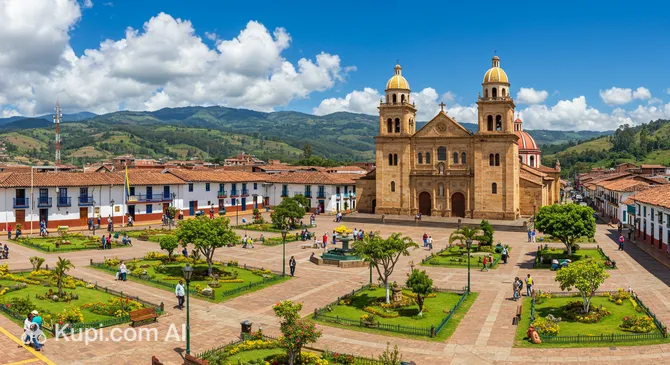
Sincelejo is the heart of the Colombian department of Sucre, a city with the unmistakable flair of the Caribbean region. While it is not a mecca for mass tourism, its authentic atmosphere and loyalty to tradition make it a noteworthy destination for those wanting to see the real life of northern Colombia. The city is famous for its hospitality and close ties to its roots, which are evident in every element of the local culture.
Located in the north of the country, the city has about 286,000 residents. Thanks to its rich historical heritage, dating back to 1535, Sincelejo has evolved from a small settlement founded by the Spanish conquistador Pedro de Heredia into an important cultural and administrative center for the region. The landscape here is predominantly flat, making walks through the city center easy and pleasant.
Sincelejo. Illustration.
Source: Kupi.com AI
The main pride of the locals is the musical genre of porro, whose infectious rhythms accompany every celebration. In Sincelejo, you won't find pretentious tourist glitz; instead, you can immerse yourself in a world of family traditions, vibrant street festivals, and sincere warmth. Visiting this city is an invitation to get to know the everyday life of Colombia, its rhythms, and its flavors.
Weather Overview
The climate of Sincelejo is characterized by a typical tropical Caribbean regime. It is warm year-round, with the average air temperature staying steadily around +28°C. The hottest period is considered the beginning of the year, when daytime figures can reach +34°C, and nights remain very warm, around +24°C.
Expect a wet season with heavy rainfall from April to November. May and October are often the wettest months, when downpours can be short but very intense. High humidity during this time requires some acclimatization; however, the city's flat terrain aids in decent air circulation.
The best time to visit Sincelejo is considered to be January and February. During these months, the weather is dry and sunny, and the probability of precipitation is minimal. This is an ideal period for walking, visiting markets, and participating in the street festivals for which the northern part of Colombia is so famous.
Average monthly temperature
Average monthly precipitation
Interesting Facts
The city's name has indigenous roots: translated from the Zenú language, Sincelejo means "Place of Birds."
The city was founded as early as 1535, but it received official status as the capital of the Sucre department much later—in 1908.
Despite being surrounded by the foothills of the Sierra Nevada, Sincelejo is only 160 kilometers from the Caribbean coast.
The city is considered the unofficial capital of porro music—a unique rhythm that emerged at the intersection of European, African, and indigenous traditions.
One of the most vibrant local events is the Pito Atravesao festival, dedicated to the traditional musical instrument of the Zenú people.
How to Get There
Sincelejo's transport accessibility makes it a convenient hub for traveling through the northern part of the country. The main flow of tourists arrives by bus from major cities on the Caribbean coast. You can reach Sincelejo from Cartagena or Barranquilla in about 4 hours using reliable carriers such as Expreso Brasilia.
While the airport within the city itself accepts a limited number of flights, travelers often use Las Brujas Airport in neighboring Corozal, located just 11 km away. Also available is the Alfonso López Pumarejo (SJE) airport, which connects the region with Bogotá. Flight time from the capital is just over an hour, which is significantly faster than the bus journey.
Rail service in this part of the country is practically not used for passenger transport, so cars and buses remain the primary ground transportation. Roads in the region are mostly flat and straight, ensuring a comfortable trip, although minor delays are possible during the rainy season.
Station
Passenger traffic
Distance
Estación del Ferrocarril Montoya
3
198 km
Main Attractions
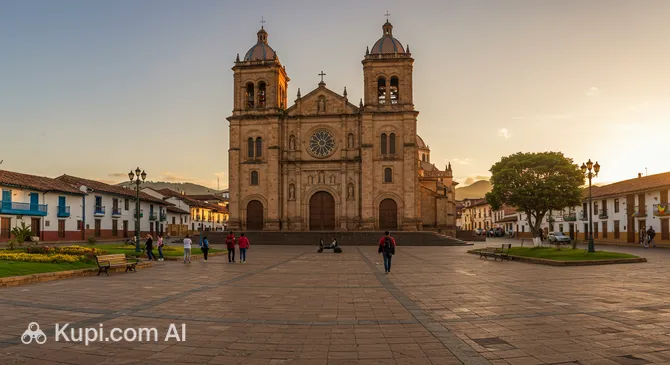
The central point of attraction in the city is the Cathedral of Saint Francis of Assisi. This majestic temple dominates the historical center and serves as the main spiritual symbol of Sincelejo. Its austere yet impressive architecture attracts both the faithful and admirers of colonial style.
Cathedral of St. Francis of Assisi. Illustration.
Source: Kupi.com AI
Traveler photos:
Another significant spot on the city map is Plaza de Majagual. This legendary space is where the culture of the Sucre region comes to life. It is here that the largest folk celebrations take place, and the square itself is considered the cradle of traditional porro music, which echoes here during every holiday.
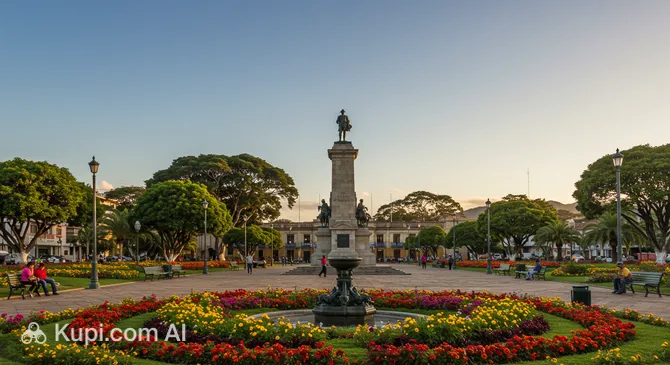
For those seeking peace and shade on a hot tropical day, Santander Park is the perfect fit. This cozy green oasis in the very heart of Sincelejo allows you to slow down for a moment and observe the leisurely pace of local life. The park is surrounded by administrative buildings and shops, making it a convenient resting point during a walk.
Santander Park. Illustration.
Source: Kupi.com AI
Traveler photos:
Local Cuisine
The gastronomy of Sincelejo is a vibrant mix of Caribbean traditions, where local agricultural products and catches from nearby rivers play the leading role. Be sure to try arroz con coco (sweetish coconut rice) and sancocho—a hearty stew with meat and vegetables that is considered a staple of the local lunch.
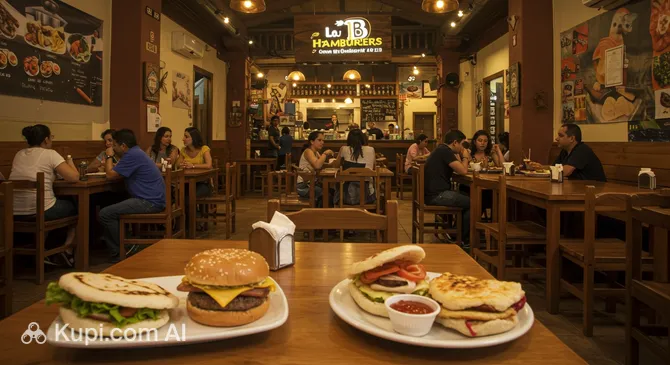
Proximity to the Sinú River provides the city with an abundance of fresh fish, which is most often served fried with crispy patacones. To explore modern flavors, stop by Matte Café, which serves magnificent Colombian coffee, or try the popular street food at La B Hamburgers.
La B Hamburgers. Illustration.
Source: Kupi.com AI
Traveler photos:
The food culture in the city is centered around central markets and family restaurants where a relaxed atmosphere prevails. Rushing is not the norm here, and a meal is often accompanied by conversation with the friendly establishment owners. As a refreshing drink, locals prefer tropical fruit juices, which are always in abundance here.
Travel Tips
Visiting Sincelejo is a great way to discover Colombia in its most sincere and traditional form. To ensure your trip is comfortable and leaves only pleasant impressions, use these practical tips.
Clothing and essentials: Choose light clothing made of natural fabrics, as the city is always hot and humid. Don't forget comfortable walking shoes and sunglasses.
Transport: It is best to use taxis for getting around the city. It is inexpensive and eliminates the need to navigate confusing bus routes.
Finances: The official currency is the Colombian peso (COP). Major shopping centers accept cards, but for markets and small cafes, be sure to have cash with you.
Health and safety: Use insect repellent and drink only bottled water. Follow standard precautions: do not keep valuables in plain sight and avoid unlit outskirts after dark.
Communication: English is not widely spoken here, so a basic set of Spanish phrases or a translation app will significantly ease communication with locals.
Local etiquette: Residents of Sincelejo are very friendly and appreciate a polite greeting. A smile and a kind "Buenos días" will open many doors for you.
What to avoid: You should not photograph people without their permission, especially in rural areas or markets. Also, try not to display expensive equipment in crowded places.
Special tip: If your visit coincides with a local festival, be sure to try and see a performance by porro dancers—it is a sight you will never forget.
Following these simple rules will help you feel at home in this welcoming Caribbean city and enjoy its unique atmosphere.
Entertainment & Nightlife
Nightlife in Sincelejo is intimate and very authentic. Most activity is concentrated in the city center, where bars and discos often feature live music. The primary entertainment for locals and visitors remains cultural festivals, accompanied by dancing and street festivities. During such times, especially during the Corozal Carnival, the entire region transforms into one large festive venue.
For daytime leisure and family outings, modern shopping centers are ideal. Guacarí Shopping Park and Viva Sincelejo Shopping Center offer a wide range of entertainment, from cinemas to children's play areas. These places serve as magnets for the city's residents, providing comfortable conditions for relaxation in air-conditioned environments.
Guacarí Shopping Park. Illustration.
Source: Kupi.com AI
Traveler photos:
If you are looking for a more relaxed way to spend your time, it's worth stopping by cozy coffee shops like Matte Café, where you can feel the slow rhythm of provincial life over a cup of excellent Colombian coffee. Overall, entertainment in Sincelejo is closely tied to traditions of socializing and family leisure, and for larger clubs, travelers usually head to neighboring Cartagena or Barranquilla.
Parks & Museums
One of the most notable green spaces in the city is the Park of Flags. This well-maintained open space serves as a place for strolls and symbolizes the residents' pride in their region. Due to its location, the park is a popular meeting point and a spot for quiet outdoor relaxation.
The natural charm of the Sucre region is best revealed on the banks of the Sinú River. While Sincelejo itself does not have massive museum complexes, the role of an "open-air museum" is played by its squares and old streets, where architecture and monuments tell the story of the city's founding and growth. For family leisure, city residents often choose small parks in the center, such as Santander Park, where tropical trees provide much-needed shade.
Cultural life here is more focused on festivals and living traditions than on static exhibits. Nevertheless, a walk through the central blocks will allow you to appreciate the scale of the Cathedral and other historical buildings that carefully preserve the heritage of past centuries. For a deeper immersion into the region's history, locals often recommend visiting nearby craft centers.
Getting Around
Public transport in Sincelejo consists mainly of a network of buses and small minibuses known locally as busetas. They run along the main city arteries, connecting the center with the outskirts and neighboring municipalities. This is the most affordable way to get around, though one should be prepared for the fact that during peak hours, buses can be overcrowded and traffic slows down due to congestion.
Taxis are the most comfortable alternative for tourists. Cars can easily be found on the streets or called via mobile apps. The cost of trips within the city is fixed and quite affordable. Since Sincelejo has a compact layout and flat terrain, many short distances in the center are convenient to cover on foot.
The city has no metro or tram lines, which is typical for Colombian provincial centers. Most locals also actively use motorcycles and bicycles. For travelers planning trips to neighboring cities, there is a terminal on the outskirts from which suburban and intercity buses depart regularly.
Accommodation
Accommodation options in Sincelejo are primarily geared toward business travelers and those planning a short-term visit to the region. The bulk of the lodging consists of mid-range hotels (2–3 stars) located in the central part of the city. They offer a basic set of amenities and convenient access to the main administrative and commercial hubs.
For tourists who prefer a more homelike atmosphere or plan to stay long-term, apartments are available and can be booked through international online services. There are no luxury resort complexes in the city itself, as it functions as a regional center rather than a beach resort.
When planning a trip, it is worth considering the local festival calendar. During major holidays, the demand for housing spikes, so it is recommended to book a room several weeks before your visit. The general price level for accommodation in Sincelejo remains very affordable compared to the popular tourist hubs on the coast.
Nearby Cities
Sincelejo serves as an excellent starting point for exploring the colorful surroundings of the Sucre department. Just 10 kilometers from the city lies Morroa—a small settlement known nationwide for its master makers of traditional hammocks. Visiting this town allows you to see the process of hand-weaving, which has remained unchanged for centuries.
Only 11 kilometers away is Corozal, which attracts visitors with its bustling markets and historical atmosphere. It is also worth visiting Sampués, famous for its craft workshops where the renowned "vueltiao" braided hats—one of the main symbols of Colombia—are created.
For those ready for a longer trip, the drive to Cartagena takes about 4 hours, opening up access to beaches and the great architectural heritage of the Caribbean. Exploring the nearby towns will allow you to truly feel the soul of the Colombian province.
Shopping & Souvenirs
Shopping in Sincelejo offers an interesting blend of modern retail and traditional markets. The main place for purchasing clothing, electronics, and international brands is Guacarí Shopping Park. This is a modern complex with comfortable relaxation areas and a wide selection of shops, which is very popular among locals.
Guacarí Shopping Park. Illustration.
Source: Kupi.com AI
Traveler photos:
Another important shopping destination is the Viva Sincelejo Shopping Center. Here you can find not only shops but also supermarkets, which is convenient for travelers needing to restock supplies on the road. Both centers offer air-conditioned spaces, which is significant given the tropical heat.
For authentic souvenirs, it is best to head to the central markets or specialized craft shops. The most valuable purchases will be Zenú culture items, woven accessories, and, of course, the famous Colombian coffee. Look for items featuring porro music symbols—it's a unique detail reflecting the soul of Sincelejo.