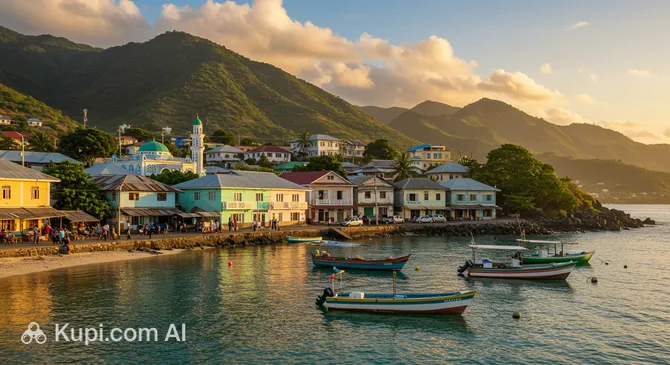
Shopping in Ouani offers a genuine immersion into the daily life of Anjouan rather than a high-end retail experience. The town does not feature luxury boutiques or sprawling commercial centers; instead, it is characterized by small, family-run businesses and vibrant open-air trade. For visitors, this is an excellent opportunity to purchase authentic local products directly from producers and to interact with the friendly residents in a relaxed, unhurried atmosphere.
The main commercial activity is concentrated along the primary road that runs through the town, connecting the airport to the center. Here, you will find a variety of "dukas"—small general stores that sell everything from groceries and toiletries to clothing and household items. This strip serves as the town's shopping artery, where locals stop to pick up daily necessities. It is a bustling area, especially in the late afternoon, offering a glimpse into the island's slow-paced but active commerce.
Travelers looking for large shopping malls will not find them in Ouani. The retail landscape is traditional, relying on standalone shops and "superettes" (mini-markets) rather than complex shopping centers. For a slightly wider selection of goods, electronics, or imported items, locals and visitors often make the short trip to the nearby capital, Mutsamudu. However, for basic supplies and unique local finds, the stores in Ouani are more than adequate.
The heart of the local shopping scene is undoubtedly the market. While smaller than the main bazaar in the capital, Ouani's market is a sensory delight, filled with the colors and scents of the tropics. It is the best place to find fresh produce, including mounds of green coconuts, ripe mangoes, and bananas. In the mornings, the fish market is particularly lively, with fishermen selling their catch of tuna and grouper fresh from the ocean. This is where the true pulse of the town beats, and wandering through the stalls is a cultural experience in itself.
When it comes to souvenirs, Ouani is perfectly positioned for purchasing the island's most famous export: essential oils. As a hub for the perfume trade, the town and its surroundings are the best places to buy high-quality ylang-ylang oil directly from the source. Small bottles of this fragrant oil, along with locally grown vanilla pods and spices like cloves and cinnamon, make for lightweight and meaningful gifts. Handicrafts such as woven baskets and hats made from coconut palm leaves are also available and support local artisans.
Practical aspects of shopping here require some planning. Stores typically open around 8:00 AM and close by 6:00 PM, though many smaller shops may stay open later into the evening. It is important to note that businesses often close for a few hours on Friday afternoons for prayers. Cash is the absolute rule for transactions; credit cards are almost never accepted in shops or markets. You should carry sufficient Comorian Francs (KMF) in small denominations. While prices in stores are fixed, bargaining is common and expected in the markets, where a friendly negotiation is part of the buying process.
Regarding tax-free shopping, tourists should not expect VAT refund schemes or tax-free counters in Ouani. The system is informal and geared towards local consumption. Prices are generally inclusive of any applicable taxes, and the cost of goods is relatively low compared to international standards, making the lack of tax refunds a minor issue for most travelers.