Support

Moroni

About

Welcome to Moroni, the captivating capital and largest city of the Comoros. Situated on the western coast of the island of Grande Comore, this bustling port city serves as the primary gateway to the archipelago's natural wonders and cultural treasures. With a population of approximately 111,000 residents, Moroni offers a lively yet laid-back atmosphere that perfectly captures the unique island spirit.

The city is renowned for its rich cultural tapestry, seamlessly weaving together African, Arab, and French influences. Visitors strolling through the streets will find that the history of Moroni is deeply etched into its architecture, from the stone buildings of the old town to the traditional dhows bobbing in the harbor. The city retains a romantic, old-world charm, particularly in the Medina, where narrow alleyways invite exploration and discovery.
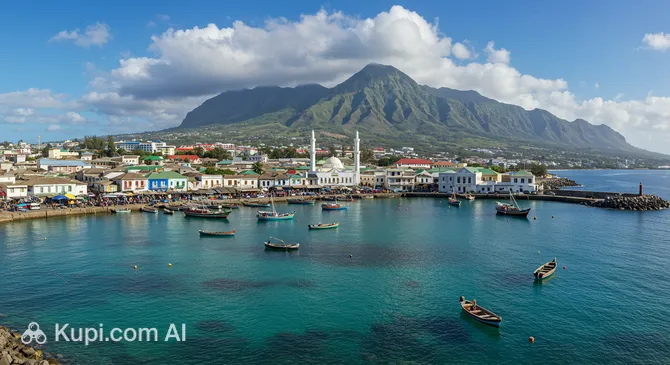
Moroni. Source: Kupi.Binoculars

Geographically, Moroni is dramatic and beautiful, resting at the foot of Mount Karthala, one of the world's largest active volcanoes. This imposing volcanic backdrop contrasts stunningly with the azure waters of the Indian Ocean. The tropical maritime climate ensures warm temperatures year-round, making it a pleasant destination for travelers seeking sun and relaxation.

Key attractions include the iconic Ancienne Mosquée du Vendredi (Old Friday Mosque), a beautiful structure overlooking the sea that dates back to the city's early days. The vibrant Volo Volo Market is another must-visit spot, offering a sensory explosion of colorful spices, tropical fruits, and local handicrafts. Exploring these sites provides an authentic glimpse into the daily life and traditions of the Comorian people.

Whether you are a nature enthusiast ready to hike the volcano or a culture seeker eager to wander through historic neighborhoods, Moroni promises an unforgettable experience. It is the perfect starting point for your Comorian adventure, welcoming every visitor with open arms and warm hospitality.

Weather Overview

Moroni experiences a tropical climate with consistent warmth throughout the year, making it an inviting destination regardless of the season. For a more detailed breakdown to help plan your activities, you can consult the guide to weather in Moroni. Generally, the city enjoys average monthly temperatures that range comfortably between 22.4°C and 25.8°C.

The climate follows a pattern of wet and dry periods. Expect warm conditions with frequent rainfall from January to April, where precipitation can occur on up to 26 days each month. Conversely, the season from July to October is typically drier and slightly cooler, with average lows dipping to around 21°C and significantly fewer wet days, creating excellent conditions for exploring the island.

Interesting Facts

Beyond the scenic harbor and vibrant markets, Moroni holds fascinating stories that are often overlooked by casual visitors. Uncovering these details reveals the city's deep connection to both the ocean's mysteries and the earth's fiery power.

  • Home of the "Living Fossil": The National Museum in Moroni houses a rare, preserved specimen of the Coelacanth. This prehistoric fish, known locally as "Gombessa," was believed to be extinct for millions of years before being rediscovered in the waters surrounding the Comoros.

  • A Foundation of Fire: The city is literally built upon the legacy of Mount Karthala. Large sections of the coastline and the foundations of historic buildings are formed from solidified black lava flows, creating a dramatic contrast against the white sands and turquoise ocean.

  • Natural Climate Control: The traditional architecture in the Medina utilizes porous coral rag and volcanic stone for construction. This ancient building technique naturally insulates the structures, keeping the interiors surprisingly cool even during the warmest tropical days without modern air conditioning.

  • The Perfumed Port: As the economic hub of the "Perfume Islands," Moroni is the center for the ylang-ylang trade. During the harvest and distillation seasons, the air around the port and warehouses is often thick with the sweet, floral scent of this essential oil, which is a key ingredient in many luxury perfumes worldwide.

How to Get There

Reaching the capital of the Comoros is an exciting start to your island adventure. Most international visitors arrive by air, landing directly on the island of Grande Comore. For a comprehensive guide on all travel options and logistics, you can read more about how to get to Moroni and plan your journey accordingly.

The primary gateway for travelers is the Prince Said Ibrahim International Airport (IATA: HAH). Located approximately 19 km from the city center, this international airport connects the archipelago with major regional hubs in East Africa and the Indian Ocean. Upon arrival, the journey to Moroni takes about 50 minutes by taxi or shuttle bus, offering scenic views of the island's lush landscapes along the way. As the main entry point, it handles a significant portion of the country's air traffic.

Travelers exploring the wider region might also pass through Ouani (IATA: AJN) or Dzaoudzi Airport (IATA: DZA). Ouani is situated in the city of Ouani on the neighboring island of Anjouan, about 137 km from Moroni, while Dzaoudzi Airport serves Mamoudzou, approximately 252 km away. These airports are crucial for inter-island connectivity, though reaching Moroni from them requires a connecting domestic flight or a sea crossing.

For clarity, here is a summary of the main airports in the vicinity:

Airport Name City Passenger Traffic Km from City
Dzaoudzi Airport Mamoudzou Large 252.0
Prince Said Ibrahim International Airport Moroni Medium 19.0
Ouani Ouani Small 136.7

Main Attractions

While Moroni is a compact capital, it serves as the cultural and geographical heart of Grande Comore. The city offers a mix of historic architecture, bustling local life, and access to some of the island's most dramatic natural features. Here are the main attractions you should not miss during your visit.

Dominating the island's interior, Mount Karthala is a must-visit for adventure seekers. As one of the largest active volcanoes in the world, it offers a challenging but rewarding trekking experience. Hikers who make the ascent are treated to changing landscapes, moving from dense tropical forests to lunar-like terrain near the summit. The massive caldera at the top provides a breathtaking view that highlights the raw power of nature shaping the Comoros.

For a glimpse into the city's heritage, the Ancienne Mosquée du Vendredi (Old Friday Mosque) is the architectural jewel of the Medina. Built using coral stone, this historic structure sits right on the waterfront, its white arches contrasting beautifully with the dark volcanic rocks and the blue Indian Ocean. It is a serene spot that reflects the island's strong Arab and Swahili influences, offering a perfect backdrop for photography.

To truly feel the pulse of the city, travelers should head to the Volo Volo Market. This is the largest market in the archipelago and a sensory wonderland. The narrow aisles are packed with vendors selling fragrant spices like vanilla and cloves, tropical fruits, and the vibrant chiromani fabrics worn by local women. It is the best place to interact with residents and find authentic souvenirs to take home.

Just a short distance from the city center lies Itsandra Beach, a favorite spot for both locals and tourists. Unlike the rocky volcanic coastline that characterizes much of the island, Itsandra offers a stretch of soft white sand and calm, turquoise waters suitable for swimming. The area is also historically significant, home to the ruins of an ancient fortress, allowing visitors to combine relaxation with a touch of history.

Local Cuisine

The culinary scene in Moroni is a delightful reflection of the island's multicultural heritage, blending African, Arab, and French influences with the bountiful produce of the Indian Ocean. Food lovers will find that the local cuisine is characterized by the generous use of aromatic spices like cloves, cinnamon, and cardamom, which are grown locally, alongside the staple ingredient of coconut milk, which adds a creamy richness to many traditional recipes.

Seafood is the undisputed star of the menu in Moroni. A must-try delicacy is the famous Langouste à la Vanille (Lobster with Vanilla Sauce). This signature dish perfectly marries the fresh catch of the day with the island's renowned vanilla, creating a unique savory-sweet flavor profile that is hard to find elsewhere. Another popular meal is Pilaou, a festive rice dish cooked with meat and spices, often served at celebrations but readily available in local eateries.

For a taste of everyday life, visitors should explore the city's street food culture. Mkatra Foutra, a type of yeast-raised coconut bread, is a beloved breakfast item or snack, often enjoyed with tea. As the sun sets, the aroma of grilled meats fills the air near the markets and waterfront, where brochetteries (kebab stalls) serve sizzling skewers of chicken or beef, usually accompanied by fried plantains or cassava.

When it comes to beverages, fresh tropical juices are abundant and refreshing, with mango, pineapple, and jackfruit being local favorites. Tea drinking is also an integral part of the social culture. While alcohol is not widely consumed due to local customs, it is available for tourists in major hotels and select restaurants. Dining in Moroni ranges from casual open-air stalls near the markets to more established restaurants along the coast, where you can enjoy your meal with a view of the ocean.

Travel Tips

Visiting Moroni is an adventure into a unique island culture, but a little preparation goes a long way to ensure a smooth trip. Here are some practical tips to help you navigate the Comorian capital with ease and respect for local customs.

  1. Clothing and Gear: As Moroni is a conservative Muslim city, modesty is essential. Both men and women should aim to cover their shoulders and knees while exploring the town. Lightweight, breathable fabrics like cotton or linen are best for the tropical humidity. Don't forget comfortable walking shoes for the uneven streets and a universal travel adapter (Type C or E plugs) for your electronics.

  2. Transportation: There is no metro or train system in the city. The most common way to get around is by shared taxis, which are affordable and run frequently along main routes. You can flag them down from the roadside. Car rentals are available if you prefer independence, but be prepared for narrow roads and traffic congestion in the city center.

  3. Finances: The local currency is the Comorian Franc (KMF). Cash is king in Moroni, and credit cards are rarely accepted outside of large hotels and a few upscale restaurants. ATMs are available but can sometimes be out of service, so it is highly recommended to bring Euros (which are easily exchanged) as a backup.

  4. Health and Safety: Moroni is generally a safe city for tourists, but standard precautions against petty theft should be taken in crowded markets. Pharmacies are available in the city center, though 24-hour service is rare. It is crucial to drink bottled water only and to pack effective mosquito repellent, as malaria is a risk in the region.

  5. Communication: While French is an official language and widely used in business and tourism, the heart of the city speaks Shikomoro. English is not widely spoken, so having a translation app or a phrasebook is very helpful. You can easily purchase a local SIM card from providers like Telma or Huri to stay connected.

  6. Local Etiquette: Greetings are taken seriously here; a polite "Habari" (Hello) or "Assalam Alaykum" is the proper way to start any interaction. Always ask for explicit permission before taking photos of people, especially women, as privacy is highly valued.

  7. What to Avoid: Public displays of affection, such as kissing or hugging, are considered inappropriate and should be avoided. Additionally, alcohol is not sold in regular supermarkets and should only be consumed in designated hotels or private areas, never on the street.

  8. Shopping Hours: Be aware of the "siesta" culture. Many shops and businesses in Moroni close for a long lunch break, typically from around 12:00 PM to 2:30 PM, and reopen in the late afternoon. Plan your shopping and errands accordingly.

By keeping these practical points in mind, you will be well-equipped to enjoy everything Moroni has to offer. The city's relaxed pace and friendly residents make it a welcoming destination, and showing respect for local traditions will surely result in a warmer reception.

Entertainment & Nightlife

Entertainment and nightlife in Moroni reflect the city's conservative and traditional character. You will not find a rowdy clubbing scene or neon-lit strips here; instead, the evening atmosphere is laid-back, centered around socializing, dining, and enjoying the cool ocean breeze. The nightlife is primarily concentrated in hotel bars and a few select restaurants that cater to international visitors and the expatriate community.

The most active area after dark is the Corniche and the waterfront near the Old Port. As the sun sets, this area becomes a popular spot for locals to stroll and chat. For a more classic nightlife experience with music and drinks, travelers often head to the Hôtel Itsandra (Golden Tulip). Its bar is a favorite for sipping cocktails while watching the sunset or enjoying a quiet evening in a sophisticated setting. Another notable venue is Club des Amis, which offers a friendly environment where you can enjoy a drink, play billiards, and mingle with a mix of locals and expats.

The atmosphere in these venues is casual yet respectful. There is rarely a strict dress code, but "smart casual" is the best approach, and modesty should still be observed. Opening hours for bars typically run until around midnight or 1:00 AM on weekends, but the city generally sleeps early. Since alcohol is not widely sold due to religious customs, expect to pay a premium for drinks at these licensed establishments compared to local non-alcoholic beverages.

When planning a night out, safety and logistics are important. The streets of Moroni can be quite dark after sunset, so walking long distances is not recommended. It is best to arrange a taxi through your hotel or the venue you are visiting. Taxis are affordable and the safest way to travel between the city center and the hotel districts in Itsandra. Always carry cash (Comorian Francs), as cards are rarely accepted for small tabs.

During the day, entertainment options are more culturally oriented. While you won't find large amusement parks or multiplex cinemas, the National Museum of Comoros is a key cultural hub worth visiting for history enthusiasts. For a more active day, many visitors organize boat excursions from the harbor or spend time exploring the artisanal shops. The city's charm lies in its slow pace, inviting you to relax rather than rush from one attraction to another.

Parks & Museums

While Moroni is not a city defined by manicured botanical gardens or vast municipal parks in the traditional sense, it is a capital deeply embraced by nature, sandwiched between the imposing Mount Karthala and the Indian Ocean. The city's cultural heart beats strongest in its museums and historic quarters, where the legacy of the sultans and the mysteries of the sea are preserved.

For those seeking cultural insight, the National Museum of Comoros (part of the CNDRS) is the premier institution in the city. Located near the waterfront, this museum is a treasure trove of Comorian heritage. Its most famous exhibit is a preserved specimen of the Coelacanth, the "living fossil" fish that put the Comoros on the scientific map. Beyond marine biology, the museum offers fascinating collections of cultural artifacts, including traditional pottery, historical documents from the sultanate era, and displays explaining the volcanic geology of the island. It is an essential stop for anyone wanting to understand the depth of the archipelago's history.

In terms of green spaces and open areas, the city's "park" life revolves around the Corniche and the harbor area. This waterfront promenade acts as the city's living room, where locals gather to enjoy the cool ocean breeze and watch the sunset. While not a garden, it offers a refreshing escape from the dense streets of the Medina. For a more rugged natural experience nearby, the cliffs of Iconi, located just a short drive south of Moroni, provide a dramatic natural setting rich in history, known for the tragic "Suicide of the Women" legend during pirate raids.

The architectural soul of Moroni lies in its Medina and its historic religious sites. The Badjanani Mosque (Old Friday Mosque) is a masterpiece of coral stone architecture, standing guard by the sea. Its intricate carvings and whitewashed walls are a testament to the city's Arab-Swahili roots. Wandering through the labyrinthine alleyways of the old town reveals centuries-old stone buildings with carved wooden doors, offering a living museum experience where the past coexists with the present.

For an authentic insider experience, take a walk towards the Old Port to observe the traditional dhow shipbuilders at work. Watching these skilled craftsmen construct wooden boats by hand, using techniques passed down through generations, offers a unique glimpse into the maritime culture that still powers the local economy.

Getting Around

Navigating Moroni is a straightforward and authentic experience, though it differs significantly from the structured public transport systems found in major global metropolises. Travelers should be aware that there are no subways, trams, or large municipal bus networks in the city. Instead, the local transport system relies almost entirely on a network of shared taxis and minibuses, which serve as the lifeline for daily commuting.

The most common way to get around is by using shared taxis. These are typically standard passenger cars that pick up multiple passengers heading in the same direction. You can easily identify them, or simply flag down a passing car; if the driver has space and is going your way, they will stop. For travel to the outskirts or neighboring villages, larger minibuses, often referred to as "taxi-brousse," gather at designated transport hubs (gares routières), usually located near the main market areas.

The payment system is exclusively cash-based. There are no travel cards, mobile apps, or electronic ticket machines. Fares are fixed for specific zones within the city and are very affordable. You pay the driver directly upon reaching your destination. It is highly recommended to carry small denominations of the local currency, as drivers often do not have change for large bills. If you wish to hire the taxi for a private journey without sharing, you must ask for a "course," which will cost significantly more than a standard shared seat.

Public transport generally operates from early morning until sunset. After dark, the frequency of shared taxis drops sharply, and finding a ride can become difficult. If you plan to be out late, it is advisable to arrange a private pick-up in advance or ask your hotel or restaurant to call a trusted driver for you. There is no need to validate tickets; the transaction is informal and relies on verbal agreement.

For those who prefer alternatives, walking is a viable and pleasant option for exploring the compact city center, particularly around the Medina and the Old Port. Car rentals are available for tourists who want more independence, but be prepared for narrow streets and a lack of formal road signage. Ride-sharing apps are not currently active in the city, so relying on the traditional taxi system or your own two feet remains the most practical way to discover Moroni.

Accommodation

Accommodation in Moroni is relatively limited compared to major global tourist destinations, yet it offers a decent variety of options to suit different needs. The hospitality landscape primarily consists of mid-range hotels and small, locally run guesthouses. There are also a few upscale resorts that cater to international standards, providing a comfortable base for business travelers and tourists alike. Visitors should not expect a wide array of massive international hotel chains, but rather a selection of establishments that reflect the island's modest and welcoming character.

The choice of location largely depends on the type of experience you seek. The Itsandra district, located a short drive north of the city center, is widely regarded as the best area for tourists. It offers a quieter, more resort-like atmosphere with access to private beaches and ocean views. Alternatively, staying in the City Center or near the Old Port places you in the heart of the action. This area is convenient for those who want to be within walking distance of the Medina, the Volo Volo Market, and the historic Friday Mosque, although it can be busier and noisier.

For travelers seeking the highest level of comfort, the Golden Tulip Grande Comore Moroni Resort & Spa is the standout option. Located in Itsandra, it is known for its private bungalows, swimming pool, and direct sea access. Another notable establishment is the Retaj Moroni Hotel, which is frequently chosen for its reliable amenities and strategic location. These hotels are generally the most equipped to handle international guests, offering services like air conditioning, Wi-Fi, and on-site dining.

A crucial tip for booking accommodation in Moroni is to reserve well in advance. Due to the limited number of high-quality rooms, the best hotels can fill up quickly, particularly during the dry season (July to October) and local holidays. While the major hotels can be booked via standard online platforms, many smaller guesthouses may still rely on direct email or phone communication to confirm reservations.

Regarding costs, prices generally span from budget to upper-mid-range. It is important to note that value for money might differ from what you are used to elsewhere, with prices sometimes reflecting the scarcity of options rather than sheer luxury. When it comes to payment, while the top hotels accept credit cards, many smaller establishments and guesthouses operate exclusively with cash (Comorian Francs or Euros), so it is essential to clarify payment methods before you arrive.

Nearby Cities

Nearby Cities:

While Moroni serves as the perfect base for your Comorian adventure, the surrounding region and neighboring islands offer a wealth of experiences waiting to be discovered. Exploring these nearby towns allows travelers to witness the diverse landscapes of the archipelago, from the lush forests of Mohéli to the historic citadels of Anjouan. Since the Comoros is an island nation, reaching some of these destinations may involve a scenic drive along the coast or a short inter-island journey by boat or plane.

The closest significant town is Mandza, located just a short distance away on Grande Comore, making it an accessible option for a day trip. For those willing to venture further, Fomboni on the neighboring island of Mohéli offers a tranquil atmosphere, while Mutsamudu on Anjouan is renowned for its narrow streets and historic architecture. Each city presents a unique facet of Comorian culture and daily life.

Here is an overview of cities near Moroni that are worth considering for your itinerary:

City Name Distance from Moroni Population
Mandza 32 km 21,000
Fomboni 83 km 18,277
Mutsamudu 135 km 30,000
Ouani 136 km 22,501
Domoni 152 km 16,276

Shopping & Souvenirs

Shopping in Moroni is a vibrant and authentic experience that centers less on high-end luxury brands and more on local craftsmanship, aromatic treasures, and traditional markets. The city offers a colorful glimpse into Comorian culture through its commerce, where the scent of exotic spices hangs in the air and the bustling energy of daily life greets every visitor. For tourists, it is an excellent opportunity to discover unique island products that cannot be found anywhere else.

The primary shopping destination in the city is the area surrounding the Volo Volo Market. Located just north of the city center, this sprawling marketplace is the commercial heartbeat of Grande Comore. It is a maze of stalls and vendors selling everything from fresh tropical produce to imported electronics. For a more historic shopping atmosphere, the narrow alleyways of the Medina (Old Town) are lined with small boutiques and workshops where artisans craft and sell jewelry, textiles, and traditional goods in a setting that has remained largely unchanged for centuries.

Travelers accustomed to vast, modern shopping complexes should be aware that Moroni does not feature large western-style shopping malls. Instead, you will find smaller shopping centers and independent stores scattered throughout the city, particularly along the main roads leading to the port. These shops typically stock imported clothing, household goods, and general merchandise. The charm of shopping here lies in the small, family-run establishments rather than chain stores.

Volo Volo Market deserves special mention as the most essential stop for any shopper. It is the best place to immerse yourself in the local atmosphere. Here, you can bargain for fresh fruits like jackfruit and lychees, or browse through rows of colorful fabrics. It is lively, sometimes chaotic, and incredibly photogenic, offering a true taste of the island's spirit.

When it comes to souvenirs, Moroni offers several distinct items that make for perfect gifts. As the capital of the "Perfume Islands," the top buy is undoubtedly ylang-ylang essential oil and locally grown vanilla pods, which are among the highest quality in the world. Visitors should also look for Chiromani, the traditional bright red and white cloth worn by local women, and Kofia, the intricate embroidered hats worn by men. Additionally, the city is known for its skilled goldsmiths; you can find beautiful, intricate gold and silver jewelry, often featuring filigree designs, in the jewelry shops of the Medina.

Practical information is key for a smooth shopping experience. Cash is king in Moroni, and very few market vendors or small shops accept credit cards. You will need to carry Comorian Francs (KMF). Store hours can be somewhat flexible, but generally, shops open around 8:00 AM and close by 5:00 PM or 6:00 PM. Be mindful of the midday break; many businesses close for a "siesta" between 12:00 PM and 2:30 PM. Also, on Fridays, many shops may close for the main congregational prayer around noon and reopen later in the afternoon.

Tax-free shopping or formal VAT refund schemes for tourists are not standard practice here. Prices in markets are often negotiable, and bargaining is expected and accepted, particularly at Volo Volo. However, in established boutiques, supermarkets, and pharmacies, prices are usually fixed.

Nearby cities

Reached the end of the page?

That means the route is fully explored