Support

Mamoudzou

About

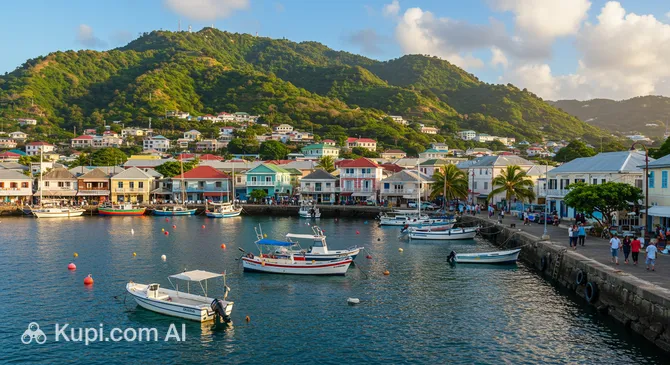
Welcome to Mamoudzou, the vibrant capital and administrative center of Mayotte. Situated on the eastern coast of Grande-Terre, this bustling city serves as the economic heartbeat of the region. With a population of approximately 32,000 residents, it offers a lively atmosphere where traditional island culture meets modern influences, making it an essential starting point for any traveler exploring the archipelago.

The city is beautifully positioned facing the island of Petite-Terre, separated by a scenic channel that defines the local geography. The history of Mamoudzou has shaped it into a diverse community where visitors can experience a unique blend of heritage and traditions. The tropical climate ensures warm temperatures year-round, perfect for enjoying the city's coastal charm and lush surroundings.

Mamoudzou. Source: Kupi.Binoculars

Travelers are often drawn to the colorful Mamoudzou Market, a sensory delight filled with exotic spices, fresh tropical fruits, and local handicrafts. It is the perfect place to immerse yourself in the daily life of the locals. Additionally, the city's marina acts as a gateway to one of the world's largest closed lagoons, offering easy access to boat excursions and water activities. For those seeking panoramic views, the nearby hiking trails provide breathtaking perspectives of the city and the azure waters beyond.

Whether you are here to explore the urban energy or to embark on an island adventure, Mamoudzou provides a dynamic and welcoming base. Its mix of convenience and natural beauty creates a memorable backdrop for your stay in this fascinating part of the Indian Ocean.

Weather Overview

Mamoudzou experiences a warm, tropical climate with temperatures that remain remarkably consistent throughout the year. The city's location ensures that it never gets truly cold, with average monthly temperatures fluctuating only slightly between 24.6°C and 27.5°C. Travelers can generally expect warm days regardless of when they visit, though the humidity and rainfall patterns vary significantly between seasons.

The year is divided into a wet and a dry season. From November through April, the weather in Mamoudzou becomes much more humid and rainy. January is particularly wet, recording up to 25 rainy days, making it the peak of the wet season. Conversely, the period from June to October brings drier conditions and slightly cooler air, with July and August seeing as few as 2 to 3 wet days per month. Expect consistent warmth year-round with a distinct rainy season in the early months and sunny, drier conditions during the middle of the year.

Interesting Facts

Beyond the main attractions, Mamoudzou holds many fascinating secrets that reveal the depth of its island character. Here are a few unique insights into the city's history and daily life that often surprise visitors.

  • A Recent Capital: Although it is the economic heart of the island today, Mamoudzou only officially became the capital of Mayotte in 1977. Before this date, the administrative center was located in Dzaoudzi on the neighboring island of Petite-Terre, which explains the unique dual-island dynamic that still defines the region.

  • The Legendary Barge: The city is connected to the neighboring islet by a ferry service known locally as "the barge." This maritime shuttle is not merely transportation but a true social institution where a significant portion of the population crosses paths daily, creating a lively atmosphere on the water from dawn until dusk.

  • Tradition in the Streets: While walking through the city, visitors will frequently see women wearing M'sindzano, a traditional beauty mask made from ground sandalwood and coral. This distinctive yellowish paste serves as both a natural sunscreen and a proud symbol of Mahoran cultural identity.

  • Lagoon Life: Mamoudzou sits on the edge of one of the world's largest closed lagoons. The marine biodiversity is so rich that it is possible to spot sea turtles or dolphins just a short boat ride away from the busy urban marina.

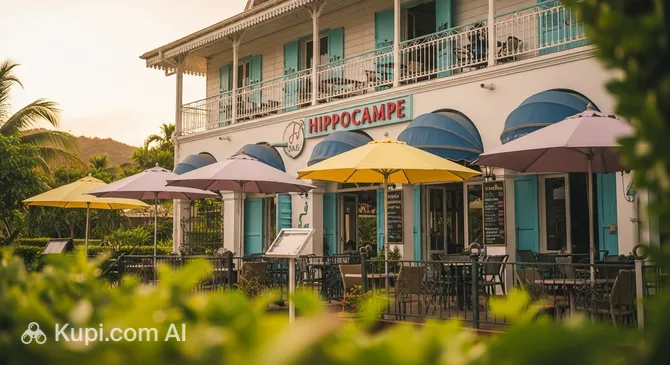
  • Culinary Fusion: The city's waterfront offers a distinct blend of French gastronomy and local spices, best experienced at established venues like the Hippocampe Restaurant. Dining here provides not just local flavors but also a front-row seat to the island's stunning sunsets.

Hippocampe Restaurant. Source: Kupi.Binoculars

How to Get There

Reaching the capital of Mayotte is a unique experience, often involving a scenic approach by air followed by a short maritime crossing. The primary gateway for travelers is Dzaoudzi Airport (IATA: DZA), which serves as the main aviation hub for the region. Located approximately 5.9 km from the center of Mamoudzou, the airport handles a medium volume of annual passenger traffic. The journey to the city typically takes around 30 minutes, a travel time that includes the necessary transfer by taxi and the iconic barge crossing from Petite-Terre to Grande-Terre.

For those navigating the wider Indian Ocean region, other airports may serve as transit points. Prince Said Ibrahim International Airport (IATA: HAH), located in the city of Moroni, is a significant regional hub situated about 254 km away. Additionally, Ouani (IATA: AJN) in the city of Ouani offers connections from approximately 113 km away. While these airports are not on the island of Mayotte itself, they are key nodes in the local air travel network. For a complete overview of travel routes, you can find more about how to get to Mamoudzou in our detailed guide.

For clarity, here is a summary of the main airports:

Airport Name City Passenger Traffic Km from City
Dzaoudzi Airport Mamoudzou Medium 5.9
Prince Said Ibrahim International Airport Moroni Medium 253.8
Ouani Ouani Small 113.0

Main Attractions

Exploring Mamoudzou offers a delightful mix of cultural immersion, historical discovery, and culinary excellence. The city serves as the perfect starting point to understand the island's heritage, with several key sites located within easy reach of the center.

One of the most authentic experiences in the city is a visit to the Mamoudzou Market. Located near the waterfront, this bustling marketplace is the beating heart of the capital. It is a sensory explosion of colors and scents, where stalls are piled high with exotic fruits, vegetables, and the island's famous spices like vanilla and cinnamon. Visitors can also find local handicrafts and colorful fabrics, making it the ideal spot to pick up souvenirs and interact with the friendly local vendors.

For a blend of history and nature, Pointe Mahabou is a must-visit location situated at the entrance of the refreshing wandering trails. This scenic promontory offers spectacular panoramic views of the lagoon and the surrounding coastline. It is also a site of significant historical importance, as it houses the tomb of Sultan Adriantsouly, the last sultan of Mayotte who ceded the island to France. The surrounding park is a peaceful place for a walk, shaded by large trees and frequented by playful lemurs.

After a day of sightseeing, many travelers head to the renowned Hippocampe Restaurant. Considered a landmark in the local dining scene, this establishment is celebrated not just for its food but for its atmosphere. Located by the water, it offers diners the chance to enjoy fresh seafood and French-inspired cuisine while gazing out at the marina. It is an excellent venue to relax and watch the sunset over the lagoon, capping off a day of exploration in the capital.

Local Cuisine

The culinary landscape of Mamoudzou is a delightful reflection of the island's multicultural heritage, blending African, Malagasy, Indian, and French influences into a unique gastronomic experience. The food scene here is characterized by the generous use of local spices, fresh seafood from the lagoon, and tropical produce like coconut, cassava, and plantains. Visitors will find that dining in the capital ranges from casual street-side stalls to elegant waterfront establishments, offering something for every palate.

When exploring the local flavors, you must try Mataba, a traditional dish made from cassava leaves simmered for hours in coconut milk, often served with rice and fried fish. Another staple is Pilao, a festive rice dish cooked with meat (usually chicken or beef) and a rich blend of spices like cardamom, cloves, and pepper. For a quick and popular bite, look for Mabawas, which are grilled chicken wings marinated in spices, widely available at street food stalls and loved by locals for their smoky flavor.

The beverage culture in Mamoudzou is equally refreshing. Due to the abundance of tropical fruits, fresh juices are everywhere, with Baobab juice (locally known as jus de bouye) being a thick, tangy, and nutritious favorite. You might also encounter Trembo, a palm wine that can be consumed fresh and sweet (non-alcoholic) or fermented. While alcohol is not served in all local eateries due to cultural traditions, it is readily available in hotels, expatriate hangouts, and French-style restaurants.

Dining out in Mamoudzou often revolves around "Brochetteries," which are informal open-air spots serving grilled skewers of meat or fish accompanied by fried bananas or cassava. These are perfect for an authentic and affordable meal. For those seeking a more refined dining experience with a view, the Hippocampe Restaurant offers an excellent menu that fuses local ingredients with French culinary techniques, making it a prime location to enjoy fresh lobster or fish tartare by the marina.

Travel Tips

Planning a trip to Mamoudzou is the start of an exciting adventure, but knowing a few local nuances will ensure your journey through this vibrant capital is smooth and respectful. To help you navigate the unique blend of French administration and Comorian culture, here are some essential practical tips for your stay.

  1. Clothing and Gear: Due to the tropical climate, pack lightweight, breathable fabrics like cotton or linen. However, Mayotte is predominantly Muslim, so modesty is important; avoid overly revealing clothing in the city center and villages. Men and women should keep shoulders and knees covered when away from the beach. Bring comfortable walking shoes for the uneven terrain and a sturdy umbrella or raincoat if you are visiting during the wet season (November to April).
  2. Transportation: There is no subway or tram system in Mamoudzou. The most common way to get around is by shared taxis, which are affordable and plentiful. For more independence to explore the island, renting a car is highly recommended, though traffic in the capital can be heavy during rush hours. Don't forget the iconic "Barge" (ferry) that connects Mamoudzou to Dzaoudzi on Petite-Terre; it runs frequently and is the lifeline of local transport.
  3. Finances: As a French overseas department, the official currency is the Euro (€). Credit cards are widely accepted in hotels, supermarkets, and larger restaurants, but you will need cash for street markets, small shops, and taxis. ATMs are readily available throughout the city. Tipping is not mandatory but is always appreciated for good service.
  4. Health and Safety: Pharmacies in Mamoudzou are well-stocked and operate according to French standards. The most important health precaution is protection against mosquitoes, as dengue fever can be a risk; carry strong insect repellent and wear long sleeves in the evenings. While the city is generally welcoming, exercise standard caution: avoid walking alone in unlit or isolated areas at night and keep an eye on your belongings in crowded markets.
  5. Communication: The official language is French, and it is used for all administration and commerce. English is not widely spoken outside of major tourist establishments, so having a translation app or a phrasebook is very helpful. Learning a few words of Shimaore, such as "Jeje" (How are you?), will go a long way in connecting with locals. SIM cards from local providers like SFR or Orange are easy to purchase for data access.
  6. Local Etiquette: Greetings are a crucial part of social interaction in Mamoudzou. Always say "Bonjour" or "Salam" when entering a shop or starting a conversation. It is polite to ask for permission before taking photographs of people, especially elders. Public displays of affection should be kept to a minimum to respect local conservative norms.
  7. What to Avoid: Do not eat, drink, or smoke in public during the daylight hours of Ramadan, as this is considered disrespectful to the fasting local population. Also, avoid wearing swimwear or walking shirtless anywhere other than the designated beaches or your hotel pool.
  8. Market Timing: To experience the Mamoudzou Market at its best, arrive early in the morning, preferably before 10:00 AM. This is when the stalls are most abundant with fresh produce and fish, and the temperature is still pleasant before the midday heat sets in.

By keeping these practical tips in mind, you will be well-prepared to embrace the warmth and rhythm of Mamoudzou. Enjoy the stunning lagoon views, the rich cultural tapestry, and the friendly hospitality that make this island capital so special.

Entertainment & Nightlife

Nightlife in Mamoudzou is distinct from the high-energy club scenes found in other tropical destinations. Here, the evening entertainment is more relaxed, social, and centered around conviviality rather than wild partying. The atmosphere is heavily influenced by the island's conservative culture and the expatriate community, resulting in a scene dominated by lounge bars, restaurant terraces, and hotel venues. The primary hub for evening activities is the Front de Mer (seafront) and the area surrounding the Place Mariage, where locals and visitors gather to enjoy the cooling sea breeze after sunset.

For a classic Mamoudzou evening, many head to the Hippocampe Restaurant. While known for its dining, it also serves as a key social spot where people congregate for sundowners and evening drinks, offering a lively yet laid-back vibe right by the water. Another institution in the city center is the bar at the Hotel Caribou. It is a popular meeting point for professionals and travelers alike, often hosting live music or themed evenings. For those looking for a more spirited atmosphere, venues like Le Bar Fly often attract a crowd looking to dance or enjoy cocktails late into the night.

The dress code in Mamoudzou is generally casual but neat. You will see a mix of casual island wear and smart-casual attire, especially in hotel bars. Most venues close relatively early compared to European standards, with bars typically winding down around midnight or 1:00 AM, though some clubs may stay open later on weekends. Prices for drinks are comparable to those in mainland France, so budget accordingly.

Safety and Transport are crucial considerations for a night out. Public transportation does not operate at night, and hailing a taxi on the street can be difficult after dark. It is highly recommended to have your hotel or the venue call a taxi for you, or to arrange a private transfer in advance. While the main waterfront areas are generally safe during the early evening, it is advisable to avoid walking alone in unlit streets or isolated neighborhoods late at night. Stick to the busy, well-lit zones near the marina and major hotels.

Regarding daytime entertainment, Mamoudzou offers a few cultural and leisure options beyond its natural attractions. The Alpa Joe cinema is the place to catch the latest films, providing a cool retreat from the midday heat. Visitors can also explore local culture through various associations that organize traditional dance performances or visit the bustling markets which, while primarily for trade, offer a vibrant form of entertainment and people-watching during the day.

Parks & Museums

While Mamoudzou is primarily the administrative and economic hub of the island, it offers a surprising number of green sanctuaries and historical sites that serve as open-air museums. The city does not rely heavily on traditional indoor galleries; instead, its culture and history are best experienced through its preserved natural spaces and architectural remnants that tell the story of Mayotte's past.

For nature lovers, Pointe Mahabou is the city’s most significant green space. Located on the coastline, this landscaped park is a peaceful retreat shaded by majestic trees, including baobabs and tamarinds. It is not only a place for leisure but also a site of deep historical importance, as it houses the tomb of Sultan Adriantsouly, the ruler who ceded Mayotte to France in 1841. Visitors come here to enjoy panoramic views of the lagoon, spot lemurs playing in the branches, and pay respects to a pivotal figure in the island's history.

Another key natural area is the Convalescence, situated in the heights of Mamoudzou. Historically used as a retreat for colonial administrators seeking cooler air, it is now a lush recreational area accessible by hiking trails. The site offers a refreshing escape from the coastal heat and features dense tropical vegetation, picnic spots, and the ruins of the old colonial pavilion. It is an excellent spot for travelers who want to combine physical activity with a glimpse into the colonial era.

In terms of museums and heritage, the Old Sugar Factory of Kawéni (Ancienne Usine Sucrière) stands as a monumental reminder of the island's industrial past. Located in the Kawéni district, these impressive 19th-century ruins are among the best-preserved in the region. Although it is an open-air site rather than a curated building, walking among the rusted machinery and stone walls provides a vivid picture of the sugar plantation economy that once dominated the island.

While Mamoudzou itself lacks a large indoor museum, it serves as the gateway to the MuMA (Musée de Mayotte), located just across the water in Dzaoudzi. A short barge ride connects visitors to this essential cultural institution housed in the former Governor's residence. The museum showcases the geological, natural, and cultural heritage of the archipelago, making it an indispensable stop for anyone looking to understand the depth of Mahoran identity.

For a truly authentic experience, look out for the smaller, informal exhibitions often held at the MJC (Maison des Jeunes et de la Culture) in Mamoudzou or by local artisan associations. These venues frequently display traditional crafts, such as basket weaving and jewelry making, offering a "living museum" experience where you can watch artisans at work and learn about their techniques firsthand.

Getting Around

Navigating Mamoudzou is an experience that differs significantly from typical European or North American cities. The public transport system here does not include a metro, trams, or trains. Instead, the city relies on a functional and informal network of shared taxis and a vital maritime link. For tourists, getting around is relatively affordable and offers a great opportunity to immerse yourself in the daily rhythm of the local population.

The most popular mode of transport within the city is the "Taxi-ville" (city taxi). These are standard passenger cars acting as shared shuttles, easily engaging in a constant loop around the main streets. They do not follow a strict timetable; instead, they pick up and drop off passengers along their route. To catch one, simply stand by the side of the road and wave your hand. Be prepared to share the ride with strangers, as drivers will fill the seats with passengers heading in the same general direction.

A unique and essential part of the transport network is The Barge (Le Barge). Since the city is located on the main island (Grande-Terre) and the airport is on the smaller island (Petite-Terre), this ferry service acts as a floating bridge. It transports both pedestrians and vehicles across the channel. The crossing is frequent, scenic, and serves as a social hub. It operates daily and is the only way to cross the water with a vehicle.

Regarding payment, cash is king in Mamoudzou. For the shared taxis, there are no travel cards or mobile apps; you pay the driver directly in cash upon reaching your destination. The fares are fixed and generally very low for trips within the city limits. It is highly recommended to carry small change in Euros, as drivers may not always have change for large banknotes. For the Barge, tickets can be purchased at the kiosks at the maritime station before boarding.

While there are efforts to modernize the bus network with the Caribus project, bus services are currently less reliable for tourists than taxis and are often crowded with students during school hours. Most visitors find the shared taxis to be faster and more convenient for short urban hops. If you prefer more independence, car rental is a widely popular alternative. renting a vehicle allows you to explore the outskirts of the city and the rest of the island without relying on the taxi schedules.

A critical tip for travelers concerns operating hours. Public transport, including shared taxis, is primarily a daytime service. Taxis virtually disappear after sunset (around 6:00 PM to 7:00 PM). If you plan to dine out or stay out late, you must arrange a private transfer in advance or have the phone number of a private taxi service, as you will not be able to hail a vehicle on the street at night. The Barge, however, runs on a specific schedule that includes late-night crossings, though with reduced frequency.

Accommodation

Finding accommodation in Mamoudzou requires a bit of planning, as the options are more limited compared to typical mass-tourism destinations. The city primarily caters to business travelers and government officials, meaning the accommodation landscape is dominated by functional mid-range hotels rather than sprawling luxury resorts. Visitors will find a selection of comfortable city hotels, a few serviced apartments, and smaller guesthouses (known locally as gîtes), but budget hostels are quite rare.

When choosing where to stay, location is a key factor. The city center is the most convenient area for tourists, particularly near the waterfront and the Place Mariage. Staying here places you within walking distance of the Market, restaurants, and most importantly, the Barge terminal for trips to Dzaoudzi and the airport. Another popular area is the district of Kawéni, located just north of the center. While it is the industrial and commercial hub of the island, it hosts several modern business hotels that offer reliable amenities and easy access to the main road network.

For those seeking a quieter experience away from the urban bustle, looking for accommodation in the heights of the city or in the nearby residential suburbs can be a good alternative. These spots often offer better views of the lagoon and a cooler breeze, though having a rental car is highly recommended if you choose to stay further from the central transport hubs.

Booking Tips: Due to the limited number of rooms and the steady flow of professional travelers, accommodation in Mamoudzou can fill up quickly. It is highly advisable to book your stay well in advance, especially if you plan to visit during school holidays or major administrative periods. Last-minute availability is often scarce.

In terms of pricing, travelers should expect costs to be somewhat higher than in other parts of East Africa, reflecting the island's status as a French overseas department. Prices are generally comparable to provincial France. While major hotels can be booked via standard online platforms, many smaller guesthouses and rentals may require direct contact by phone or email. Payment is typically in Euros, and credit cards are widely accepted at established hotels.

Nearby Cities

Situated on the eastern coast of Grande-Terre, Mamoudzou is not only the capital but also the ideal starting point for exploring the rest of Mayotte. The city's central location allows travelers to easily venture out to neighboring towns and islands, offering a diverse mix of historical sites, natural landscapes, and local culture within a short distance.

One of the most essential nearby destinations is Dzaoudzi, located on the neighboring islet of Petite-Terre. Accessible via a short and scenic barge crossing from the Mamoudzou ferry terminal, Dzaoudzi served as the former capital of the archipelago. It is steeped in history and offers a quieter, more colonial atmosphere compared to the bustling economic center, making it a perfect spot for a day trip to explore heritage buildings and scenic viewpoints.

For those preferring to explore by road, the commune of Koungou lies just a short drive to the north. It is a vibrant area often visited for its proximity to popular beaches and coastal nature spots. Heading south, travelers can easily reach Dembeni, a key town known for its lush surroundings and its role as an agricultural and educational hub. Both locations are easily accessible via the island's main road network, allowing visitors to experience the varying scenery of Grande-Terre without venturing too far from their base.

Shopping & Souvenirs

Shopping in Mamoudzou offers an authentic immersion into Mahoran culture, blending the vibrant chaos of traditional open-air trade with the convenience of modern retail. While the city is not a destination for high-end luxury fashion or sprawling international outlets, it provides a unique opportunity to purchase high-quality local products. The shopping scene is split between the bustling, colorful markets in the city center and the larger, modern commercial zones located in the industrial outskirts.

For a more conventional shopping experience, the district of Kawéni serves as the island's main commercial hub. Located just north of the city center, this area is home to large supermarkets and shopping complexes, such as the Centre Commercial Jumbo and various Sodifram outlets. Here, visitors can find imported European goods, electronics, clothing, and pharmacy items. It is the go-to place for stocking up on supplies or finding familiar western brands.

In contrast, the streets surrounding the Place Mariage and the waterfront in the city center are lined with smaller boutiques and specialty shops. This area is perfect for a leisurely stroll, offering stores selling jewelry, shoes, and ready-to-wear clothing. It is also where you will find several pharmacies and bookstores that stock maps and guides about the archipelago.

The undisputed highlight of the shopping scene is the Mamoudzou Market. Located near the ferry terminal, it is the best place to find local treasures. This is not just a place to buy food; it is a treasure trove for handicrafts. Visitors can browse through stalls filled with colorful Salouvas (the traditional garment worn by Mahoran women), hand-woven baskets made from palm leaves, and intricate pottery. The market is also the aromatic center of the city, offering fresh vanilla pods, cinnamon bark, and cloves directly from local producers.

When it comes to souvenirs, Mayotte is known as the "Perfume Island," making essential oils a top purchase. Bottles of locally distilled Ylang-Ylang essence are a must-buy, celebrated worldwide for their fragrance. Other popular items include vanilla beans, which are high quality and reasonably priced, and wild honey. For a lasting keepsake, look for traditional Mahoran jewelry, often crafted from gold filigree, or locally made beauty products based on coconut and sandalwood.

Opening hours in Mamoudzou generally follow a tropical rhythm. Most shops open around 8:00 AM or 9:00 AM and close for a long lunch break between 12:00 PM and 2:00 PM or 3:00 PM. They reopen in the afternoon until about 5:30 PM or 6:00 PM. Large supermarkets in Kawéni stay open throughout the day without a break. Most businesses are closed on Sunday afternoons, and many remain closed for the entire day on Sundays.

Regarding payment, cash is essential for the markets and small street vendors, who rarely accept cards. However, credit cards (Visa and Mastercard) are widely accepted in the shopping malls, supermarkets, and established boutiques in the city center. ATMs are available throughout the city for withdrawing Euros.

Tourists should be aware that tax-free shopping (détaxe) operates differently here than in mainland France. Mayotte is an overseas department that does not apply the standard EU VAT; instead, it uses a local tax system known as Octroi de mer. Consequently, the traditional VAT refund scheme available to non-EU tourists in Paris or other French cities does not apply in Mamoudzou. Prices displayed are final.
Nearby cities

Reached the end of the page?

That means the route is fully explored