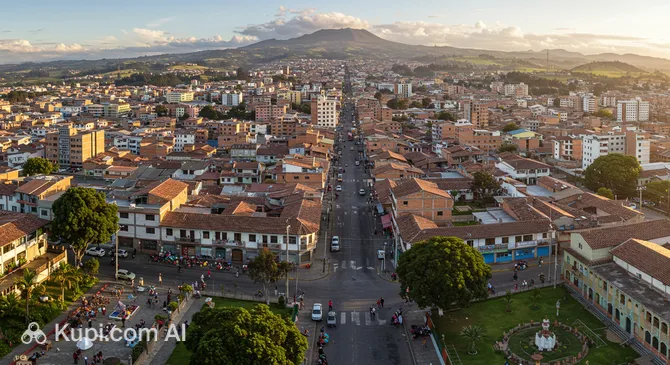
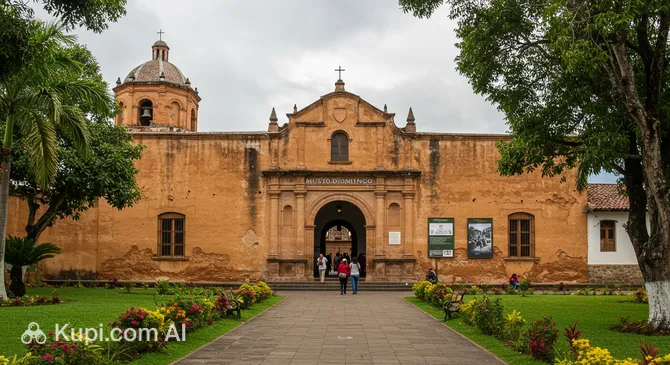
Santo Domingo, officially known as Santo Domingo de los Colorados, is a dynamic and fast-growing city in Ecuador that serves as a vital bridge between the coastal regions and the Andean highlands. Situated at an altitude of about 625 meters above sea level, it is enveloped in a humid tropical atmosphere and surrounded by lush vegetation. Although primarily a major logistics and commercial hub, its unique character and cultural and historical heritage attract those wishing to see the authentic, non-touristy side of Ecuador.
The city is home to over 270,000 people and is famous for its strategic role in the country's economy. Major trade routes intersect here, transporting bananas, cocoa, and coffee. The presence of the indigenous Tsáchila people adds a special atmosphere to the city. The name "de los Colorados" ("the colored ones") arose from their ancient tradition of dyeing their hair bright red with paste made from the seeds of the achiote plant.
Santo Domingo. Illustration.
Source: Kupi.com AI
Visiting Santo Domingo allows you to get acquainted with authentic markets and the natural riches of the region. Picturesque rivers and tropical forests can be found nearby, and its proximity to majestic volcanoes makes the city an excellent base for further travel. We invite you to discover this "green hub" of Ecuador, where the modern pace of life meets centuries-old ancestral traditions.
Weather Overview
Santo Domingo is dominated by a humid tropical climate due to its geographic location in the foothills of the Andes. Warm and humid weather prevails here almost year-round. The average air temperature stays around 23°C, ranging from 19°C at night to 26°C during the day. High humidity makes the heat more noticeable, while frequent rains refresh the lush greenery around the city.
The rainiest period occurs in the first months of the year—from January to May—when rainfall can exceed 400 mm per month. During this time, rainy days follow one after another, so travelers should be prepared for tropical downpours. From July to November, a relatively dry season sets in, although short-lived rains still occur. To plan your trip in more detail, see the current city climate on the detailed page.
Thanks to stable temperatures, the city can be visited at any time of year, but August and September are considered the most comfortable months. During this time, humidity is slightly lower, and there are more sunny days. Regardless of the season, it is always worth having light, waterproof clothing with you, as the proximity to the mountains makes the weather changeable.
Average monthly temperature
Average monthly precipitation
Interesting Facts
Strategic Crossroads: Santo Domingo occupies a unique position at the foot of the Andes, linking the Pacific coast with high-altitude Quito, making it the "main gateway" for the country's internal trade.
The "Colorados" Mystery: The city's second name comes from the Tsáchila people, whose men traditionally dye their hair red using a paste from achiote seeds to protect against evil spirits.
Rapid Growth: During the 20th century, the city transformed from a tiny settlement into Ecuador's fourth-largest metropolis thanks to the rapid development of the road network and agriculture.
Agricultural Capital: The city's surroundings are among the most fertile in the country; huge volumes of bananas, coffee, cocoa, and African palm are grown here.
Proximity to the Equator: Despite its name and status, the city is located just 27 kilometers south of the equator, which determines its consistently warm tropical climate.
How to Get There
The transport accessibility of Santo Domingo is due to its role as a key logistics hub in Ecuador. Although the city itself does not have a major international airport, most tourists arrive here via the capital. The journey from the capital takes about 2.5–3 hours along the scenic Pan-American Highway. You can learn more about routes and schedules in the section on how to get to the city.
The primary modes of transport are intercity buses, which run regularly between Santo Domingo, Quito, and Guayaquil. The road from the capital passes through mountain passes, so travel time may increase to 4-5 hours in case of heavy rain or heavy traffic. Also, the city is only 120 kilometers from the coast, making it a convenient stop on the way to the ocean.
Railway communication in this region is currently practically not used for regular passenger services, so the main focus should be on road transport. The network of roads converging in Santo Domingo makes it easy to plan trips in any direction across the country by rental car or taxi.
Station
Passenger traffic
Distance
Estación de Tren de Chimbacalle, Quito
1
74 km
Main Attractions
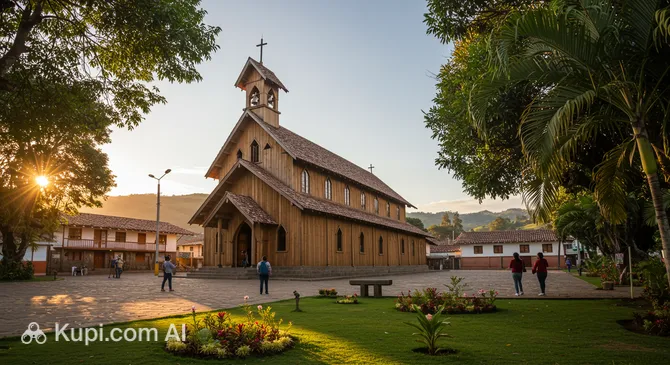
Although Santo Domingo is primarily known as a commercial center, it has several noteworthy places that reflect its character. One of the most popular recreation areas is San Gabriel del Baba. This is a picturesque riverside area where locals and travelers come to enjoy the cool water, fresh air, and traditional food in cozy riverside restaurants.
San Gabriel del Baba. Illustration.
Source: Kupi.com AI
Traveler photos:
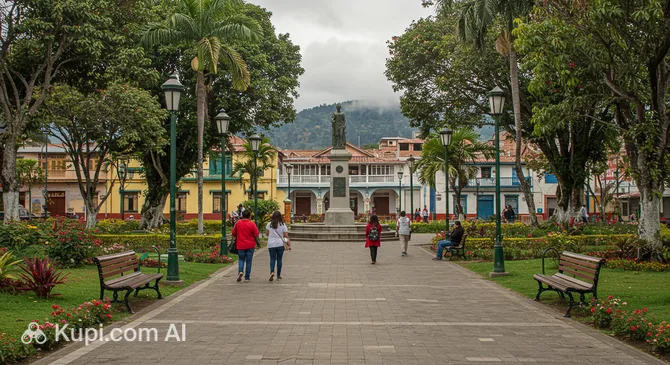
In the heart of the city lies Zaracay Park. This is the central public space that serves as the main meeting place and venue for city events. The park is surrounded by administrative buildings and shops, representing a typical example of Latin American urban planning, where life hums from morning until late evening.
Zaracay Park. Illustration.
Source: Kupi.com AI
Traveler photos:
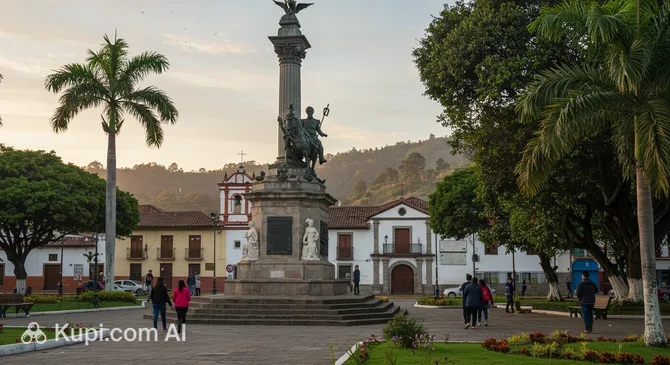
History and monumental art lovers should look out for the Statue of Simón Bolívar, erected in honor of South America's great liberator. Additionally, the city is famous for cultural sites dedicated to the Tsáchila people, allowing visitors to experience the unique traditions of the "red-skinned" Indians—the indigenous inhabitants of these lands who have preserved their identity in the modern world.
Simón Bolívar Monument. Illustration.
Source: Kupi.com AI
Traveler photos:
Local Cuisine
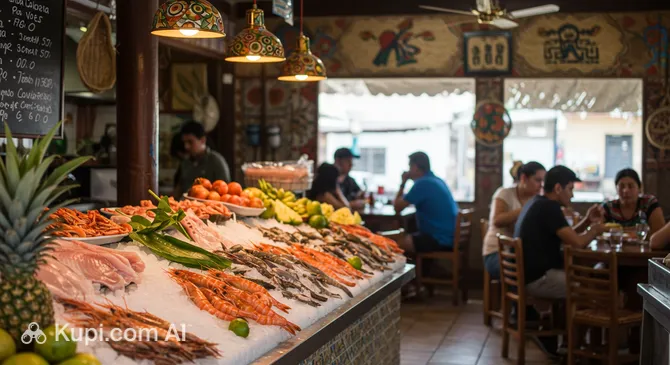
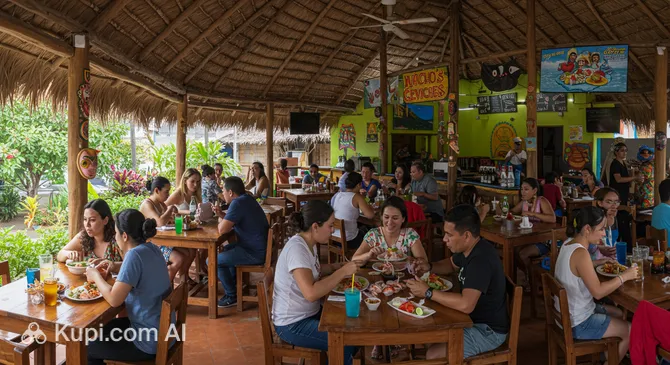
A gastronomic journey through Santo Domingo is an introduction to the vibrant flavors of tropical Ecuador. The local cuisine is based on the freshest seafood, plantains, and aromatic coffee. One of the main dishes worth trying is ceviche. To truly appreciate it, visit establishments such as Santo Manaba Cevicheria and Cafeteria or the famous Ceviches de Wacho.
In addition to fish dishes, various soups and rice with seafood or meat are popular here, often served with fried plantains. Santo Domingo is surrounded by cocoa and coffee plantations, so you can buy and taste high-quality drinks directly from the source. Street food in the markets is another facet of local culture, where you can try freshly squeezed juices from exotic fruits.
Wacho's Ceviches. Illustration.
Source: Kupi.com AI
Traveler photos:
The food culture in the city is quite casual: locals prefer to dine in small family restaurants called comedores, which offer a hearty set lunch ("almuerzo") for a small fee. For tourists looking for more familiar service, modern cafes are open in large shopping centers, offering both local and international cuisine.
Travel Tips
Santo Domingo is a colorful city that will reveal its secrets to you if you follow a few simple tips from experienced travelers.
Clothing and Essentials: Choose clothes made from light, natural fabrics. Due to high humidity and frequent rains, be sure to bring an umbrella or a light raincoat, as well as comfortable closed-toe shoes for walking through the markets.
Transport: For getting around the city, it is best to use official taxis. If you plan to go to Quito, use buses from popular companies departing from the main terminal (Terminal Terrestre).
Finance: The official currency is the US Dollar. Cards are accepted in large shopping centers and hotels, but for markets and small shops, always have small cash bills, as getting change from $20 or $50 can be a problem.
Health and Safety: Drink only bottled water. Be careful with valuables in crowded places and avoid walking in the outskirts after dark.
Communication: The primary language is Spanish. English is not widely understood, so learn basic phrases or download an offline translator. You can buy a SIM card at any Claro or Movistar office.
Local Etiquette: Ecuadorians are very polite. Greet people with "Buenos días" or "Buenas tardes." Respectful treatment of Tsáchila traditions is key to good communication.
What to Avoid: Do not take photos of indigenous people without their prior consent. Also, it is not advisable to display expensive gadgets and jewelry on public transport.
Extra Tip: Try the local coffee and cocoa—they are some of the best products in the region and make excellent gifts for loved ones.
May your introduction to this tropical crossroads of Ecuador be easy and filled only with pleasant discoveries!
Entertainment & Nightlife
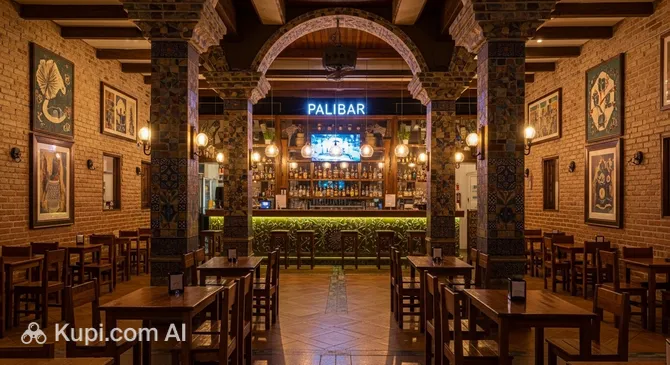
Entertainment in Santo Domingo is mainly oriented towards locals, which creates an atmosphere of genuine hospitality and simplicity. The city's evening life is centered around the main squares and modern shopping centers, where cinemas, food courts, and gaming zones are located. If you're looking for a place to have a drink with friends, check out PaloBar—one of the local spots offering a relaxed environment.
PaliBar. Illustration.
Source: Kupi.com AI
Traveler photos:
For those who prefer a more active nightlife, small bars and discos playing Latin American rhythms can be found in the central districts. However, it's worth noting that the city is not a major center for club culture, so travelers often head to the capital for larger parties. It is safest to visit establishments in well-lit central areas and use official taxis for travel at night.
Daytime leisure is often associated with visiting parks and walking through bustling markets, which are attractions in themselves. On weekends, many residents head out of town to the rivers and natural pools to escape the city bustle. This is an excellent opportunity to see how modern Ecuadorians spend their free time and feel the true rhythm of provincial life.
Parks & Museums
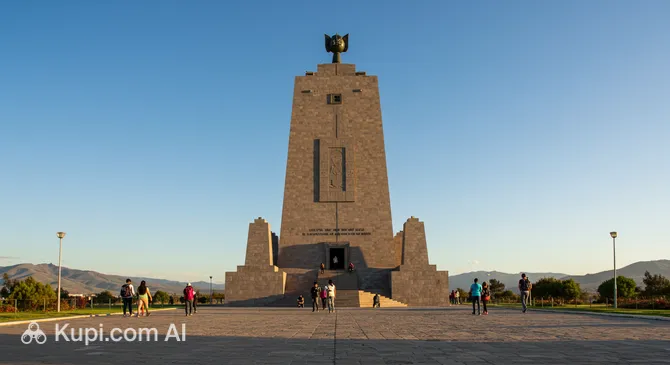
The park infrastructure of Santo Domingo reflects its status as a dynamic commercial hub—there are few recreation areas, but each has its own significance. A major landmark and popular photo spot is the Equator Monument (Source Circle of Continents). Although the main equator line passes slightly to the north, this monument symbolizes the city's proximity to the "middle of the world" and is an important point on the city map.
Middle of the World Monument. Illustration.
Source: Kupi.com AI
Traveler photos:
A special place in urban culture is occupied by the Red Indian Monument (Monumento Del Indio Colorado). This site is dedicated to the Tsáchila people and emphasizes the residents' respect for the region's indigenous traditions. It serves as a reminder of the city's origins and its connection to the ancient inhabitants of these lands.
Red Indian Monument. Illustration.
Source: Kupi.com AI
Traveler photos:
Since there are few traditional museums in the city, cultural life often spills out onto the streets and squares. Small squares in the city center provide a place to rest from the tropical heat in the shade of trees. For those looking for true wilderness, the best option is to head outside the city limits, where the humid tropical forests full of unique flora and fauna begin.
Getting Around
The transport system of Santo Domingo is mainly represented by a network of city buses and taxis. Buses connect various parts of the city, but for a tourist, they may seem crowded and difficult to navigate due to the lack of clear schedules. The fare is minimal, and payment is made in cash to the driver or conductor upon boarding.
The most convenient and recommended way to get around the city is by taxi. Cars are easy to find on the streets or call through mobile apps. Prices for trips within the city are quite affordable, but it's better to agree on the cost in advance or ensure the meter is turned on. Moto-taxis are also popular—a fast but less comfortable and safe way to reach your destination in heavy traffic.
The central streets of the city are quite narrow, which often leads to congestion, especially during peak hours. Bike rentals and car sharing are practically non-existent in the city, so the main burden falls on public transport. If you plan to explore the surroundings, the best solution would be to rent a car, giving you the freedom to move along the province's scenic roads.
Accommodation
The hotel sector in Santo Domingo is primarily geared towards business travelers and transit tourists. You won't find a huge number of five-star resorts here, but the city offers a decent selection of mid-range hotels and budget hostels. Most accommodation options are concentrated in the city center and along the main transport routes, which is convenient for those planning an early departure.
When choosing accommodation, you should focus on reviews regarding safety and the availability of air conditioning, as the humid tropical climate makes the nights quite stuffy. For a longer stay, you might consider renting an apartment, although this market is not as developed as in the capital. Prices for accommodation here are generally lower than in major tourist centers like Quito.
During peak seasons and national holidays, it is recommended to book rooms in advance, as the city is an important transit point and hotels can be full. At other times, finding a free room shouldn't be a problem. For those who value comfort, it's better to choose modern hotels located near shopping centers, where the level of service meets international standards.
Nearby Cities
Thanks to its location in the very heart of the country, Santo Domingo serves as an ideal starting point for exploring various regions of Ecuador. In just a few hours, you can swap the humid tropics for high mountain peaks or find yourself on the ocean coast. The city's surroundings offer many destinations for short but fulfilling trips.
Nearby is La Concordia—a small agricultural center known for its plantations. For those seeking unity with nature and tranquility by the river, Puerto Quito is perfect. If you want to trade the tropical heat for cooler mountain air and colonial architecture, the journey to the majestic Quito takes less than three hours.
We recommend not limiting yourself to just city walks and making sure to venture outside of Santo Domingo. The region is rich in nature reserves and small authentic settlements that will allow you to deeper experience the diversity of Ecuadorian culture and nature.
Shopping & Souvenirs
Shopping in Santo Domingo is primarily an opportunity to purchase fresh agricultural products and everyday goods. The city is famous for its bustling food markets, where you can find mountains of exotic fruits, cocoa beans, and high-quality Ecuadorian coffee. These products make excellent and useful souvenirs that convey the spirit of the region's fertile lands.
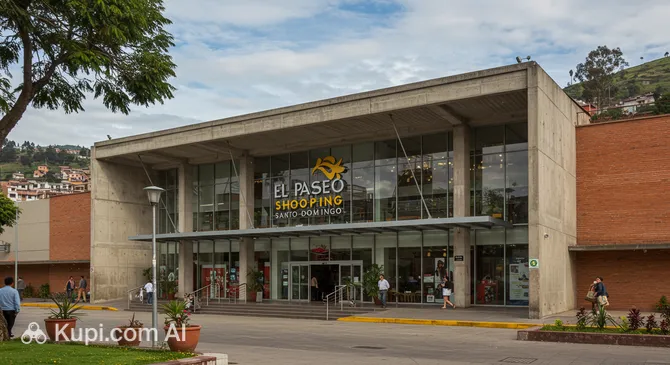
For those who prefer a modern shopping format, the main destination is El Paseo Shopping Santo Domingo. This is the city's largest shopping center, where clothing stores, electronics, and cosmetics are gathered under one roof, along with entertainment areas and restaurants. Here you can find both international brands and locally produced goods in a comfortable, air-conditioned environment.
El Paseo Shopping Santo Domingo. Illustration.
Source: Kupi.com AI
Traveler photos:
If you're looking for something unique, look for Tsáchila handicrafts. While specialized souvenir shops aren't common, traditional jewelry and household items can sometimes be found at local markets. Shops usually open from morning until 7-8 PM, while shopping centers stay open later. Cards are accepted at major outlets, but be sure to have cash dollars for trips to the markets.