Support

Tulcan

About

Tulcán is the northernmost city in Ecuador, often called the "Gateway to Colombia" due to its proximity to the national border. Perched on a high Andean plateau, this city enchants travelers with its panoramic views, fresh mountain air, and a unique blend of cultures born at the crossroads of two countries.

As the administrative center of the Carchi province, this city of approximately 53,500 people plays a vital role as a regional trade and transport hub. Life here moves at a special rhythm: the dynamics of a modern economic center are harmoniously intertwined with the traditional way of life of indigenous peoples. The fascinating history of Tulcán and its rich heritage are felt in every neighborhood, creating an atmosphere of comfort and a touch of exoticism.

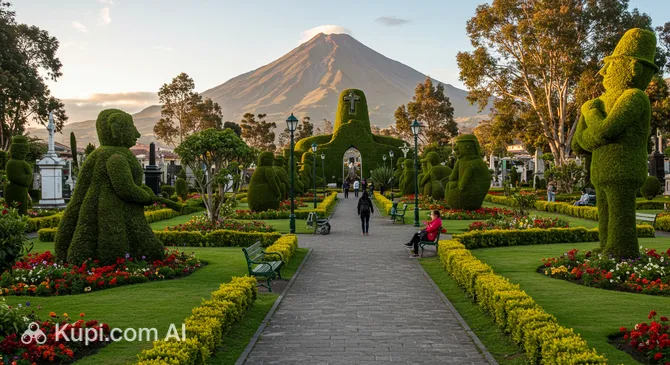
Tulcan. Illustration.
Source: Kupi.com AI

Despite its compact size, the city is world-famous for its main attraction — a unique cemetery with topiary figures, considered a true masterpiece of garden and park art. Additionally, travelers are drawn to the picturesque surroundings and natural parks where they can enjoy the rugged yet alluring beauty of the northern Andes.

Tulcán is worth visiting to see a "different" Ecuador — cool, calm, and incredibly hospitable. It is an ideal destination for those seeking new experiences, looking to get acquainted with the authentic border culture, and wanting to take amazing photos against the backdrop of the famous green cypress sculptures.

Weather Overview

The climate of Tulcán, situated high in the Andes, is characterized by enviable consistency and coolness. Due to its proximity to the equator, there is no sharp change of seasons in the traditional sense: air temperatures remain stable throughout the year, creating an atmosphere of "eternal autumn" or early spring.

According to statistics, the average temperature in the city fluctuates within a narrow range from 11.3°C to 12.5°C. During the day, the air usually warms up to a comfortable 15-16°C, which is ideal for active walks, but the nights here are always cold—the thermometer drops to 7-9°C. Travelers should be prepared for high humidity: it rains frequently, especially in March, April, and November, when the number of rainy days reaches 28-29 per month.

The relatively "dry" season occurs from July to September, when the number of days with precipitation decreases to 16-21, although the sky often remains cloudy. When planning your trip, be sure to check the detailed weather in Tulcán to pack appropriately. Overall, this region is characterized by a stable climate: expect cool days with periodic rain and fog, as well as crisp, cold nights all year round.

Average monthly temperature

Average monthly precipitation

Interesting Facts

Beyond its well-known tourist spots, Tulcán hides many interesting details that reveal its character from unexpected angles. This city on the border of two worlds is full of living traditions and amazing stories that not all travelers are aware of.

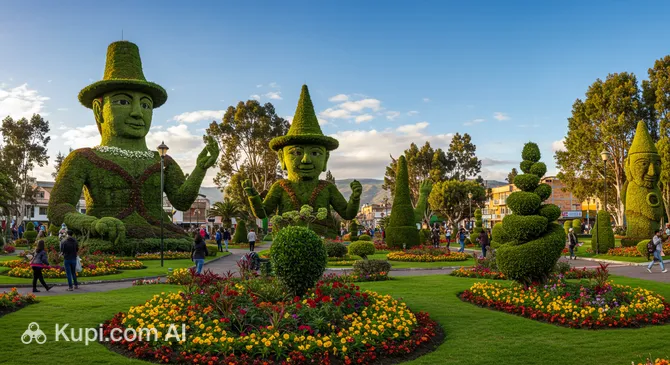
Tulcán Central Park. Illustration.
Source: Kupi.com AI

Traveler photos:

  • A Green Open-Air Museum. The city's main pride is its municipal cemetery, which, thanks to the talent of gardener José María Azael Franco, has become a masterpiece of topiary art. Here, hundreds of complex figures are carved from ordinary cypresses: from animals and historical figures to ancient Inca symbols, making this place unique on a global scale.

  • An International Market Atmosphere. As a key trading point on the border with Colombia, the city has absorbed features of both countries. In local markets and on the streets, you can hear a colorful mix of languages and dialects: classical Spanish, indigenous Quechua dialects, and the melodic Colombian accent all intertwine here.

  • Epicenter of Celebrations. The city regularly hosts vibrant festivals that combine Ecuadorian traditions with the unique culture of the north. During carnivals, major spaces like Tulcán Central Park become stages for musical processions, dances, and folk celebrations.

  • Birthplace of Talent. Tulcán and the Carchi province are famous for their outstanding natives, including many famous athletes, artists, and political figures. Locals proudly honor their roots and pass down legends of the achievements of fellow citizens who have contributed to the region's history.

How to Get There

When planning a trip to this northern Ecuadorian city, it is important to map out your route in advance, as there is no direct air service. You can find all the details and alternative options by following the link: all ways to get to the city.

Since Tulcán itself does not have an active commercial airport, most tourists arrive via the air hubs of neighboring cities. The main international hub for travelers is Mariscal Sucre International Airport (UIO), located in the capital city, Quito. It is about 125 km from Tulcán. This is a large, modern airport receiving flights from all over the world. The journey from there to Tulcán by bus or taxi takes about 3–4 hours, allowing you to enjoy scenic views of the Andes.

Geographically, the closest option is San Luis Airport (IPI), located just 7.2 km from the center of Tulcán. However, keep in mind that it is located in the city of Ipiales (Colombia), so the route will involve crossing a national border. A taxi ride from this airport takes about 15–20 minutes, not including time for border control.

For convenience, here is summary information on the main airports:

AirportPassenger trafficDistance
San Luis Airport80 0007 km
Cano Airport816 48680 km
Lago Agrio Airport47 780124 km
Mariscal Sucre International Airport5.4 mln125 km
Puerto Asis Airport66 351140 km

Railway connection to Tulcán is currently not developed for passenger transport. The main land method for reaching the city remains the road network. The Pan-American Highway passes right through the city, providing excellent connections both to the south of Ecuador (from Quito and Ibarra) and to the north (from Colombia). Intercity buses run regularly and are an economical and popular way to travel around the region.

Main Attractions

Tulcán is a city that knows how to surprise. Despite its reserved character and cool climate, it hides real treasures that attract travelers from all over the world. From unique garden ensembles to majestic natural monuments in the surrounding areas, everyone will find something here that leaves a lasting impression.

The absolute landmark and symbol of the city is the famous Tulcán Cemetery (Cementerio Municipal). It is hard to call this place just a necropolis; it is a true open-air museum where talented gardeners have transformed cypresses into hundreds of living sculptures. Giant green figures depicting animals, mythical creatures, and geometric patterns create a mystical yet peaceful atmosphere that has no equal in the world.

The heart of the city's social life is Tulcán Central Park. Surrounded by important administrative buildings and the main cathedral, this is where you can feel the true rhythm of local life. It is the perfect place to start exploring the city: well-maintained paths, monuments, and proximity to major architectural landmarks make it a mandatory stop on any walk.

For those seeking peace and solitude, Ayora Park is an excellent choice. This green corner serves as a popular relaxation spot for both locals and tourists. Here, you can take a leisurely stroll, enjoying the fresh mountain air, or simply rest on a bench while watching the play of light and shadow in the treetops. The park is known for its cozy atmosphere and serves as a great alternative to the busier city center.

Ayora Park. Illustration.
Source: Kupi.com AI

Traveler photos:

Nature lovers should head a bit further from the city limits to see the Lagunas Verdes (Green Lagoons). Located at the foot of the Chiles Volcano, these lakes are striking for their deep emerald color, caused by the high sulfur content in the water. The contrast between the bright green water and the rugged landscapes of the high-altitude paramo creates fantastic photo opportunities.

Another iconic spot is the Rumichaca Natural Bridge (Puente de Rumichaca). It is not just a border crossing between Ecuador and Colombia, but also a historical site where the Carchi River carved its way through the rocks, forming a natural stone arch. The old customs building located here adds character and serves as a reminder of the rich history of trade relations between the two countries.

Local Cuisine

The gastronomy of Tulcán is a fascinating journey into the world of Andean flavors, where indigenous traditions harmoniously blend with the culinary characteristics of the country's north. Local cuisine is known for being hearty and soul-warming, perfectly suited for the cool highland climate. The diet is based on fresh vegetables, grains, and meats grown on the fertile slopes of the Andes, and the dining process itself often turns into a cozy family event.

Among the main dishes that are definitely worth a try, soups hold a special place. The region's signature dish is "locro de papa"—a thick and rich potato soup with cheese and avocado, which warms you up perfectly in cool weather. Meat lovers will enjoy pork and beef delicacies cooked over an open fire with aromatic spices. It's impossible to imagine a local table without corn: be sure to order boiled corn "choclo" or traditional corn tortillas and pies with various fillings.

As for drinks, the absolute hit in Tulcán is "canelazo". This is a hot spiced cocktail based on water, cane sugar, cinnamon, and local alcohol (aguardiente). It not only tastes great but also helps cope with the evening mountain chill. For those who prefer non-alcoholic options, the city offers a huge variety of freshly squeezed juices from exotic fruits, which can be found everywhere.

The food culture here is very casual: locals enjoy eating in small restaurants as well as in bustling markets where the freshest products can be found. Street food is an adventure in itself: while walking through the center, for instance near popular spots like Tulcán Central Park, you are sure to encounter vendors selling fried plantains, crispy empanadas, and fragrant pastries. The city also regularly hosts gastronomic festivals, which are a true feast for foodies seeking new taste sensations.

Travel Tips

A trip to Tulcán is an encounter with the bracing chill of the Andes and the unique flavor of the borderlands. To ensure your trip to this high-altitude city in Ecuador is as comfortable as possible and free of surprises, we have prepared a list of important practical recommendations based on the region's characteristics.

  1. Clothing and Climate. Tulcán is one of the coldest cities in the country, experiencing a state of "eternal autumn." Even if it's hot in other parts of Ecuador, be sure to bring a warm jacket, a fleece sweater, and a scarf. Layering is the key rule: it can be warm in the sun during the day, but as soon as it disappears, the temperature drops sharply. Comfortable waterproof shoes and an umbrella are also necessary, as rain is a frequent occurrence here.
  2. Transport. The city is compact, and the center is pleasant to explore on foot. For trips to the bus station or the border (Rumichaca Bridge), use official yellow taxis. Taxi-hailing apps work inconsistently or are unavailable here, so it's more reliable to ask the hotel reception to call a car or find one at designated taxi stands. Car rental is not necessary unless you plan long trips into the mountains.
  3. Finances and Cash. The currency is the US dollar. While some hotels and supermarkets accept cards, a "cash culture" prevails in Tulcán. It is critical to have small bills ($1, $5, $10, $20) and coins. Finding change for $50 or $100 will be extremely difficult, especially in taxis or small cafes. ATMs are available in the city center, mainly around Independence Park.
  4. Health and Altitude. The city is located at an altitude of nearly 3,000 meters above sea level. In the first few days, symptoms of altitude sickness (shortness of breath, headache) are possible. Drink more water and avoid heavy food and alcohol immediately upon arrival. Pharmacies (Farmacias) are frequent in the center, but few are open 24/7, so it's better to bring a personal first-aid kit in advance.
  5. Communication and Language. The main language is Spanish. Few people know English, mostly staff at the better hotels. We recommend downloading an offline translator and learning basic greetings. It's best to buy a SIM card from local operators (Claro or Movistar) immediately upon arrival at communication shops in the center; a passport is required for registration. Wi-Fi is available in most hotels and cafes.
  6. Local Etiquette. Residents of Tulcán (and the entire Carchi province) are known for their politeness and reserve. It is customary to say hello ("Buenos días/tardes") when entering a shop, elevator, or getting into a taxi. Locals are proud of their city, so a compliment on the beauty of their cemetery or parks will always help establish a connection.
  7. What to Avoid. Do not walk alone in the area of the border crossing or in remote outskirts after dark—this is a matter of basic safety. Also, at the famous cemetery, it is strictly forbidden to touch the topiary figures with your hands or try to climb them for a photo—these are living trees that are easily damaged, and caretakers monitor this closely.
  8. Gastronomic Tip. To warm up on a cool evening, try the local specialty—"hervidos". This is a hot drink based on fruit juice (often lulo or passion fruit) with local alcohol. It is very invigorating and is part of the cultural code of the residents of this cold region.

By following these simple tips, you can avoid everyday inconveniences and fully focus on the beauty of the emerald cypresses and the majesty of the mountain landscapes. May Tulcán be remembered for its coziness and warm hospitality, despite the cool climate!

Entertainment & Nightlife

Nightlife in Tulcán has its own special, reserved character, shaped by the cool highland climate and the steady pace of provincial life. You won't find loud mega-clubs or 24-hour raves like in Ecuador's larger metropolitan areas. Evening entertainment in this border city primarily revolves around cozy meetings in cafes, dinners in family restaurants, and karaoke bars—popular throughout the Andes—where locals enjoy spending time in large groups.

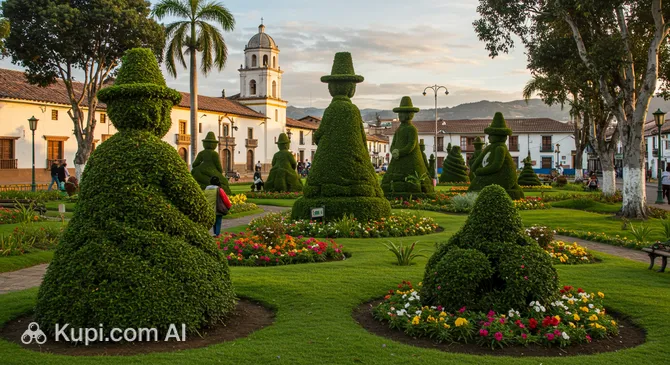
Public spaces often become centers of attraction in the evening, beautifully illuminated as darkness falls. A city walk usually begins with iconic spots like Tulcán Central Park. At night, a special atmosphere prevails here: the architectural lighting of buildings and monuments creates a cozy backdrop for a slow promenade, while nearby stalls sell hot drinks and street food to help you keep warm.

Tulcán Central Park. Illustration.
Source: Kupi.com AI

Traveler photos:

If you're looking for a place to have a drink or dance, check out the central street district, including Calle Sucre and Calle Bolívar. This is where most establishments are concentrated: from small pubs to disco bars (discotecas) playing Latin American music like salsa, merengue, and reggaeton. The dress code is casual, and given the weather, a "casual" style with warm layers is most appropriate. Prices here are significantly lower than in the capital: a cocktail or a beer is quite affordable.

For those who prefer more relaxed evening leisure outdoors before dinner, Ayora Park is a great option. This is another green zone where you can safely walk in the early evening hours, enjoying the silence and fresh Andean air. However, keep in mind that as late night sets in, street activity fades quickly, and parks become empty.

Safety and Transport: Tulcán is a border city, so extra caution should be exercised at night. Walking outside the busiest central streets after 10:00 PM is not recommended. For travel between a bar and your hotel, always use an official yellow taxi; you can call one by phone or through the establishment's reception. Avoid traveling toward the border (Rumichaca Bridge) at night unless absolutely necessary.

Regarding daytime and cultural entertainment, the city may not have large entertainment centers, but it possesses its own charm. Culture enthusiasts might enjoy visiting the Teatro Lemarie—an architectural gem of the city that occasionally hosts film screenings and theatrical performances. The city also has a House of Culture (Casa de la Cultura), where you can discover the work of local artists and the history of the region.

Parks & Museums

Tulcán is a city where the line between nature and art is almost blurred, and green zones serve not just as places for relaxation, but as actual open-air galleries. For travelers interested in culture and history, the city offers cozy parks with unique landscape designs and museums that preserve the memory of ancient Andean civilizations.

The most famous "green" site in the city, which brought it world fame, is the José María Azael Franco Municipal Cemetery. Although technically a necropolis, it is effectively a magnificent topiary art park. Hundreds of cypresses here are trimmed into geometric shapes, animals, and mythical creatures, creating mazes where you can walk for hours. This place is unique for its atmosphere of peace and aesthetics, attracting tourists from all over the world.

The heart of social life is Tulcán Central Park (Parque de la Independencia). Located surrounded by administrative buildings and the main cathedral, it is an ideal place to get acquainted with the city's rhythm. Here, among well-kept alleys and monuments to independence heroes, locals meet and spend their weekends. The park is interesting for its architectural lighting in the evening and its proximity to historical landmarks.

Another important recreational area is Ayora Park. This park features a more peaceful and intimate atmosphere, perfect for slow walks. Sculptures and monuments reflecting the region's history are installed here, and the abundance of greenery allows you to enjoy the fresh mountain air. For tourists, it is a great opportunity to escape the city bustle and take beautiful photos.

Regarding museum life, the main cultural center of the city is the House of Ecuadorian Culture (Casa de la Cultura Ecuatoriana, Núcleo del Carchi). Within its walls is the Germán Bastidas Vaca Archaeological Museum. The museum's exhibition is dedicated to the rich heritage of the Pasto culture, which inhabited these lands in the pre-Columbian era. Visitors can see unique ceramics, gold jewelry, and everyday items that tell the story of the life and beliefs of the indigenous peoples.

History buffs will also enjoy simply walking through the streets of the center, observing the architecture. Special attention should be given to the old customs building at the Rumichaca Bridge and the facade of the Teatro Lemarie, which is an example of elegant early 20th-century architecture and an important cultural venue for the city.

Insider Tip: If you have time, visit the outskirts of the city where the Lagunas Verdes (Green Lagoons) are located. These high-altitude lakes at the foot of the Chiles Volcano are striking for their emerald color and are a magnificent natural complement to Tulcán's city parks.

Getting Around

The public transport system in Tulcán is simple and compact, perfectly matching the size of this small highland city. You won't find a metro, trams, or complex transfer schemes here. The primary means of transporting passengers are city buses and numerous taxis, which provide convenient connections between the center, residential areas, and important transport hubs.

City buses are the most budget-friendly way to get around. The route network covers the main streets and connects the center with the outskirts. Buses are usually painted blue or green and run from early morning until evening (approximately until 7:00 PM–8:00 PM). Stops are marked, but drivers can often drop off passengers on request at a convenient spot if it doesn't violate traffic rules.

Taxis are an extremely popular and accessible mode of transport in Tulcán. Official cars are always painted yellow and have orange license plates. This is the fastest and safest way to get to your destination, especially in the evening or with luggage. Taxi stands can be found near parks, markets, and the bus station. Trips within the city are inexpensive, usually between $1.50 and $2.50 USD. The route to the Rumichaca Bridge (the border with Colombia) is particularly popular and is served by both taxis and collective microbuses (colectivos).

Payment systems in Tulcán's public transport are exclusively cash-based. There are no validators, transport cards, or mobile apps for paying fares on buses here. Payment is made to the conductor or driver upon boarding. The fare for a city bus is fixed at around 30–35 cents. Taxis also take cash; although cars are equipped with taximeters, fixed rates often apply for short trips, which are best agreed upon before starting the journey.

Tips for Tourists:

1. Always carry small cash (coins and $1 and $5 bills). Bus drivers and taxi drivers often may not have change for large bills ($10 or $20).

2. If you're planning a trip to the border, look for special stands for vans (furgonetas) or taxis that specialize in this direction—it will be faster and cheaper.

3. At night, it is strongly recommended to call a taxi by phone or through your hotel reception rather than hailing a car on the street, for your safety.

Services popular in large metropolises, such as Uber or car-sharing, are practically non-existent in Tulcán due to local market specifics and short distances. The city center is so compact that many attractions are easily explored on foot, allowing you to enjoy the architecture and local flavor of this northern outpost of Ecuador.

Accommodation

The hotel scene in Tulcán is primarily focused on practicality and comfort, reflecting the city's status as an important transit and trade hub on the border. Here, you won't find luxury resort chains or five-star world-class hotels. Instead, travelers are offered a wide selection of budget hostels, family guesthouses (hostales), and mid-range hotels that provide a comfortable rest after a long journey through the Andes.

Best Areas to Stay:

The most convenient area to stay is the historical city center (El Centro). By staying here, you will be within walking distance of restaurants, shops, and transport stops. A key landmark for finding accommodation is Tulcán Central Park. Hotels located in the blocks around this square and along Sucre Street are considered the safest and most convenient in terms of logistics. Staying in the center also allows you to easily reach the border or the bus station by taxi.

Accommodation Features:

When choosing a hotel in Tulcán, a key factor to look for is heating or the availability of high-quality warm blankets. Given the high-altitude climate and cold nights, confirm the availability of 24-hour hot water and heaters in the room. Many budget hotels offer simple but clean rooms where the emphasis is on warmth and quiet.

Booking and Prices:

Pricing in the city is very reasonable. A budget room can cost between $15 and $25 per night, while more comfortable mid-range options will cost around $30–$50. Booking methods vary: larger hotels are listed on popular online platforms, but many small family-run hotels operate only through direct booking via phone or WhatsApp, or accept walk-in guests upon arrival.

Traveler Tip:

While finding a vacant room is usually easy, the situation changes drastically during national holidays, long weekends (feriados), or major trade fairs. During these periods, demand from both Ecuadorians and Colombian tourists increases, so it is recommended to book your accommodation in advance, at least a few days before your trip.

Nearby Cities

For those who want to explore the surroundings, Tulcán serves as an excellent starting point for day trips to several interesting nearby locations:

The nearest major center, perfect for a short visit, is Ibarra. Known as "The White City" (La Ciudad Blanca) due to its whitewashed facades, it is just an hour and a half drive away. Here you can stroll through the colonial center, visit numerous art galleries, or relax on the shores of the picturesque Yahuarcocha lagoon on the outskirts of the city.

If you have more time, it is worth heading to the country's capital — Quito. The journey will take longer, but it's a chance to see one of South America's most beautiful historical centers, a UNESCO World Heritage site. On the way to the capital, breathtaking views of the "Avenue of the Volcanoes" open up, making the trip itself an unforgettable adventure.

CityPopulationDistance
Carlosama8 7275 km
Ipiales166 0799 km
Pupiales16 43111 km
Guachucal18 84516 km
Potosi10 18616 km

These nearby destinations offer a glimpse into the diverse culture and landscapes of the region.

Shopping & Souvenirs

Shopping in the city of Tulcán has its own unique character, shaped by its status as a border trade hub. You won't find luxury world-brand boutiques or giant malls typical of major metropolises. Instead, the city offers the bustling atmosphere of traditional commerce, where modern goods sit alongside the works of local artisans. Trade here is part of the culture, and strolling through the shops allows you to dive deeper into the daily life of northern Ecuador.

The heart of commercial life is the city's central streets, especially Calle Sucre and Calle Bolívar. These busy arteries are literally dotted with small shops, pharmacies, electronics stalls, and clothing stores. While walking here, near iconic spots like Tulcán Central Park, tourists can find almost everything they need. On weekends, these streets fill with people, creating the colorful noise characteristic of Latin American cities.

There are no large shopping centers in the conventional Western sense in Tulcán. The role of malls is played here by small shopping galleries and passages called "Centros Comerciales Populares." These house dozens of private kiosks offering clothes, shoes, and accessories at very reasonable prices. These are great places to buy affordable items or simply observe the local trading bustle while sheltering from the region's frequent rains.

The true spirit of the city can be felt in the markets. The Main City Market (Mercado Central) and San Miguel market offer an abundance of fresh products. It is worth paying attention to the fruit stalls, where exotic fruits grown in different climate zones of the country are sold. Additionally, markets are the best place to find inexpensive textiles and try local street food.

When it comes to souvenirs, you should bring back gastronomic delicacies from Tulcán and the Carchi province. The region is famous for its dairy products, especially the famous "Tulcán cheese" (queso de Tulcán)—soft and salty, often sold in distinctive leaf packaging. Woolen products (sweaters, ponchos, hats) are also popular; they are of excellent quality and indispensable in the cool Andean climate. Lovers of ceramics can find interesting works by local craftsmen inspired by the Pasto culture.

Shops in the city typically open around 9:00 AM and operate until 7:00 PM or 8:00 PM. On Sundays, many shops may be closed or work on a reduced schedule. The main method of payment remains US dollar cash. Credit cards are accepted in supermarkets, hotels, and some larger shops on central streets, but in markets and souvenir stalls, you will definitely need small bills.

The Tax-Free system (VAT refund) exists in Ecuador for foreign tourists, but it will be difficult to use in small shops in Tulcán. Most local retail outlets are not connected to this system. Therefore, you should only count on a tax refund when making large purchases in specialized stores of national chains, if you happen to find any.
Reached the end of the page?

That means the route is fully explored