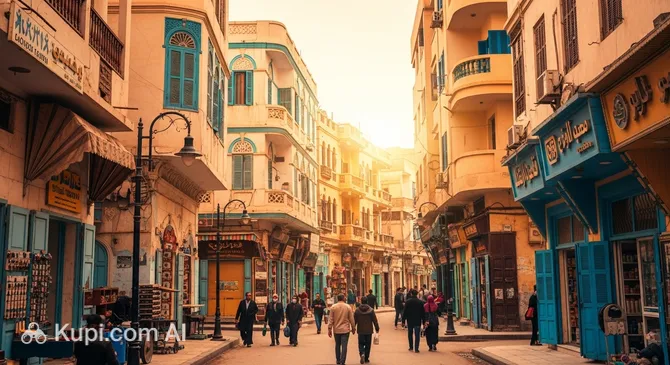
Ash-Shuhada is a vibrant city in Egypt, located in the heart of the fertile Nile Delta. Its name, which translates from Arabic as "The Martyrs," reflects the deep connection this place has with the region's spiritual history. The city is a significant administrative center of the Monufia Governorate and home to over 350,000 people, while maintaining the atmosphere of a traditional Egyptian settlement.
Ash Shuhada. Illustration.
Source: Kupi.com AI
The city's status as an important religious center gives it special significance. The history of Ash-Shuhada is inextricably linked to the era of the Arab conquests, and the first written mentions of it under the name Kafr Ash-Shuhada date back to the early 16th century. Today, it is a point of attraction for pilgrims, where ancient traditions harmoniously blend with the daily rhythm of life in an agricultural region.
For the traveler, this city is a discovery of the authentic Egypt, far from the bustling resorts of the Red Sea. Here, you can feel the true rhythm of the Nile Delta, see endless green fields, and experience the hospitality of the local people. A visit to this city is an invitation to touch the living history and spiritual roots of the country.
Weather Overview
The city of Ash-Shuhada is dominated by a dry desert climate typical of northern Egypt; however, the proximity of the great river brings its own adjustments. The influence of the Nile Delta makes the air slightly more humid than in inland desert regions and softens extreme temperature fluctuations. To ensure your trip is comfortable, it is worth studying the city's climate in advance.
Summer in the region is hot and virtually windless: in July and August, daytime temperatures often reach 36°C, and the sun shines continuously. Winters, on the other hand, are very mild and pleasant. In January, the average maximum is around 20°C, which is ideal for walking tours. Precipitation here is a rarity, with no more than 50 mm of rain falling throughout the year, most of which occurs during the winter period.
The best time to visit the city is considered the period from October to April. During this time, comfortable weather sets in with warm days and refreshing coolness at night. If you are planning a trip for May or June, be prepared for a sharp rise in temperature, which marks the beginning of the hot Egyptian summer.
Average monthly temperature
Average monthly precipitation
Interesting Facts
Ash-Shuhada is a city whose secrets are hidden in the history of the great river and ancient pilgrimage traditions. Here are some curious facts to help you get to know this place better:
A Name of Remembrance: The city's name translates as "The Martyrs," recalling the warriors who fell in these parts during the spread of Islam in Egypt.
Center of Mawlids: Every year, Ash-Shuhada becomes the site of some of the region's largest religious celebrations, gathering thousands of believers.
From Village to Center: For a long time, this settlement was officially named Kafr Ash-Shuhada (Village of the Martyrs) and only over time grew into an important administrative city of the Monufia Governorate.
Heart of the Delta: The city is surrounded by some of the most fertile lands in the world, making it an important link in Egypt's agricultural chain.
The Shrine of Sidi Shibl: The mausoleum of the revered saint is such a significant site that visiting it is considered mandatory for many pilgrims traveling through the north of the country.
How to Get There
The city of Ash-Shuhada is conveniently located in the Nile Delta, making it accessible for travelers departing from Egypt's capital. The main way to get here is by road. An extensive network of roads connects the city with other settlements in the Monufia Governorate, providing stable communication. The transport accessibility of the city allows for planning both long visits and short trips from Cairo.
The nearest major international airports are located in Cairo and Alexandria. From there, the city can be reached by taxi or intercity bus. The travel time by car from Cairo is usually about one and a half to two hours; however, it is worth considering the traffic density, which can be quite high in the Nile Delta, especially during morning and evening hours.
Railway communication also plays an important role in the life of the region. The nearest major stations are in neighboring administrative centers, from where Ash-Shuhada itself is easily reached by local transport or taxi. Trains in Egypt are a popular and budget-friendly way to move between the cities of the Delta.
Main Attractions
The main sanctuary and architectural landmark of the city is the Mausoleum of Sidi Shibl. This site is deeply revered by both pilgrims and locals. Sidi Shibl is considered the son of one of the companions of the Prophet Muhammad, making his mausoleum one of the most important centers of Islamic pilgrimage in the Nile Delta. Believers from all over the country flock here to honor the saint's memory and experience the special spiritual atmosphere of this place.
In addition to the mausoleum, the city of Ash-Shuhada is famous for its annual Mawlids—grand religious festivals. During these days, the streets are transformed: they are filled with music, prayers, and festive illuminations. For a tourist, this is a rare opportunity to see authentic Egyptian traditions "from the inside," observe solemn processions, and immerse oneself in a unique cultural layer that has been preserved here for centuries.
While the city lacks classical museums or amusement parks, its main attraction is the atmosphere itself. Walking through the narrow streets past traditional shops and brick houses allows you to feel the genuine spirit of the Egyptian province. Special charm is added to the city by the surrounding agricultural lands of the Nile Delta, where life flows much as it did thousands of years ago, following the rhythms of the great river.
Local Cuisine
The culinary traditions of Ash-Shuhada are a classic of Egyptian cuisine with an emphasis on the freshest products of the Nile Delta. You should definitely try the local kushari—a hearty dish of rice, pasta, lentils, and chickpeas, topped with a spicy tomato sauce and fried onions. This national treasure of Egypt is prepared with special care in local cafes, following ancient proportions of spices.
Breakfast in the city is unthinkable without ta'ameya (the Egyptian version of falafel made from crushed fava beans) and freshly baked baladi flatbread. In small eateries on the central streets, these dishes are served hot, straight from the oven or deep fryer. Thanks to the fertility of the surrounding lands, vegetables and herbs here always have a rich flavor.
As for drinks, the most popular in Ash-Shuhada is strong black tea with mint, which locals drink at any time of the day. You should also try freshly squeezed sugarcane juice (asab)—the perfect way to refresh yourself on a hot Egyptian afternoon. The city's gastronomic scene is mainly represented by cozy local restaurants with a relaxed and friendly atmosphere.
Travel Tips
A visit to Ash-Shuhada will give you a unique experience of getting to know the "non-touristy" Egypt. To ensure your trip goes smoothly and leaves only pleasant impressions, take note of a few practical tips.
Clothing and Dress Code: The city is an important religious center, so choose modest and conservative clothing. Shoulders and knees should be covered, especially when visiting mosques and mausoleums. For footwear, comfortable closed sandals or sneakers are best.
City Transport: For short distances, use taxis or tuk-tuks. Always negotiate the fare with the driver in advance, as there may not be fixed rates for tourists.
Financial Matters: International cards are practically not accepted in the city, so be sure to carry cash (Egyptian pounds) with you. There are ATMs in the center, but they may not always work with foreign cards.
Health and Water: Drink only bottled water and use it even for brushing your teeth. Pharmacies are easy to find on the main streets, but it is better to bring a basic first-aid kit with you.
Communication: English is not widely spoken here. Learn a few basic Arabic phrases ("shukran" — thank you, "salam" — hello); this will greatly endear you to the locals.
Local Etiquette: Egyptians are very hospitable. If you are invited for tea, a polite refusal is acceptable, but accepting the invitation is considered a sign of special respect.
What to Avoid: Do not photograph people without their explicit consent, especially women and government buildings. This can cause serious dissatisfaction.
Best Time to Visit: It is best to plan your visit for the winter or spring months when the heat is not so exhausting, or during the period of the Mawlids if you want to see the festivities.
Following these simple rules will help you feel like a welcome guest in this spiritual heart of the Nile Delta and enjoy every minute of your journey.
Entertainment & Nightlife
The city of Ash-Shuhada lives at a calm, traditional pace, and its entertainment options differ radically from typical tourist centers. You won't find night clubs or noisy bars here, as the city is a religious center. The main leisure activity for locals is meeting in traditional coffee shops, where slow-paced conversations take place over a cup of strong tea or coffee.
Cultural life reaches its peak during religious festivals (Mawlids). During these periods, the city is transformed: fairs are set up in the streets, and solemn gatherings and collective meals are held. This is a time when the spiritual life of the city becomes visible and accessible to observation, turning into a kind of large-scale folk event with a special energy.
For those looking for secular entertainment, cinemas, or modern shopping malls, the best option would be a trip to the nearby large city of Shibin El Kom or to Cairo. Ash-Shuhada remains a place for contemplation, spiritual seeking, and a quiet introduction to the lifestyle of the Egyptian heartland, where safety is ensured by the traditional way of life and mutual respect among residents.
Parks & Museums
The city of Ash-Shuhada does not have large park complexes or state museums typical of major capitals. The main "open-air museum" here is the historical architecture itself and the religious buildings, such as the Mausoleum of Sidi Shibl, whose design clearly demonstrates the traditions of Egyptian architecture and the region's spiritual heritage.
Instead of landscaped parks, the city is surrounded by natural green zones—the vast fields of the Nile Delta. The agricultural landscapes, crisscrossed by a network of irrigation canals, create a unique natural atmosphere. Walking along the canal banks in the shade of date palms allows you to enjoy the tranquility of rural life and see authentic agrarian Egypt.
Although there are no specialized art galleries in the city itself, during religious festivals the streets turn into a living exhibition space. Traditional decorations, calligraphy on the walls of houses, and temporary installations create a unique visual experience that can be more interesting than any classical museum for those seeking living folk culture.
Getting Around
The transport system in Ash-Shuhada is informal but highly effective, typical of the Egyptian province. The main means of transport for residents and guests of the city are microbuses. They run along specific routes, connecting residential neighborhoods with the center and neighboring cities. Fares are paid in cash to the driver, and the price is usually fixed and very affordable.
The second most popular type of transport is the taxi. In the city, they are easily recognized by their characteristic colors. This is the most comfortable way to get around, especially if you need to reach a specific address or the mausoleum. It is best to agree on the fare before getting in, as meters are rarely used in local taxis. You can also find tuk-tuks on the streets—nimble three-wheeled carriages ideal for short trips through narrow alleys.
For trips to neighboring cities in the Monufia Governorate, it is best to use buses that depart from the central square or the bus station. Transport in the city starts early in the morning and finishes late in the evening. Tourists are advised to avoid traveling during rush hours when microbuses may be crowded with pilgrims and locals rushing to work or study.
Accommodation
Accommodation in Ash-Shuhada is primarily geared towards those who come here for religious purposes. You won't find five-star chain hotels here, but the city offers authentic lodging options in small guest houses and private apartments. This is an excellent opportunity to immerse yourself in the local environment and experience the hospitality of the Nile Delta residents.
Special attention should be paid to planning your trip during religious Mawlids. During these days, the demand for housing increases manifold due to the influx of pilgrims, so it is recommended to book your stay several weeks before arrival. If you prefer a higher level of service, a sensible solution would be to stay in hotels in major neighboring cities, such as Shibin El Kom or Tanta, and visit Ash-Shuhada as part of day trips.
The price range for housing here is quite moderate and accessible even to budget travelers. Payment is most often accepted in cash in the local currency. Booking apartments usually happens through international platforms or personal contacts on the spot, which is typical for small Egyptian cities.
Nearby Cities
Thanks to its location in the densely populated Nile Delta, Ash-Shuhada is an excellent starting point for exploring neighboring cities and their unique cultural heritage. Nearby settlements offer the traveler a variety of experiences, from bustling market squares to quiet historical corners.
Just 15 kilometers away is Shibin El Kom, the administrative center of the governorate, where life is much more active. Another interesting destination for a trip is Tanta—a major city known for its sweets and the magnificent Ahmad al-Badawi Mosque. Also nearby is the historical Menouf, which has preserved the charm of old Egypt.
Exploring the surroundings of Ash-Shuhada allows you to see the multi-faceted nature of Egypt outside standard tourist routes. Traveling between these cities by taxi or bus will give you the chance to admire the endless green landscapes of the Delta, which has remained the country's breadbasket for millennia.
Shopping & Souvenirs
Shopping in Ash-Shuhada is, above all, an immersion into the atmosphere of traditional oriental bazaars. There are no glittering shopping malls with global brands here, but there is an abundance of shops with locally produced goods. In the city center, you will find markets selling textiles, clothing, and household items that reflect the daily life of Nile Delta residents.
Special attention should be paid to local textiles and embroidery. Egypt is famous for its cotton, and in the small workshops of the city, you can find high-quality products at very affordable prices. During the Mawlids, temporary stalls appear on the streets selling religious souvenirs, prayer beads, incense, and traditional sweets, which make excellent gifts from your trip.
The city's food markets will delight lovers of gastronomic souvenirs. Here you can buy the freshest spices, dates, honey, and local cheeses. Shops usually operate from morning until late evening with a break during the midday heat. Payment is made primarily in cash in Egyptian pounds, and the ability to haggle politely is welcomed and helps to establish contact with the sellers.