Support

Musée Historique et Archéologique de l'Orléanais

About

Strolling through the historic quarters of Orléans, it is impossible to miss the magnificent Renaissance building known as Hôtel Cabu. Built around 1550, these walls now house the History and Archaeology Museum of Orléans. This place is a true treasure trove for those who want to see how France has evolved over the centuries, from antiquity to the modern era.
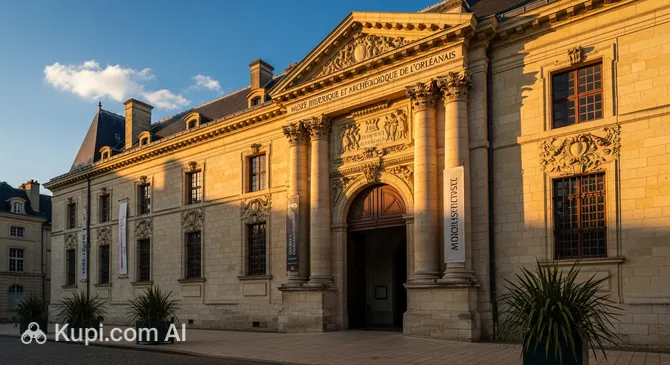
Historical and Archaeological Museum of Orléans
Historical and Archaeological Museum of Orléans. Иллюстрация. Источник: Kupi.com AI

The building itself is an exhibit: its facade, designed by architect Jacques I Androuet du Cerceau, is decorated with elegant columns and carved decor in the Henry II style. The museum holds the prestigious Musée de France status and is considered one of the region's most important cultural institutions, offering visitors a deep dive into the history of the Loire Valley.

The collection's crowning glory is the legendary "Treasure of Neuvy-en-Sullias". This is a unique collection of Gallo-Roman bronze figurines, including the figure of a majestic horse that has become the museum's symbol. In addition to ancient artifacts, it houses evidence of the city's river-faring past, items of everyday life from days gone by, and a rich iconography dedicated to the national heroine, Joan of Arc.

Contacts

For information regarding special exhibitions or group visits, you can use the following contact details:

How to contactContact
Address1, Square Abbé Desnoyers, 45000 Orléans, Франция
Phone+33 2 38 79 25 60
Websitemuseesorleans.fr

What to Do

Start your tour in the archaeology hall, where the famous Treasure of Neuvy-en-Sullias is displayed. While examining the intricate bronze figures of animals and deities, you can imagine how people lived in this region nearly two millennia ago. The architectural fragments are equally interesting: medieval capitals from the Abbey of Saint-Benoît-sur-Loire and unique stuccos that showcase the skill of ancient builders.

History buffs will find the halls dedicated to the river port of Orléans particularly fascinating. Here, you can see detailed models of the ships that once navigated the Loire and learn how the city flourished through the trade of sugar and vinegar. The crafts exhibition is impressive, featuring collections of antique faience, porcelain, and pewter that once graced the homes of the local nobility.

Special attention should be paid to the section dedicated to Joan of Arc. The collection of paintings, engravings, and statues reveals how the image of the Maid of Orléans has changed in art over the centuries. A pleasant bonus for tourists is that a ticket to this museum grants free admission to the Museum of Fine Arts (provided the visit is on the same day), making your cultural program even more rewarding.

Getting There

The museum is located in the heart of the historic center at 1, Square Abbé Desnoyers. Thanks to its convenient location, it is easily accessible on foot from most of the city's iconic landmarks. For instance, a walk from the Sainte-Croix Cathedral takes no more than 10–15 minutes through picturesque ancient streets.

If you prefer public transport, use tram lines A or B. You should get off at the Musée des Beaux-Arts or Cathédrale stops, which are about a 5–10 minute walk from the museum entrance. From the main railway station (Orléans Gare), the walk takes about 20 minutes, but you can save time by taking a tram or bus for a couple of stops.

For those traveling by car, there are paid parking lots in the city center, such as Parking Martroi or Hôtel de Ville. The city is also very bike-friendly: popular cycling routes pass near the museum, and the municipal rental system Vélo'r offers convenient parking nearby.

Ближайший город: Orleans

History & Facts

The history of this cultural institution began in 1823, when Count André-Gaspard-Parfait de Bizemont-Prunelé initiated the creation of an archaeological collection. The official opening took place two years later, and by the mid-19th century, the collection was granted the status of a Historical Museum. The museum found its current home in the magnificent Hôtel Cabu in 1862, when the building was purchased by the city authorities specifically to house the exhibition.

The end of the 19th century was a period of prosperity: thanks to a generous gift from Abbot Desnoyers, who donated more than 4,500 items, the museum became one of the most significant collections of archaeological finds in all of France. However, the mid-20th century brought difficult trials. In 1940, the building was seriously damaged, and it was only through a timely evacuation that most of the unique collections were saved.

The restoration of Hôtel Cabu lasted many years, and it wasn't until 1966 that the museum reopened its doors to the public. At the same time, an important merger with the Museum of Fine Arts occurred, creating a unified cultural space. Today, the museum continues to grow, constantly expanding its funds through regional archaeological excavations and private donations.

In 2025, the museum is preparing to celebrate its grand 200th anniversary. Over two centuries, it has evolved from a modest local collection into a prestigious Musée de France, carefully preserving the memory of centuries of Loire Valley history and its inhabitants.

Time Needed

To leisurely explore all the halls and soak in the atmosphere of the old mansion, it is recommended to set aside 1.5 to 2.5 hours for your visit. This is enough time to study the main treasures of the exhibition in detail without feeling rushed.

Visitors typically spend about 45 minutes on the first floor, which features the famous "Neuvy treasure" and other archaeological finds. Another hour or so is spent discovering the city's history, the crafts collection, and the halls dedicated to river shipping. If you plan to visit a temporary exhibition or linger over the models of old ships, you should allow a little more time in your schedule.

Working Hours

When planning your visit, please note the museum's opening hours. For most of the year (from October to April), the doors are open as follows:

  • Monday: Closed
  • Tuesday — Sunday: 13:00 – 18:00

During the summer period (from May to September), the museum often switches to an extended schedule with morning visiting hours; however, it is recommended to check the official website to confirm the current opening times before your trip.

DayWorking hours
понедельникЗакрыто
вторник13:00–18:00
среда13:00–18:00
четверг13:00–18:00
пятница13:00–18:00
суббота13:00–18:00
воскресенье13:00–18:00

Nearby

Exploring the historic center after visiting the museum will allow you to fully experience the atmosphere of the past and see how different eras intertwine in the city's architecture. Most points of interest are within walking distance, making for an easy and pleasant stroll.

Below are the attractions located in the immediate vicinity of the museum:

NameDistance
La Chopine0.1 km
Petite Saison0.1 km
Joan of Arc Statue0.2 km
Halles Châtelet0.2 km
Le Puits de la Ville0.3 km
Bonne Pioche0.3 km
Breton Crêperie0.3 km

Reached the end of the page?

That means the route is fully explored