Support

Museum of Fine Arts Dijon

About

The Museum of Fine Arts is one of the most brilliant cultural treasures that Dijon takes pride in. Located in the heart of the former capital of the Dukes of Burgundy, it is among the oldest and most prestigious galleries in France. What makes this place unique is its setting in a historic building—the majestic Palace of the Dukes and Estates of Burgundy, whose appearance has been shaped over centuries.
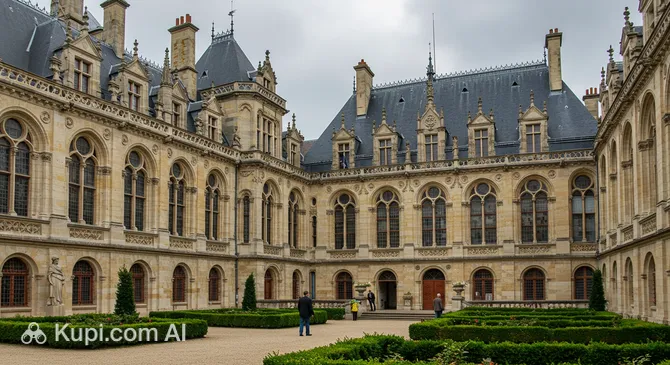
Museum of Fine Arts of Dijon
Museum of Fine Arts of Dijon. Иллюстрация. Источник: Kupi.com AI

Inside the museum, guests will find an impressive collection of approximately 130,000 works of art. It houses masterpieces spanning a colossal timeline—from antiquity to the mid-20th century. Walking through the halls, visitors can see not only classical painting and sculpture but also rare pieces of decorative arts that reflect the spirit of various eras.

The museum's significance goes far beyond a simple exhibition space. It is a place where the architectural grandeur of the past meets the finesse of artistic genius, creating a unique atmosphere for every guest. Whether you are a seasoned art historian or simply a curious traveler, this museum is sure to leave a lasting impression.

Contacts

To plan your visit, you can use the official contact details. Museum staff can provide information about temporary exhibitions or rules for group visits.

How to contactContact
AddressPalais des ducs et des Etats de Bourgogne, Pl. de la Sainte-Chapelle, 21000 Dijon, France
Phone+33 3 80 74 52 09
Websitebeaux-arts.dijon.fr

What to Do

Within the museum's walls, visitors will encounter world-class masterpieces. The painting galleries feature works by renowned masters such as Titian, Delacroix, Manet, and Monet. Special attention should be paid to Renaissance art and the Impressionist collections, as well as works by local luminaries, including sculptor François Rude and painter Jean-Baptiste Lallemand.

The absolute highlight of the visit is the massive Gothic hall. This is where the magnificent tombs of the Dukes of Burgundy—Philip the Bold and John the Fearless—are located. These 15th-century monumental structures, made of alabaster and marble, are considered the pinnacle of medieval funerary art. Be sure to look closely at the "mourner" figurines at the base of the tombs: each one is crafted with remarkable individuality and expression.

Beyond viewing the exhibits, take time to simply wander through the palace interiors. The combination of ancient masonry, high vaults, and elegant halls provides a unique backdrop for the artworks, turning a museum visit into an atmospheric journey through time. The open layout allows you to choose a route to your taste, whether it's exploring medieval artifacts or admiring modern graphics.

Getting There

The museum is located in the heart of the historic center, making it easily accessible for any visitor. The most pleasant way to reach the Palace of the Dukes of Burgundy is a walk from the city's central square or the main train station, which takes no more than 10–15 minutes.

Dijon's public transport network also offers convenient options: bus and modern tram routes pass nearby. The closest stops are within walking distance, and street signs will help you find your way quickly. If you prefer comfort, you can take a taxi directly to Place de la Sainte-Chapelle.

For those driving, there are public parking lots in the vicinity. However, keep in mind that the central part of the city is partially pedestrianized, so it is best to leave your car at one of the parking areas outside the historic core and enjoy a walk through the ancient streets to the museum entrance.

Ближайший город: Dijon

History & Facts

The museum was founded in 1787, at the height of the Enlightenment, making it one of the oldest art institutions in the country. It was established by François Devosge, who had founded a drawing school in the city back in 1767. Initially, the collection served as a practical resource for young artists, allowing them to study the techniques of the great masters through real-life examples.

The events of the French Revolution significantly influenced the museum's development, as it began to receive artworks from nationalized collections. Over the years, the collection grew and strengthened, evolving from a classroom into one of France's most important cultural centers.

In the mid-20th century, museum staff made heroic efforts to save the masterpieces. The most valuable exhibits were evacuated and safely hidden, ensuring that the collection has reached us today in near-perfect condition. Today, the museum is not just a repository for paintings, but a true symbol of Burgundy's long and rich history.

Time Needed

To thoughtfully explore the museum's vast collection and enjoy the architecture of the palace itself, it is recommended to set aside 2 to 4 hours. This is enough time to see the main painting highlights and visit the famous Gothic hall with the ducal tombs.

For those who prefer to study every exhibit in detail or plan to visit temporary exhibitions, a half-day might be necessary. The extensive holdings and numerous galleries across several levels invite a slow and mindful appreciation of the art.

Working Hours

The museum doors are open to guests throughout the week, except for Tuesdays, when maintenance and research work are conducted in the galleries. On all other days, the museum operates on a consistent schedule: from 09:30 to 18:00.

Monday, Wednesday, Thursday, Friday, Saturday, and Sunday are ideal times to visit. Remember that the museum is closed on Tuesday, so plan your Dijon itinerary with this day off in mind.

DayWorking hours
Понедельник9:30 – 18:00
ВторникЗакрыто
Среда9:30 – 18:00
Четверг9:30 – 18:00
Пятница9:30 – 18:00
Суббота9:30 – 18:00
Воскресенье9:30 – 18:00

Nearby

Exploring the museum's surroundings is an excellent way to dive deeper into the atmosphere of the Burgundian capital. Since the galleries are located in the very heart of the city, many iconic landmarks are just around the corner.

A stroll through the adjacent neighborhoods will allow you to see magnificent mansions, ancient towers, and grand squares. The table below lists the nearest points of interest:

NameDistance
Palace of the Dukes and Estates of Burgundy0.1 km
Place de la Libération0.1 km
Philippe le Bon Tower0.1 km
Rude Museum0.1 km
Dr. Wine0.2 km
Owl of Dijon0.2 km
Church of Notre-Dame of Dijon0.2 km

Reached the end of the page?

That means the route is fully explored