Support

Arquebuse Botanical Garden

About

The Arquebuse Botanical Garden is a stunning natural oasis located in the heart of the ancient city of Dijon. Spanning approximately 5 hectares, this site is a harmonious blend of a classic landscaped park, a scientific hub, and a museum complex. As one of the most picturesque corners that France offers to tourists, the garden attracts plant lovers with its extensive collection of about 4,000 species.
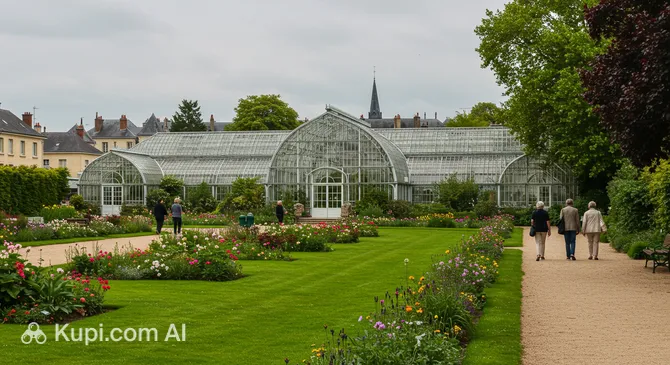
Arquebuse Botanical Garden
Arquebuse Botanical Garden. Иллюстрация. Источник: Kupi.com AI

The park is divided into thematic zones: it features both the unique flora of Burgundy and exotic species from the Mediterranean and subtropics. The complex also includes the Museum of Natural History and the Hubert Curien Planetarium, making a visit to the garden not only pleasant but also extremely educational. It is an ideal place for those who want to swap the city rhythm for the quiet of tree-lined paths and nature contemplation.

A special atmosphere is created by decorative ponds with birds, an old rose garden, and an elegant gazebo known as the "Temple of Love." The Arquebuse Garden is a living monument to science that actively participates in global botanical exchange and remains a favorite spot for strolls for both locals and travelers.

Contacts

To plan your visit or contact the administration of the museum complex, you can use the details provided below. Please note that the facility is managed by city services, and information about special events can be found by phone or through the official Dijon museums portal. It is recommended to save the address in your navigator beforehand, as the park entrance is conveniently located near the train station.

How to contactContact
Address1 Av. Albert 1er, 21000 Dijon, France
Phone+33 3 80 48 82 00

What to Do

There is something for everyone at the Arquebuse Botanical Garden, from peaceful strolls to fascinating scientific discoveries. Begin your exploration with the magnificent rose garden, where you can see the rare "Gloire de Dijon" rose variety. Be sure to find the weeping willow, grown from a cutting taken from Napoleon’s grave, and take memorable photos at the romantic "Temple of Love" gazebo.

Knowledge seekers should visit the Museum of Natural History, located in a historic pavilion. Here, interactive exhibits dedicated to geology, paleontology, and the world of insects await you. If you are visiting with family, stop by the planetarium, which regularly hosts shows about the stars and the structure of the Universe. This is a great opportunity to immerse yourself in the world of science in an accessible and engaging way.

For those seeking relaxation, the garden offers cozy benches by the ponds, where you can watch waterfowl. The park is ideal for picnics on the grass or creative outdoor activities. At different times of the year, temporary exhibitions and festivals dedicated to biodiversity conservation are held here, making every visit to Arquebuse unique.

Getting There

Finding the Arquebuse Garden in Dijon is very easy thanks to its prime location at 1 Av. Albert 1er. The main entrance is just a 5–10 minute walk from the central railway station (Gare de Dijon-Ville), making the park an ideal first stop for tourists arriving in the city by train.

If you are using public transport, the most convenient way is to take tram lines T1 or T2 to the "Gare" stop. The main bus routes of the city's Divia network (No. 1, 3, and 5) also run to the station square. From the city's historical center, you can reach the garden on foot in about 20–25 minutes, enjoying the architecture of the old quarters.

For those who prefer to travel by car, there are parking areas near the park. A great alternative is a bicycle or scooter — the city has a DiviaVélo rental system, and convenient paths lead almost to the very gates of this green oasis.

Ближайший город: Dijon

History & Facts

The history of the Arquebuse Park dates back to the 16th century when this area was used as a training ground for knights and members of the arquebusier guild — shooters of old matchlock muskets. Every August on St. Bartholomew's Day, grand competitions were held here: marksmen aimed at stuffed parrots, and the best shot received the honorary title of "King of the Birds." It was this military past that gave the garden its unusual name.

The transformation of the training ground into a public space began at the end of the 18th century when it was redesigned into an English-style garden. In 1803, the park became municipal property, and in 1833, the collections from the city's first botanical garden, founded by the writer Bénigne Legouz de Gerland back in 1771, were moved here. The Natural History Museum opened its doors in 1836, occupying the building of the former arquebusiers' pavilion.

In the 19th century, the garden witnessed an event of great importance for the region: it was here in 1878 that grape phylloxera was first discovered — a pest that nearly destroyed Burgundy's famous vineyards. Today, the garden continues the traditions of education established during the Enlightenment, remaining an important scientific center that exchanges thousands of seed packets with organizations worldwide every year.

Time Needed

For a leisurely walk through the shaded alleys of the Arquebuse Botanical Garden and to view the plant collection, a typical visitor will need about 1–1.5 hours. This is plenty of time to enjoy the rose garden and see the famous "Napoleon’s willow."

However, if you plan to explore the Museum of Natural History in detail and attend a planetarium show, you should set aside at least 3 hours. Depending on the season and your interest in natural sciences, you could easily spend half a day here, enjoying a break in the green zone away from the city noise.

Working Hours

The Arquebuse Botanical Garden is open to visitors daily, providing access to its green spaces from early morning until late evening. From Monday to Sunday, the park grounds are open from 7:30 AM to 9:00 PM. This schedule allows you to enjoy a walk in both the morning sunlight and the quiet evening hours.

Please note that the Museum of Natural History and the planetarium operate on their own schedules, usually from 9:00 AM to 6:00 PM, and are often closed on Mondays. Before visiting the exhibits, it is recommended to check the current opening hours of the museum buildings on-site or on the city's official website.

7:30 – 21:00

Nearby

Exploring the surroundings of the Arquebuse Garden can significantly enrich your trip, as it sits at the junction of a modern transport hub and the city's historic core. Just a ten-minute walk away, you'll find charming streets where every facade tells the story of the Burgundian region.

Below are the most interesting attractions located within walking distance of the botanical garden:

NameDistance
Natural History Museum of Dijon0.1 km
Le Jura Bar0.3 km
Dijon Cathedral0.5 km
Place Darcy0.5 km
Darcy Garden0.5 km
Porte Guillaume0.6 km
L'Alsacien Dijon0.7 km

Reached the end of the page?

That means the route is fully explored