Support

Les Charmettes - Maison de Jean-Jacques Rousseau

About

In a quiet valley near the city of Chambéry hides a unique monument of history and literature — Les Charmettes. This country estate, carefully preserved today by France, served as the home for the great thinker Jean-Jacques Rousseau between 1736 and 1742. It was here, surrounded by wooded hills, that many of the ideas that later formed the basis of the Age of Enlightenment took shape.
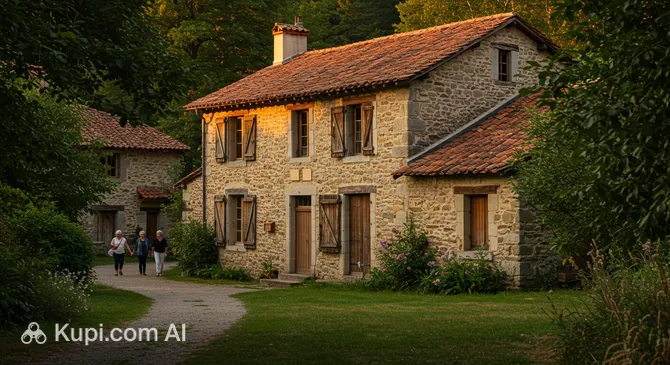
Les Charmettes – Jean-Jacques Rousseau
Les Charmettes – Jean-Jacques Rousseau's House. Иллюстрация. Источник: Kupi.com AI

Today, it is not just a building, but a museum of literary memories and a protected natural site. The estate has preserved its 18th-century atmosphere, allowing visitors to touch the daily life of the philosopher and his mentor, Madame de Warens. Since 1905, the site has been recognized as a historical monument, serving as an important place of pilgrimage for those seeking inspiration in the silence and beauty of nature.

Les Charmettes is rightfully considered the cradle of Romanticism. The house is situated at an altitude of 390 meters and is surrounded by a magnificent botanical garden, which emphasizes the significance of Rousseau's ideas about the harmony between man and the world around him. This place is ideal for quiet reflection and discovering the cultural heritage of Savoy.

Contacts

To find out the latest information on special events or group visits, you can contact the museum administration directly.

How to contactContact
Address890 Chem. des Charmettes, 73000 Chambéry, Франция
Phone+33 4 79 33 39 44
Websitewww.chambery.fr

What to Do

A visit to the museum offers guests a rare opportunity to look into the past and see the world through the eyes of the great philosopher. Inside the house, you can explore the authentic living rooms, where Rousseau's personal belongings and documents are preserved. Of particular interest are the interiors decorated with exquisite trompe-l’œil paintings and rare historical wallpapers, which create a sense of complete immersion in the 18th century.

Be sure to set aside time for a walk through the French garden. This is not just a decorative park, but a living exhibition: a collection of medicinal plants, vegetables, and fruits that were grown on the estate during the writer's life has been recreated here. The garden is divided into plots with spices and healing herbs, allowing you to appreciate Rousseau's passion for botany.

In addition to the permanent exhibition, Les Charmettes often hosts temporary exhibitions and cultural events dedicated to the Age of Enlightenment and human rights issues. The estate's terraces offer breathtaking panoramic views of the Chambéry valley, making this a superb spot for contemplation and photography.

Getting There

There are several ways to reach this secluded corner of history. The museum is located at 890 Chemin des Charmettes, which is about a 20–30 minute walk from the city center; however, the path goes uphill, so be prepared for a bit of a hike.

If you prefer public transport, take bus line 15. You will need the Charmettes stop, from which it is just a short walk. You can easily check schedules and routes on the city's official transport portal.

For travelers with families or those who prioritize maximum comfort, a taxi or personal car is the best option. The trip from the central station takes no more than 10 minutes, quickly transporting you to a quiet rural valley far from the city noise.

Ближайший город: Chambéry

History & Facts

The history of this place is inextricably linked to the fate of Jean-Jacques Rousseau, who found refuge here in 1736. The young philosopher, fleeing the hardships of his apprenticeship, settled in the estate with Françoise-Louise de Warens. Rousseau affectionately called his patroness and lover "Maman," and it was the years spent with her at Les Charmettes that he would later call the happiest time of his life.

His stay in these parts had a colossal impact on world literature. The rural landscapes and the atmosphere of solitude inspired Rousseau to write key chapters of his famous "Confessions." Descriptions of walks around Chambéry laid the foundations of European Romanticism and awakened a sincere love for nature in the readers of that time.

In the 19th century, after the thinker's death, the house became a true object of pilgrimage. Les Charmettes was visited by such prominent figures as Lord Byron, Alphonse de Lamartine, and George Sand. Thanks to the efforts of local enthusiasts, the estate began operating as a museum as early as the beginning of the 1800s, and in 1905, it officially received the status of a historical monument.

Time Needed

For a standard introduction to the house-museum and a walk through the adjacent garden, 1.5–2 hours is sufficient for most travelers. This time is enough to see the interiors, visit every room, and enjoy the views of the valley.

If you are a fan of Rousseau's work or are interested in botany, it is worth allowing about 3 hours. Carefully reading the information materials and studying the collection of medicinal herbs in the garden requires a more leisurely pace, which perfectly suits the spirit of this "place of solitude."

Working Hours

Les Charmettes Museum usually welcomes visitors from Tuesday to Sunday. The estate doors are open from 10:00 to 18:00, providing ample time for a thoughtful tour. Please note that Monday is a day off, when access to the grounds is closed.

Since the opening hours may change depending on the season or special events, it is recommended to check the information on the official website of the city of Chambéry before your trip. A pleasant bonus for tourists is that access to the gardens and the museum is often provided free of charge.

DayWorking hours
понедельникЗакрыто
вторникЗакрыто
средаЗакрыто
четвергЗакрыто
пятницаЗакрыто
суббота10:00–18:00
воскресенье10:00–18:00

Nearby

A visit to Rousseau's house can easily be combined with a walk to other historical sites in the region. The museum's location in a picturesque valley allows you to enjoy not only literature but also the magnificent architecture of old Savoy.

Exploring the surrounding area will help you feel more deeply the atmosphere of the city, which for centuries served as a residence for dukes and an important cultural center. Below are the most interesting sites located nearby:

NameDistance
Le Win's Field0.8 km
Le 22 Chambéry1.2 km
Eureka Gallery1.3 km
Bloomy Brunch & Coffee Chambéry1.4 km
Saint-François-de-Sales Cathedral1.4 km
Buisson-Rond Park1.4 km
Savoisien Museum1.5 km

Reached the end of the page?

That means the route is fully explored