Support

Frankfurt Oder

Attractions

About

Frankfurt (Oder) is more than just a dot on the map; it is a true "gateway to Europe" situated on the picturesque banks of the Oder River. This cozy city in the far east of the country, where Germany borders Poland, boasts a unique atmosphere of good neighborliness and cultural exchange. Here, German thoroughness harmoniously intertwines with Slavic soulfulness, creating a special rhythm of life that is impossible to mistake for anything else.
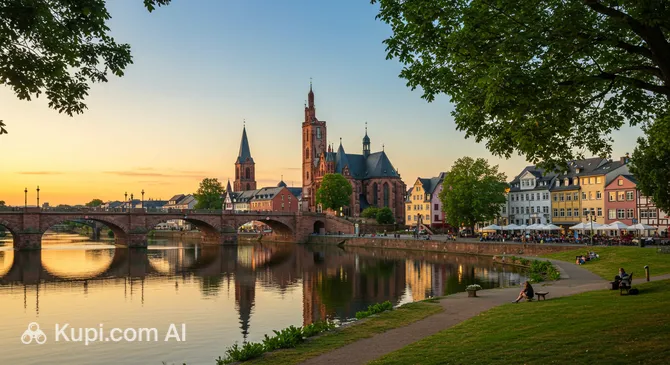
Frankfurt an der Oder. Illustration.
Source: Kupi.com AI

With a population of about 57,000 people, the city maintains an intimate and calm feel, perfect for leisurely strolls. At the same time, Frankfurt (Oder) is far from sleepy: life here is bustling thanks to the students of the prestigious European University Viadrina, who fill the ancient streets with youthful energy. The climate is mild, ideal for walks along the green embankment and through the numerous parks that are the pride of local residents.

The city's architectural appearance is captivating: Gothic churches stand alongside modern street art, creating a unique contrast. The rich history of Frankfurt (Oder) can be felt at every step, from majestic monuments to cozy squares. One of the main features is the famous city bridge, Stadtbrücke, connecting the German bank with the Polish city of Słubice — a symbolic place where you can literally walk to another country on foot.

This city is worth visiting for long walks, gastronomic discoveries in local cafes, and its special "borderline" charm. Frankfurt (Oder) will give you a sense of comfort and the opportunity to see how harmoniously the cultures of two nations can coexist in a single urban space.

Weather Overview

The climate in Frankfurt (Oder) can be described as temperate, with comfortable summers and cool winters. All four seasons are clearly defined, giving the city a special charm in any season. In summer, especially in July and August, the average temperature stays at a pleasant mark of about 20°C, periodically reaching a maximum of 25°C. This is an ideal time for sightseeing, although you should be prepared for precipitation: rain in the summer is not uncommon, averaging about 12 days a month.

The winter months bring cool air and high humidity. In January and February, the air cools down to average values of 2–3°C, and nighttime temperatures often drop to zero or slightly below. Although heavy snowfalls are infrequent, the number of damp days in winter remains high — up to 14 days a month. The shoulder seasons, especially May and September, delight with mild weather and temperatures ranging from 14°C to 16°C, making these months an excellent alternative for travel.

Overall, the weather in Frankfurt (Oder) is favorable for tourism most of the year. Expect fairly warm summers with occasional rain and cool, often overcast winters without extreme frosts. To enjoy your walks around the city to the fullest, we recommend bringing comfortable clothing and an umbrella regardless of the season.

Average monthly temperature

Average monthly precipitation

Interesting Facts

In addition to its main attractions, Frankfurt (Oder) hides many fascinating secrets and historical mysteries that reveal themselves only to the most curious travelers. Here are a few facts to help you better understand the character of this border city.

  • A University with Five Centuries of History. The city is famous for its European University Viadrina, which was founded back in 1506. It is one of the oldest educational institutions in the country, where outstanding European minds have studied for centuries. Today, students from dozens of countries maintain a unique atmosphere of multiculturalism and intellectual inquiry.

  • Birthplace of Heinrich von Kleist. Frankfurt (Oder) is the hometown of the great poet and playwright Heinrich von Kleist. Residents carefully honor the memory of their famous fellow citizen: the city theater bears his name, as do prestigious literary prizes awarded right here.

  • The Mystery of the Nursing Woman. One of the city's secrets is the statue of a nursing woman, which sparks heated debates among art historians and tourists. Interpretations vary: some see it as a bold reimagining of the Roman wolf, while others consider it a touching symbol of motherhood and care for the future.

  • Legacy of Wealthy Merchants. In the Middle Ages, the city was a thriving center of trade, and local merchants were famous for their initiative far beyond the region. The basis of their wealth was the salt and wine trade — it was these goods that allowed the city to develop and build impressive structures, many of which have survived to this day.

  • A Stage Above the River. The bridge over the Oder here serves not only as a crossing but also as a cultural venue. Frankfurt (Oder) is known for its unusual festivals, including musical performances that take place directly on the bridge, symbolically uniting the banks.

How to Get There

Frankfurt (Oder) is conveniently located on the border of Germany and Poland, offering travelers many routes for a visit. You can find out more about how to get to Frankfurt (Oder) on our dedicated page, and below we will look at the main transport hubs through which the path to this city lies.

Frankfurt (Oder) itself does not have its own airport, so most tourists fly into neighboring large cities. The most convenient and closest option is Berlin Brandenburg Airport (IATA: BER), located near Berlin, just 71.5 km from Frankfurt (Oder). This is the region's main international hub with a huge number of flights. The journey by taxi or rental car from there will take about 1 hour thanks to excellent autobahns.

An alternative solution, especially for travelers from Eastern Europe, could be Poznań Airport (IATA: POZ). It is located in the Polish city of Poznań, about 155 km from Frankfurt (Oder). The travel time by car from this airport is about 2 hours via the high-speed highway. You can also consider flying into Dresden International Airport (IATA: DRS), located in Dresden (145 km), if your route takes you through Saxony.

For convenience, here is a summary of the main nearby airports:

AirportPassenger trafficDistance
Berlin Brandenburg25.5 mln71 km
Zielona Gora-Babimost Airport82 88788 km
Goleniow Airport483 000140 km
Dresden International Airport929 928146 km
Poznan Airport2.8 mln155 km

Railway connections in the region are also excellently developed. The nearest key station for international trains is Berlin Hauptbahnhof, located in Berlin, 83 km from Frankfurt (Oder). From this station, regional express trains (RE1) depart regularly (usually every 30 minutes), taking you quickly and comfortably straight to the city center. A car trip from Berlin station to Frankfurt (Oder) will take just over 1 hour.

If you are coming from the Polish side, an important transport hub is the Poznań Główny station (about 161 km from Frankfurt (Oder)). From here, you can also continue your journey by international train or by road, which will take about 2 hours.

Below is a table with information about the nearest major railway stations:

StationPassenger trafficDistance
Berlin Ostbahnhof Station36.5 mln78 km
Berlin Hauptbahnhof127.8 mln83 km
Berlin Zoologischer Garten Station36.5 mln85 km
Dresden Hauptbahnhof21.9 mln146 km
Poznań Główny Railway Station24.9 mln161 km

Main Attractions

Frankfurt (Oder) offers travelers an interesting blend of historical heritage and modern urban life. Although the city suffered greatly during World War II, iconic monuments have been preserved and restored, and they are definitely worth seeing. A walk through the center will introduce you to majestic Brick Gothic architecture, cozy parks, and great places for relaxation.

The absolute architectural focal point of the city is St. Mary's Church (St. Marienkirche). This is one of the largest hall churches in the North German Brick Gothic style. Its majestic silhouette is visible from afar, and the building's history spans more than seven centuries. Special attention should be paid to the famous medieval stained-glass windows, which are considered a true treasure of European art. Next to the church is the Town Hall, another beautiful example of historical development that creates the unique atmosphere of the market square.

For literature fans, the Kleist Museum is a mandatory stop. It is dedicated to the life and work of the great playwright Heinrich von Kleist, who was born in this city. The exhibition is housed in the beautiful building of a former garrison school and is considered one of the best literary collections in Europe. After immersing yourself in history and culture, many tourists prefer to switch to more modern entertainment.

Südring Center. Illustration.
Source: Kupi.com AI

Traveler photos:

Shopping enthusiasts should check out the Südring Center. This is a large shopping complex where you can find many clothing, electronics, and gift stores. It’s a convenient place to take a break from sightseeing, buy essentials or souvenirs, and simply relax from the city bustle in a comfortable environment.

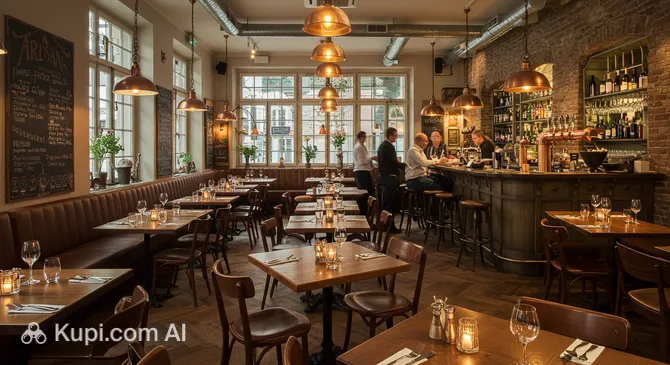
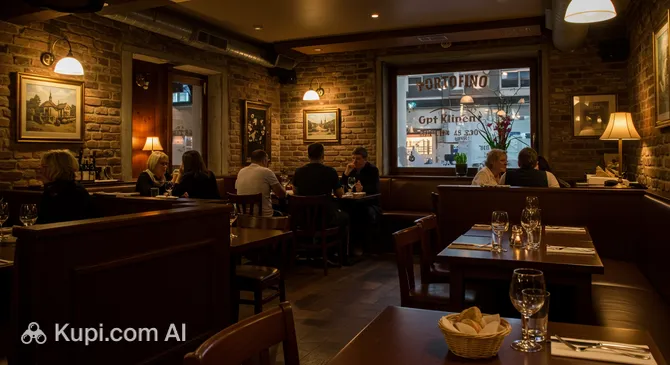
The city's gastronomic map also deserves attention. If you are looking for a cozy place for dinner, consider Portofino Restaurant. This establishment is popular for its pleasant atmosphere and delicious cuisine, making it an excellent choice for ending a busy day. Another interesting spot is Artisan — a restaurant where you can appreciate the skill of local chefs and enjoy quality service.

Portofino Restaurant. Illustration.
Source: Kupi.com AI

Traveler photos:

Local Cuisine

The gastronomic palette of Frankfurt (Oder) is rich in pleasant discoveries and reflects the city's unique position at the crossroads of cultures. Local cuisine traditionally combines German heartiness and Polish piquancy. The main culinary symbol of the region is considered to be Oder Pike-Perch. This fresh fish, caught in local waters, is usually baked with aromatic herbs and vegetables, creating a dish that every visitor to the city must try.

For lovers of meat delicacies, there is a real bounty here: dishes made from game and seasonal vegetables are highly prized. At the city markets, look out for smoked sausages and homemade cheeses from local farmers — these products are rarely found in ordinary supermarkets. Those with a sweet tooth will enjoy poppy seed buns, apple strudels, and, of course, the famous Polish donuts, which are prepared here with special skill, following the traditions of the neighbors.

The city is also famous for its drinks. In bars, you can taste craft beer brewed with local honey and herbs, as well as rare varieties of brews from Germany and Poland. Those who prefer non-alcoholic options will appreciate original fruit lemonades made from family recipes. In the autumn, apple cider becomes the king of the table at the fairs.

Artisan. Illustration.
Source: Kupi.com AI

Traveler photos:

Dining culture in Frankfurt (Oder) is very casual: people here love both street food at festivals and long dinners in cozy establishments. If you are looking for a place where you can enjoy quality cuisine and feel the atmosphere of the city, stop by the restaurant Artisan. This is an excellent location to get acquainted with the gastronomic traditions of the region in a comfortable setting.

Travel Tips

Preparing for your trip to Frankfurt (Oder) will help you avoid minor inconveniences and focus on exploring this unique border city. We have gathered the most important recommendations to make your journey comfortable and carefree.

  1. Clothing and Accessories. The weather in the region is changeable, so dress in layers to easily adapt to temperature fluctuations. Be sure to bring comfortable flat shoes, as the historical center is paved with cobblestones, and long walks in heels will be a challenge. To charge your gadgets, use a standard European adapter (type F, two round pins).

  2. Transport. The city center is quite compact and is best explored on foot. For longer distances, use the local network of trams and buses. Conveniently, there is a cross-border bus route connecting Frankfurt (Oder) with the Polish city of Słubice — a single fare applies. Renting a car within the city is not necessary as public transport works excellently.

  3. Finances and Payment. The official currency is the Euro. Although Germany is a modern country, the culture of cash is still strong here. Cards are accepted in supermarkets and large restaurants, but small cafes, bakeries, and kiosks often ask for cash. It is customary to leave a tip of 5–10% of the bill or simply round up the total amount when paying.

  4. Health and Safety. The city is safe for tourists, but standard precautions are always good practice. Pharmacies are easily recognized by the red letter "A" (Apotheke). If you need medicine at night or on a Sunday, look for the address of the emergency service point on the door of any pharmacy. The emergency number is 112.

  5. Communication and Language. The main language is German. In tourist spots and thanks to the large student population, many people speak English. For mobile internet, it is more cost-effective to buy a local SIM card at a supermarket or mobile shop (a passport is required for registration). Free Wi-Fi is often available in cafes and at the station.

  6. Local Etiquette. When entering any small shop or cafe, it is customary to greet the staff ("Hallo" or "Guten Tag"). Germans highly value peace and order, especially on Sundays (Ruhetag), when all shops except those at stations and gas stations are closed. Plan your shopping ahead so you don't run out of groceries on the weekend.

  7. What to Avoid. The main rule for pedestrians: never walk on bicycle paths. They are usually highlighted by color or markings on the sidewalk. Cyclists ride fast and expect a clear path, so breaking this rule can lead to conflict or even injury. Also, you should not cross the road on a red light, even if the street is empty — this is frowned upon by local residents.

  8. Border Tip. Take advantage of the city's unique location and walk across the bridge into the Polish city of Słubice. This requires no visas or checks (within the Schengen area), but allows you to instantly change your surroundings, try Polish cuisine, and shop at lower prices. Many establishments there accept Euros, but it's better to have some cash Złoty or a card.

By following these simple tips, you can easily blend into the rhythm of life in Frankfurt (Oder) and get the most out of your trip. May your journey at the intersection of two cultures be filled only with pleasant discoveries and positive emotions!

Entertainment & Nightlife

Nightlife in Frankfurt (Oder) has its own special, intimate character, which is very different from the bustling vibes of Berlin. You won't find endless raves here, but thanks to its status as a university city, the evenings are lively and atmospheric. The main driver of nocturnal fun is the students of Viadrina University, so most venues cater to a young, casual crowd, and prices remain quite affordable compared to Germany's major metropolises.

The epicenter of evening activity is the city center (Zentrum) and the Oder embankment. During the warmer months, life thrives right by the river: young people gather on Ziegenwerder Island or in bars by the bridge, enjoying the view of Poland. There is virtually no dress code in local establishments — casual style is appropriate everywhere, from pubs to nightclubs. The most popular parties are often organized by student communities, so keep an eye out for posters on campus or in the city center.

A classic evening in Frankfurt (Oder) typically begins with a leisurely dinner in good company. Portofino Restaurant is perfect for this, where you can enjoy a glass of wine and Italian dishes in a cozy setting while getting ready for the night ahead. If you prefer more refined gastronomy before heading to a bar, it's worth booking a table at Artisan. This place is famous for its attention to detail and is great for long evening conversations.

In terms of safety, Frankfurt (Oder) is a quiet city. Walking through the well-lit central streets after dark is generally safe. Public transport runs on schedule, but services become less frequent at night. The most convenient way to get to your hotel after a party is to call a taxi; stands are usually located at the station and in the center, but it's better to have a local service number handy or use an app. The average price for a cocktail in a bar ranges from 6 to 9 euros.

Daytime entertainment in the city is more traditional and calm. Culture lovers should visit the "Kleist Forum" — the city's main theater and concert venue, which regularly hosts guest performances and festivals. For those who prefer active recreation or shopping, the Südring Center opens its doors, where you can not only shop but also have a pleasant time between excursions.

Parks & Museums

Frankfurt (Oder) is a city that harmoniously combines a rich cultural program with opportunities for peaceful relaxation in nature. Here, ancient parks flow seamlessly into city streets, and museum collections are capable of surprising even sophisticated lovers of art and history.

The city's true pride is Lenné Park, which is considered one of the oldest public parks in Germany. Designed by the famous landscape architect Peter Joseph Lenné, this green oasis stretches along the former fortress walls, encircling the historical center. It is an ideal place for leisurely strolls among centuries-old trees, picturesque ponds, and sculptures. Tourists appreciate the park for its atmosphere of tranquility and the chance to escape the city's hustle and bustle without leaving the center.

A completely different set of impressions is offered by Ziegenwerder Island (Insel Ziegenwerder), located right in the middle of the Oder River. This natural corner is a unique combination of wild nature and a well-maintained park area. Winding paths are laid out here, offering magnificent views of the river and the Polish bank. The island is particularly popular in the warmer months: an open-air cinema operates here, and the manicured gardens become a magnet for picnics and romantic meetings.

Among cultural institutions, a special place is held by the Museum Viadrina, located in the historical Junkerhaus building. This is the main treasury of the city's memory, where you can trace the history of Frankfurt (Oder) from a medieval trading center to a university city. The exhibition includes rare everyday items, old documents, and works of art that tell of the region's rich past. A visit to the museum allows for a deeper understanding of the city's spirit and its role in European history.

No less significant is the Brandenburg Museum for Modern Art (BLMK), which has a branch in the Town Hall building and the former Packhof warehouse. It houses one of the world's largest collections of art from the GDR and contemporary German painting, graphics, and photography. The gallery attracts those interested in 20th and 21st-century visual art, offering bold and provocative exhibitions that make you think and look at familiar things from a new angle.

For those looking for hidden gems, we suggest looking into the Botanical Garden on Lienaustraße. This is an intimate and very cozy place with an impressive collection of plants from all over the world. In spring and summer, the garden turns into a blooming paradise, perfect for beautiful photos and meditative relaxation away from the tourist crowds.

Getting Around

The transport system in Frankfurt (Oder) is compact, straightforward, and perfectly integrated into the general Berlin-Brandenburg region network (VBB). The city is not so large that you'll spend hours traveling, but public transport here works with German precision, allowing you to quickly get from the railway station to the historical center, the university, or the distant green districts.

The backbone of city travel is the trams. This is the most popular and romantic mode of transport here: several lines (designated by numbers 1, 2, 3, etc.) connect the city's key points. Trams run frequently, and they are modern and comfortable. Supplementing them is an extensive network of bus routes. A unique feature of the local system is Bus 983. This is a true international route on a city scale: it connects the Frankfurt (Oder) station with the Polish city of Słubice, crossing the bridge over the Oder. It is the easiest way to visit the neighboring country in just a few minutes.

The fare payment system is unified with the VBB regional tariff. For tourists, two types of tickets are most relevant: Einzelfahrausweis (a single ticket valid for a certain time with transfer possibilities) and Tageskarte (a day pass, which is cost-effective if you plan more than two trips a day). The validity zone for the city is usually marked as "Frankfurt (Oder) AB." If you plan a trip to Słubice on Bus 983, make sure your ticket covers this zone (often city tickets are valid to the first stop in Poland, but it's best to check the current rules on a display or with the driver).

Tickets can be purchased at special machines at major stops (which accept coins, bills, and often cards), from bus drivers (it's advisable to have change), or through the VBB Bus & Bahn mobile app. Using the app is the most convenient option for a tourist, saving you from having to deal with loose change and the German interface of the machines. Prices here are lower than in the regional capital: a single trip costs about 2–2.50 euros.

A crucial detail that must not be forgotten: a purchased paper ticket must be stamped (validated) immediately upon entering the tram or bus. Look for small validator boxes on the handrails for this. A ticket without a time stamp is considered invalid, and fines for fare dodging are quite substantial. If you buy a ticket in the mobile app, it is usually activated immediately or for a selected time.

As an alternative to public transport, the bicycle is very popular in Frankfurt (Oder). The city's terrain, especially along the embankment, is well-suited for cycling. Rental points can be found near the station or in the center. Taxis are also available: cars usually wait for passengers at stands near the station and in the center, but it's difficult to hail one "from the curb" on the street — it's better to order by phone or through local apps. However, given the compactness of the historical center, many attractions can be easily reached on foot.

Accommodation

Frankfurt (Oder) is a welcoming city offering travelers comfortable accommodation options for any budget. Located in the eastern part of Germany, it doesn't have massive resort complexes, but it is famous for its cozy hotels, family pensions, and modern apartments where you can feel right at home.

Most guests prefer to stay in the Zentrum (Center) district. This is the most convenient location: the main attractions, parks, and the Oder embankment are within walking distance, and there are many cafes and shops around. Another popular area is the zone around the railway station. This is a strategic choice for those planning active trips to Berlin or neighboring Poland, providing excellent transport accessibility.

The city's hotel stock is mainly represented by mid-range hotels (3–4 stars), combining quality service and reasonable prices. Here you can find both familiar chain hotels in modern buildings and small historical hotels with a special atmosphere. For students and young people, budget hostels are available, while fans of independence are increasingly choosing to rent private apartments via online platforms.

The pricing policy in Frankfurt (Oder) compares favorably with the capital, Berlin. The cost of living here can be described as moderate. A night in a standard double room will cost significantly less than in large metropolises, while maintaining the high German standard of service quality.

Booking Tip: Although the city is rarely overcrowded with tourists, demand for housing increases significantly during the summer holiday season or during major university events. We recommend booking your preferred options in advance, at least a few weeks before your trip, to guarantee the best price-to-quality ratio.

Nearby Cities

For those who want to explore the surroundings, Frankfurt (Oder) serves as an excellent starting point for day trips to several interesting nearby locations:

Just 23 km from the city is Eisenhüttenstadt. This is a unique architectural monument, designed as an ideal socialist city for the workers of an integrated iron and steel works. Tourists come here to see the complete architectural ensemble of the 1950s and visit the Documentation Center for Everyday Culture of the GDR.

History and nature enthusiasts should head to Fürstenwalde, located 33 km away. The main attraction here is the majestic St. Mary's Cathedral, one of the most significant examples of Brick Gothic in the region. The city is also famous for its green areas and the picturesque banks of the Spree River.

A little further away, 67 km, is Cottbus — the second-largest city in the state of Brandenburg. It is famous for the magnificent Branitz Park, created by Prince Pückler-Muskau, where you can see unique water pyramids. The city's historical center with its market square and old buildings also deserves a leisurely stroll.

CityPopulationDistance
Słubice16 4951 km
Eisenhüttenstadt23 37323 km
Kostrzyn nad Odrą18 12528 km
Fuerstenwalde32 12033 km
Sulecin9 97840 km

These nearby destinations offer an insight into the region's diverse culture and landscapes.

Shopping & Souvenirs

Shopping in Frankfurt (Oder) is characterized by a calm pace and the absence of metropolitan bustle. You won't find endless blocks of luxury boutiques like in the major cities, but the city offers an excellent balance between modern shopping centers and cozy private shops. A unique feature is the opportunity to shop in two countries at once: the proximity of the Polish border significantly expands the range and price spectrum of available goods, turning a shopping trip into a small international adventure.

Main Shopping Streets. The main artery of the city's trade is considered to be Karl-Marx-Straße. This lively street runs through the center and is full of clothing and shoe stores, bookstores, and pharmacies. Strolling here, you can find both familiar European mass-market brands and small boutiques with an interesting selection. It's also worth turning into the historical alleys, for example, Große Scharrnstraße, where more intimate shops and services can be found.

Shopping Centers. For those who prefer comfortable shopping under one roof, the main attraction is the Südring Center. This is a large complex featuring a wide selection of electronics, fashion, household goods, and grocery supermarkets. It is a convenient place for large purchases or just to relax in the food court area after long walks around the city.

Markets. You can experience the real taste of the region at the weekly markets. On the central Market Square (Marktplatz), trading stalls are regularly set up where farmers from the state of Brandenburg offer fresh seasonal vegetables, fruits, homemade cheeses, and meat delicacies. Additionally, many tourists take the opportunity to cross the bridge into the Polish city of Słubice, where a large market ("Polenmarkt") operates with very reasonable prices for clothing, food, and souvenirs.

Souvenirs. As a memento of your trip, it's worth bringing home items related to the city's cultural heritage. Books and souvenirs featuring symbols of the poet Heinrich von Kleist are popular. Gastronomic gifts are also valued: local honey, fruit liqueurs, or the famous Spreewald gherkins from the neighboring region. Pottery enthusiasts can find interesting handmade items in small art workshops.

Opening Hours and Payment. Most shops are open Monday through Saturday from 9:00–10:00 to 18:00 or 20:00. Large supermarkets may stay open until 22:00. It is important to remember that Sunday is a rest day (Ruhetag) in the country, and almost all retail outlets are closed, except for shops at the station. Although Germany is a modern country, small shops, bakeries, and markets often prefer cash, so always have banknotes with you. In shopping centers, cards are accepted everywhere.

Tax Free. Tourists residing permanently outside the European Union can use the tax refund system (Tax Free). If you make a purchase over 50 euros in a store with a Global Blue sign or similar, don't forget to ask for a special form (Tax Free Form) to later refund part of the cost at customs when leaving the EU.

Reached the end of the page?

That means the route is fully explored