Support

Hamm

About

Hamm is a cozy and remarkably green city situated on the picturesque banks of the Lippe River. Located in the northeast of North Rhine-Westphalia, it occupies a strategically important position between the dynamic Ruhr region and the tranquil rural landscapes of Münsterland. For many travelers attracted to Germany, Hamm becomes a discovery thanks to its ability to harmoniously blend industrial heritage with natural beauty.

Hamm. Illustration.
Source: Kupi.com AI

With a population of about 179,000 people, the city is rightfully considered a major regional center, yet it maintains a special, measured atmosphere. Walking through the streets, you will notice how modern infrastructure neighbors historic buildings. The rich history of Hamm can be traced in its architecture: from ancient castles to repurposed industrial sites that have become new symbols of the city.

Among the key attractions, Maximilianpark stands out, home to the famous "Glass Elephant"—a giant sculpture that has become the city's trademark. Fans of unusual architecture and culture will also be surprised by the Sri Kamadchi Ampal Temple—one of the largest Dravidian Hindu temples in Europe, which adds bright colors to the urban landscape. Additionally, Hamm is famous for its castles, such as Schloss Heessen, surrounded by scenic parks.

Arriving in Hamm, you will feel a surprising harmony between the past and the present. The hospitality of the locals, the abundance of greenery, and the opportunity to escape the city bustle make this place an excellent choice for a peaceful and informative getaway.

Weather Overview

The city's climate is characterized by mildness and the absence of extreme temperature fluctuations, which makes traveling comfortable almost any time of the year. Expect moderately warm summers with occasional precipitation and cool, fairly damp winters.

The summer season here delights with pleasant warmth without exhausting heat. Traditionally, the "hottest" month is August, when the daily maximum reaches an average of 23.8°C, and the average temperature stays around 19.3°C. This is an ideal time for visiting festivals and taking long walks. However, it is worth remembering that even in summer, rain is not uncommon: for example, in July and August, there are 13 to 14 rainy days.

Winters in the region are mild but damp. In January, the coldest month, the average temperature is 3.7°C, rarely dropping below 1.6°C. During this period, the number of days with precipitation reaches its peak—up to 18 days per month. To properly plan your wardrobe and choose successful dates for your trip, we recommend checking the weather in Hamm in advance for the time of your visit.

Average monthly temperature

Average monthly precipitation

Interesting Facts

Beyond its main attractions, Hamm holds many fascinating secrets and unexpected stories that reveal themselves only to curious travelers. Here are a few facts to help you look at this German city from a new perspective:

  • Symbol of Transformation. One of the city's most unusual attractions is the "Glass Elephant." This giant greenhouse sculpture was created based on a former industrial coal-washing building. Today, this futuristic object attracts tourists from all over the world and symbolizes the city's transition from an industrial past to a cultural future.

  • Exotica in the Heart of Europe. Surprisingly, Hamm is home to one of the largest Hindu temples on the continent—the Sri Kamadchi Ampal Temple. It is not just a religious center but also a venue for an annual colorful festival that attracts thousands of guests wishing to experience unique Eastern traditions.

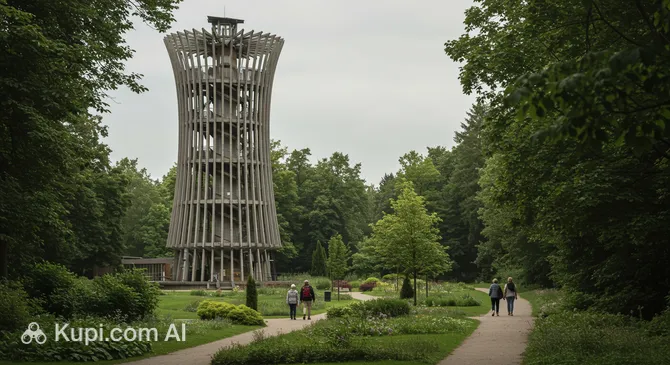
  • Wellness Traditions. The city is famous for its relaxation opportunities. For example, the Graduation Tower in Hamm Kurpark allows you to breathe healing salty air, creating a coastal effect right in the heart of a Westphalian park.

  • Living Nature. Hamm is an incredibly green city that treats the environment with care. It is home to the cozy Hamm Zoo, which is a favorite holiday spot for families with children and a great example of biodiversity conservation.

  • Ancient Roots. The city's history dates back to 1226. Originally founded as a fortress to protect borders, Hamm eventually turned into a prosperous trading center, playing a key role in the development of the entire Ruhr region.

Graduation Tower in Kurpark Hamm. Illustration.
Source: Kupi.com AI

Traveler photos:

How to Get There

Hamm has excellent transport accessibility thanks to its location at the junction of the Ruhr region and Münsterland. The city is surrounded by a dense network of motorways and is close to major transport hubs. You can find more about how to get to Hamm to choose the most convenient route for your trip.

There is no airport in the city of Hamm itself, but you can fly into Dortmund Airport (DTM) in Dortmund, which is only 22 km from Hamm. This is the nearest air gateway, from where a taxi or transfer ride will take about 30–40 minutes. The airport serves many European flights and is convenient for those who want to save time on the road to their final destination.

For international and intercontinental flights, Düsseldorf International Airport (DUS), located in Düsseldorf, about 85 km from Hamm, is an excellent choice. It is the largest air hub in the region with a massive passenger flow. The journey from there by car takes a little over an hour, and there is also a convenient rail connection.

For clarity, here is summary information on the main airports:

AirportPassenger trafficDistance
Dortmund Airport3.1 mln22 km
Munster Osnabruck International Airport1.3 mln52 km
Paderborn Lippstadt Airport818 37856 km
Dusseldorf International Airport20 mln85 km
Cologne Bonn Airport10 mln101 km

Railway communication in the region is also developed to a high level. If you are planning a trip through neighboring metropolises, pay attention to Dortmund Hauptbahnhof station. It is located in the city of Dortmund, about 30 km from Hamm. This is one of Germany's most important transport hubs, where high-speed trains from all over Europe arrive. From there, you can quickly reach Hamm by regional train or taxi.

Another convenient option is Münster Hauptbahnhof, located in the city of Münster, 34 km from Hamm. The station serves a large number of passengers and offers convenient connections for travelers heading to the northern part of the region.

Below is information about major railway stations in the vicinity:

StationPassenger trafficDistance
Dortmund Hauptbahnhof47.5 mln30 km
Münster Hauptbahnhof24.1 mln34 km
Essen Hauptbahnhof55.5 mln61 km
Osnabrück Hauptbahnhof12.8 mln69 km
Düsseldorf Hauptbahnhof91.3 mln87 km

Main Attractions

Hamm offers travelers a variety of leisure options: from immersing themselves in ancient history to active family vacations. The city harmoniously combines high-level cultural institutions and modern entertainment centers that make a stay here rich and memorable.

Art and history enthusiasts should definitely visit the Gustav-Lübke-Museum. This is one of the region's most important cultural sites, located in a modern building with impressive architecture. Inside, it houses a rich collection spanning periods from Ancient Egypt to the present day. Of particular note is the collection of Egyptian antiquities, considered one of the best in Germany, as well as the applied arts and design exhibitions that allow visitors to trace the development of aesthetics through the centuries.

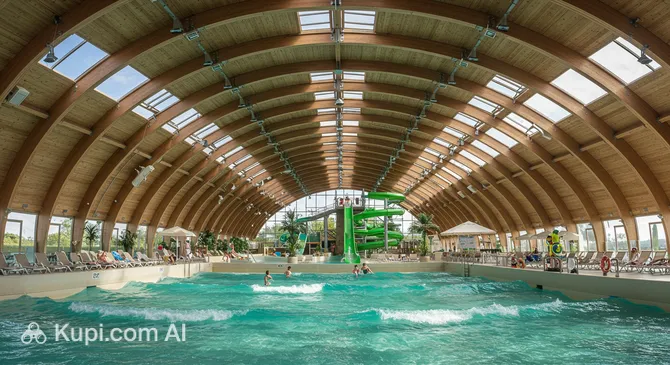
For those seeking relaxation or fun with children, the Maximare Hamm Water Park is the ideal destination. It is not just a pool, but a huge wellness and entertainment complex. Here you can swim in saltwater pools, relax in saunas, or get an adrenaline rush on the water slides. Maximare is divided into several zones, including "Aquawelt" for active recreation and a spa area for recovery, making it a popular holiday spot in any weather.

Maximare Hamm Water Park. Illustration.
Source: Kupi.com AI

Traveler photos:

Nature lovers will enjoy Hamm Zoo. While it is not giant in size, its cozy atmosphere and well-kept grounds attract many guests. A special feature of the zoo is the possibility of close contact with some animals, which delights young visitors. Here you can see lemurs, tigers, and many other exotic and domestic animals in conditions as close to their natural habitat as possible.

If you want to dedicate time to shopping, head to the Allee-Center. This large shopping complex is located on a historic site where a famous city brewery once stood. Today, it is the commercial heart of the city, where you will find dozens of shops of famous brands, cafes, and restaurants. It is a great place to buy souvenirs, update your wardrobe, or simply spend some pleasant time over a cup of coffee between excursions.

Local Cuisine

Hamm's culinary scene is a harmonious blend of hearty Westphalian traditions and modern gastronomic diversity. Simple but incredibly tasty food is loved here, perfect for recharging after long walks. The basis of the local menu consists of meat delicacies, seasonal vegetables, and, of course, the famous German bread, the quality of which is elevated to a cult status here.

Travelers should definitely try the classic regional specialties. A staple of the local cuisine is a dense rye bread topped with thinly sliced smoked ham—a perfect snack often ordered with drinks. Equally popular are hearty pork and game dishes prepared according to old recipes. They are traditionally served with stewed cabbage and various potato delicacies, creating true home comfort on a plate.

The city's drink culture is inextricably linked to brewing. Local establishments, such as the colorful Marktkönke bar, offer an excellent selection of fresh beer. Traditional light lagers and rich dark varieties are particularly loved and are meant to be sipped slowly while enjoying a conversation. For those who prefer non-alcoholic beverages, there are always local juices and mineral waters.

For a full lunch or dinner, tourists often choose cozy establishments scattered throughout the city. For example, the Olive Hamm Restaurant offers guests a pleasant atmosphere and memorable flavor combinations. Additionally, visiting city markets and fairs is a real gastronomic adventure. A festive atmosphere reigns here: you can buy farmer's cheeses, fresh honey, and try street food—from hot German sausages to delicious pretzels and pies sold right in the central squares.

Travel Tips

Hamm is a hospitable city where it is easy to feel at home if you know a few local features. To ensure your trip to this green corner of North Rhine-Westphalia goes smoothly and leaves only pleasant memories, we have prepared a list of useful recommendations.

  1. Clothing and Dress Code. The weather in the region is changeable, so even in summer it is worth having a light waterproof jacket or umbrella, as well as comfortable shoes for walking through extensive parks. If you plan to visit the Sri Kamadchi Ampal Hindu temple, remember the strict rules: shoes must be removed before entering, and clothing should be modest, covering shoulders and knees.

  2. Transport Nuances. The city center is compact and pleasant to explore on foot, but for longer trips, the developed bus network is useful. Hamm is a very "bicycle-friendly" city, so renting a bike for rides along the Lippe River is a great idea. To call a taxi, it is better to use local phone numbers or stands; popular apps work but are not always quick in remote areas.

  3. Money and Payment. The official currency is the Euro. Although Visa and Mastercard cards are accepted in supermarkets and restaurants, the cash culture is still strong in Germany. Always have small bills with you for payment in bakeries, kiosks, and small cafes. It is customary to leave tips in the amount of 5–10% of the bill or simply round up the amount.

  4. Health and Safety. Hamm is a safe city, but standard vigilance in crowded places won't hurt. Pharmacies (Apotheke) are easily recognized by the red letter "A"; information about a 24-hour duty pharmacy can be found on the door of any closed one. Tap water here is of excellent quality; it can be drunk without boiling.

  5. Communication and Language. The main language is German. Young people and tourism workers usually speak English well, but the older generation may not know it. Download an offline translator and learn a few phrases, such as "Guten Tag" (Good day) and "Danke" (Thank you)—this is very appealing to the locals. A SIM card can be bought at any supermarket (registration with a passport will be required).

  6. Local Etiquette. Germans value peace and order. On Sunday ("Ruhetag"), most shops are closed, and making noise on the street or in the apartment is not accepted. When entering small shops or an elevator, it is customary to greet those present. Punctuality here is a way of life, so arrive on time for excursions and meetings.

  7. What to Avoid. The main rule for a pedestrian: never walk on cycle paths. They are often highlighted by color or a different type of paving. Appearing on a cycle path will not only cause dissatisfaction from cyclists but can also be dangerous. Also, do not cross the road at a red light, even if the street is empty—this is considered a sign of poor culture.

  8. Tip for the Budget-Conscious. If you plan to actively visit attractions not only in Hamm but also in the surrounding area, consider buying a regional tourist card (for example, RuhrTopCard). It often entitles you to free entry or significant discounts at museums, zoos, and water parks in the Ruhr region.

By following these simple tips, you can avoid minor troubles and fully focus on your vacation. May your trip to Hamm be filled with interesting discoveries and comfort!

Entertainment & Nightlife

Although Hamm does not claim to be the club capital of Germany, the city transforms at dusk, offering guests a cozy and friendly atmosphere for evening leisure. Nightlife here is focused not so much on large-scale raves as on soul-stirring pub gatherings, dancing in local clubs, and cultural events. It is the perfect place for those who want to mingle with the locals and feel the true rhythm of a Westphalian evening.

The heart of Hamm's nightlife is rightfully considered the so-called "Meile" (Mile), located on Südstraße (Südstraße). This is where, along with the Market Square (Marktplatz) area, the highest concentration of venues is found. On weekends, this part of the city comes alive: students, locals, and tourists move from bar to bar, creating a noisy and festive atmosphere. The crowd here is democratic and relaxed, so a strict dress code is rare—casual style is welcome in most places, though you might want to dress slightly more formally (smart casual) for nightclubs.

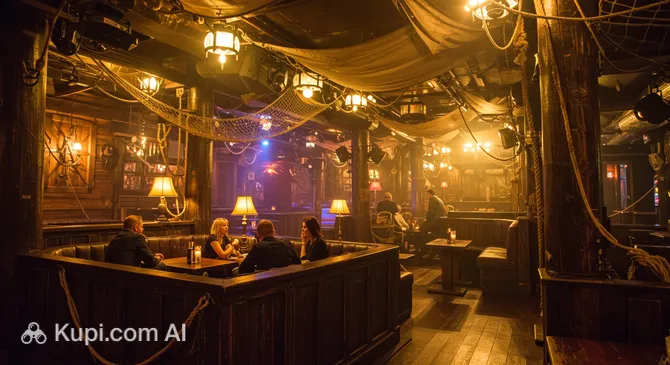
If you are looking for a place to dance and enjoy cocktails, check out Pirates Hamm. This popular establishment positions itself as both a club and a bar. The themed interior and energetic music make it a great spot to continue the night after a quiet dinner. Themed parties are often held here, drawing youth from all over the city.

Pirates Hamm. Illustration.
Source: Kupi.com AI

Traveler photos:

For fans of more traditional bar culture and good German beer, Marktkönke is a perfect fit. This is a classic establishment with an authentic atmosphere where you can spend an evening in leisurely conversation. An old-school spirit reigns here: wooden furniture, dim lighting, and a wide selection of drinks. It is a place where it is easy to strike up a conversation with regulars and learn the latest city news firsthand.

Besides bars and clubs, Hamm offers a rich cultural program. The evening can start with a visit to the Kurhaus (Kurhaus), located in a picturesque park. Theatrical productions, classical music concerts, and cabaret shows take place here regularly. In the summer, you should definitely visit Waldbühne Heessen (Waldbühne Heessen)—one of the most famous amateur open-air theaters in Germany, whose performances are immensely popular with families and theatergoers.

Practical tips for night owls:

  • Opening hours: Bars are typically open until 1:00–2:00 AM on weekdays and later on weekends. Clubs start to fill up closer to midnight.
  • Prices: The cost of a night out in Hamm is lower than in neighboring metropolises like Dortmund or Cologne. A glass of beer averages 3.50–5 euros, and cocktails start from 7–8 euros.
  • Transport: On Friday and Saturday, night buses (Nachtbus) run through the city to help you get back to your hotel after a party. Taxis can be found at special stands in the center or called by phone; apps work, but the wait can be long.
  • Safety: Hamm is a peaceful city. The Südstraße and central station areas are well-lit and patrolled. However, as elsewhere, you should watch your personal belongings and avoid unlit alleys alone late at night.

Parks & Museums

Hamm is often called the "green lungs" of the eastern Ruhr region, and this title is well-deserved. The city offers travelers a surprising combination of restored natural areas and a rich cultural heritage, where former industrial areas have turned into blooming gardens, and museum collections can surprise even sophisticated art connoisseurs.

Among the park areas, the absolute leader is Maximilianpark (Maxipark). Built on the site of a former coal mine, this park became a symbol of the region's ecological transformation. Its main landmark is the famous "Glass Elephant," a giant sculpture-building visible from afar. The park is interesting to tourists not only for its landscape design but also for the region's largest Butterfly House, as well as numerous play areas for children, making it an ideal place for a full-day family outing.

For those looking for silence and the atmosphere of an old resort, the Kurpark (Kurpark) is a perfect fit. This historic park recalls the times when the Bad Hamm district was a popular balneological resort. Here you can stroll along shady alleys, enjoy the view of the ponds, and breathe healing air. This is where the Graduation Tower in Hamm Kurpark is located—a unique structure where salt water flows down blackthorn branches, creating a microclimate beneficial for breathing.

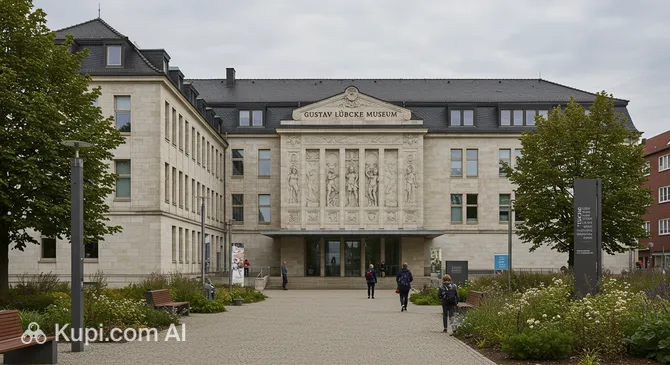
The city's cultural life is centered around its main treasure—the Gustav-Lübke-Museum. This is one of the region's most important art museums, known for its impressive collection of Egyptian art, which is considered one of the best in Germany. In addition to antiquities, the museum attracts visitors with extensive exhibitions of applied arts and design, as well as rotating exhibitions by contemporary artists. The museum building itself is a masterpiece of modern architecture, filled with light and space.

Gustav Lübcke Museum. Illustration.
Source: Kupi.com AI

Traveler photos:

Another important point on the cultural map is the exhibition space in Maximilianpark itself, where light festivals and open-air art installations regularly take place. This allows you to combine a nature walk with immersion in modern art.

Nature lovers should also stop by Hamm Zoo. Although small, its intimate atmosphere and the chance to see rare animals like fossas or lemurs without the crowds make a visit here particularly pleasant.

Insider tip: If you want to see a "different" Hamm, head to Lippepark (Lippepark). This is a modern landscape zone along the river, created on the site of former industrial wastelands. Here you will find excellent paths for skateboarding and cycling, as well as observation platforms on top of old slag heaps, offering a breathtaking panorama of the city and surroundings, especially beautiful at sunset.

Getting Around

The public transport system in Hamm is organized simply and effectively, allowing tourists to easily move between the center and outlying districts. The basis of the urban transport network is buses, managed by a local municipal company. Unlike the neighboring metropolises of the Ruhr region, there is no metro (U-Bahn) or trams here. For trips to the suburbs or neighboring areas (for example, to Heessen or Bockum-Hövel), it is also convenient to use regional trains (S-Bahn and Regionalbahn), which depart from the main railway station.

The bus network covers the entire city and operates on a schedule that is usually followed with high precision. The key transport hub is the bus station on Willy-Brandt-Platz (Willy-Brandt-Platz), located directly opposite the exit of the main railway station. Most routes depart from here, including the Metrobus express lines, which connect the center with important city points with a minimum number of stops.

Payment for travel is carried out within a single tariff system WestfalenTarif. This means that a purchased ticket is valid for both buses and regional trains within the paid zone. For tourists, the following options are most convenient:

EinzelTicket (single ticket) — suitable for one trip. The duration is limited in time (usually 90 minutes for trips within the city).

TagesTicket (day ticket) — an ideal choice for travelers. It allows for an unlimited number of trips during the day. There is an option for one passenger and a group ticket (up to 5 people), which helps to save significantly if you are traveling in a company.

You can purchase tickets in several ways. The easiest is to buy from the driver when entering the bus (it is better to have small cash, as cards are not accepted everywhere and there may not be change for large bills). Tickets are also sold at machines at railway stations, in the "Insel" mobility center near the station, or through mobile apps such as WestfalenTarif or DB Navigator.

An important point for newcomers: if you buy a paper ticket in advance at a machine or kiosk, it must be validated (stamped) before starting the trip. Validators are usually orange or red and are located inside the bus or on the platform. A ticket bought from the driver usually does not need to be validated. Entry to buses in Hamm is only through the front door, and the ticket must be shown to the driver.

On weekends (on the nights from Friday to Saturday and from Saturday to Sunday), night buses (Nachtbus) run around the city. They depart from the central station and take passengers to the main residential areas, which is very convenient for those who stayed late in a bar or restaurant.

As an alternative to public transport, bicycles are incredibly popular in Hamm. The city has flat terrain and an excellent network of bike paths. Right at the station, there is a large bike station (Radstation) where you can rent a bicycle for rides. Taxis are also available, but it is better to order them by phone or through an app, as catching a car just by raising your hand on the street can be difficult. Popular taxi and car-sharing services operate in standard mode.

Accommodation

Где остановиться:

Hamm offers travelers a balanced choice of accommodation, ranging from functional business hotels to cozy family pensions and guest houses. Since the city is not a mass tourist resort in the traditional sense, it is difficult to find huge five-star hotel complexes here. However, Hamm is famous for its quality mid-range hotels and apartments where guests can expect cleanliness, comfort, and genuine German hospitality.

When choosing a place to stay, you should be guided by the purpose of your visit. The most convenient area for most tourists remains Mitte (Center). By staying here, you will be within walking distance of the main railway station and key transport interchanges. This is an ideal choice for those planning active trips around the region. Furthermore, life in the center buzzes around major shopping outlets like the Allee-Center, allowing you to combine rest with shopping and visiting cafes.

If you are looking for peace and relaxation, look into the Bad Hamm area. This part of the city historically developed as a resort zone. Staying here will allow you to enjoy morning walks along the Lippe River and be closer to green areas like the Kurpark. This is a great option for families with children and those who want to take a break from the city bustle while staying within the city limits.

Booking tips:

The price range for accommodation in Hamm can be described as moderate, especially compared to neighboring Düsseldorf or Cologne. However, consider the "trade fair calendar." Since Hamm is located near the large exhibition centers of the Ruhr region, prices can rise and rooms can sell out quickly during major international fairs in neighboring cities. We recommend booking accommodation in advance through popular online platforms, especially if your trip falls during the spring or autumn business seasons.

Nearby Cities

For those who want to explore the surroundings, Hamm serves as an excellent starting point for day trips to several interesting nearby places. The city's location at the junction of the Ruhr region and Münsterland allows travelers to reach cities completely different in spirit and architecture in just half an hour.

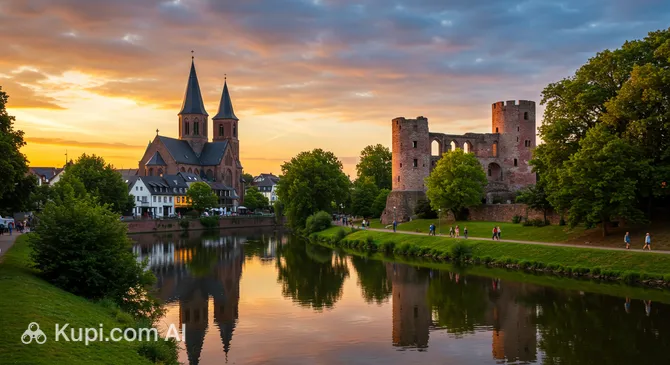
One of the most picturesque targets for a short trip is Soest. This ancient Hanseatic city is famous for its unique architectural appearance: many buildings and churches here are built from local green sandstone. A walk along the well-preserved medieval ramparts and narrow winding streets of the old town will provide a sense of time travel.

Fans of combining history and modern art should visit Unna. The city is known for its Center for International Light Art, located in the cellars of a former brewery—the only museum in the world completely dedicated to this type of creativity. Additionally, Unna's historic center with its half-timbered houses is perfect for a relaxed getaway.

Very close by is Ahlen, which will be of interest to culture enthusiasts. It is home to a well-known Art Museum with an impressive collection of classical modernism. The city also preserves the memory of its industrial past, turning former industrial sites into interesting attractions.

CityPopulationDistance
Boenen18 1699 km
Ahlen52 62711 km
Welver11 94012 km
Werne29 66213 km
Werl30 77214 km

These nearby destinations provide insight into the diverse culture and landscapes of the region, making your stay in Hamm even more rewarding.

Shopping & Souvenirs

General Overview

Shopping in Hamm is a calm and pleasant activity, devoid of the bustle of huge metropolises, but offering a decent choice of goods. The city features a compact center with cozy pedestrian zones where modern shopping galleries harmoniously coexist with historic architecture. Here, travelers will find a balance between famous chain brands and small private shops, making a shopping walk comfortable and untiring.

Main Shopping Areas and Streets

The heart of the city's shopping life is the pedestrian zone on Weststraße (Weststraße). This is Hamm's main shopping mile, which stretches across the entire center. Shops for clothing, shoes, perfumes, and bookstores are concentrated here. Walking along Weststraße, you can easily turn into neighboring streets like Oststraße or Ritterstraße, where more specialized boutiques and family shops with a personal touch are often found.

Shopping Centers

The key point of attraction for shopping fans is the Allee-Center. This large shopping complex, built on the historic site of the former Isenbeck brewery, brings about 90 shops under one roof. It is an ideal place for shopping in any weather: popular European clothing brands, electronics, cosmetics, and accessory shops are represented here. In addition, the center has a food court where you can take a break between purchases.

Markets

To feel the true local flavor, it is worth visiting the weekly market on the square around the Paulus Church (Pauluskirchplatz). Traditionally on Tuesdays, Thursdays, and Saturdays, lively trade unfolds here. Farmers from the Münsterland surroundings bring fresh vegetables, fruits, flowers, homemade cheeses, and the famous Westphalian meat delicacies. It is a great place not only for food shopping but also for immersing yourself in the everyday life of the citizens.

Souvenirs

As a commemorative gift from Hamm, tourists often bring back elephant figurines—this is the unofficial symbol of the city, associated with the "Glass Elephant" attraction in Maximilianpark. They can be found in a variety of versions: from plush toys to designer figurines. Gastronomy lovers should pay attention to Westphalian bone-in ham or a bottle of local schnapps. Goods with regional symbols, which can be found in the tourist information center, are also popular.

Opening Hours and Payment

Shops in the city center are usually open from Monday to Saturday from 10:00 AM to 7:00 PM or 8:00 PM. Large department stores and supermarkets may close a bit later, around 9:00 PM or 10:00 PM. Sunday in Germany is a day off, and almost all shops, except for bakeries and kiosks at the station, are closed. Cash euros and bank cards (Visa, Mastercard) are accepted for payment, but in small shops or at the market, preference is often given to cash.

Tax Free

Tourists residing permanently outside the European Union have the opportunity to get a value-added tax refund (Tax Free) for purchases over 50 euros in one store. To do this, look for stores with the "Global Blue" sticker or ask for a Tax Free form at the checkout when paying. Don't forget to bring your passport to issue the check.
Nearby cities

Reached the end of the page?

That means the route is fully explored