Support

Pirna

About

Pirna is a charming town often called the "Gateway to Saxon Switzerland." It attracts travelers with its rich history, picturesque landscapes, and the cozy atmosphere of an old European town.
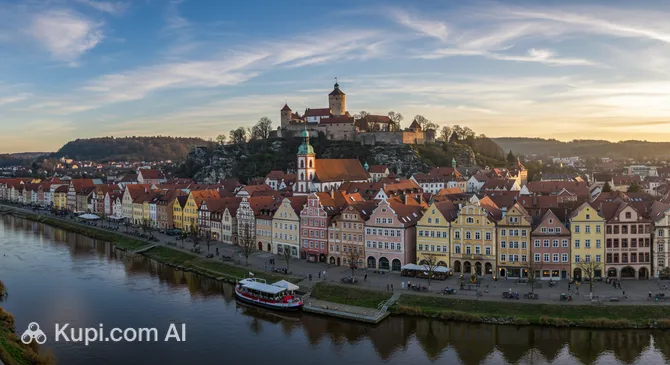
Pirna. Illustration.
Source: Kupi.com AI

Located in the federal state of Saxony in eastern Germany, Pirna lies on the banks of the River Elbe. The town has a population of about 39,000 residents and serves as an excellent starting point for exploring the famous national park. The region's temperate climate makes it pleasant to visit at any time of year, though it is especially beautiful in spring and summer when nature is in full bloom.

Among Pirna's key landmarks, its beautifully preserved historic center (Altstadt) stands out, featuring a market square, the Gothic St. Mary's Church, and numerous historic houses. Overlooking the town is the majestic Sonnenstein Castle (Schloss Sonnenstein), offering breathtaking views of the Elbe and the surrounding area. Furthermore, its proximity to the unique rock formations of Saxon Switzerland makes Pirna an ideal destination for hiking enthusiasts and outdoor lovers.

Pirna is a town where everyone will find something to enjoy: from quiet strolls through medieval streets to exciting hikes along nature trails. Don't miss the chance to discover this amazing corner of Saxony!

You can find more interesting facts on the history of the city of Pirna page.
Weather Overview

The weather in Pirna is characterized by a temperate climate with clearly defined seasons. Summers here are generally warm and pleasant. For example, in July and August, average maximum temperatures reach 23-24°C, while minimum night temperatures stay around 14-15°C. Winters in Pirna are cool; in January, temperatures typically range from -1.1°C to 3.4°C, with the average temperature for the month being about 1.2°C. Precipitation throughout the year is relatively low, usually 1-3 mm per month, but the number of days with precipitation can be significant, especially in winter (for example, there are 17 such days in January and 16 in December). Overall, in Pirna, you can expect warm summers with occasional but not overly heavy rains, and cool, fairly damp winters.

To get a more detailed idea of the climatic conditions and prepare for your trip in the best way, you can read the detailed information on the Pirna climate page.

Average monthly temperature

Average monthly precipitation

Interesting Facts

The town of Pirna, nestled on the banks of the Elbe, charms not only with its medieval streets and views of Sonnenstein Castle. Behind its facades lie many curious details and stories that not all tourists know about.

Historic Market Square. Illustration.
Source: Kupi.com AI

Traveler photos:

  • Many views of Pirna, including its famous Historic Market Square, were captured in the 18th century by the brush of the artist Bernardo Bellotto, the nephew and pupil of Canaletto, also known by this pseudonym. His detailed canvases became invaluable evidence of the city's appearance in that era and today adorn the world's leading galleries.

  • Pirna is rightfully called the "Gateway to Saxon Switzerland." It is from here that many routes begin into this amazing national park, famous for its bizarre sandstone rocks and picturesque valleys, perfect for hiking and rock climbing.

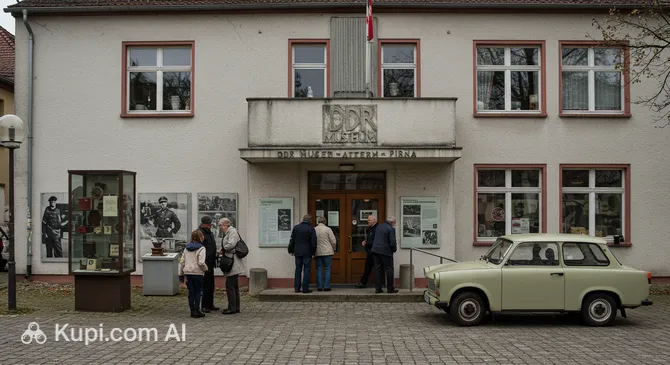
  • The town is home to the interesting GDR Museum, where you can immerse yourself in the daily life of East Germany. The exhibition features authentic household items, documents, toys, and even cars, telling the story of a bygone era and providing a better understanding of the region's history.

  • Near Pirna, in the picturesque village of Graupa (now a district of the city), the composer Richard Wagner spent the summer of 1846. It is believed that the romantic landscapes of Saxon Switzerland and the atmosphere of these places inspired him to create the famous opera "Lohengrin."

How to Get There

When planning a trip to Saxony, it is important to think about your route in advance. Pirna has excellent transport accessibility due to its proximity to major cities in Germany and the Czech Republic. You can find all the details and alternative options by following the link: more about how to get to Pirna.

The nearest air hub is Dresden International Airport (IATA: DRS). It is not located in Pirna itself but in the city of Dresden, about 23 km from your destination. This is a regional airport receiving flights from major hubs. A taxi or transfer ride will take about 30–40 minutes. You can also reach Pirna from the airport by city train (S-Bahn) with a transfer, which is often faster and more economical during peak hours.

For international flights from distant countries, it is more convenient to use major hubs. Václav Havel Airport Prague (IATA: PRG) is located in the capital of the Czech Republic, Prague, at a distance of about 99 km. This is a large international airport with a huge selection of flights. Travel time by car is about 1 hour and 20 minutes. Another option is Berlin Brandenburg (IATA: BER) in Berlin (about 159 km from Pirna). This is the main airport of the German capital, from where you can reach Pirna by train or rental car in about 2–2.5 hours.

For clarity, here is a summary of the main airports convenient for reaching the region:

AirportPassenger trafficDistance
Dresden International Airport929 92823 km
Vaclav Havel Airport Prague16.4 mln98 km
Karlovy Vary Airport37 900111 km
Leipzig/Halle Airport2.2 mln131 km
Berlin Brandenburg25.5 mln159 km

Rail connections in Germany are excellently developed. Although Pirna itself has a station, for long-distance travel, tourists often head to Dresden Central Station in the city of Dresden. It is located just 22 km from Pirna. This is a major transport hub with high passenger traffic, where high-speed ICE and EC trains arrive from all over Europe. From Dresden station to the center of Pirna, S-Bahn commuter trains (lines S1 and S2) run regularly, with a travel time of only about 20–25 minutes.

If you are traveling from the Czech Republic, the Prague Main Railway Station (about 104 km from Pirna) is an important hub. From there, trains regularly depart towards Dresden, stopping in Bad Schandau or directly in Pirna (depending on the type of train), allowing you to enjoy the scenic views of the Elbe Valley along the way.

Below is information about the nearest major railway hubs:

StationPassenger trafficDistance
Dresden Hauptbahnhof21.9 mln22 km
Holesovice Railway Station101 km
Prague Main Railway Station53 mln104 km
Leipzig Hauptbahnhof43.8 mln131 km
Pardubice Main Railway Station165 km

Main Attractions

Pirna, a picturesque town with a rich history located in Saxony, attracts tourists with its well-preserved architectural monuments and cozy atmosphere. A walk through its streets allows you to dive into the past and enjoy the beauty of ancient buildings. Among the many interesting sites, several key attractions are worth highlighting.

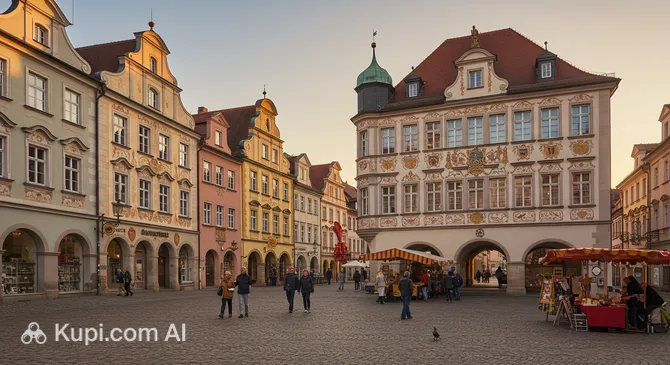
The heart of the old town is undoubtedly the Historic Market Square. This place literally breathes history: the square is surrounded by magnificent burgher houses, many of which were built several centuries ago. Here you will see the Town Hall, a fountain, and many other interesting details. The square still serves as a center of social life, hosting fairs and festivals, which makes it particularly attractive for tourists wishing to experience the authentic spirit of the city.

Historic Market Square. Illustration.
Source: Kupi.com AI

Traveler photos:

For those interested in Germany's recent past, the GDR Museum in Pirna will be of interest. This museum offers a unique opportunity to peek into the daily life of East Germany. Exhibits include household items, documents, photographs, and other artifacts telling the story of the culture, economy, and social life of that period. A visit to the museum allows for a better understanding of the history of the region and the country as a whole.

DDR Museum Pirna. Illustration.
Source: Kupi.com AI

Traveler photos:

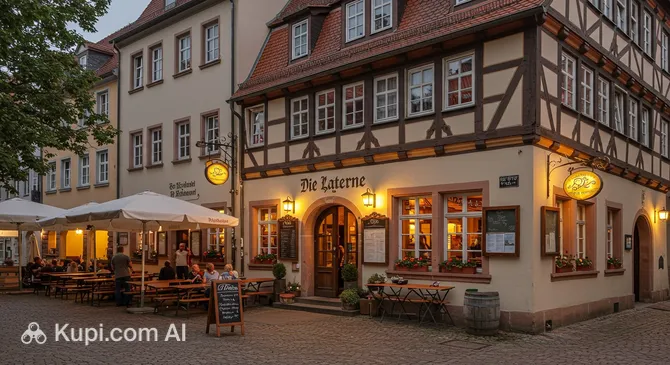
After a busy walk around town, you can relax and enjoy local cuisine in one of the cozy establishments. Among them, the restaurant Die Laterne stands out. It is not just a place to eat well, but part of the atmosphere of old Pirna. The restaurant is famous for its traditional cuisine and hospitality, offering visitors a pleasant end to their day in the historic center.

Die Laterne. Illustration.
Source: Kupi.com AI

Traveler photos:

Local Cuisine

The gastronomic scene in Pirna will delight connoisseurs of traditional Saxon cuisine, known for its hearty and flavorful dishes. Here you can enjoy authentic regional flavors that reflect Saxony's rich culinary history. Local chefs carefully preserve ancient recipes, offering city guests both classic treats and their modern interpretations.

Be sure to try the famous Dresden Sauerbraten – marinated beef braised to incredible tenderness, which is one of the culinary symbols of the region. Another iconic dish is Quarkkäulchen, appetizing curd pancakes often served with apple sauce or sugar. For dessert, you cannot overlook Eierschecke – an airy curd cake with several layers that has become a hallmark of Saxon baking. It is also worth paying attention to the various local sausages and hearty soups, such as potato soup.

As for drinks in Pirna, you should opt for local specialties. Saxony, and in particular the Elbe Valley, is famous for its wines, especially white varieties such as Müller-Thurgau, Riesling, or Traminer. Beer lovers will appreciate the products of regional breweries, offering both classic Pilsner and other traditional German varieties. Among non-alcoholic drinks, Apfelschorle (apple juice with sparkling water), various fruit juices, and herbal teas are popular.

You can get acquainted with the local cuisine in numerous restaurants and traditional German "Gasthäuser," where a cozy and hospitable atmosphere prevails. One such establishment where you can taste regional dishes is Die Laterne. Many cafes (Konditorei) will offer you fresh pastries, including the famous Eierschecke, with a cup of aromatic coffee. In the warmer months, it is particularly pleasant to spend time in beer gardens (Biergärten), enjoying food and drinks outdoors. It is also worth checking out the Historic Market Square, where fairs with local products and delicacies are occasionally held.

Gastronomic experiences in Pirna are not just about delicious food, but also an opportunity to touch the culture and traditions of Saxony. Hearty portions, the use of fresh local products, and warm hospitality make visiting local restaurants and cafes particularly enjoyable. Discover the authentic flavors of this region, which will undoubtedly be a bright and memorable addition to your journey through charming Pirna.

Travel Tips

Welcome to charming Pirna! To make your trip through this historic city in Germany as comfortable and memorable as possible, we have prepared some practical tips. They will help you navigate the local area better and avoid common mistakes.

  1. Seasonal Clothing and Gear:

    The climate in Pirna is temperate, so layering is recommended. Summers can be warm, but evenings are often cool. In autumn and spring, you'll need a raincoat and a warm sweater, and in winter, a warm jacket, hat, and gloves. Be sure to bring comfortable shoes, as the historic center is paved with cobblestones. Don't forget a power adapter (type F) and a portable charger. When visiting churches, although there is no strict dress code, it is customary to cover shoulders and knees out of respect.

  2. Transport Nuances:

    The center of Pirna is quite compact and easy to explore on foot. Local buses can be used for getting around the city and its surroundings. Pirna also has good rail connections, including the S-Bahn to Dresden. Taxis are available but can be expensive. Renting a car makes sense if you plan to actively explore the Saxon Switzerland region, but it is not a necessity for the city itself.

  3. Financial Matters:

    The official currency is the Euro (EUR). You can exchange money at banks, but it's better to have some cash with you upon arrival. ATMs (Geldautomat) are widespread. Credit and debit cards (Visa, Mastercard) are accepted in most hotels, restaurants, and large stores, but small shops or markets may prefer cash. A rough daily budget per person (excluding accommodation) can range from 50-70 euros for a budget traveler to 100-150 euros and above if you plan to visit restaurants and paid attractions frequently. Tipping in Germany is not strictly mandatory but is appreciated: usually 5-10% of the bill for good service in a restaurant, or you can just round up the amount.

  4. Health and Safety:

    Pirna is considered a safe city. Nevertheless, observe standard precautions: keep an eye on your belongings in crowded places. Pharmacies (Apotheke) are easy to find by the green cross; information about duty pharmacies working at night or on weekends can be clarified locally or online. Be sure to take out medical insurance before your trip. The universal emergency number in Europe is 112.

  5. Language and Communication:

    The official language is German. In tourist areas, hotels, and restaurants, many speak English, especially young people. However, knowing a few basic phrases in German, such as "Hallo" (Hello), "Guten Tag" (Good day), "Danke" (Thank you), "Bitte" (Please), will be appreciated by the locals. Wi-Fi is available in most hotels and many cafes. SIM cards for mobile internet can be purchased at supermarkets or mobile phone stores. For convenience in getting around and route planning, apps like DB Navigator (for trains throughout Germany) or the local transport association app VVO (Verkehrsverbund Oberelbe), as well as standard mapping services, can be useful.

  6. Local Etiquette:

    Germans value punctuality, so try not to be late for meetings. It is customary to say hello when entering a shop or small establishment. In public places, especially on transport, try not to speak too loudly. Using the formal "You" (Sie) is the norm with strangers, especially older people.

  7. What to Avoid:

    It is strictly not recommended to cross the road on a red light, even if no cars are nearby — this is considered a serious violation and can cause disapproval. Also, try not to make noise late in the evening in residential areas, respecting the locals' right to rest.

  8. Special Tip for Pirna:

    Pirna is often called the "gateway to Saxon Switzerland" — an amazing national park with unique rock formations. Be sure to set aside time for walks along its picturesque trails. And in the city itself, don't miss the chance to see the famous "Canaletto-Blick" — the view of the city captured by the artist Bernardo Bellotto.

We hope these tips make your stay in Pirna even more pleasant and fulfilling. Enjoy every moment in this beautiful Saxon city!

Entertainment & Nightlife

Nightlife in Pirna differs from that of bustling metropolises: you won't find massive dance clubs open until dawn here, but instead, you can enjoy the cozy, almost intimate atmosphere of an old Saxon town. Evening entertainment centers around gastronomy, local pubs, and cultural events. It is the perfect place for those who appreciate heartfelt conversations over a glass of beer or wine, live music, and walks through beautifully lit medieval streets.

The epicenter of evening activity is the Altstadt (Old Town). It is here, in the labyrinth of cobbled alleys, that the most popular establishments are located. The heart of the city is the Historic Market Square. In the evening, the illuminated buildings create a fairy-tale setting. During the warmer months, life teems on the outdoor terraces where tourists and locals relax after a day's work. The crowd is diverse but generally calm; the dress code in most places is casual.

Historic Market Square. Illustration.
Source: Kupi.com AI

Traveler photos:

If you are looking for a place for dinner that flows into an evening hangout, consider the Die Laterne restaurant. This establishment is famous for its hospitable atmosphere and excellent cuisine, making it a wonderful choice for getting to know local flavors. You can also find traditional German breweries (Brauhaus) and small bars in the city center where groups of friends often gather. Prices in Pirna are generally lower than in neighboring Dresden: a glass of beer or wine will cost on average 4–6 euros.

The evening's cultural program can be quite rich. Pirna is known for its cabarets and theatrical productions. The famous Tom Pauls Theater attracts audiences from all over Saxony, while the Kleinkunstbühne Q24 stage often hosts jazz concerts, satirists, and film screenings. It is best to purchase tickets for such events in advance. For fans of more active club life, the best option is a short 20-minute S-Bahn train ride to Dresden, which offers a huge selection of nightclubs.

Regarding daytime and early evening entertainment, the city offers an immersion into history. For example, the GDR Museum in Pirna allows for a nostalgic journey through time before heading to dinner. Evening walks along the Elbe embankment are also popular, offering picturesque sunset views.

Safety and Transport: Pirna is a very safe city, and night walks in the center generally do not cause concern. Lighting on the main streets is good. Public transport runs less frequently at night, so if you stay out late, it is most convenient to call a taxi via an app or by phone. Most establishments in the center are within walking distance of each other, eliminating the need for transport between bars.

Parks & Museums

Pirna offers its guests both picturesque green corners for outdoor relaxation and interesting cultural sites that introduce the rich history and heritage of this Saxon town. Here, everyone will find something to their liking, whether it is a walk in the park or a dive into the past in one of the museums.

For nature lovers and those seeking peaceful relaxation, Pirna and its surroundings offer several wonderful options. While manicured squares and walking areas along the Elbe embankment can be found in the city itself, the main natural attraction of the region is its proximity to the Saxon Switzerland National Park. This park is famous for its unique rock landscapes, dense forests, and numerous hiking trails, offering unforgettable experiences. Within the city limits, you can also find cozy green oases where it is pleasant to spend time enjoying the silence.

The cultural life of Pirna is also rich. One of the key places to learn about the recent past is the GDR Museum in Pirna. The exhibition of this museum allows visitors to immerse themselves in the atmosphere of daily life in East Germany, seeing household items, documents, and photographs of that era, making it particularly interesting for those who want to better understand the history of the region. In addition, the city usually has a City Museum (Stadtmuseum Pirna), which houses artifacts telling the centuries-old history of Pirna, its development, crafts, and famous citizens.

The historic center of Pirna is a museum in its own right. The central place here is occupied by the Historic Market Square, surrounded by magnificently restored old buildings, including the Town Hall. This square has been the heart of city life for centuries and still retains its charming atmosphere. Nearby, towering over the city, stands Sonnenstein Castle (Schloss Sonnenstein) – an impressive structure with a rich history, from which panoramic views of the Elbe Valley and the surroundings open up.

To get a more authentic experience of Pirna, turn off the main tourist routes and stroll through the quiet side streets of the Old Town, where you can find hidden courtyards and unique architectural details. Also, do not miss the opportunity to enjoy a peaceful walk along the banks of the Elbe, watching the river flow and admiring the views of the city from a different perspective.

Getting Around

Public transport in Pirna consists mainly of bus routes that provide connections both within the city and to its surroundings. In addition, city S-Bahn train lines (such as S1 and S2) pass through Pirna; they are an important part of the region's transport system and link the city with Dresden and other localities in Germany, including the popular tourist destinations of Saxon Switzerland. These trains can be considered a high-speed form of urban and suburban transport.

Pirna is part of the Upper Elbe Transport Association (Verkehrsverbund Oberelbe, VVO), which means a unified system of tickets and fares for buses, trams (in Dresden), S-Bahn, and some ferries in the region. You can purchase different types of tickets: single trip, day, week, or month. The cost depends on the number of fare zones crossed. For example, a single ticket within one fare zone (e.g., within the city of Pirna) might cost about 3 euros, while a day pass (Tageskarte) for the same zone is about 7 euros. Tickets can be bought at machines at stops, at VVO service centers, from bus drivers (usually for single trips and in cash only), or via the VVO mobil mobile app. For tourists, day tickets (Tageskarte) or group day tickets are particularly convenient if you are traveling with a group.

Before starting your journey, a ticket bought from a machine or kiosk must be stamped in special validators located on vehicles or S-Bahn platforms. Tickets purchased from the driver or via the mobile app are usually already valid from the moment of purchase. Buses and S-Bahn run according to a schedule that can be found at stops or on the VVO website. Transport usually starts running early in the morning and ends late in the evening; service intervals may increase on weekends and public holidays.

As an alternative to public transport, taxi services are always available in Pirna. Also, given the city's picturesque location on the Elbe River and the popularity of the Elbe Cycle Route, renting a bicycle can be a good option for getting around and exploring the surroundings. There are bike rental points in the city, especially during the tourist season.

Accommodation

In Pirna, travelers will find various accommodation options to suit different preferences and budgets. The city offers a choice from cozy guesthouses (pensions) and private apartments, ideal for those seeking a homely atmosphere, to comfortable mid-range hotels. Budget options are also available, such as small inns or rooms in the private sector, for economical tourists.

When choosing a place to stay in Pirna, it is worth looking at areas located near the historic center and main attractions, such as the Historic Market Square. Staying here will provide easy access to the main tourist sites and the atmosphere of the old town. Many hotels and apartments are within walking distance of the Elbe embankment, which is also an attractive option for walks and relaxation.

When planning a trip to Pirna, especially during the peak tourist season or during local festivals, it is recommended to book accommodation in advance. This will allow you to choose the best option in terms of price and quality and avoid difficulties in finding available rooms. The most popular booking methods are international online platforms and, in some cases, contacting hotels or apartment owners directly.

The price range for accommodation in Pirna varies from budget options to mid-range offers and more comfortable apartments. In general, the city offers quite affordable prices compared to major tourist centers in Germany, making it attractive to a wide range of travelers.

Nearby Cities

For those who want to explore the surrounding area, Pirna serves as an excellent starting point for day trips to several interesting nearby places:

CityPopulationDistance
Heidenau16 8985 km
Bannewitz11 15716 km
Radeberg18 89117 km
Dresden561 92217 km
Schoena20 km

These nearby destinations provide an insight into the diverse culture and landscapes of the region. Each trip promises new discoveries and impressions, whether it is getting to know the rich history of Dresden, the charming streets of Freiberg, or the picturesque surroundings of other towns.

Shopping & Souvenirs

Shopping in Pirna is a pleasant immersion into the atmosphere of a cozy German town, where the emphasis is on small shops, local products, and handmade items rather than large retail chains. Here you will find unique things and can enjoy the selection process without unnecessary hustle.

The main shopping area in Pirna is its historic center (Altstadt). Stroll through its cobbled streets, especially around the Historic Market Square, where many small shops offering souvenirs, clothing, books, and local delicacies are concentrated. The atmosphere of the old town makes shopping particularly pleasant.

Historic Market Square. Illustration.
Source: Kupi.com AI

Traveler photos:

Pirna does not have the huge modern shopping centers characteristic of metropolises. The charm of shopping here lies exactly in the small boutiques and specialized shops where you can find locally produced goods and chat with friendly sellers. Some shops can be found on main streets like Dohnaische Straße or Schmiedestraße.

The heart of trade, especially on certain days or seasons, is the Historic Market Square. Here, weekly farmers' markets are held, selling fresh produce, flowers, and regional specialties, as well as seasonal fairs, such as Christmas markets, offering artisan crafts and festive treats.

As souvenirs from Pirna, it is worth looking at products by local artisans, perhaps ceramics or wooden crafts typical of Saxony. Items related to the Saxon Switzerland region are also popular. Unusual souvenirs reflecting recent history can be found in the shop at the GDR Museum in Pirna.

Shops in Pirna usually operate from Monday to Saturday. Standard working hours are approximately from 10:00 to 18:00, although small shops may have their own schedule and a lunch break. Most shops are closed on Sundays, with the exception of some souvenir shops or shops at railway stations. Both cash (Euros) and bank cards are accepted, especially in larger stores. However, in markets and small shops, it is better to have cash with you.

For tourists from non-European Union countries, a Tax Free system operates in Germany. This means that when purchasing goods for a certain amount in participating stores, you can apply for a VAT refund. Don't forget to ask the seller for a Tax Free form and keep your receipts for presentation to customs when leaving the EU.

Nearby cities

Reached the end of the page?

That means the route is fully explored