Support

Soest

About

Soest is a true gem of Western Germany, nestled in the picturesque landscapes of North Rhine-Westphalia. The city is located about 50 kilometers east of Dortmund, surrounded by scenic fields and hills that lend it a special charm. With a population of around 48,000 people, Soest maintains an atmosphere of coziness and leisure typical of small German towns, while playing an important administrative role as the center of the district that bears its name.
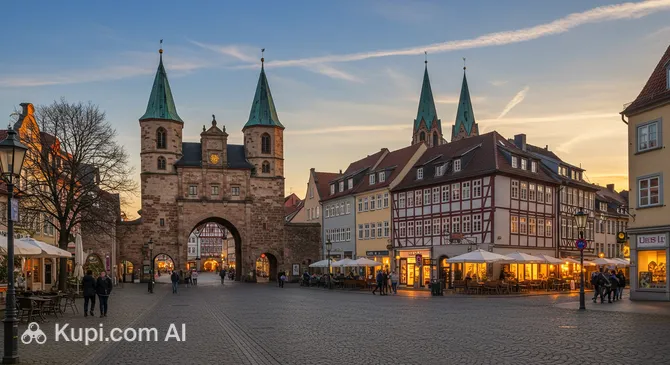
Soest. Illustration.
Source: Kupi.com AI

The city literally breathes history: its historic center is famous for its perfectly preserved medieval architecture and numerous green spaces. Cobblestone streets lead to architectural treasures like majestic ancient churches, such as St. Patrokli Cathedral, and the city Town Hall. A stroll among the many half-timbered houses and cozy squares feels like a journey back in time, allowing visitors to experience the authentic spirit of the city.

Soest captivates with its atmosphere—it is ideal for those seeking inspiration, tranquility, and true German authenticity. It is a place you’ll want to return to again and again to enjoy its beauty, learn about local traditions, or simply feel like a part of old Europe.

You can find more interesting facts on the history of Soest page.
Weather Overview

The weather in Soest is characterized by a moderate climate. Summers are generally warm, with average temperatures in July and August around 18-19°C, while peak values can reach 23-24°C. Winters are cool, with the average January temperature being around 3.3°C. Precipitation is distributed fairly evenly throughout the year, with a moderate amount of rainfall each month, but with frequent rainy days, especially in the winter and autumn months. Expect moderately warm summers with occasional but not heavy rain, and cool, damp winters.

To get a more detailed idea of the weather conditions in different months, you can explore detailed information about the climate of Soest.

Average monthly temperature

Average monthly precipitation

Interesting Facts

In addition to its famous landmarks, Soest hides many surprising stories and little-known details that make it truly unique. This city with a rich past is ready to surprise even the most seasoned traveler.

  • Ancient Hanseatic Power: Soest is one of the oldest cities in Germany, with a history spanning over 1,400 years! In the Middle Ages, it was not just a Free Imperial City but also an important member of the powerful Hanseatic League, a legacy still reflected in the surviving fragments of ancient city walls and towers.

  • The Emerald City: Soest owes its unofficial but beautiful nickname, "The Emerald City," to its unique green sandstone. Many historical buildings, including the famous St. Nicholas Chapel, are constructed from this natural material, giving the city's architecture a distinct and recognizable hue.

  • Royal Visit and Poetic Inspiration: Soest attracted more than just merchants and craftsmen. It is known that Queen Elizabeth II of the United Kingdom visited the city, having reportedly long wished to see its historic streets. Additionally, the German poet Ferdinand Freiligrath spent his youth in Soest and wrote some of his famous works here.

Riga-Ring Center. Illustration.
Source: Kupi.com AI

Traveler photos:

How to Get There

Soest is conveniently located in the state of North Rhine-Westphalia, making it easily accessible for travelers using various modes of transport. Thanks to the region's developed infrastructure, you can arrive by air or by rail, with transfers in nearby major cities. You can find more details on how to get to Soest to plan your route as efficiently as possible.

Soest itself does not have its own airport, so travelers will need to use the air hubs of neighboring cities. One of the most convenient options is Düsseldorf International Airport (IATA: DUS), located in Düsseldorf, about 99 km from Soest. It is the region's largest aviation hub, receiving flights from all over the world. The journey from the airport to Soest by car or public transport takes about 2 to 2.5 hours, depending on traffic and connections.

An alternative option located significantly closer is Dortmund Airport (IATA: DTM). It is situated in Dortmund, just 35 km from the center of Soest. This airport serves many European and budget flights. The trip from here to your destination will take about 1 hour and 10 minutes, making it an excellent choice for those looking to save time on ground transfers.

It is also worth considering Cologne/Bonn Airport (IATA: CGN), located in Cologne, at a distance of about 103 km. This is another major international hub offering a wide range of flights. The journey from this airport to Soest takes approximately 2.5 hours.

For your convenience, here is a summary of the main airports:

AirportPassenger trafficDistance
Paderborn Lippstadt Airport818 37835 km
Dortmund Airport3.1 mln35 km
Munster Osnabruck International Airport1.3 mln69 km
Kassel-Calden Airport107 61590 km
Dusseldorf International Airport20 mln99 km

Traveling by rail is also a popular way to reach the region. While Soest itself is not a major junction for long-distance express trains (ICE), you can arrive at Dortmund Hauptbahnhof (Central Station), located in Dortmund, about 46 km from Soest. This is one of Germany's most important transport hubs with high passenger traffic. Regional trains depart from here regularly, taking you directly to Soest. The total travel time from Dortmund station to the center of Soest by taxi or regional train is about 40–50 minutes.

Another important transport hub is Essen Hauptbahnhof in the city of Essen, located approximately 77 km away. Many international and intercity trains arrive here. Upon arriving in Essen, you can also use regional rail services to reach your final destination.

Below is a table with the nearest major railway stations:

StationPassenger trafficDistance
Dortmund Hauptbahnhof47.5 mln46 km
Münster Hauptbahnhof24.1 mln54 km
Essen Hauptbahnhof55.5 mln77 km
Osnabrück Hauptbahnhof12.8 mln78 km
Kassel-Wilhelmshöhe Station10.9 mln97 km

Main Attractions

Soest is a city with a rich history, where every corner holds memories of the Middle Ages. A trip here is a unique opportunity to touch centuries-old traditions and see impressive architectural masterpieces that make Soest a true pearl of Germany.

One of the main landmarks and symbols of Soest is St. Patrokli Cathedral (St.-Patrokli-Dom). This magnificent Romanesque building, founded in the 10th century, impresses with its monumentality and austere beauty. Its massive western tower dominates the city skyline. Inside the cathedral, valuable frescoes and relics are preserved, attracting pilgrims and art lovers alike. Visiting the cathedral is a deep dive into the city's history.

Equally famous is the Church of St. Mary of the Meadow (St. Maria zur Wiese), known as the Wiesenkirche. This elegant Gothic church is considered one of the most beautiful in Westphalia. Its slender columns, high vaults, and, above all, stunning 14th and 15th-century stained-glass windows leave a lasting impression. Particularly famous is the "Westphalian Last Supper" window, where traditional local dishes—beer, ham, and rye bread—are depicted on the table of Jesus and the apostles. This is a must-visit spot for everyone who appreciates Gothic art.

To gain a deeper understanding of the history and culture of Soest, it is worth visiting the Burghofmuseum. It is located in one of the city's oldest surviving residential buildings, dating back to the 12th century. The museum's exhibition covers the period from prehistoric times to the present day, displaying archaeological finds, everyday items, weapons, and artworks related to the history of Soest and its role in the Hanseatic League. It is a wonderful opportunity to learn more about the past of this ancient city.

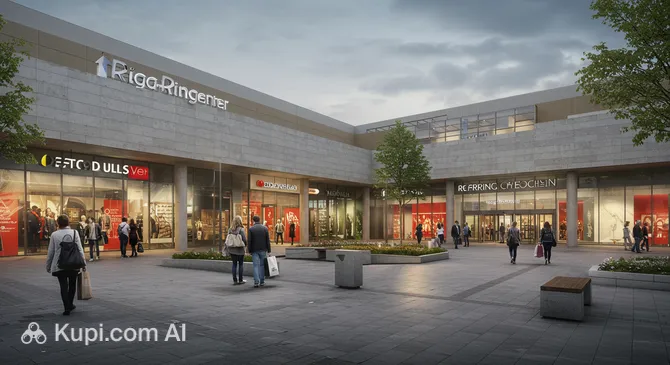
In addition to its rich historical heritage, modern Soest offers opportunities for leisure and entertainment. If you want to go shopping or just browse, the Riga-Ring Center is at your service. This shopping complex offers a variety of goods and can be a pleasant place to spend some time.

Riga-Ring Center. Illustration.
Source: Kupi.com AI

Traveler photos:

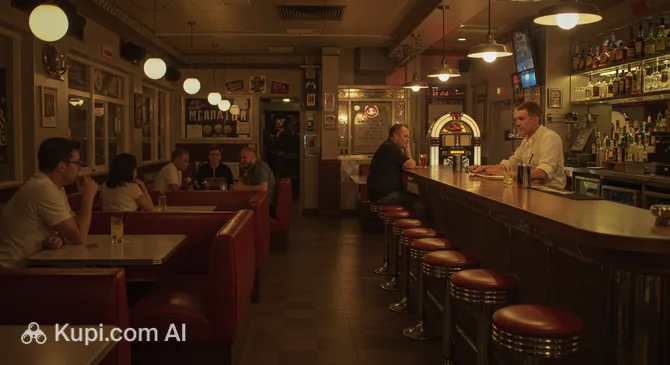
And for those looking for a place to unwind in the evening after a busy day of sightseeing, Soest is home to, for example, Betty's K5 Diner & Cocktails. Here you can relax in an informal setting and share your impressions of the day.

Betty's K5 Diner & Cocktails. Illustration.
Source: Kupi.com AI

Traveler photos:

These modern establishments complement the main treasure of Soest—its unique historical atmosphere, beautifully preserved medieval streets, and architectural monuments that attract travelers from all over the world.

Local Cuisine

The gastronomic world of Soest is a fascinating journey into the heart of Westphalian culinary traditions, which are carefully preserved and proudly presented to guests here. Local cuisine is famous for its heartiness, use of quality ingredients, and recipes passed down through generations. Get ready for satisfying and aromatic dishes that warm the soul and provide true enjoyment.

Be sure to try the famous "Pfannkuchen"—thick German pancakes served in Soest with a variety of toppings, from sweet apple to savory smoked bacon. Don't miss the chance to taste authentic Westphalian sausages and smoked ham, which are hallmarks of the region. It is also worth trying the aromatic Westphalian bread, spicy cakes, and, of course, the local delicacy—"Soest Honey", gathered in the city's surroundings.

Dining in Soest isn't just about traditional restaurants. Locals and tourists alike enjoy grabbing a quick snack of fragrant sausages or fresh pastries from street stalls, often found in the central squares. Farmers' markets offer the freshest produce, local cheeses, and homemade treats. As for drinks, a glass of local beer pairs perfectly with hearty meals, while a cup of aromatic coffee is perfect for a cozy chat. If you are looking for a spot for evening drinks, check out Betty's K5 Diner & Cocktails.

The culinary scene in Soest particularly comes alive during numerous festivals dedicated to wine, beer, and national cuisine. This is a wonderful opportunity not only to sample the region's best food and drink but also to immerse yourself in the festive atmosphere, participate in cooking workshops, and meet the hospitable residents of the city. Overall, the cuisine of Soest offers an authentic and hearty experience that will be a pleasant addition to your trip.

Travel Tips

Welcome to Soest! To ensure your trip to this charming city goes smoothly and leaves only pleasant memories, we have prepared some practical tips. They will help you better navigate and enjoy your stay in Germany.

  1. Clothing and Essentials: The climate in Soest is moderate, so choose clothing according to the season. Lightweight items are useful in summer, but don't forget a sweater or jacket for evening walks. In autumn and spring, the weather is changeable, so layering is your best friend. Warm clothes will be needed in winter. Comfortable shoes are a must, as the historic center of Soest is best explored on foot. Don't forget a power adapter (Type F). When visiting churches, such as St. Patrokli Cathedral, it is advisable to dress modestly (shoulders and knees covered).

  2. City Transport: Soest is a compact city, and many of its attractions are within walking distance. For moving around the city and its surroundings, you can use local buses. Taxis are also available but may be less common than in large metropolises. Car rental is not necessary for seeing Soest itself, but it can be useful if you plan to explore the North Rhine-Westphalia region more broadly.

  3. Financial Matters: The official currency is the Euro (€). You can exchange money at banks or exchange offices. ATMs (Geldautomat) are widespread. Credit and debit cards (Visa, Mastercard) are accepted in most hotels, large shops, and restaurants, though small cafes or markets may prefer cash. International cards generally work without issues. Tipping in restaurants is welcomed (usually 5-10% of the bill or rounding up) but is not strictly mandatory.

  4. Health and Safety: Pharmacies (Apotheke) are easy to find by the red "A" sign; some offer 24-hour service (Notdienst – duty pharmacy). If medical assistance is needed, EU citizens can use the European Health Insurance Card (EHIC). All tourists are strongly advised to have travel insurance. The emergency number is 112. Soest is considered a very safe city. Nevertheless, standard precautions against petty theft in crowded places are always appropriate.

  5. Communication: The primary language is German. English is quite common, especially in the tourism sector, hotels, and among younger people. Learning a few basic phrases in German, such as "Hallo" (Hello), "Danke" (Thank you), "Bitte" (Please/You're welcome), and "Entschuldigung" (Excuse me), will be helpful and appreciated by locals. SIM cards can be purchased in mobile phone shops or supermarkets. Wi-Fi is available in many hotels, cafes, and some public areas.

  6. Local Etiquette: Greetings are usually accompanied by a handshake and the words "Guten Tag" (Good day) or "Hallo". Germans value punctuality. In public places and residential areas, especially in the evening, try to keep noise levels down. Locals may seem reserved at first glance, but they are usually polite and ready to help.

  7. What to Avoid: Try not to jaywalk—Germans are very law-abiding regarding traffic rules. Also, avoid overly loud behavior in public places, especially on transport or in quiet residential neighborhoods.

  8. Special Tip: If your visit falls in early November, don't miss the Allerheiligenkirmes—Europe's largest fair held in an old town. This grand event transforms Soest into a center of fun and attractions. Also, look out for the local weekly markets (Wochenmarkt), where you can buy fresh produce and regional delicacies.

We hope these tips help you plan an unforgettable trip to Soest. Enjoy every moment in this historic and hospitable city!

Entertainment & Nightlife

When the sun sets over the ancient streets of Soest, the city offers its guests and residents cozy options for evening relaxation. While Soest might not be a metropolis with a buzzing 24/7 nightlife, you can find pleasant spots to unwind after a busy day.

Most evening activity in Soest is concentrated around bars and traditional German pubs (Kneipen), especially in the Altstadt (Old Town) area. Here you will find establishments for every taste, from quiet corners for heart-to-heart conversations to spots with live music. One interesting place to spend an evening is Betty's K5 Diner & Cocktails, which offers an American diner atmosphere and a wide variety of cocktails. While the selection of large nightclubs in the city may be limited, many bars stay open until late, especially on weekends, creating a lively yet relaxed atmosphere.

Betty's K5 Diner & Cocktails. Illustration.
Source: Kupi.com AI

Traveler photos:

The evening atmosphere in Soest is generally friendly and laid-back. The crowd is a mix of locals and tourists. Most establishments do not require a strict dress code; comfort is key. Bars usually start to liven up towards the evening, around 8:00 PM or 9:00 PM, and many are open until midnight or even later on Fridays and Saturdays. Prices for drinks and snacks are generally moderate, typical for a smaller German city.

For evening strolls, the central part of Soest is quite safe, though it is always wise to follow standard precautions. If you need to reach your hotel or another area at night, taxis can be called by phone or found at designated stands. When planning an evening out, it’s best to arrive at popular spots a bit early, especially if you want to secure a table on the weekend.

During the day, Soest offers plenty of other activities. You can explore its rich history by visiting numerous churches, such as St. Patrokli Cathedral, or wander through picturesque streets lined with half-timbered houses. For shopping enthusiasts, the Riga-Ring Center might be of interest. The city's museums, such as the Burghofmuseum, also reveal many fascinating facts about the region's past and culture.

Parks & Museums

Soest is a city that charms not only with its rich history but also with its harmonious blend of well-kept green spaces and interesting cultural sites. Here, everyone will find something to enjoy, from peaceful walks in nature to immersion in the region's art and history.

For nature and fresh air lovers, there are several pleasant spots in Soest. Stadtpark (City Park) is one of the central green areas where you can escape the city bustle, stroll through shaded alleys, or simply sit on a bench and enjoy the tranquility. Another iconic green zone is the Wallanlagen (City Ramparts). These former defensive structures are now a picturesque green belt surrounding the old town. A walk along the ramparts allows you not only to enjoy nature but also to see the historic part of Soest from a unique perspective. Theodor-Heuss-Park is another popular spot for relaxation and leisurely walks.

Cultural life in Soest is equally vibrant. One of the city's key museums is the Burghofmuseum. Housed in a historic building, it offers visitors a fascinating journey through the history of Soest and its surroundings, starting from the Middle Ages. Here you can see archaeological finds, everyday objects, and artworks that tell the story of the city's development. Art connoisseurs will be interested in the Wilhelm-Morgner-Haus, dedicated to the work of this famous expressionist artist born in Soest, and also hosting contemporary art exhibitions.

Beyond the parks and museums, the historic center of Soest itself is a true attraction. Stroll through its narrow streets, admire the half-timbered houses and buildings made of unique green sandstone, which gives the city its special character. Note the majestic St. Patrokli Cathedral and the elegant Wiesenkirche (St. Maria zur Wiese)—both stellar examples of medieval architecture.

Insider Tip: To truly feel the spirit of old Soest, turn off the main streets into the quiet alleys (Gassen)—it is there you can find the most photogenic corners and experience the atmosphere of past centuries. Also, pay attention to the numerous details made of green sandstone—a material characteristic of the region used in many historical buildings.

Getting Around

Getting around Soest and its surroundings is quite convenient thanks to its well-developed public transport system. The main mode of transport in the city is the bus, which connects various city districts and provides links to nearby towns. The route network is well-designed, making it easy for tourists to reach most points of interest.

The fare system in Soest, as in many German cities, is integrated into regional transport associations. This means that tickets can be valid for different types of transport within a specific zone. Single tickets (Einzelticket), day tickets (Tagesticket)—which can be cost-effective for multiple trips in one day—as well as weekly or monthly passes for longer stays are usually available. Tickets can be purchased at vending machines at stops, directly from the bus driver (though this may be slightly more expensive and change for large bills may not always be available), or through the mobile apps of local transport companies. Approximate prices depend on the fare zone and ticket type.

Tourists should keep a few practical points in mind. Before the trip or immediately after boarding the bus, the ticket must be validated (stamped) in a special device if it was not purchased with a pre-printed start date and time. Bus schedules are usually posted at stops and available online; they are quite accurate, though intervals may increase in the evenings and on weekends. Public transport in Soest generally operates from early morning until late evening, but night routes may be limited.

In addition to public transport, other ways of getting around are available in Soest. You can always use taxi services, with stands typically found at the train station and in central city locations. For fans of active recreation and independent exploration, bicycle rental is an excellent option—the city and its surroundings are perfect for cycling thanks to a developed network of bike paths. Car-sharing services may be less common than in major metropolises, but it is worth checking for local operators upon arrival.

Accommodation

In the city of Soest, travelers will find a variety of accommodation options to suit different preferences and budgets. Choices range from cozy guesthouses and pensions to more traditional mid-range hotels. Apartments are also available for those who prefer more independence and home-like comfort during their trip.

For tourists, the most convenient areas to stay are generally the central part of the city and its immediate surroundings. Staying here provides easy access to Soest's main attractions, restaurants, and shops. Proximity to transport hubs is also an important factor, especially if you plan to explore the surrounding region.

While specific famous hotels were not provided in the current list, you can find various accommodations in Soest ranging from budget-friendly to more comfortable options. It is recommended to check offers on popular online booking platforms to find the best option that matches your expectations for service level and price.

To guarantee the best selection and prices, especially during the peak tourist season or major events, it is recommended to book accommodation in advance. This will help avoid situations where all suitable options are already taken. The price range varies from economical options to mid-range and higher-class offers. Most hotels and apartments can be booked via well-known international and local travel websites, as well as directly through official hotel websites.

Nearby Cities

For those looking to explore the surroundings, Soest serves as an excellent starting point for day trips to several interesting nearby locations:

Among the closest options is Arnsberg, with its charming old town and castle ruins, located in the scenic Sauerland region. Lippstadt, often called the "Venice of Westphalia" (or the city of water), is interesting for its canals and historical center. It is also worth considering a trip to Hamm, home to the famous Maximilianpark with its giant glass elephant.

CityPopulationDistance
Bad Sassendorf12 2945 km
Mohnesee11 85211 km
Ense12 19712 km
Welver11 94012 km
Werl30 77214 km

These nearby destinations offer excellent opportunities to discover the diversity of culture, history, and landscapes in the North Rhine-Westphalia region, complementing your stay in Soest.

Shopping & Souvenirs

Shopping in Soest offers a pleasant combination of strolling through historic streets and the chance to find both well-known brands and unique local products. While the city is not a major fashion hub, you can find high-quality items, souvenirs, and local delicacies here. The main focus should be on the shops in the old part of town, where the atmosphere is perfect for leisurely browsing.

The main shopping arteries of Soest are concentrated in its charming Altstadt (Old Town). Take a walk down pedestrian streets such as Brüderstraße and Walburgerstraße, as well as the adjoining side streets. Here you will find clothing boutiques, shoe stores, bookstores, jewelry salons, and home goods shops. Many are located in beautiful historic buildings, adding charm to the shopping experience.

For those who prefer concentrated shopping under one roof, there are shopping centers in Soest. One notable example is the Riga-Ring Center, where a variety of shops and services are available.

Markets are an important part of Soest's commercial life. The Wochenmarkt (weekly market) regularly takes place on the central square or in other designated areas. Here, local farmers and producers offer fresh fruits, vegetables, cheeses, meat products, pastries, and flowers. It is an excellent place to experience local flavor and buy fresh produce.

As souvenirs from Soest, tourists often choose items featuring the city's symbols, such as images of its medieval gates or churches. Locally crafted items, ceramics, and traditional Westphalian delicacies are also popular. Look for local pumpernickel bread or other regional specialties.

Shops in Soest, as in most of Germany, are typically open from Monday to Saturday. Standard operating hours are roughly 10:00 AM to 6:00 PM or 7:00 PM on weekdays, and until 4:00 PM or 6:00 PM on Saturdays. Large supermarkets may stay open longer. Most shops are closed on Sundays, except for some souvenir shops or stores at train stations. Bank cards (EC cards, Visa, Mastercard) are widely accepted, but it is always useful to have some cash on hand, especially for purchases at markets or in small shops.

Tourists from non-EU countries can take advantage of the Tax Free system to receive a VAT (Mehrwertsteuer) refund on purchases made in participating stores. To do this, you must request a special Tax Free form at the time of purchase and present it along with the goods at customs when leaving the EU.

Nearby cities

Reached the end of the page?

That means the route is fully explored