Support

Zweibruecken

About

Zweibrücken is a cozy and charming city located in southwestern Germany, in the picturesque state of Rhineland-Palatinate, practically on the border with France. Its name, which translates as "Two Bridges," refers to the historical crossings over the Hornbach River around which the first settlement arose. The city attracts visitors with its unique atmosphere, combining historical heritage and tranquility.
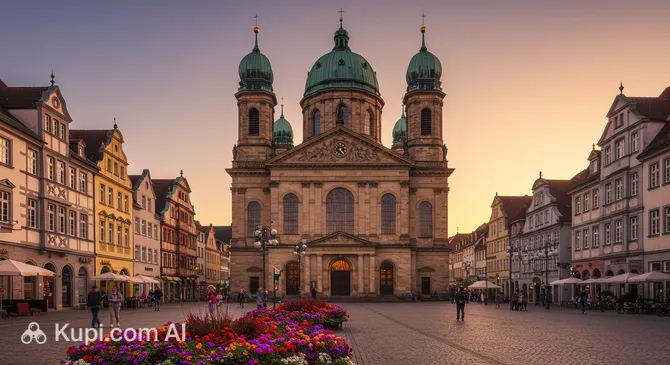
Zweibruecken. Illustration.
Source: Kupi.com AI

With a population of about 34,209 people, Zweibrücken maintains the intimacy and friendliness of a small town, where old buildings harmoniously coexist with modern structures. It is surrounded by picturesque hills and green forests, making its surroundings an ideal place for leisurely walks and outdoor recreation while enjoying the clean air.

One of the city's main gems is the famous Europe's Rose Garden (Europas Rosengarten), where thousands of varieties of roses bloom every summer, creating a truly magical sight. In addition, Zweibrücken attracts tourists with its authentic markets, where you can feel the local flavor, and numerous cozy cafes. History buffs will appreciate the well-preserved old buildings and charming streets that hold the spirit of past eras.

If you are looking for a place for a relaxing holiday, a chance to get to know authentic European culture, and enjoy beautiful landscapes away from noisy tourist routes, Zweibrücken will be a pleasant discovery for you. This city offers an ideal combination of history, nature, and hospitality.

You can find more interesting facts on the history of the city of Zweibrücken page.

Weather Overview

The weather in Zweibrücken is characterized by a moderate climate. Summers are generally warm, especially in July and August, when average maximum temperatures reach around 24-25°C. In the summer months, precipitation is usually low (averaging 2 mm), although rainy days still occur (about 11-13 days per month). Winters in Zweibrücken are cool. For example, the average temperature in January is approximately 2.7°C. The winter period, especially December, is characterized by a high number of days with precipitation (up to 18 days), while the total amount of precipitation remains moderate (3-4 mm per month). Overall, warm summers with occasional rain and cool, damp winters await you in Zweibrücken.

To get more detailed information about climatic conditions and check the monthly weather forecast, visit the page: Climate of Zweibrücken.

Average monthly temperature

Average monthly precipitation

Interesting Facts

In addition to its well-known landmarks, Zweibrücken hides many amazing details and little-known stories that give it a special charm. Ready to learn a few secrets of this cozy German city?

  • The name of the city itself, Zweibrücken, carries a historical clue: it literally translates as "two bridges." And this is no coincidence! In the 12th century, two pontoon bridges across the Schwarzbach River became not only an important transport hub but also a symbol of the city, which is even reflected in its coat of arms.

  • Zweibrücken is home to one of Europe's most impressive rose gardens — Rosengarten. Just imagine: more than 45,000 rose bushes grow here, representing over 1,500 different varieties! Every June, this place turns into a true fragrant paradise, attracting flower enthusiasts from all over the world.

  • This city is the birthplace of the Dukes of Palatinate-Zweibrücken, an influential branch of the Wittelsbach dynasty. Their activities left a noticeable mark on the history of not only Germany but also France, linking Zweibrücken with important European events and aristocratic houses.

  • Among the city's architectural treasures, the Alexander Church (Alexanderskirche) stands out. Built back in the 16th century, it is considered one of the oldest Protestant churches in the Palatinate region and is a silent witness to the centuries-old history of the city and its residents.

How to Get There

Zweibrücken is located in the southwestern part of Germany, and although the city does not have its own airport, getting here is quite easy thanks to the developed transport network of neighboring regions and countries. Travelers can choose the most convenient route via one of the nearby air hubs or railway stations. You can find out more about how to get to Zweibrücken by studying all available options.

There is no airport in the city of Zweibrücken itself, but you can fly into Baden-Airpark (FKB) in Karlsruhe, which is approximately 73.7 km from Zweibrücken. This is one of the closest options for air travelers. The journey from here by taxi or transfer will take approximately 130 minutes. The airport serves many flights and is a convenient entry point to the region.

Another popular option is Frankfurt-Hahn Airport (HHN), located near Frankfurt am Main (actually in the Hunsrück region) at a distance of about 78.6 km. This transport hub is often used by low-cost airlines. The journey to Zweibrücken by ground transport takes about 140 minutes. You can also consider the international Luxembourg Airport (LUX) in neighboring Luxembourg, located 93.7 km away; the trip from there will last approximately 160 minutes.

For clarity, here is a summary of the main airports:

AirportPassenger trafficDistance
Baden-Airpark1.8 mln74 km
Frankfurt-Hahn Airport1.9 mln79 km
Strasbourg Airport1.3 mln81 km
Metz-Nancy-Lorraine Airport120 00087 km
Mannheim Airport40 00087 km

If you prefer rail transport, it should be noted that the major trunk line hubs are in neighboring cities. The city of Zweibrücken itself does not have a large hub railway station for long-distance travel, but you can arrive at Kaiserslautern station in the city of Kaiserslautern, which is about 36.3 km from Zweibrücken. This is the nearest significant railway hub, from where you can reach your destination by taxi or bus in about 75 minutes.

Another important transport hub is Mannheim Hauptbahnhof in the city of Mannheim, located 84.5 km away. This is one of the largest stations in the region with a huge passenger flow, receiving high-speed trains from all over Europe. From here, it is convenient to plan a further transfer to Zweibrücken.

Below is a table with the nearest railway stations:

StationPassenger trafficDistance
Kaiserslautern Station4.5 mln36 km
Strasbourg Railway Station23.9 mln78 km
Baden-Baden Railway Station2.2 mln79 km
Karlsruhe Hauptbahnhof21.9 mln81 km
Mannheim Hauptbahnhof36.5 mln84 km

Main Attractions

Zweibrücken, a charming city in the Rhineland-Palatinate region of Germany, offers its guests many interesting places. There are activities here for nature and history lovers, as well as for those who appreciate shopping and cultural recreation.

One of the city's main attractions is undoubtedly the Zweibrücken Rose Garden (Rosengarten Zweibrücken). It is the true pride of the townspeople and one of the largest rose gardens in Europe, where you can see thousands of varieties of roses. A walk through its well-kept alleys, especially during the flowering period, will leave an unforgettable impression. It is an ideal place for a peaceful rest and enjoying the beauty of nature.

History lovers should visit Zweibrücken Castle (Schloss Zweibrücken). This majestic structure is the largest palace in the Palatine Baroque style and the former residence of the Dukes of Zweibrücken. Although the castle houses a court today, its impressive architecture and historical significance attract many tourists wishing to touch the city's past.

For those who prefer modern recreation and bargain hunting, the Zweibrücken Fashion Outlet is a must-see. This large outlet center features more than 120 boutiques of famous international and designer brands offering goods at significant discounts. You can happily spend several hours here updating your wardrobe.

If you are looking for peace in nature, head to the Tschifflik Historical Fasanerie (Historische Fasanerie Tschifflik). This picturesque park, which once served as a pleasure garden for the dukes, is a wonderful place for walks today. Here you can enjoy beautiful landscapes, see old buildings, and even a small animal enclosure, making it attractive for family holidays.

You can immerse yourself in the history and culture of the city by visiting the Zweibrücken City Museum (Stadtmuseum Zweibrücken). The museum's exhibits tell the story of Zweibrücken's rich past, its development, and its famous residents. It is a great place to better understand the character and heritage of this unique corner of Germany.

Local Cuisine

The cuisine of Zweibrücken is an appetizing blend of hearty German traditions and refined French accents, which is not surprising given its border location. Travelers wishing to get to know local specialties should definitely try "Saumagen"—a pork stomach skillfully stuffed with meat and potatoes, which is considered one of the region's culinary symbols.

In addition to "Saumagen," Zweibrücken's gastronomic palette is rich in other meat dishes: excellent schnitzels, aromatic homemade sausages, and hearty roasts are prepared here. Much attention is paid to the quality of ingredients—many establishments take pride in using fresh vegetables, potatoes, as well as cheeses and smoked meats from local farmers' markets. Do not forget to also try the various variations of sauerkraut, which is often served as a side dish.

Among drinks in Zweibrücken, regional beers are particularly popular, perfectly complementing the hearty local cuisine. Wine lovers should pay attention to drinks from the nearby wine-growing regions of the Palatinate. For dessert, treat yourself to a piece of fragrant apple or plum pie, or a classic German strudel, which is prepared excellently here.

The dining culture in Zweibrücken involves visiting both cozy restaurants and traditional beer houses, known as Bierstuben, where you can immerse yourself in an authentic atmosphere. Seasonal street festivals and fairs add a special charm to the city's gastronomic life. In summer, for example, during the Rose Festival, you can enjoy tastings of local delicacies, and in winter, Christmas markets beckon with the aromas of mulled wine, gingerbread, and roasted chestnuts, creating a unique festive mood.

Travel Tips

Planning a trip to charming Zweibrücken? These practical tips will help you better prepare for your journey and enjoy every moment in this cozy corner of Germany. We have collected the most important information for you so that your stay is comfortable and worry-free.

  1. Clothing and items for the season: The weather in Zweibrücken can be changeable. Check the forecast before your trip and bring appropriate clothing. Be sure to pack comfortable shoes for walking around the city and its surroundings, as well as an umbrella or raincoat in case of rain. Don't forget an adapter for electrical appliances (type F sockets are used in Germany).
  2. Getting around the city: Zweibrücken is a small city, and its center is very pleasant to explore on foot. To travel longer distances, you can use local buses. If you plan to explore the picturesque Rhineland-Palatinate region, renting a car can be a good option. Taxis are also available but can be more expensive than public transport.
  3. Financial matters: The official currency is the Euro (EUR). Bank cards (Visa, Mastercard) are accepted in most shops, restaurants, and hotels. Nevertheless, it is always useful to have a small amount of cash with you for small purchases or at markets. ATMs (Geldautomat) are easy to find throughout the city. An approximate daily budget per person can vary: a budget option (staying in a hostel, self-catering, free attractions)—about 50-70 euros; a mid-range level (inexpensive hotel, eating in cafes, visiting some paid sites)—100-150 euros; a more comfortable stay (mid-range hotel, restaurants, more excursions)—from 200 euros and up. In restaurants and cafes, it is customary to leave a tip of 5-10% of the bill if you are satisfied with the service.
  4. Health and safety: In Zweibrücken, as in all of Germany, there is a high level of safety. Pharmacies (Apotheke) are marked with a green cross; information about on-duty pharmacies can be found on the doors of the nearest one or online. The emergency number is 112. Follow standard precautions: watch your belongings in crowded places and do not leave valuables unattended.
  5. Language and communication: The official language is German. Many residents, especially young people and those in the tourism sector, speak English. However, knowing a few basic phrases in German, such as "Hallo" (Hello), "Danke" (Thank you), "Bitte" (Please), "Entschuldigung" (Excuse me), will be very helpful and will win over the locals. Wi-Fi is available in most hotels, cafes, and public places. Local SIM cards can be purchased in supermarkets, specialized mobile shops, or newsstands. For navigation and transport information, national apps such as DB Navigator (for trains) or the apps of local transport companies in the Rhineland-Palatinate region can be useful. Also check for travel apps dedicated to Zweibrücken or its surroundings, which may contain information about events and attractions.
  6. Local etiquette: Germans value punctuality, so try not to be late for meetings. It is customary to say hello and goodbye when entering and leaving small shops or cafes. Maintain a moderate volume for conversations in public places. Addressing strangers or elders as "Sie" (You - formal) is a standard of politeness.
  7. Things to avoid: Try not to cross the road on a red light or in the wrong place, even if there are no cars—this is considered a serious violation. Also, avoid being overly noisy in public places and transport, especially in the evening.
  8. Special tip for Zweibrücken: Don't miss the chance to visit the famous Europe's Rose Garden (Europas Rosengarten), especially if your trip is during the blooming season—it is an unforgettable sight and the pride of the city. Also, for bargain hunters, the large Zweibrücken Fashion Outlet will be of interest.

We hope these tips make your trip to Zweibrücken even more pleasant and fulfilling. We wish you an unforgettable experience getting to know this beautiful city!

Entertainment & Nightlife

Evening and night-time Zweibrücken offers its guests a cozy and relaxed atmosphere rather than the loud, non-stop parties typical of major metropolises. Nevertheless, you can find pleasant places to relax after a busy day, mostly concentrated in the city center.

The main evening life of the city is centered around central streets such as Hauptstraße and its adjacent pedestrian zones. Here you will find traditional German pubs (Kneipen) where you can enjoy a glass of local beer and soak up the authentic atmosphere. For example, you could look for a venue in the style of "Altstadt-Schänke" (name given as an example of a typical pub; please check on-site for current information on open venues) for such an experience. There are also bars with more modern interiors in the center, offering cocktails and light snacks, perhaps something like "City Lounge Bar" (the name is also an example; we recommend checking local guides). There is no clearly defined nightlife district in Zweibrücken; rather, individual establishments are scattered around the center. The atmosphere in them is usually friendly and casual, attracting mostly locals and tourists. Most venues stay open until late evening, especially on Fridays and Saturdays. No special dress code is usually required; comfort and tidiness are valued.

As for prices, they are generally moderate. A glass of local beer in a pub will cost about 3-5 euros, and cocktails in bars can cost from 7-9 euros. There is usually no entry fee to most pubs and bars, except perhaps for special events or live music nights.

While Zweibrücken is not famous for having a large number of major night clubs, you can find bars where live music is sometimes played or themed evenings are held. If you are looking for a place to dance, it is worth paying attention to posters or asking locals if any small club has opened, perhaps with a name like "Beat Keller" (this is just an example of a name; current clubs and their programs should be checked upon arrival). To find out about specific venues and current events, we strongly recommend referring to local information resources, city posters, or using online maps and travel apps, as popular spots and programs can change.

The city center is quite safe for evening walks; however, as in any other place, you should follow standard precautions. If you plan to stay out late, especially away from the central streets, it will be more convenient and safer to use a taxi. You can order a car by calling local taxi companies or through mobile apps common in Germany; taxi stands can also usually be found at key points in the city center.

During the day, Zweibrücken offers other types of entertainment. Guests can visit the famous Rose Garden (Rosengarten), which is especially beautiful during the blooming season, or go shopping at the large Zweibrücken Fashion Outlet. Historical buildings and small museums telling the history of the region are also of interest.

Parks & Museums

Zweibrücken, nestled in the state of Rhineland-Palatinate, offers its guests both picturesque green spaces for outdoor relaxation and interesting cultural sites that introduce the city's rich history and heritage.

One of the main gems of Zweibrücken is undoubtedly Europe's Rose Garden (Europas Rosengarten). This is not just a park, but a true fragrant paradise where thousands of rose varieties from all over the world, as well as other flowers and plants, are presented on an area of several hectares. Here you can walk for hours along well-kept alleys, enjoying the scents and beauty, and visit a small museum in the "Schlösschen" (little palace) on the garden grounds, which tells the history of gardening and roses. This place is ideal for romantic walks and photo shoots. Another wonderful place for solitude with nature is the Fasanerie, a historical park that once served as the hunting grounds of the dukes. Today, it is a quiet spot with shaded paths, perfect for leisurely walks, jogging, and bird watching.

For those interested in history and culture, the Zweibrücken City Museum (Stadtmuseum Zweibrücken) will be a real discovery. Its exhibits tell in detail the history of the city since its foundation, highlight the ducal past, the development of local crafts, and the daily life of townspeople over the centuries. It is a great place to gain a deeper understanding of the character and past of Zweibrücken. An important cultural and architectural monument is the Ducal Castle (Herzogschloss Zweibrücken)—the largest secular building in the Palatine Baroque style, which dominates the city center and serves as a reminder of its aristocratic heritage. Although the castle is used for administrative purposes today, its exterior and history are impressive. It is also worth seeing the Alexanderskirche, the city's main Protestant church, known for its austere beauty, history, and as the burial place of many Dukes of Zweibrücken.

To get a more authentic experience of the city, do not limit yourself only to the well-known attractions. Walk through the less busy streets of the historical center, paying attention to the details of old buildings and cozy courtyards. Drop by one of the local confectioneries or bakeries to try traditional Palatinate pastries—this will add pleasant gastronomic notes to your journey and make you feel like a local.

Getting Around

Planning a trip to Zweibrücken? The public transport system will help you navigate the city and its surroundings. The main mode of transport here is the bus, which connects various city districts and nearby settlements. The city transport system is usually integrated into a larger regional transport association (Verkehrsverbund), making travel around the region more convenient thanks to a single ticket system.

There are several options for paying for travel. You can purchase single tickets, short-distance tickets, day passes (Tageskarte), which are often beneficial if you plan several trips during the day, as well as weekly or monthly passes for longer stays. Tickets can usually be bought from machines at key stops, directly from the bus driver (especially on suburban routes), or via the mobile apps of the respective transport operator. The fare depends on the fare zone and the type of ticket chosen.

A few practical tips for tourists: before your trip, check if you need to validate your ticket. Tickets bought from the driver are usually already activated, but machine-bought tickets may require validation in special devices on the bus or platform. Bus schedules can be found at stops, as well as on the websites of transport companies. Keep in mind that in the evenings, as well as on weekends and holidays, frequency intervals may be increased, so it is worth planning your movements in advance.

In addition to public transport, other ways of getting around are available in Zweibrücken. You can always use taxi services, which can be ordered by phone or found at special stands. Given the size of the city, a bicycle can also be an excellent alternative for exploring its streets and parks; conditions for comfortable cycling are often provided in the city. For trips to other cities in the region, it is convenient to use the railway connection, as Zweibrücken has a railway station integrated into the general transport network.

Accommodation

When planning a trip to Zweibrücken, you will find a wide range of accommodation options to suit a variety of needs and budgets. The city offers both cozy guesthouses and apartments for those who value independence, as well as comfortable hotels of various classes. Whether it's a family pension with a homey atmosphere or a modern hotel with a full range of services, everyone will find a suitable option here.

Many hotels and apartments in Zweibrücken are strategically located in or near the city center, providing easy access to major attractions, shopping streets, and restaurants. For those seeking more secluded settings, there are options on the outskirts, from where it is generally easy to reach the central part by public transport or private car.

In Zweibrücken, you can find accommodation for any budget—from budget options to mid-range hotels. Prices usually vary depending on the season, the level of comfort provided, and the location. To ensure the best choice and favorable rates, it is strongly recommended to book your accommodation in advance, especially if your trip coincides with the peak tourist season, local festivals, or other major events. Searching and booking can be conveniently done through popular online services or directly on the websites of hotels and guesthouses.

Nearby Cities

For those who want to explore the surrounding area, Zweibrücken serves as an excellent starting point for day trips to several interesting nearby locations.

Among the nearest cities where you can go for a day are Saarbrücken and Homburg. Saarbrücken, the capital of the state of Saarland, is only 27 kilometers away and attracts visitors with its historical center, including Saarbrücken Castle and the Baroque Ludwigskirche. You can also visit numerous museums and enjoy the lively atmosphere of a large city here. Homburg, located even closer (only 10 km away), is famous for its impressive Schlossberg Caves—Europe's largest man-made sandstone caves—as well as the ruins of Hohenburg Castle and the Roman Museum. It is a wonderful place for fans of history and unusual natural sites.

CityPopulationDistance
Blieskastel20 6568 km
Homburg41 81110 km
Kirkel10 04011 km
Bexbach17 57715 km
Spiesen-Elversberg12 85017 km

These nearby destinations allow you to get an idea of the diverse culture and landscapes of the region.

Shopping & Souvenirs

Zweibrücken offers its guests interesting shopping opportunities, the main one undoubtedly being one of Germany's largest outlet centers. Here you can find branded items at attractive prices. In addition, the city has traditional shops where you can purchase everyday goods and souvenirs.

The main magnet for shopping enthusiasts in Zweibrücken is the Zweibrücken Fashion Outlet. It is a huge complex where hundreds of boutiques of famous international and German brands of clothing, shoes, accessories, home, and sports goods are represented. It is located slightly outside the city center but is easily accessible by car or public transport. In the very center of the city, on the main pedestrian street Hauptstraße and its adjacent alleys, you can find small shops, boutiques, pharmacies, and bookstores.

As already mentioned, the main shopping center is the Zweibrücken Fashion Outlet. It attracts visitors not only from Germany but also from neighboring countries thanks to its wide range and significant discounts. You can spend an entire day here, combining shopping with relaxation in the cafes and restaurants within the outlet territory.

Although Zweibrücken is better known for its outlet, traditional German weekly markets (Wochenmarkt) may periodically take place in the city, where local farmers offer fresh products: vegetables, fruits, cheeses, meat products, and pastries. Such markets are a great place to feel the local flavor and buy high-quality products. It is better to clarify information about the days and locations of such markets in advance.

As souvenirs from Zweibrücken, you can bring back items related to the symbol of the city—roses, as the city is famous for its Rose Garden (Rosengarten). These can be rose oil-based cosmetics, rose petal jams, or decor items featuring roses. Also, since the city is in the state of Rhineland-Palatinate, known for its winemaking traditions, a bottle of local wine would make a good gift. Of course, you can also find branded items in the outlet that will serve as an excellent reminder of the trip.

Shops in Zweibrücken, as in most cities in Germany, usually operate from Monday to Saturday. Large shopping centers and outlets may have longer opening hours, often from 10:00 to 19:00 or 20:00. Smaller shops may close earlier, especially on Saturdays. Sunday is an official day off for most shops, except for some souvenir shops in tourist areas or shops at stations. Cash (Euro) and bank cards are accepted for payment. International credit cards (Visa, Mastercard) are widely used in large stores and outlets, while smaller shops may prefer cash or local debit cards (Girocard/EC-Karte).

For tourists from non-European Union countries, there is the possibility of a Value Added Tax (Mehrwertsteuer, MwSt.) refund, known as Tax Free. To do this, you must make a purchase for a certain amount in a store participating in the Tax Free system and correctly fill out the relevant documents at the time of purchase. The tax refund can be obtained when leaving the European Union.

Reached the end of the page?

That means the route is fully explored