Support

Petapa

About

Petapa is a charming city where dynamic urban life harmoniously intertwines with the natural splendor of Central America. Located in close proximity to the country's capital, Guatemala City, it serves as an excellent starting point for exploring the rich culture and picturesque landscapes of the region.

The city is nestled among green hills and valleys, creating a unique atmosphere. Petapa's mild climate makes it attractive to visit at any time of year, allowing visitors to enjoy walks and outdoor activities. The city's population is about 94,000, and it is part of the Guatemala Department, playing a notable role in the economic and cultural life of this part of Guatemala.
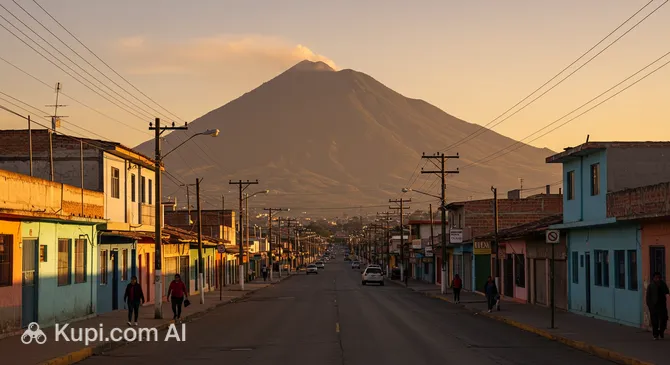
Petapa. Illustration.
Source: Kupi.com AI

Among the unique features of Petapa that attract travelers is its convenient location for exploring both metropolitan attractions and the region's natural beauty. The city also offers a unique opportunity to immerse yourself in an authentic Guatemalan atmosphere, get to know local traditions and ways of life, far from the worn-out tourist routes. Furthermore, the picturesque natural surroundings with green hills and valleys are ideal for leisurely strolls and enjoying the scenery.

If you are looking for a place where you can feel the true spirit of Guatemala, meet hospitable locals, and discover something new, Petapa will welcome you warmly and provide unforgettable impressions.

You can find more interesting facts on the history of the city of Petapa page.

Weather Overview

The weather in Petapa is characterized by a warm climate throughout the year. Expect warm days with temperatures often reaching 24-27°C (especially from February to May), and cooler nights when the thermometer can drop to 13-16°C (especially in December and January). The rainy season in Petapa typically falls between May and October, bringing a significant amount of precipitation and increasing the number of rainy days, while from December to February, drier weather sets in with minimal rainfall. The average annual temperature remains at a comfortable level of around 20°C. For a more detailed study of climatic conditions and monthly forecasts, please visit the Petapa Climate page.

Average monthly temperature

Average monthly precipitation

Interesting Facts

In addition to its main attractions, Petapa holds many fascinating secrets and little-known details that make this city in Guatemala truly special. Here are just a few that can surprise even a seasoned traveler:

  • The historical heritage of Petapa is rooted in the pre-Columbian era, when these lands were inhabited by the Maya people. Echoes of ancient civilizations are still felt in the city's culture today, and old churches and buildings from the colonial period serve as silent witnesses to a rich past.

  • The city is famous for its unique traditional crafts. Local artisans are masters of the art of weaving and pottery, passing down the secrets of their craft from generation to generation. In the markets, you can find authentic handmade products decorated with original national patterns.

  • Petapa is known for its bright and colorful festivals. One of the most significant events is the celebration in honor of the city's patron saint. During these days, the streets are filled with music, spirited dances in traditional costumes, and the aromas of local street food, creating an unforgettable atmosphere.

  • Thanks to its original atmosphere and picturesque surroundings, Petapa has repeatedly become a magnet for creative individuals. Artists and musicians have come here in search of inspiration, finding it in the city's unique character and its cultural heritage.

How to Get There

When planning a trip to this region, it is important to think through your route in advance. Since the city is located in close proximity to the capital, the main flow of tourists arrives through the country's primary air gateway. You can learn more about how to get to Petapa and explore all available routes, and below we will look at the most popular methods.

The most convenient and popular option is a flight through La Aurora International Airport (IATA: GUA). It is worth considering that the airport itself is not in the city of Petapa but in neighboring Guatemala City; however, the distance between them is only about 9 km. This makes the transfer very fast: a trip by taxi or rental car will take about 35 minutes, depending on traffic. This is a major transport hub with high passenger traffic, receiving flights from all over the world.

If a direct flight to the capital is not possible, some travelers consider El Salvador International Airport (IATA: SAL) as an alternative entry point. It is located in the city of San Salvador, which is much further away—about 200 km from Petapa. The journey from this airport will require much more time: expect to spend about 5 hours and 20 minutes on the road by taxi or bus. This option is suitable for those planning a multi-city route through Central America.

Also operating in the region is Quetzaltenango Airport (IATA: AAZ), located in the city of the same name. It is located approximately 110 km from Petapa, and the travel time will be about 3 hours. However, this airport serves a significantly smaller number of flights and passengers, acting more as a regional hub.

For clarity, here is a summary of the main airports:

AirportPassenger trafficDistance
La Aurora International Airport4.7 mln9 km
Quetzaltenango9 022110 km
Ilopango15 000179 km
Tapachula International Airport553 744198 km
El Salvador International Airport4.5 mln200 km

Main Attractions

Petapa, a lively city in the Guatemala Department, offers its guests several notable places where they can have a great time and get to know the local culture. Although the city may not be as widely known among tourists as other destinations in the country, it has its own interesting corners.

Perhaps the main attraction of Petapa is IRTRA Mundo Petapa. This is one of the most popular and largest theme parks in Guatemala, offering a huge selection of entertainment for visitors of all ages. On its territory, you will find exciting rides, various games, a water park with pools and slides, a theater, as well as many cafes and restaurants. The park is beautifully landscaped, clean, and features an abundance of green zones, making it an ideal place for family holidays and a full day of bright impressions.

As in many Guatemalan cities, Petapa's Central Park (Parque Central) is the heart of social and cultural life. It is a traditional place for meetings, leisurely walks, and relaxation for both locals and guests of the city. Here you can sit on a bench in the shade of sprawling trees, watch the daily hustle and bustle, and feel the authentic atmosphere of Petapa. Important municipal buildings and the city's main church are often located around the park, adding significance to this place.

Not far from the Central Park, the main Catholic church of Petapa usually stands tall. Such churches often have not only spiritual but also important historical significance for the city. They may be architectural landmarks reflecting local building traditions and, perhaps, elements of the colonial heritage of Guatemala. A visit to the main church will be of interest to those fond of history, architecture, or simply wishing to touch an important part of Petapa's cultural life.

Local Cuisine

The gastronomy of Petapa is a true immersion into the heart of authentic Guatemalan cuisine, where everyone will find a dish to their liking. The basis of the local diet consists of corn and beans, which are present in many traditional recipes passed down from generation to generation. A trip to Petapa would not be complete without getting to know its culinary treasures.

Among the dishes that are definitely worth a try, pepián stands out—a thick, aromatic stew made from meat (most often chicken or beef) with vegetables, pumpkin seeds, and a rich set of spices. Equally interesting is jocón—tender chicken meat in a piquant green sauce with herbs. Of course, one cannot overlook the famous tamales—corn dough pies with various fillings (meat, cheese, vegetables), wrapped in banana or corn leaves and steamed. Their miniature version, chuchitas, is often served with a bean and sauce filling and is a popular snack.

To refresh yourself, try the local non-alcoholic drinks: frescos made from juicy tropical fruits such as mango, papaya, or pineapple, or traditional cocoa-based drinks with spices. And, of course, you cannot leave Guatemala without enjoying a cup of aromatic Guatemalan coffee, which is prepared here with special respect for tradition. Those with a sweet tooth will enjoy desserts based on coconut and caramelized bananas.

The food culture in Petapa is diverse. You can enjoy a meal in cozy family restaurants serving home-cooked dishes or dive into the lively atmosphere of local markets, where you can try the freshest products and snacks. Street food holds a special place: as evening falls, the streets fill with the aromas of fried tortillas, fresh pastries, and grilled meat. This is a great opportunity to try many local delicacies at an affordable price. Sometimes culinary festivals are held in the city, where the best chefs demonstrate their skills and share the secrets of national cuisine, turning food exploration into a real celebration.

Travel Tips

Planning a trip to Petapa? These practical tips will help you better prepare for your journey and make your stay in this corner of Guatemala as comfortable and interesting as possible.

  1. Clothing and Essentials: In Petapa, as in all of Guatemala, a warm climate prevails. Bring light, breathable clothing made from natural fabrics. Don't forget a hat, sunglasses, and high-SPF sunscreen. From May to October, it is the rainy season, so a light waterproof jacket or raincoat will be very useful. Comfortable shoes for walking are a must. When visiting churches and other religious sites, such as the city's main church, it is recommended to cover your shoulders and knees as a sign of respect for local traditions. Electrical outlets here are American style (Types A and B, 120V), so you may need an adapter.

  2. City Transport: The main way to get around Petapa and its surroundings is by local buses, known as "camionetas," or shuttle taxis. Regular taxi services and three-wheeled "tuk-tuks" for short trips are also available. If you plan to move around the region a lot, you might consider renting a car, but keep in mind that local roads can be specific. Clarify the cost of a taxi ride in advance.

  3. Finances: The local currency is the Guatemalan quetzal (GTQ). You can exchange money at banks or exchange offices (casas de cambio). Credit cards (Visa, Mastercard) are accepted in some large stores and hotels, but cash will always come in handy, especially in markets and small establishments. ATMs are available, but it is better to use those located inside bank branches. An estimated daily budget can vary: for a budget option, it might be around 200-300 GTQ; for a more comfortable stay, 400-600 GTQ (excluding accommodation and major tours). Tips are usually around 10% in restaurants if service is not included in the bill.

  4. Health and Safety: Pharmacies (farmacias) are in the city, but not all are open 24/7. It is recommended to have a basic first-aid kit with you. For serious medical assistance, you may need to go to clinics in Guatemala City. Petapa is considered a relatively quiet city, but general precautions are advised: watch your belongings, avoid walking in poorly lit areas at night, and do not display expensive jewelry or large sums of money.

  5. Communication: The official language is Spanish. English proficiency among the local population may be low, especially outside tourist zones. Learn a few basic Spanish phrases—this will help greatly in communication and will be appreciated by the locals. SIM cards from local operators (e.g., Tigo or Claro) can be bought at mobile shops. Wi-Fi is available in some hotels and cafes. Before your trip, it's also worth looking for useful local apps for navigation, transport, or tourist information that can facilitate your stay.

  6. Local Etiquette: Guatemalans are generally friendly and polite. It is customary to greet people ("Buenos días" – good morning, "Buenas tardes" – good afternoon/evening, "Buenas noches" – good night, or simply "Hola" – hello). Show respect for local customs and traditions. If you want to take a photo of someone, always ask for permission.

  7. What to Avoid: It is not recommended to drink tap water—it is better to buy bottled water. Also, try not to engage in political discussions if you are not sure of the context and the mood of your interlocutor.

  8. Extra Tip: Don't miss the chance to visit the local markets! They are a great place to experience authentic culture, try local fruits, and buy handmade souvenirs. Also, Petapa is close to Lake Amatitlán, which can be an interesting destination for a day trip.

We hope these tips make your journey to Petapa pleasant and full of bright impressions. Enjoy the hospitality of Guatemala!

Entertainment & Nightlife

Petapa, a colorful city in Guatemala, offers its guests the chance to dive into an authentic atmosphere of evening relaxation, which differs from the noisy nightlife of large metropolises. Here, you might not find districts entirely dedicated to entertainment until dawn with huge night clubs, but you will be able to enjoy more peaceful and soulful leisure time and get to know local traditions of hospitality.

Evening life in Petapa is usually centered around the central streets and squares. As dusk falls, locals and a few tourists gather in small establishments. Instead of the bright neon signs of trendy clubs, cozy local cantinas—traditional drinking establishments—prevail here. In such places, you can order a glass of local beer or rum, try simple snacks, and listen to the conversations of the townspeople. The atmosphere is generally very democratic and friendly, conducive to communication. Family restaurants are also popular, many of which are open until late in the evening. On weekends, some of them may feature live music—often local performers playing traditional melodies or popular Latin American hits. Also, take note of the lively street cafes, where you can have a coffee or a soft drink while watching the leisurely flow of the city's evening life.

The crowd in Petapa's establishments is predominantly local, which adds a special flavor to your evening. The dress code is casual almost everywhere; simplicity and comfort are valued here. Most places begin to come alive after 8:00–9:00 PM and operate until late evening, but usually not until morning. Prices are generally very moderate, making evening leisure affordable. While specific establishments with detailed online pages or booking options may not always be present in general tourist databases for small towns, finding a suitable place for dinner or an evening drink is not difficult once you are on the ground.

How to find your place for evening relaxation in Petapa:

Since Petapa is not a tourist center with an abundance of advertised establishments, the best way to find a pleasant spot is to observe and ask.

  • Walk through the central streets as evening falls: pay attention to places where music or laughter is coming from, where you see groups of people relaxing.
  • Don't hesitate to peek into the open doors of establishments that look attractive in terms of atmosphere.
  • Ask for advice from your hotel staff or locals—they will surely be able to recommend popular and safe establishments that suit your preferences. Look for places that are popular with the townspeople themselves—this is often the best indicator of quality and atmosphere.

Safety and Transport:

For getting around in the evening and at night, it is recommended to use taxi services. It is best to ask for a car to be called from your hotel or directly from the establishment where you are spending the evening. As in any city, try to stick to well-lit streets and avoid deserted areas, especially if you are unfamiliar with the city. In general, with reasonable precautions, evening relaxation in Petapa will be pleasant and safe.

During the day, Petapa also offers its guests opportunities to get to know the local culture. You can visit lively local markets selling fresh produce and handicrafts, stroll through small city parks, or simply observe the daily life of a Guatemalan town. Although there may not be large world-class museums or famous theaters here, immersing yourself in authentic everyday life can be an equally fascinating part of your trip through Guatemala.

Parks & Museums

Although Petapa is often perceived as a busy suburb of the capital, this city and its surroundings in Guatemala can surprise travelers with their green zones and cultural features. Here, the urban landscape sits adjacent to picturesque hills, offering guests places for peaceful rest in nature and an introduction to local heritage.

The main natural attraction of the area is rightfully considered La Cerra Ecological Park (Parque Ecológico La Cerra). This reserve, located on an elevation, is an ideal place for lovers of ecotourism and active recreation. Tourists are attracted by picturesque hiking trails that run through dense vegetation, and specially equipped areas for picnics and camping. However, the real reward for visitors is the breathtaking panoramic views: from the park's observation decks, there is a magnificent view of Lake Amatitlán and the majestic Pacaya volcano. This place allows you to briefly forget about the city bustle and enjoy the silence and fresh air.

Another important green zone is the area around Lake Amatitlán, which the municipality borders. Although the lake itself is in a neighboring administrative zone, its coastal parks and recreation areas are effectively part of the recreational space for Petapa residents. Here you can walk along the waterfront, rent a boat, or simply relax in the shade of trees by the water. This is a popular weekend spot where you can observe local families and feel the true rhythm of life in the region.

As for museums, Petapa does not have large world-class exhibition complexes—that role is reserved for the neighboring capital. However, the city's cultural code is clearly manifested in its public spaces and small local centers:

The historic city center around the main square often acts as a kind of "open-air museum." Here you can see architectural elements characteristic of the colonial and post-colonial periods. The ancient parish church, with its religious art and sculptures, serves as a repository for the spiritual history of the community, reflecting centuries-old traditions of faith and the craftsmanship of local artisans.

For those seeking a deeper immersion into art and history, an excellent option is to visit local Houses of Culture (Casas de la Cultura), which often organize temporary exhibitions of local artists, photographers, and craftsmen. Although they may not have a permanent museum collection, these centers are the heart of Petapa's creative life, where you can see authentic works and perhaps catch a musical performance using the marimba—Guatemala's national instrument.

Insider Tip: If you want to see a unique combination of nature and history, look for small private galleries or ceramic workshops that are sometimes open to visitors in residential areas. For large-scale Mayan and modern art museum collections, head to Guatemala City, where the journey to museums (such as Popol Vuh or Miraflores) will take very little time by taxi.

Getting Around

When planning your travel around Petapa, it is worth noting that the public transport system here has its own characteristics, common to many cities in the region. The transport network is based on buses, which will help you reach most areas of the city and its surroundings.

The main form of public transport in Petapa is likely local buses, often called "camionetas" or "chicken buses"—these are colorful, often brightly painted former school buses from the USA. There may also be microbuses (minibuses) running along certain routes. There is no metro, tram, or trolleybus system in the city.

The fare payment system in Petapa is quite simple. Generally, payment is made in cash directly to the conductor or driver upon entry or during the trip. Specialized transport cards or mobile apps for fare payment are less common here than in major capital cities. Fares are usually low, but it is better to have small change for convenience.

To use a bus, simply go to a stop (sometimes they are not explicitly marked, and locals just wait for transport at known points along the road) and signal the driver of an approaching bus on the desired route. Routes are often written on the windshield or announced by a "barker." Buses usually run from early morning until evening, but an exact schedule may be lacking, and intervals can be irregular, especially during off-peak times.

As an alternative to public transport in Petapa, you can use taxi services. It is recommended to agree on the fare in advance or ensure the driver has turned on the meter (if there is one). In some areas, motorcycle taxis (tuk-tuks) may be popular for short trips. Car-sharing options or developed bike rental networks are likely limited in the city, but it is always worth checking current information upon arrival.

The transport system's highlight can be considered the rides on the "camionetas" themselves. This is not just a way to get around, but part of the local flavor, allowing you to get closer to the daily life of the townspeople. Be prepared for the fact that buses can be overcrowded and the journey might not be the most comfortable, but it will definitely be memorable.

Accommodation

In Petapa, travelers will find a variety of accommodation options to suit different preferences and budgets. Choices include more economical options such as guest houses and small hotels, as well as more comfortable mid-range hotels. Renting apartments or houses is also possible, which can be convenient for families or long stays.

When choosing a place to stay in Petapa, it is worth paying attention to areas that are convenient for your plans. If you plan to actively explore the city or its surroundings, choose accommodation with good transport accessibility. Some tourists prefer to stay closer to the central parts of the city, where main services and shops may be concentrated, or in quieter areas for a peaceful holiday.

Although the information provided does not contain specific examples of famous hotels, various types of hotels can be found in Petapa. You can find cozy family hotels as well as establishments offering a standard set of services. It is recommended to check reviews and ratings on popular travel portals before booking to choose the most suitable option.

To guarantee the best accommodation option, especially during peak tourist season or local holidays, it is recommended to book your stay in advance. Accommodation prices in Petapa vary from budget to mid-range, depending on the level of comfort, location, and services provided. Booking is conveniently done through well-known online platforms, where you can compare prices and conditions, or by directly contacting selected hotels or apartment owners.

Nearby Cities

For those who want to explore the surrounding area, Petapa serves as an excellent starting point for day trips to several interesting nearby locations.

For example, the country's capital, Guatemala City, located just 15 km away, attracts tourists with its rich history, numerous museums, and lively cultural life. No less interesting is Amatitlán (8 km from Petapa), known for its picturesque lake, where you can enjoy beautiful views and opportunities for water recreation. It is also worth considering a trip to Villa Nueva, the nearest large town (only 5 km away), where you can get a closer look at the daily life of the region.

CityPopulationDistance
Villa Nueva618 3975 km
Villa Canales167 7796 km
Amatitlan152 2968 km
Santa Catarina Pinula87 36211 km
San Vicente Pacaya18 41713 km

These nearby destinations provide a more complete picture of the diverse culture, history, and natural landscapes of the region around Petapa.

Shopping & Souvenirs

Shopping in Petapa is more an immersion into the local commercial culture than a pursuit of global brands. The city is not famous for exclusive goods, but here you can find household items, food, and perhaps some local handicrafts that reflect the character of Guatemala.

Main shopping spots in Petapa are likely concentrated in the central part of the city and along the main streets. These can be small stores (tiendas) and stalls offering daily necessities, food, clothing, and household goods. There are likely no specialized shopping streets with boutiques here.

You will probably not find large modern shopping centers like those in the capital or other big cities in Petapa. However, there may be small commercial plazas or market complexes where various small retail outlets are gathered under one roof. For more large-scale shopping with a wide selection of international brands, it is worth heading to Guatemala City.

Markets play an important role in the commercial life of Petapa, as in many Guatemalan cities. The local market (mercado) is a great place to buy fresh fruits, vegetables, and spices, as well as to get acquainted with the daily life of the townspeople. Here you can also sometimes find simple souvenirs or handmade items from local craftsmen, although the choice may not be as wide as in tourist centers.

As souvenirs from Petapa and Guatemala in general, it is worth paying attention to traditional textile products—bright fabrics, clothing with embroidery (e.g., huipils), and bags. Wood products, ceramics, and, of course, the famous Guatemalan coffee are also popular. If you're lucky, you can find small handmade crafts at the local market.

Shops in Petapa are usually open from the morning (around 9:00-10:00 AM) and operate until evening (6:00-7:00 PM), often with a lunch break, especially in small private establishments. Markets are generally most active in the morning hours. The primary method of payment in small shops and markets is cash (Guatemalan quetzals). The ability to pay by credit card may be limited, so it is always useful to have some cash on hand.

Regarding the Tax Free refund system, it is not as widespread or automated in Guatemala as in some European countries. When making purchases in Petapa, especially in small shops or at markets, tourists usually cannot count on a VAT refund. This option, if available at all, is more likely for major purchases in specialized stores in large cities.

Reached the end of the page?

That means the route is fully explored