Support

Reykjavík Art Museum Ásmundarsafn

About

An unusual snow-white building with domes and pyramidal shapes, reminiscent of both a Greek villa and an observatory—this is the Ásmundur Sveinsson Sculpture Museum (Ásmundarsafn). Located in Reykjavik, it is one of the most original branches of the city's art museum. This space was designed and built by the artist himself as his private home and creative studio in the mid-20th century.

Today, it houses an extensive collection of works by the outstanding master, whose creativity became the embodiment of Icelandic modernism. While traveling through a country like Iceland, tourists often seek ways to understand the local character, and it is in Sveinsson’s works, inspired by the island's folklore and nature, that this spirit is most vividly manifested.
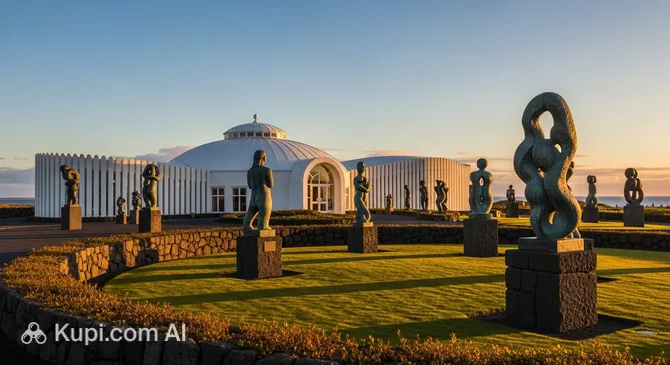
Ásmundur Sveinsson Sculpture Museum
Ásmundur Sveinsson Sculpture Museum. Иллюстрация. Источник: Kupi.com AI

The surrounding garden complements the architectural ensemble: monumental sculptures that the master created specifically for outdoor spaces are set among the greenery. The museum consistently receives high marks from visitors for its intimate atmosphere and the harmonious blend of art and architecture, creating a sense of immersion into the genius's personal world.

Contacts

To plan your visit to the Ásmundur Sveinsson Sculpture Museum, it is worth checking its contact information in advance. Official details will help clarify the current exhibition schedule and special events.

How to contactContact
AddressSigtún 105, 105 Reykjavík, Исландия
Phone+354 411 6430
Websiteartmuseum.is

What to Do

Inside the museum, you will find the largest collection of the master's sculptures and drawings, reflecting his journey from classical forms to avant-garde abstractions. Within the building, which lacks conventional right angles, you can see not only finished masterpieces but also drafts, sketches, and the artist's personal tools, which literally allow you to peek into the process of art being born.

One of the main highlights of the visit is a walk through the sculpture garden. Massive figures cast in concrete, embodying heroes of Icelandic sagas and mythological characters, are installed here. It is an ideal spot for photography: the combination of the building's strict geometry and the fluid shapes of the statues creates a unique visual contrast, especially impressive in the soft northern light.

In addition to the permanent exhibition, the museum often hosts temporary exhibitions by contemporary authors who engage in a kind of dialogue with Sveinsson's work. Visitors can sit in the silence of the dome hall, enjoying the acoustics and the play of shadows on the white walls, or study the architectural features of the structure, inspired by Egyptian pyramids and oriental temples.

Getting There

Reaching the Ásmundur Sveinsson Sculpture Museum is quite simple, as it is located in the quiet Sigtún district, just a couple of kilometers from the city center, near the Laugardalur park and sports area. If you prefer public transport, use buses No. 3, 11, 12, or 14. You should get off at the Laugardalshöll or the Sigtún stop itself, from where the museum entrance is just a few minutes' walk away.

A taxi ride from the city center (for example, from Harpa Concert Hall) will take about 5–10 minutes and cost approximately 2,000–3,000 Icelandic Króna. For those who enjoy walking in the fresh air, the walk from the city center will take 30–40 minutes along scenic paths, and in the summer, renting a bike is an excellent option.

For those traveling by rental car, the museum provides free parking. This makes visiting the site convenient for those planning further travels around the capital's outskirts.

Ближайший город: Reykjavik

History & Facts

The history of this place is inextricably linked to the personality of Ásmundur Sveinsson, one of the pioneers of Icelandic sculpture. Having returned to his homeland in 1929 after studying in Europe, he set out to create modern national art, drawing inspiration from the harsh nature and ancient sagas. The plot of land on Sigtún hill was provided to the artist by the city, and it was here that he began to realize his dream of a home-studio.

Construction took place in three stages and was almost entirely done by hand: the sculptor mixed the concrete and raised the walls himself. In 1942, the famous "Dome" appeared, its architecture echoing Mediterranean and Middle Eastern traditions. Later, in 1946, the "Pyramid" with Egyptian motifs was added, and the complex was completed in the late 1950s with the addition of the U-shaped studio wing. The absence of right angles and the fluidity of the building's forms reflect the master's own artistic style.

After Ásmundur's death in 1982, his entire creative legacy, including the building and hundreds of works, became the property of the city. As early as 1983, the museum opened its doors to the general public, becoming an important part of the Reykjavik Art Museum and a living monument to the man who was called the "folk poet of visual art."

Time Needed

To leisurely explore the exhibition and enjoy the architecture, most visitors need about 1 to 1.5 hours. This is quite enough time to get acquainted with the museum's interior halls and pay attention to the details of the building itself, which is a work of art in its own right.

You should set aside about 30–40 minutes for a walk through the sculpture garden surrounding the museum. If you plan to take photos or want to study the master's preparatory sketches and tools in more detail, your visit may last up to 2 hours. The atmosphere of the place encourages quiet contemplation, so there is no desire to rush.

Working Hours

The museum welcomes guests daily, usually opening its doors from 1:00 PM to 5:00 PM. During the summer period (from May to September), opening hours may be extended, and the museum starts operating as early as 10:00 AM, which is convenient for those who want to see several attractions in one day.

In the winter months, the schedule is stricter, so before traveling to Sigtún, it is highly recommended to check the information on the official website of the Reykjavik Art Museum to stay updated on any possible changes or holiday closures.

13:00–17:00

Nearby

The museum's location in the eastern part of the city allows tourists to combine their cultural program with sightseeing at other interesting sites. Exploring the surrounding area will help you feel the atmosphere of the capital more deeply, from historical buildings to modern entertainment centers.

NameDistance
Reykjavík Park and Zoo0.7 km
Höfði House1.2 km
KRÖST1.4 km
Reykjavík Art Museum – Kjarvalsstaðir1.4 km
Reykjavík Kitchen1.4 km
Kringlan1.4 km
Old Iceland1.7 km

Reached the end of the page?

That means the route is fully explored