Support

Anjuna

About

Anjuna is more than just a spot on the map of Goa; it is a true magnet for free-spirited travelers and those seeking unique experiences. Known for its one-of-a-kind atmosphere, this town has long been a cult destination for those looking for something beyond a standard beach holiday.

Located on the west coast of India, Anjuna sits snugly on the shores of the Arabian Sea, about 20 kilometers north of Panaji, the state capital of Goa. In this picturesque setting, home to around 11,000 people, tropical greenery meets sandy beaches, and old Portuguese buildings coexist harmoniously with a modern art scene.
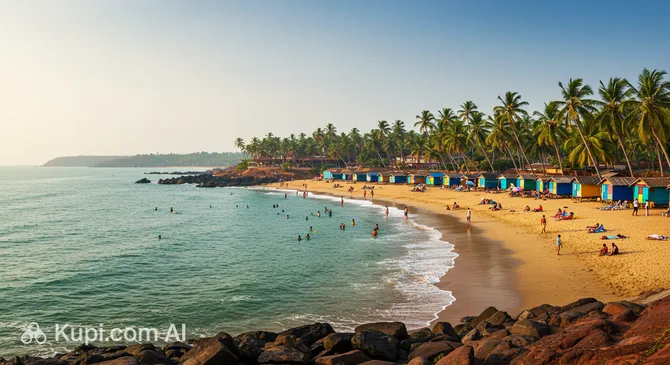
Anjuna. Illustration.
Source: Kupi.com AI

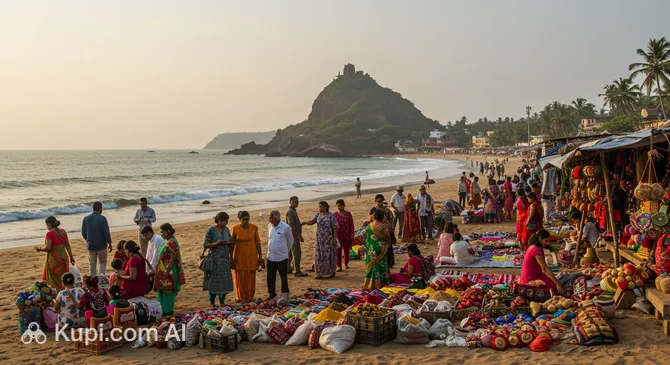
Anjuna is famous for its bohemian aura: here, you can encounter artists, musicians, yogis, and trance music fans at every turn. One of the town's main highlights is the famous flea market, which transforms the streets into a carnival of colors, sounds, and aromas every Wednesday. Anjuna is also known for its breathtaking sunsets and lively parties that attract travelers from around the globe.

Anjuna is well worth a visit for its unique blend of relaxed beach life, cultural diversity, and an atmosphere of eternal celebration. It is a place where everyone can find something for themselves, whether it's meditative walks along the coast or diving into the vibrant nightlife. Anjuna awaits, ready to provide an experience that will stay with you forever!

You can find more interesting facts on the page dedicated to the history of Anjuna
Weather Overview

The weather in Anjuna is characterized by a warm tropical climate with distinct dry and wet seasons. Generally, it is warm year-round, with average temperatures ranging from 25.9°C in January to 29.6°C in May. Expect hot and predominantly dry months from November to April, when rainfall is minimal or non-existent. May marks the transition to the monsoon season, which peaks from June to September, bringing significant rainfall; for example, July sees an average of 34 mm of precipitation, and almost every day is rainy. By October, the intensity of the rain decreases, and November becomes drier again.

For more detailed information about the weather in different months, including average daily temperatures and rainfall, you can check the detailed forecast: Climate of Anjuna.

Average monthly temperature

Average monthly precipitation

Interesting Facts

Beyond its famous beaches and parties, Anjuna hides many interesting stories and unique features. This corner of Goa is not just a tourist destination, but a place with a rich history and a special atmosphere that attracts travelers from all over the world.

Chapora Fort. Illustration.
Source: Kupi.com AI

Traveler photos:

  • Anjuna is the birthplace of the legendary Anjuna Flea Market. It originated in the 1970s when hippies traveling through India sold their belongings to continue their journey. Today, this market is a true symbol of the town, attracting traders, musicians, and creative individuals from around the globe.

  • The town is known as one of the epicenters of trance culture. It was here that the first Goa trance parties were born, making Anjuna famous worldwide. To this day, DJs and electronic music fans flock here to dive into the legendary atmosphere of open-air raves.

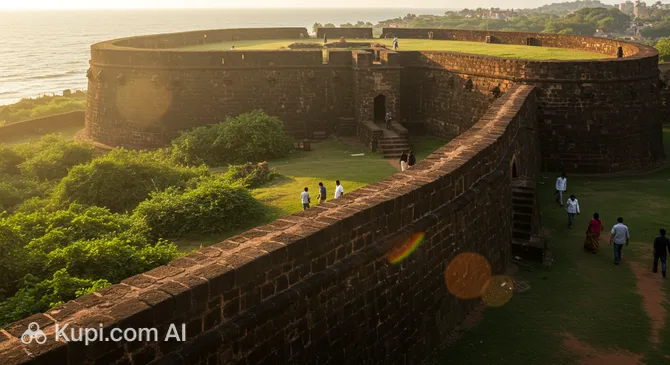
  • In the vicinity of Anjuna lies the ancient Chapora Fort, built by the Portuguese over 300 years ago. From its walls, breathtaking views of the sea and coast unfold, and the fortress itself has become a favorite spot for photo shoots and romantic walks.

  • Anjuna is a place where Indian traditions and Western freedom of expression intertwine harmoniously. Here you can meet street artists, practicing yogis, skilled artisans, and even hermits who have chosen this colorful corner for solitude and creativity.

How to Get There

When planning a trip to Anjuna, it is worth thinking about your route in advance, as this popular resort in the state of Goa has its own logistical nuances. Since the village itself does not have its own airport, travelers usually use the nearest transport hubs in neighboring cities, from where they can reach the coast by ground transport.

The closest option is Sindhudurg Chipi Airport (IATA: SDW). It is important to note that it is located in the town of Malvan, about 51.5 km from Anjuna. This is a small airport handling a limited number of flights. A taxi ride from here to the resort takes approximately 1 hour and 40 minutes, making it a convenient option for those looking to minimize ground travel time.

An alternative is Belgaum Airport (IATA: IXG), located in the city of Belagavi. This is a busier regional hub with a medium passenger flow, situated about 98 km from Anjuna. A transfer by car or bus from here will take longer—roughly 2 hours and 50 minutes—but this airport may offer more flight options.

For convenience, here is a summary of the main airports:

AirportPassenger trafficDistance
Sindhudurg-Chipi17 61852 km
Belgaum Airport360 00098 km
Kolhapur158 966133 km
Hubli Airport346 405145 km
Shivamogga Airport161 000276 km

As for rail travel, there is no station in Anjuna itself. The nearest major railway station is Thivim, located about 20 km from the beach. Many trains from Mumbai and other regions of the country arrive here. Another important hub is Madgaon station, about 50 km away, which handles most long-distance expresses. From both stations, you can easily reach your hotel or guesthouse via local taxis, rickshaws, or buses.

Main Attractions

Anjuna is not just a popular destination for beach holidays in Goa, but also a treasure trove of unique attractions, each telling its own story. From ancient fortifications with breathtaking views to iconic art objects on the coast and historic churches—there is something of interest for every traveler.

One of the most iconic landmarks is Chapora Fort. These ancient ruins, towering over the Chapora River and the Arabian Sea, offer not only a journey into history but also spectacular panoramic views, especially at sunset. The fort gained particular popularity after the filming of the cult Bollywood movie "Dil Chahta Hai," becoming a pilgrimage site for film buffs and landscape lovers.

Chapora Fort. Illustration.
Source: Kupi.com AI

Traveler photos:

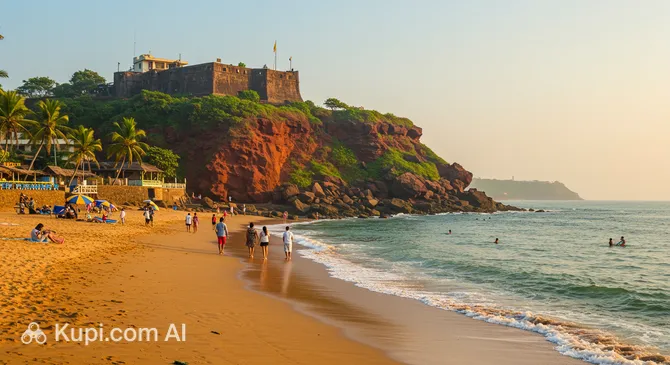
Of course, a trip to Anjuna is unthinkable without visiting its famous beaches. Vagator Beach is one such iconic spot. It is loosely divided into Big Vagator, which is more lively, and Little Vagator (Ozran), known for its seclusion and picturesque red cliffs. Here, you can soak up the sun, swim in the warm waters of the Arabian Sea, and feel the relaxed Goan vibe.

Vagator Beach. Illustration.
Source: Kupi.com AI

Traveler photos:

Located on Ozran Beach (Little Vagator) is another amazing attraction—Shiva's Face. This is an impressive sculpture carved directly into a coastal rock, depicting the Hindu god Shiva. This spot has become not only a popular photo point but also a symbol of Anjuna's creative spirit, attracting both tourists and locals.

Shiva's Face. Illustration.
Source: Kupi.com AI

Traveler photos:

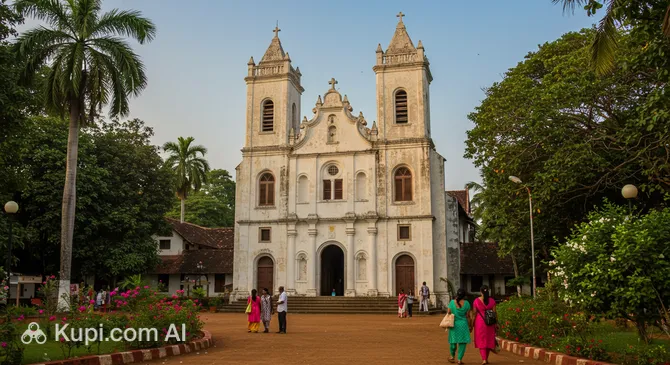
For those interested in history and architecture, St. Michael's Church is a must-visit. Founded in 1613, it is one of the oldest churches in Goa and a striking example of Portuguese colonial heritage. Its snow-white walls and tranquil atmosphere offer a peaceful contrast to the lively beach life.

St. Michael's Church. Illustration.
Source: Kupi.com AI

Traveler photos:

Local Cuisine

The gastronomy of Anjuna is a vibrant kaleidoscope of flavors, where Goan traditions blend harmoniously with global culinary trends. Travelers can expect a true feast for the senses, offering both authentic local dishes and familiar international favorites. The foundation of local cuisine is, undoubtedly, the freshest seafood and aromatic spices, creating a unique palette of tastes.

Be sure to try the famous Goan fish curry, where tender fish is simmered in a thick sauce of coconut milk with tamarind—which gives the dish its characteristic tang—and a variety of local spices. Other seafood is equally popular: fried tiger prawns, battered calamari, crabs in garlic sauce, or whole fish baked in a tandoor or grilled. These dishes are often served with rice and fresh vegetables and are a staple of coastal cafes.

Beyond restaurants, Anjuna has a thriving street food culture. On busy streets and beach markets, you can snack on crispy samosas (pastries with vegetable or meat fillings), spicy pakoras (vegetables in chickpea flour batter), or fragrant breads like pao. Don't miss the stalls with fresh exotic fruits—juicy mangoes, sweet papayas, pineapples, and of course, coconuts, whose water is perfect for quenching thirst on a hot day.

In terms of drinks, the signature spirit of Goa is feni—a potent alcoholic drink traditionally made from cashew apple juice or coconut palm sap. This is an authentic local specialty that connoisseurs of unique flavors should definitely try. For those who prefer non-alcoholic options, fresh juices made from mango, pineapple, and watermelon are always available, as is refreshing lassi—a traditional Indian yogurt-based drink. At beach parties, various cocktails based on local rum or feni are popular.

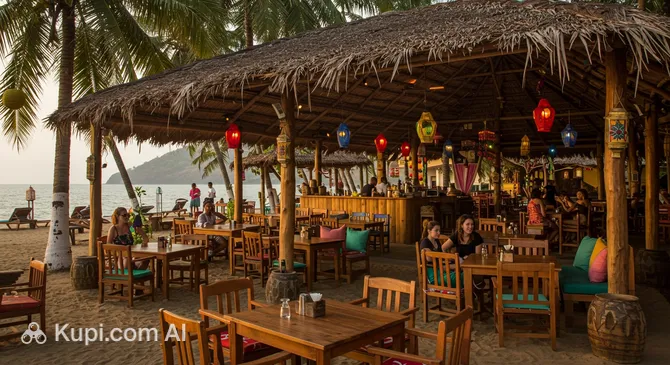
Dining culture in Anjuna is very laid-back and encourages socializing. Locals and tourists alike enjoy eating at simple beach shacks, which offer the fresh catch of the day at affordable prices, as well as in more refined restaurants with diverse menus. One such place to enjoy a pleasant atmosphere and good food is Purple Martini. The city's gastronomic scene is lively and dynamic; food here is not just about satisfying hunger, but an important part of the local character and an opportunity for new discoveries.

Purple Martini. Illustration.
Source: Kupi.com AI

Traveler photos:

Travel Tips

Planning an unforgettable journey to the vibrant and unique Anjuna? These practical tips will help you better prepare for your trip and enjoy every moment of your stay in this famous corner of India, known for its free-spirited atmosphere and picturesque beaches.

  1. Clothing and Essentials: Given Anjuna's tropical climate, bring light cotton clothing, swimwear, shorts, and T-shirts. Don't forget a hat, sunglasses, and high-SPF sunscreen. Sandals or flip-flops are ideal for beach walks and market visits. If you plan to visit temples, bring clothing that covers your shoulders and knees. You may also need a universal power adapter for your electronics.
  2. Transport in Anjuna: The most popular way to get around Anjuna and the rest of Goa is by renting a scooter or motorcycle, which gives you the freedom to explore. Taxis (always agree on the fare in advance) and auto-rickshaws are also available. Public transport is limited and not very convenient for tourist travel.
  3. Finances: The official currency is the Indian Rupee (INR). You can exchange currency at banks or authorized exchange bureaus; avoid street money changers. Credit cards are accepted in most hotels, restaurants, and large shops, but for purchases at markets and small stalls, it's better to have cash. ATMs are available, but there can sometimes be issues with international cards, so it's wise to keep a cash reserve. Tipping is appreciated (usually 5-10% in restaurants).
  4. Health and Safety: There are pharmacies in Anjuna with a basic range of medications. For serious medical care, it is better to go to clinics in larger Goa cities. Drink only bottled water. Be mindful of your belongings, especially on beaches, in markets, and in crowded areas, to avoid petty theft. Avoid poorly lit and deserted areas after dark.
  5. Communication: The main languages in Goa are Konkani and Marathi, while Hindi is also widely used. In Anjuna's tourist zones, staff speak English well. Learning a few phrases in Hindi (e.g., "Namaste" – hello/goodbye, "Dhanyavad" – thank you) will be useful and appreciated by locals. A local SIM card can be purchased at specialized stores by presenting your passport and visa. Wi-Fi is available in most hotels, cafes, and guesthouses.
  6. Local Etiquette: Locals are friendly and open. Greet them with a smile and the "Namaste" gesture (palms together at chest level). Show respect for local traditions: dress modestly outside the beach, especially when visiting villages or temples. Always ask for permission before taking photos of people.
  7. What to Avoid: Refrain from excessive alcohol consumption in public places to avoid disapproval. Strictly avoid any offers involving drugs—laws in India regarding this are very strict, and consequences can be extremely serious.
  8. Extra Tip – The Famous Market: Be sure to visit the famous Anjuna Flea Market, which usually takes place on Wednesdays. It is not just a place for shopping, but a true cultural phenomenon where you can find unique souvenirs, clothing, and jewelry while experiencing Goa's unique atmosphere. Don't be afraid to bargain; it's part of the local experience!

We hope these tips make your stay in Anjuna as comfortable as possible and packed with vibrant experiences. We wish you an unforgettable journey and a wonderful holiday on the shores of the Arabian Sea!

Entertainment & Nightlife

Anjuna, located in India, is famous for its vibrant and unique nightlife, drawing tourists from all corners of the world. It is a place where legendary open-air trance parties harmoniously coexist with cozy beach bars and a laid-back atmosphere. If you dream of unforgettable evening and nighttime adventures, Anjuna will exceed your expectations.

The epicenter of Anjuna's nightlife is found along its beachfront, especially in the southern part, as well as near the famous flea market. On Wednesdays and certain other evenings, the market comes alive, turning into a bustling hub with music and pop-up bars. The atmosphere here is predominantly informal and bohemian. The crowd is diverse: from backpackers and devoted Goa regulars to curious tourists. There is no strict dress code—comfortable beachwear is appropriate almost everywhere. The musical kaleidoscope will delight you with its variety: from iconic Goa trance and techno to live performances, reggae, and funk.

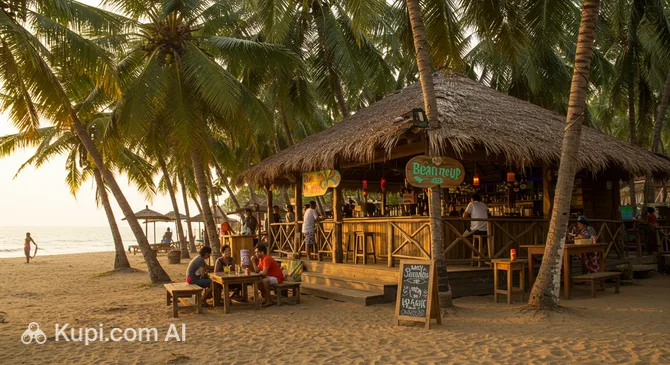
Among Anjuna's diverse venues, a few are particularly noteworthy. For instance, Darlings Bar is famous for its friendly atmosphere and excellent selection of drinks. Another cult spot is Bean Me Up, where you can enjoy vegan cuisine during the day and pleasant company with live music or DJ sets in the evening. If you are looking for a more sophisticated setting, consider the Purple Martini restaurant, known for its cocktails and stylish interior.

Bean Me Up. Illustration.
Source: Kupi.com AI

Traveler photos:

Parties in Anjuna typically start late in the evening and often continue until dawn. The optimal time to visit clubs is after 10:00 PM–11:00 PM. Prices for drinks and entry can vary significantly: from very affordable rates in small beach cafes (shacks) to higher prices in popular clubs. For getting around Anjuna at night, taxis or rented scooters are the most convenient options. It is recommended to book taxis in advance or use trusted drivers, as prices, especially at night, can be inflated. When renting a scooter, exercise maximum caution on the roads.

Regarding safety, the main tourist areas of Anjuna are considered relatively quiet. However, as with any other place, it is important to follow basic precautions: try to avoid poorly lit and deserted streets, especially when alone, and do not leave valuables unattended. Traveling in a group will add to your confidence. You can call a taxi through your hotel's reception or via available mobile apps.

During the day, Anjuna also offers plenty of activities. You can relax on famous beaches like Vagator Beach or its more secluded neighbor, Little Vagator. History buffs will appreciate the chance to explore the ruins of the ancient Chapora Fort, which offers breathtaking panoramic views, or visit St. Michael's Church. And every Wednesday, the famous Anjuna Flea Market hums with life—the perfect place to find unique souvenirs, clothing, and immerse yourself in the incomparable local flavor.

Parks & Museums

Anjuna, known for its lively beaches and bohemian atmosphere, offers travelers not only seaside relaxation but also the chance to connect with local culture and history through its natural beauty and iconic landmarks.

While there are few traditional urban parks in Anjuna, its coastline is a major natural attraction in itself. The famous Anjuna Beach draws visitors with its long sandy stretch, rocky outcrops, and legendary flea market. Nearby is Vagator Beach, known for its scenic cliffs and red bluffs, and the more secluded Little Vagator Beach, ideal for a peaceful retreat. These areas are perfect for walking, watching the sunset, and enjoying Goa's natural landscape.

Vagator Beach. Illustration.
Source: Kupi.com AI

Traveler photos:

Anjuna is not famous for a large number of classical museums or art galleries in the traditional sense. Cultural life here is more focused outdoors, particularly at the famous Anjuna Flea Market, where you can find unique handmade items, souvenirs, and meet local artisans. It is a kind of living open-air museum reflecting the multifaceted culture of Goa.

Among the historical landmarks, Chapora Fort stands out, offering breathtaking views of the coast and the Chapora River. This site is steeped in history and is popular with tourists, especially at sunset. Another point of interest is the Anjuna Hill Viewpoint, which also provides a panoramic view of the surroundings. Near Vagator Beach is the well-known Shiva's Face—a rock-cut sculpture that attracts pilgrims and curious tourists. Also worth noting is St. Michael's Church, one of the region's oldest temples, which holds significant architectural and historical interest.

Chapora Fort. Illustration.
Source: Kupi.com AI

Traveler photos:

Shiva's Face. Illustration.
Source: Kupi.com AI

Traveler photos:

St. Michael's Church. Illustration.
Source: Kupi.com AI

Traveler photos:

For a more authentic experience, beyond the famous beaches, explore the less crowded trails along the coast or visit small local markets. Watching fishermen at dawn or visiting one of the many yoga centers will also add local color to your journey to Anjuna.

Getting Around

Getting around Anjuna and its surroundings can be done in several ways, although there is no developed urban public transport system like in large metropolises. The focus here is on more flexible and individual options.

Main types of transport:

The most popular way for tourists to get around Anjuna is by renting a scooter or motorcycle. This provides the freedom to explore beaches and attractions at your own pace. Rental points are found everywhere. Ensure you have the appropriate license and always wear a helmet.

Auto-rickshaws (tuk-tuks) are another common mode of transport. They are suitable for short and medium distances. Always agree on the price in advance, before getting in, as they usually don't have meters.

Local buses run between Anjuna and other towns in Goa, such as Mapusa, Calangute, or Panaji. This is the most budget-friendly option, but buses can be crowded and don't always run on schedule. Tickets are purchased from the conductor directly on the bus for cash.

Taxis, including motorcycle taxis ("pilots"), are also available. Regular taxis are more expensive than auto-rickshaws and are suitable for longer trips or airport transfers. "Pilots" (motorcyclists carrying one passenger) are a quick way to travel short distances, but also require prior price negotiation.

Payment system and practical tips:

In most cases, payment is made in cash. For renting a scooter or motorcycle, a deposit is usually required (in cash or sometimes a passport, though the latter is less desirable). The cost of renting a scooter varies by season and the vehicle's condition, but on average, it costs a few hundred rupees per day.

When using auto-rickshaws or taxis, don't be afraid to bargain, especially if the price seems inflated. It is helpful to ask locals or your hotel about approximate fares for popular routes.

Public buses start running early in the morning and usually stop by evening. It's best to check their routes and exact schedules locally, as they can change.

Alternatives:

Bicycles can also be rented, but due to the hilly terrain and hot climate, they are less popular than scooters. For short walks within Anjuna itself, you can get around on foot, especially along the beach or shopping streets.

Overall, the transport system in Anjuna is geared toward independent travelers who prefer to rent vehicles or use rickshaw and taxi services with pre-negotiated prices.

Accommodation

Anjuna offers a variety of accommodation options to suit the needs of all types of travelers. Here you can find budget-friendly guesthouses and hostels popular with backpackers, comfortable mid-range hotels, and more luxurious villas and resorts with a full range of services. Many tourists also prefer to rent apartments or rooms from locals, allowing for a deeper immersion into the Goan atmosphere.

The most sought-after areas to stay are traditionally those located in close proximity to the famous beaches of Anjuna and Vagator, as well as along the main road where cafes, shops, and nightclubs are concentrated. Choosing accommodation here ensures easy access to all main entertainment and attractions. For instance, proximity to Vagator Beach or Little Vagator Beach is a major plus for beach lovers.

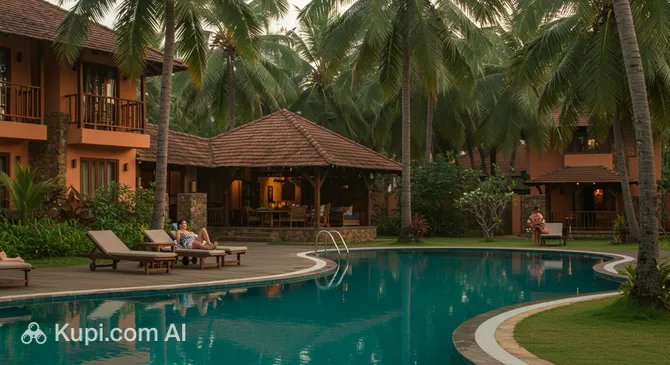
Avataara Resort & Spa. Illustration.
Source: Kupi.com AI

Traveler photos:

Notable accommodation options include resort hotels such as Avataara Resort & Spa and Royal Pearl Anjuna, which offer comfortable stays and quality service. Overall, the price range varies from very affordable to high-end, depending on the level of comfort and location. It is recommended to book your stay in advance, especially if your trip coincides with the peak tourist season (usually from December to February), when demand increases significantly.

You can book accommodation in Anjuna in several ways: through popular international online booking platforms, on the websites of local travel agencies, or by contacting the hotel or guesthouse owner directly. Many establishments also accept bookings upon arrival, though finding vacancies in the high season can be more difficult.

Nearby Cities

For those looking to explore the surrounding areas, Anjuna serves as an excellent starting point for day trips to several interesting nearby locations. Among them is Panaji, the capital of Goa, which charms visitors with its colonial architecture and picturesque promenade along the Mandovi River. Just a few kilometers away is Calangute, known as the "Queen of Beaches," which will delight fans of water sports and a bustling resort atmosphere.

CityPopulationDistance
Calangute20 8334 km
Solim13 6195 km
Candolim11 3578 km
Mandrem10 5899 km
Tivim9 71611 km

These nearby destinations offer a glimpse into the diverse culture and landscapes of the region.

Shopping & Souvenirs

Shopping in Anjuna is a vibrant and unique adventure, far removed from typical shopping centers. The town is famous for its colorful markets where you can find unique handmade items, boho-style clothing, original jewelry, and souvenirs. An atmosphere of freedom and creativity prevails here, which is reflected in the goods on offer.

The main commercial life in Anjuna is concentrated around the beach areas and the roads leading to them. Numerous small shops and stalls are scattered along the main road running parallel to Anjuna Beach, as well as in the Vagator Beach area. Here you can find clothing, accessories, leather goods, and textiles.

You won't find large modern shopping malls in Anjuna itself. Shopping here is primarily about exploring small boutiques and, of course, the famous local markets, which are the heart of the resort's trading life.

The crown jewel of shopping in Anjuna is undoubtedly the legendary Anjuna Flea Market. Traditionally held on Wednesdays (during the tourist season), it is a vast space where you can buy almost anything: from bright sarongs, psychedelic t-shirts, and silver jewelry to Tibetan singing bowls, spices, tea, musical instruments, and antiques. It is not just a place to shop, but a true cultural phenomenon where you can spend an entire day bargaining, socializing, and soaking up the unique Goan atmosphere. Small stalls with souvenirs and beachwear are also frequently found along the beaches.

Things worth bringing home from Anjuna include:

  • Hippie and boho-style clothing: loose tunics, dresses, harem pants, and vibrant sarongs.
  • Jewelry: silver pieces with semi-precious stones and handmade costume jewelry are particularly popular.
  • Indian textiles: bedspreads, tablecloths, and scarves with traditional patterns.
  • Spices and tea: aromatic Indian spices and real Indian tea make excellent gifts.
  • Incense and aromatic oils.
  • Leather goods: bags, sandals, and belts.
  • Small figurines of deities and souvenirs with symbols of India.

Shops in Anjuna are usually open from morning until late evening, especially during the tourist season. The Flea Market operates on specific days (usually Wednesday) from morning until sunset. Regarding payment, cash is preferred in markets and small stalls. Don't hesitate to bargain—it's part of the local flavor and expected behavior. Some larger shops and boutiques may accept credit cards. There are ATMs in Anjuna, but it's best to carry a supply of cash.

A Tax-Free refund system for tourists on goods purchased in Anjuna's markets or small shops generally does not apply. This system is more relevant for large purchases in authorized stores in India's major cities India.

Reached the end of the page?

That means the route is fully explored