Support

Panaji

About

Panaji is the charming and cozy capital of the state of Goa, picturesquely situated on the west coast of India, at the confluence of the Mandovi River and the Arabian Sea. The city, with its hilly landscape and streets sloping down to the water, offers breathtaking views of the embankments and historic buildings, creating a unique atmosphere where European charm meets Indian flair.
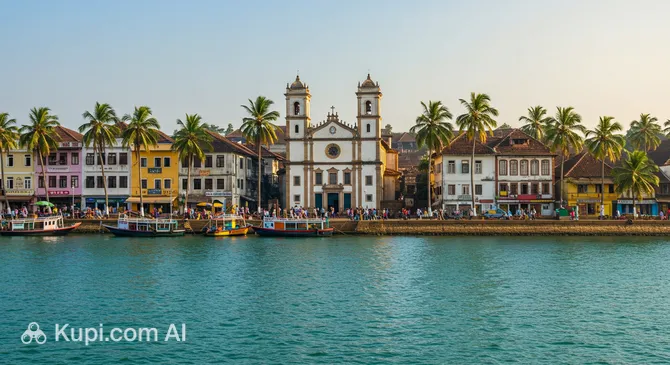
Panaji. Illustration.
Source: Kupi.com AI

Panaji, with a population of about 40,000, feels more like a small European town than a bustling Indian metropolis. A mild tropical climate prevails here: in winter, the air temperature is very comfortable, ranging between +20…+32°C, making it an ideal time to visit. In summer it gets hotter, up to +40°C, and from July to September, the monsoon season arrives. The city is an important administrative center for Goa, yet it maintains a relaxed rhythm and the allure of a seaside resort.

Panaji's uniqueness lies in its rich cultural heritage and architecture. One of the city's main gems is the Fontainhas Latin Quarter, with its narrow streets and bright Portuguese-style houses adorned with characteristic balconies. Tourists are also drawn to the numerous Catholic churches, Hindu temples, and mosques that coexist harmoniously. City life buzzes in lively markets, atmospheric cafes, and during colorful festivals, demonstrating an amazing fusion of Indian and Portuguese traditions evident in everything from local cuisine to holidays.

Panaji is not just about a beach holiday; it's an immersion into a unique culture and history. If you are looking for a place where you can combine relaxation on the coast with fascinating excursions and cultural discoveries, Panaji will be a true revelation for you and provide many unforgettable impressions.

You can find more interesting facts on the history of Panaji page.
Weather Overview

The weather in Panaji is characterized by a tropical monsoon climate. It is warm throughout the year, with average air temperatures ranging from 25.8°C in January to 29.5°C in May. The hottest months are April and May, when maximum temperatures can reach 32.9°C. The rainy season is pronounced and occurs from June to September, with July being the wettest month, seeing 35 mm of rainfall and almost daily rains. From November to April, dry and sunny weather sets in with minimal precipitation. To get more detailed information, you can check the detailed forecast: Panaji Climate.

Average monthly temperature

Average monthly precipitation

Interesting Facts

In addition to its famous beaches and colonial architecture, Panaji hides many surprising stories and little-known details. This city is capable of surprising even the most seasoned traveler!

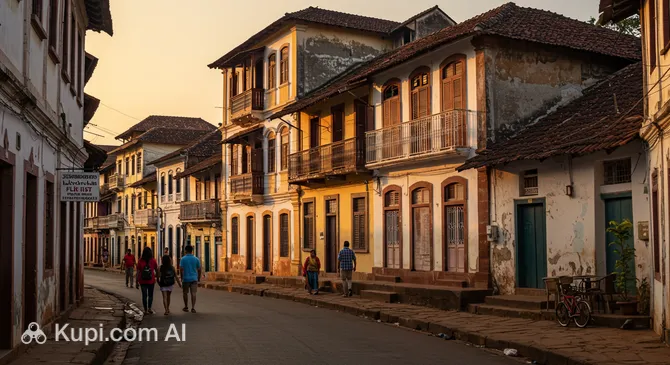
Fontainhas. Illustration.
Source: Kupi.com AI

Traveler photos:

  • Panaji is the only city in India that has preserved a genuine Latin Quarter, Fontainhas. Its narrow winding streets and houses with bright facades decorated with traditional Portuguese azulejo tiles make you feel as if you've been transported to an old European town.

  • Every February, Panaji transforms, becoming the arena for the famous Goa Carnival. This vibrant event, rooted in Portuguese traditions, features colorful parades, lively music, dancing, and costumed processions that attract guests from all over the world.

  • The city was founded on the site of a small fishing village and was known for a long time as Nova Goa (New Goa) after Old Goa fell into decline due to epidemics. Because of this, many historical buildings have been preserved here, including ancient churches like the Immaculate Conception Church.

  • Panaji and its surroundings often serve as filming locations for Indian movies. The Dona Paula area is particularly popular with filmmakers; steeped in romantic legends and known for its picturesque views, it has appeared on Bollywood screens many times.

How to Get There

When planning a trip to the capital of Goa, it is important to consider logistics in advance, as the city has its own transport specifics. You can find full details and review all the ways to get to the city on our dedicated page; below we will cover the main transport hubs nearby.

If you are considering flying, keep in mind that some convenient airports are located in neighboring cities. One of the closest options is Sindhudurg-Chipi (IATA: SDW). Please note: it is not in Panaji itself, but in the city of Malvan, about 63 km from the state capital. A taxi ride from here takes about 2 hours. This is a small airport, but it may be convenient for certain routes. You can learn more about it on the page: Sindhudurg-Chipi.

Another significant transport hub is Belgaum Airport (IATA: IXG), located in the city of Belagavi. The distance to Panaji is about 93 km, which requires approximately 2.5–3 hours by car or bus. This is a fairly busy regional airport with an annual passenger flow of over 300,000 people. Link for reference: Belgaum Airport.

For clarity, here is a summary of the main airports in the region that may be useful when planning your route:

AirportPassenger trafficDistance
Sindhudurg-Chipi17 61863 km
Belgaum Airport360 00093 km
Hubli Airport346 405136 km
Kolhapur158 966138 km
Shivamogga Airport161 000264 km

Regarding rail travel, it is important to know that there is no train station directly within Panaji city limits. Tourists choosing the train usually arrive at one of Goa's major stations—for example, Karmali Station, which is only 12–15 km from the city (the closest to Panaji), or the region's main railway hub, Madgaon Station in the city of Margao, located about 35–40 km away. From any of these stations, Panaji can be easily reached by state bus, taxi, or auto-rickshaw.

Panaji can also be reached by intercity buses from neighboring states or major Indian cities (such as Mumbai or Bangalore). The city's main bus station, Kadamba Bus Stand, handles numerous daily services and serves as an important transport hub for the region.

Main Attractions

Panaji, the capital of Goa, enchants travelers with its colonial charm, picturesque streets, and rich history. The city offers many interesting places worth visiting to dive deeper into its unique atmosphere.

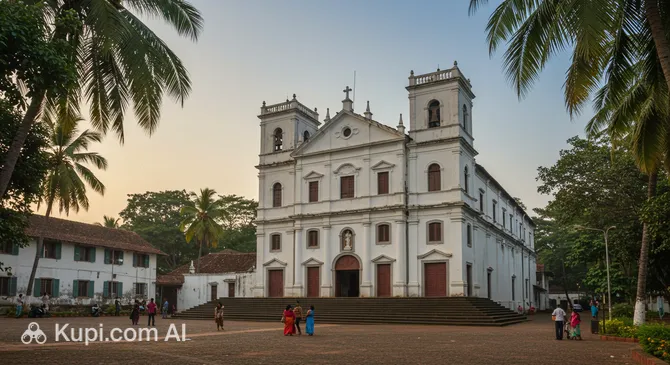
One of the most recognizable landmarks in Panaji is the Immaculate Conception Church. This snow-white Baroque building, towering over the city, was built in 1541 and originally served as a beacon for Portuguese sailors. Today, the church attracts not only pilgrims but also tourists with its magnificent architecture, particularly the impressive double staircase leading to the main entrance. Inside, you can see a richly decorated altar and ancient bells.

Immaculate Conception Church. Illustration.
Source: Kupi.com AI

Traveler photos:

A walk through the Fontainhas quarter, also known as the Latin Quarter, is an absolute must. This area has preserved its old Portuguese flavor with narrow winding streets, bright villas with overhanging balconies, and tiled roofs. Walking through Fontainhas is like a journey back in time, allowing you to feel the spirit of the colonial era and enjoy peace and quiet away from the city bustle.

Fontainhas. Illustration.
Source: Kupi.com AI

Traveler photos:

History and fortification enthusiasts will be interested in Fort Aguada, located on the shores of the Arabian Sea. Built in the 17th century by the Portuguese to defend against the Dutch and Marathas, this fort was once one of the most powerful and impregnable. On its grounds is an old lighthouse, which is one of the oldest in Asia. The fort offers magnificent panoramic views of the coast.

To better understand the culture and daily life of Goa, visit the Houses of Goa Museum. This unique ethnographic museum showcases different types of traditional Goan houses and household items, telling the story of the architectural heritage and lifestyle of the local population over the centuries. It is an excellent place for those who want to learn more about the region's unique culture.

Another iconic spot is the Dona Paula Viewpoint, which offers a breathtaking view of the confluence of the Mandovi and Zuari rivers with the Arabian Sea. This is a popular spot for strolls, especially at sunset, and is shrouded in local legends of love and loss. Here you can enjoy the sea breeze and take beautiful photographs.

Local Cuisine

The cuisine of Panaji is an amazing blend of Indian aromas and Portuguese culinary heritage that will give you unforgettable gastronomic experiences. Everyone will find a dish to their liking here, from spicy curries to exquisite European desserts that reflect the city's rich cultural past.

Be sure to try the famous fish curry rice – the hallmark of Goan cuisine. It is prepared with coconut milk, the freshest seafood, and a bouquet of aromatic spices. Another iconic dish is sorpotel, a piquant and rich meat stew (often pork) with vinegar and characteristic Indian spices, serving as a prime example of Portuguese influence. Don't overlook the traditional Portuguese puff pastry tarts, pastéis, which are also prepared here with a local twist.

For street food lovers, Panaji offers many temptations. In local markets, you can taste delicious samosas with various fillings—from fish and shrimp to potato. Along Miramar Beach, numerous eateries serve freshly fried calamari, shrimp, and the famous Goan bread, poee. This is a great opportunity to have a snack while enjoying the sea breeze and authentic flavors.

Among local drinks, feni stands out – a traditional Goan alcoholic beverage produced by fermenting coconut palm sap or cashew apples. It can be quite strong but has a unique taste and is considered an integral part of the local culture. For those who prefer non-alcoholic options, there is always a refreshing lime and spice drink or aromatic masala chai with spices.

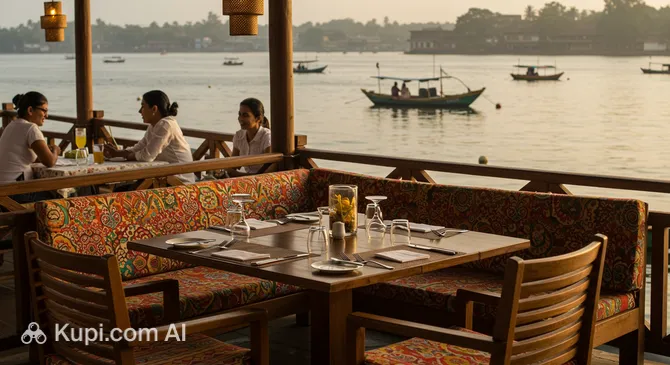
The food culture in Panaji is very diverse: from lively street stalls and markets to cozy family cafes and elegant restaurants. Locals often prefer small eateries serving authentic dishes at affordable prices. Tourists, meanwhile, can enjoy both colorful street food and refined dinners in establishments overlooking the Mandovi River. For instance, to fully appreciate the wealth of Goa's seafood, you can visit The Fisherman's Wharf Panjim, known for its fresh catches and pleasant atmosphere. And in the evening, after a stroll through the colorful streets of the historic Fontainhas district, it is especially pleasant to relax in one of the many cafes. Often, the city hosts gastronomic festivals, especially during Carnival or winter holidays, offering special menus and the chance to try rare delicacies, including the famous multi-layered coconut cake, bebinca.

The Fisherman's Wharf Panjim. Illustration.
Source: Kupi.com AI

Traveler photos:

Travel Tips

Welcome to Panaji, the charming capital of Goa! To make your journey through this colorful city as comfortable and fulfilling as possible, we have prepared a few practical tips.

  1. Clothing and Essentials: Panaji has a warm and humid tropical climate. Choose light, breathable clothing made of cotton or linen. The monsoon season lasts from June to September, so a raincoat, umbrella, and waterproof shoes will come in handy. During the dry season (October–May), don't forget a hat, sunglasses, and high-SPF sunscreen. When visiting temples and churches (such as the Immaculate Conception Church), choose clothing that covers your shoulders and knees. Be sure to bring comfortable walking shoes and a universal power adapter (types C, D, and M sockets are used in India).
  2. Getting Around: It is convenient to move around Panaji by taxi or auto-rickshaw. Always agree on the price in advance or ask to use the meter if available. Public buses are an economical option, but they can be crowded. Renting a scooter is a popular way to explore the surroundings, but be careful on the roads and carry an international driving permit. Ride-hailing apps like Ola or Uber may be available, but they are less common than traditional taxis.
  3. Financial Matters: The official currency is the Indian Rupee (INR). You can exchange currency at banks or licensed exchange offices; try to avoid street money changers. Credit and debit cards (Visa, Mastercard) are accepted in most hotels, restaurants, and large shops. However, it is always useful to have cash for small shops, markets, and paying rickshaws. ATMs are quite common. Tipping is not strictly mandatory but is appreciated for good service (usually 5–10% in restaurants).
  4. Health and Safety: Pharmacies (marked as "Pharmacy" or "Chemist") are easy to find, and some may operate 24/7. It is recommended for tourists to have medical insurance. Panaji is generally a safe city, but as everywhere, take basic precautions: avoid poorly lit and deserted areas at night and keep an eye on your belongings in crowded places. Drink only bottled water and be cautious when choosing street food.
  5. Communication: The main languages in Goa are Konkani and Marathi. Hindi is also widely spoken. In tourist areas of Panaji, many people speak English. Learning a few phrases in Hindi or Konkani is a nice gesture: "Namaste" (Hello), "Dhanyavad" (Thank you). A local SIM card (e.g., Airtel, Jio, Vi) can be purchased at official mobile stores by presenting your passport and visa. Wi-Fi is available in most hotels and many cafes.
  6. Local Etiquette: The "Namaste" greeting (palms together at chest level with a slight bow) is always appropriate. When communicating with locals, be polite and patient. In India, it is common to bargain in markets and small shops, but do so with a smile and respect. Always ask for permission before photographing people. Avoid overly revealing clothing outside of beach areas, especially when visiting religious sites.
  7. What to Avoid: It is strictly not recommended to drink tap water. Also, try not to show excessive persistence or aggression when communicating, especially while bargaining. Public displays of strong intoxication may be viewed negatively.
  8. Panaji Highlights: Don't miss the chance to walk through Fontainhas—the old Latin Quarter with its narrow streets and brightly painted Portuguese colonial-style houses. This is a unique place that captures the city's special atmosphere and its rich history. Evening cruises on the Mandovi River also offer a beautiful view of the city.

We hope these tips help you better prepare for your trip and make your stay in Panaji truly pleasant and memorable. Enjoy every moment in this amazing corner of India!

Entertainment & Nightlife

Panaji, the capital of Goa, offers diverse opportunities for evening and night entertainment, though it is more laid-back than the famous beach areas of North Goa. Nightlife here centers around cozy bars, restaurants with live music, a few clubs, and, of course, the floating casinos on the Mandovi River, which are one of the city's main highlights after sunset.

The main centers of evening activity are located along the Mandovi River embankment and around 18th June Road. Here you can find many venues for every taste. The atmosphere in most places is quite relaxed, with a mixed crowd of both locals and tourists. The dress code is usually casual, though some more prestigious restaurants and casinos may suggest smart casual. Nightlife typically comes alive after 9:00 PM–10:00 PM and continues late into the night, especially on weekends.

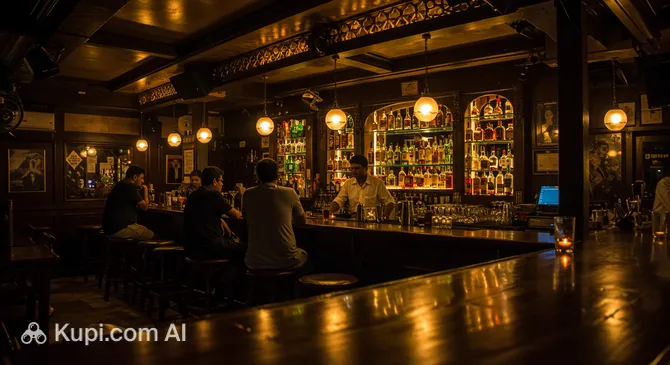
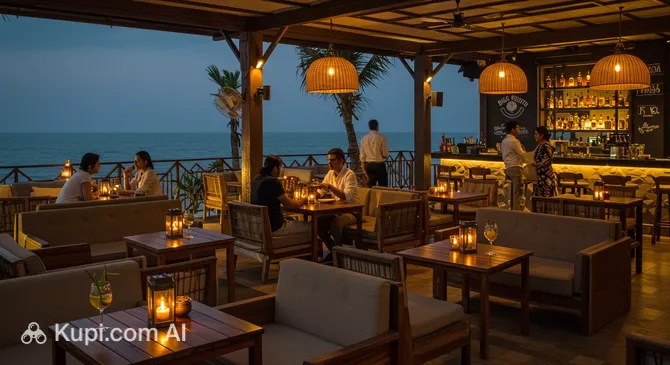
Among the popular spots for evening leisure, several stand out. Bar lovers should check out Mikey's Place, known for its easygoing atmosphere. If you're looking for a place to dance, consider Bigg Mouth Bar and Restaurant, which offers club music and drinks. For a dinner in a pleasant setting where you can enjoy local cuisine, The Fisherman's Wharf Panjim is an excellent choice, often featuring live music.

Mikey's Place. Illustration.
Source: Kupi.com AI

Traveler photos:

Many tourists are also drawn to floating casinos like Deltin Royale or Casino Pride, which offer gambling, dinner, and entertainment programs. Prices in Panaji establishments vary: from budget bars to more expensive restaurants and clubs. On average, a cocktail can cost between 300 and 600 rupees, and dinner for two from 1,000 to 3,000 rupees, depending on the level of the venue.

Bigg Mouth Bar & Restaurant. Illustration.
Source: Kupi.com AI

Traveler photos:

Getting around Panaji at night is possible via taxi or auto-rickshaws. It is recommended to agree on the fare in advance or use ride-hailing apps if available. The city is generally considered safe for nighttime walks, especially in busy tourist areas, but common precautions should always be observed: avoid poorly lit and deserted areas and keep an eye on your belongings.

The Fisherman's Wharf Panjim. Illustration.
Source: Kupi.com AI

Traveler photos:

During the day, Panaji also offers plenty of interest. You can explore the colorful Portuguese quarter of Fontainhas, visit the Immaculate Conception Church, stroll along the embankment, or drop by one of the museums, such as the Alcohol Museum or the Goa Science Centre & Planetarium. For shopping enthusiasts, there are shopping centers like Mall De Goa.

Parks & Museums

Panaji, the charming capital of Goa, offers its guests not only picturesque embankments but also interesting green spaces for relaxation and a rich cultural heritage reflected in its museums and architecture. Everyone will find something for themselves here, whether it's a quiet stroll in a park or an immersion into the history of the region.

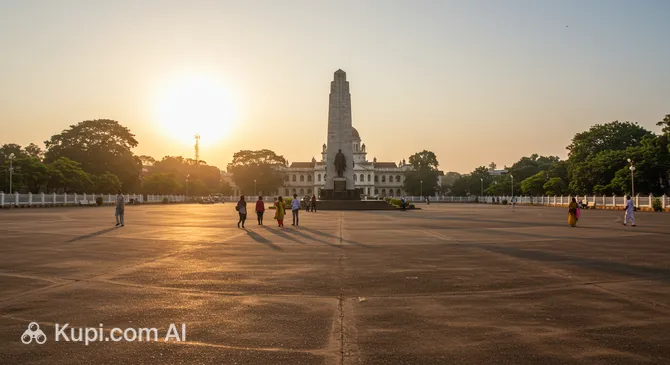
Among the city's green corners, Azad Maidan stands out—a spacious public square in the heart of Panaji, surrounded by colonial buildings. It is a popular spot for locals and tourists to rest in the shade of the trees. While Panaji is better known for its waterfronts, nature and beach lovers can find Sinquerim Beach nearby, offering golden sand and opportunities for water sports. A unique natural site is the Mangrove Boardwalk—a specially equipped route through mangrove thickets that allows you to discover this region's amazing ecosystem and observe birds.

Azad Maidan. Illustration.
Source: Kupi.com AI

Traveler photos:

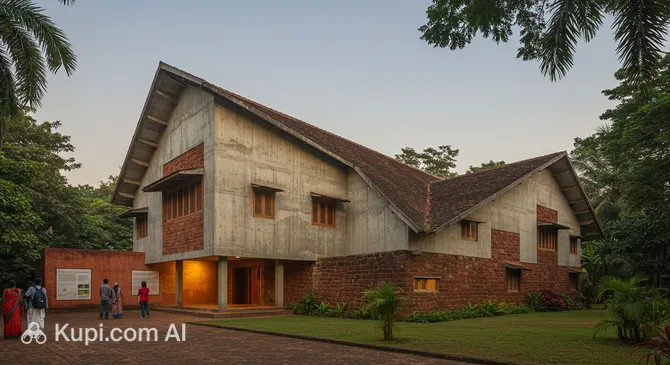
Panaji's cultural life is equally rich. To get closer to the history and daily life of Goa, it's worth visiting the Houses of Goa Museum. This exhibition vividly demonstrates traditional Goan architecture and household items from past eras, allowing you to imagine how people lived in this region. Another unusual and interesting museum is the Alcohol Museum, which tells the history of the production of feni and other Goan spirits, representing an important part of local culture. For those traveling with children or simply interested in science, the Goa Science Centre & Planetarium is an excellent choice, offering interactive exhibits and engaging programs.

Houses of Goa Museum. Illustration.
Source: Kupi.com AI

Traveler photos:

The city is also rich in historical and architectural landmarks. The signature landmark of Panaji is undoubtedly the majestic Immaculate Conception Church. Its snow-white Baroque facade, towering over the city, is eye-catching and is one of the most photographed objects in Goa. No less remarkable is the old Fontainhas district, also known as the Latin Quarter. Walking through its narrow winding streets with brightly colored houses in the Portuguese colonial style is a true journey back in time.

Immaculate Conception Church. Illustration.
Source: Kupi.com AI

Traveler photos:

Fontainhas. Illustration.
Source: Kupi.com AI

Traveler photos:

For those seeking authentic experiences, we suggest checking out the street art on the Fontainhas bridge, which gives this historic district a modern flair. Also, stop by the Kala Academy Goa—this is an important cultural center where exhibitions, concerts, and other events introducing the art and culture of Goa are frequently held.

Getting Around

Getting around Panaji and its surroundings can be done in several ways, although the public transport system here has its own peculiarities. The main form of public transport is buses. These are generally private buses running various routes within the city and to neighboring settlements, as well as state-run buses by the Kadamba Transport Corporation (KTC). KTC buses are usually more comfortable and follow a strict schedule with more organized stops. In private buses, payment is made in cash to the conductor directly on board; the fare is very low, usually ranging from 10 to 50 Indian rupees depending on the distance. There are no subways, trams, or trolleybuses in Panaji.

The payment system on buses is predominantly cash. It is recommended to carry small change, as conductors may not always have change for large bills. Special short-term travel cards for tourists are generally not available, especially for private buses. Tickets are bought directly from the conductor during the journey. Buses start running early in the morning and stop in the evening, usually around 8:00 PM–9:00 PM, but schedules can vary by route and day of the week.

Besides buses, auto-rickshaws (tuk-tuks) are popular alternatives. This is a convenient way for short trips around the city. It is important to agree on the fare in advance, as not all rickshaws use meters, or they may be "accidentally" out of order; a short ride on an auto-rickshaw can cost roughly 100 to 300 Indian rupees. Taxis are also available and can be found at stands or ordered by phone, as well as through apps popular in India such as Ola or Uber, though their availability in Panaji may not be as high as in major metropolises. The cost of a taxi ride is significantly higher than a bus or auto-rickshaw.

For independent travel, many tourists prefer to rent scooters or motorcycles. There are numerous rental points in Panaji and its surroundings, providing great freedom of movement, especially if you plan to explore beaches and attractions outside the city center. Bicycle rentals are less common but can still be found. As for car-sharing, this service is poorly developed in Panaji and is not a popular option for tourists. Given Panaji's location on the Mandovi River, ferries are used for some commutes, such as to the opposite bank or nearby islands, providing an inexpensive and quite colorful mode of transport.

Accommodation

Panaji offers tourists a variety of accommodation options to suit any budget and preference. You can find everything here: from inexpensive guesthouses and hostels to comfortable mid-range hotels and luxury resort complexes. Renting apartments and villas is also popular, especially for those traveling with family or a large group.

When choosing accommodation, it is worth looking at areas located closer to the main attractions and the Mandovi River embankment. Areas around the old Portuguese quarter of Fontainhas are popular, as are coastal zones offering easy access to beaches and entertainment. For example, some prefer to stay near iconic landmarks like the Immaculate Conception Church or the historic Azad Maidan.

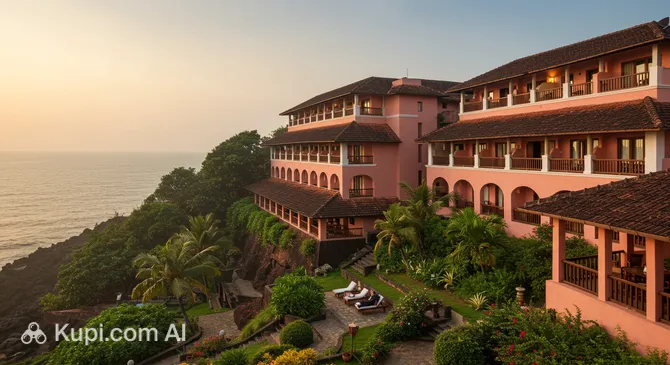
Fort Aguada Resort & Spa. Illustration.
Source: Kupi.com AI

Traveler photos:

Among the well-known hotels in and around Panaji, options like the Fort Aguada Resort & Spa and the Holiday Village Resort & Spa stand out, offering high levels of service and a wide range of amenities. However, besides the large resorts, the city has many small, cozy hotels and guesthouses with more affordable prices.

The price range for accommodation in Panaji varies from budget to luxury. You can book accommodation through popular online booking platforms, directly on hotel websites, or through local travel agencies. It is recommended to book in advance, especially if your trip coincides with the peak tourist season, to ensure the best choice and prices.

Nearby Cities

For those looking to explore the surroundings, Panaji serves as an excellent starting point for day trips to several interesting nearby locations:

Particularly notable among them are Calangute (just 9 km away), known as the "Queen of Beaches" in Goa, which attracts tourists with its long sandy shores and variety of water sports. Vasco da Gama (12 km), a major port city named after the famous navigator, offers a look at the industrial side of Goa and features several interesting churches and beaches. Equally attractive is Ponda (22 km), often called the cultural capital of Goa; it is famous for its numerous Hindu temples and spice plantations, offering an immersion into the region's traditions.

CityPopulationDistance
Candolim11 3577 km
Calangute20 8339 km
Aldona8 69611 km
Anjuna11 38312 km
Vasco da Gama100 00012 km

These nearby destinations allow for a more complete understanding of the diverse culture, history, and natural landscapes of the Goa region.

Shopping & Souvenirs

Shopping in Panaji offers tourists a variety of opportunities—from modern shopping malls to colorful local markets. The city is not so much famous for exclusive goods as it is for offering a good selection of local products, souvenirs, clothing, and spices characteristic of Goa and India as a whole. Here you can find both traditional Indian goods and items with Portuguese colonial influence.

The city's main shopping arteries are 18th June Road and Mahatma Gandhi Road (MG Road). These streets are home to numerous shops offering clothing, footwear, jewelry, books, and electronics. You can find both famous brand stores and small local shops here.

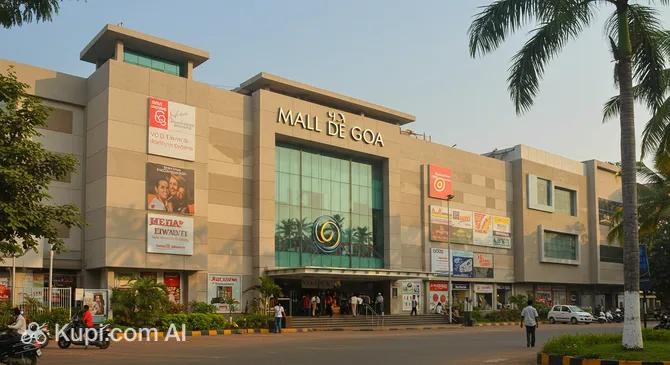
For those who prefer shopping in more modern settings, Panaji has several shopping centers. One of the most popular is Mall De Goa, where you can find various clothing and accessory stores, a food court, and entertainment zones. Another place to visit is Goa Bagayatdar Bazar - Porvorim, which offers local products and groceries.

Mall De Goa. Illustration.
Source: Kupi.com AI

Traveler photos:

Markets are an integral part of shopping in Panaji. The Panjim Municipal Market is a lively place where you can buy fresh fruits, vegetables, spices, and fish, as well as souvenirs, clothing, and local handicrafts. Here you can experience the true flavor of Goa and bargain with the vendors.

As souvenirs from Panaji, it is worth bringing back local spices (cardamom, cinnamon, pepper), cashew nuts (Goa is famous for their production), seashell products, colorful textiles (scarves, sarongs, ethnic-patterned clothing), as well as various wood and coconut crafts. Aromatic oils and incense are also popular.

Most shops in Panaji are open roughly from 10:00 AM to 7:00 PM–8:00 PM; some small shops may close for a lunch break. Large shopping centers usually operate without a break and stay open longer, sometimes until 9:00 PM–10:00 PM. Markets start their work early in the morning. Regarding payment, major shops and malls accept credit cards, but cash is preferred in markets and small shops. It is recommended to always have some rupees on hand.

The Tax Free refund system for tourists in India, similar to the European one, is not widely established. Therefore, you should not count on a VAT refund for purchases made in Panaji.

Reached the end of the page?

That means the route is fully explored