Support

Ponda

About

Ponda is a true emerald in the heart of Goa, located away from the bustling beaches but just 30 kilometers from the region's capital. This cozy town, the administrative center of the district of the same name with a population of about 23,000 people, is surrounded by picturesque hills, dense forests, and famous spice plantations. Thanks to this, the unique aroma of the tropics and spices always lingers in the air, creating a special, peaceful atmosphere.
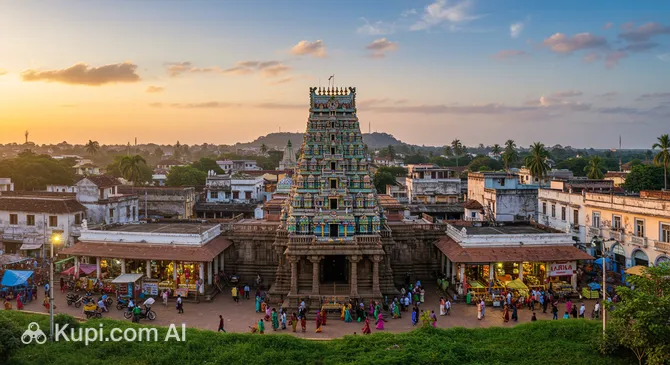
Ponda. Illustration.
Source: Kupi.com AI

The atmosphere of Ponda is unique: ancient traditions, colonial heritage, and natural wealth are combined here in a wonderful way. The city is often called the "heart of Hindu Goa," as it was here that Hindus moved in the 16th century to escape religious persecution, and many ancient Hindu temples have been preserved here, harmoniously neighboring mosques and Catholic churches. Ponda offers a glimpse into the cultural and religious diversity of India, revealing it from an unexpected side.

Ponda is worth visiting for everyone looking for an authentic experience and wishing to see Goa from a different, deeper perspective, away from the tourist hustle and bustle. The city is famous for its hospitality and rich cultural life with numerous holidays and festivals. Among the key features attracting travelers is the opportunity to touch nature at the famous spice plantations, where you can learn about growing cardamom, vanilla, and other spices, as well as visit charming butterfly gardens. A trip to Ponda promises unforgettable impressions and immersion into the true spirit of the region.

You can find more interesting facts on the history of Ponda page.

Weather Overview

The city of Ponda is dominated by a tropical monsoon climate, characterized by hot and humid weather throughout most of the year. The average annual temperature ranges from 19.3°C to 34.0°C. The hottest months are April and May, when the average maximum temperature reaches 34.0°C and 33.2°C respectively. Expect a hot summer with heavy monsoon rains and a warm, dry winter.

The rainy season usually lasts from June to September, bringing significant rainfall; July is the wettest month with 37 mm of rain and almost daily showers. In contrast, from December to March, there is almost no precipitation. To find out more about the weather conditions, you can explore the detailed climate of Ponda.

Average monthly temperature

Average monthly precipitation

Interesting Facts

Beyond its famous temples, Ponda, the cultural heart of Goa, holds many surprising details and little-known features that make this city truly unique. Are you ready to learn some interesting facts about Ponda?

  • Ponda holds the unofficial title of the "Hindu Heartland of Goa." During the Portuguese colonial period, it was here that Hindus fled, saving their shrines and cultural traditions. Thanks to this, many ancient temples have been preserved in the city and its surroundings, some of which were built in the Middle Ages.

  • In the vicinity of Ponda, you can find not only the famous Mahadev Temple in Tambdi Surla, carved from black basalt and being one of the oldest in Goa, but also such important shrines as the Shri Mangeshi and Shri Mahalasa temples. Each of them is shrouded in unique local legends and is a center for colorful religious festivals.

  • The city is famous for its extensive spice plantations. Here you can not only see how cardamom, vanilla, cinnamon, and black pepper grow but also take part in tastings, culinary workshops, and even ride elephants. For example, at the oldest Savoi Plantation by the pond, you can observe rare bird species nesting, while the Tropical Spice Plantation is home to more than 70 species of exotic birds.

  • Ponda is home to a unique orchid garden, where over 500 varieties of these exquisite flowers are presented. In addition, there is a butterfly conservatory—an amazing place where you can admire rare tropical butterflies and learn many interesting things about their life cycle.

How to Get There

When planning a trip to this picturesque corner of Goa, it is important to think through your route in advance. The city has developed transport accessibility, which allows you to get here in various ways. You can find out all the ways to get to the city to choose the most convenient option for yourself, whether it's a flight, train, or bus.

If you prefer air transport, you should pay attention to the nearest airports in neighboring regions. One convenient option is Belgaum Airport (IATA: IXG). It is not located in Ponda itself, but in the city of Belagavi, about 83 km from your destination. The journey by taxi or bus from there will take about 2 hours and 30 minutes, allowing you to enjoy the views along the way.

Another close alternative is Sindhudurg-Chipi Airport (IATA: SDW), located in the city of Malvan, Maharashtra. The distance to Ponda is also about 83 km. This is a small regional airport, and the journey from it to the center of Ponda will take approximately 2.5 hours by car.

You can also consider flying via Hubli Airport (IATA: HBX), located in the city of Hubballi-Dharwad. It is located slightly further away, at a distance of about 116 km from Ponda. Travel time by taxi will be approximately 3 hours and 15 minutes. This airport serves a sufficient number of regional flights and can be a good alternative when planning your route.

For clarity, here is summary information on the main airports:

AirportPassenger trafficDistance
Belgaum Airport360 00083 km
Sindhudurg-Chipi17 61883 km
Hubli Airport346 405116 km
Kolhapur158 966143 km
Shivamogga Airport161 000243 km

Regarding rail connections, there is no railway station in Ponda itself. However, it is convenient for tourists to travel through major transport hubs in the state of Goa. The nearest major station is Madgaon (Madgaon Junction), located just 15-20 kilometers from Ponda. This is one of the main stations in the region, receiving trains from all over India. From the station, you can quickly reach Ponda by taxi, rickshaw, or local bus in about 30-40 minutes. Another option is arriving via Karmali station, which is about 18 km from the city.

In addition, Ponda is well connected to other cities in Goa and neighboring states by a network of roads. A national highway passes through the city, so state and private buses from Panaji, Margao, and other settlements run here regularly. A bus trip is a budget-friendly and colorful way to reach the destination, allowing you to see the life of the region from the inside.

Main Attractions

Ponda, often called the "temple capital of Goa," offers travelers a unique immersion into the cultural and spiritual heritage of the region. This city and its surroundings are famous for ancient temples, fragrant spice plantations, and important historical monuments. A visit to Ponda is an opportunity to touch the rich history and traditions of Goa.

One of the most revered and famous places in Ponda is the Shantadurga Temple. Dedicated to the goddess Shantadurga, considered an incarnation of Parvati, this temple impresses with its unique architecture that harmoniously combines Indian and Portuguese stylistic elements. Visitors are attracted not only by its appearance with bright colors and intricate carvings but also by the peaceful atmosphere inside, conducive to reflection and spiritual calm.

No less famous is the Mangeshi Temple, dedicated to Lord Mangesh, a form of Shiva. This temple, majestically situated on a small hill, immediately attracts attention with its elegant seven-story lamp tower, known as a deepastambha, at the main entrance. It looks especially impressive in the evening when the lights are lit. Inside the temple, visitors can admire the skillful decoration and feel deep peace and reverence.

For an introduction to the natural wealth and agricultural traditions of Goa, an interesting experience would be a visit to one of the spice plantations in the vicinity of Ponda. Here you can take a fascinating walk among tropical plants, see how cardamom, vanilla, cinnamon, pepper, and many other spices that are an integral part of Goan cuisine are grown. Tours often include a tasting of fresh exotic fruits and the opportunity to try a traditional Goan lunch prepared using local spices.

Of historical value is the Safa Mosque, also known as Safa Shahouri Masjid. Built in 1560 by Ibrahim Adil Shah, it is one of the oldest mosques in Goa. Despite the fact that part of the original structures was lost over time, the mosque, with its characteristic large ablution tank and distinctive architecture, remains an important historical monument testifying to the region's multicultural past.

Local Cuisine

Ponda is a true gastronomic paradise for those who want to get acquainted with authentic Goan cuisine, full of bright spices and rich aromas. The city's gastronomy is a unique blend of Indian and Portuguese culinary traditions, which makes every dish truly special. The basis of local cuisine is the freshest seafood, rice, coconut, and, of course, an abundance of spices.

Be sure to try iconic dishes such as fish in coconut sauce, tender and fragrant, or a variety of seafood or chicken curries, where spice and sweetness are perfectly balanced. Many dishes are generously seasoned with cardamom, turmeric, cloves, pepper, and cinnamon. Fresh vegetables and fruits grown on local farms also play an important role in the diet.

Street food in Ponda is an adventure in itself. Don't pass by the appetizing samosas with vegetable filling, fried bananas, or sweet flatbreads. In local markets, you can always find the freshest mangoes, pineapples, and other exotic fruits. You should also try the famous Goan bread "pao"—fluffy buns that perfectly complement main dishes, and traditional sweet rice pudding.

Popular drinks include refreshing coconut water straight from the nut and fragrant tea with herbs and spices. Those who like something stronger can appreciate homemade liqueurs, often infused with local fruits and spices, which can be found, for example, at spice plantations.

The dining culture in Ponda is very hospitable. Locals and tourists enjoy food both in small family restaurants and by buying it from busy street stalls or markets. The city's gastronomic scene is vibrant and diverse, offering travelers an unforgettable experience of immersion into the world of Goan flavors. Sometimes gastronomic festivals and harvest holidays are held in the city, where you can get a deeper look at the culinary traditions of the region.

Travel Tips

Welcome to Ponda, the heart of Goa's temple culture! To make your journey to this amazing corner of India as comfortable and rewarding as possible, we have prepared some practical tips. They will help you better navigate and enjoy every moment of your stay.

  1. Clothing and Essentials:

    A tropical climate prevails in Ponda, so choose light, breathable clothing made of natural fabrics (cotton, linen). From October to May it is sunny—don't forget a hat, sunglasses, and sunscreen. The monsoon season lasts from June to September, so a raincoat and umbrella will come in handy. Since Ponda is known for its many temples, be sure to bring clothing that covers your shoulders and knees for visiting them; women may need a scarf. Comfortable shoes (sandals, light sneakers) are your best friend for walking. Also bring a plug adapter (type D/M) and insect repellent.

  2. Transportation in the City:

    The main and most accessible way to get around Ponda and its surroundings is by local buses. For short trips around the city, auto-rickshaws (tuk-tuks) are convenient—don't forget to agree on the price before the start of the trip. Taxis can be used for longer routes. Renting a scooter or motorcycle is popular in Goa but requires an international license and great caution on the roads. Car rental is less common for tourists in small towns like Ponda.

  3. Finances: Currency, Cards, Tipping:

    The local currency is the Indian Rupee (INR). It is better to exchange money at banks or authorized exchange offices; avoid street money changers. Large hotels and some shops may accept bank cards, but for small establishments, markets, and transport, always have enough cash with you. ATMs are available in Ponda, but it's better to check with your bank in advance about withdrawal conditions and possible commissions. Tipping is not mandatory but welcomed: 5-10% in restaurants for good service, small amounts for porters.

  4. Health and Safety:

    There are pharmacies in Ponda where you can purchase basic medications. For serious medical care, it is better to contact clinics or hospitals in larger cities in Goa, such as Panaji or Margao. Be sure to take out travel insurance before your trip. Ponda is generally considered a safe city, but follow standard precautions: drink only bottled water, wash your hands and fruit thoroughly, be cautious when choosing street food (choose places with many local visitors), don't leave valuables unattended, and avoid walking alone in dark and deserted areas at night.

  5. Communication and Connectivity:

    The main languages in Ponda are Konkani and Marathi, and many also understand Hindi. In tourist areas, hotels, and restaurants, staff often speak English. Learn a few simple phrases in Hindi or Konkani, such as "Namaste" (hello/goodbye), "Dhanyavad" (thank you), "Kitna?" (how much does it cost?)—this is always appreciated by locals. A SIM card with internet access can be purchased from local operators (e.g., Airtel, Jio) by presenting your passport and visa. Wi-Fi is available in most hotels and some cafes.

  6. Local Etiquette and Traditions:

    Indians are very hospitable. The traditional greeting is "Namaste" with palms folded at the chest and a slight bow. When visiting temples and entering a private house, always remove your shoes. Try to use your right hand for eating, passing money, or objects, as the left hand is traditionally considered "unclean." Avoid public displays of affection. Ask permission before photographing people, especially women and clergy.

  7. What to Avoid:

    To ensure your trip goes smoothly, try not to criticize local customs, religion, or traditions. Do not wear overly revealing clothing outside of beach areas, especially when visiting temples and rural areas. It is also not recommended to point your finger at people or sacred objects—it's better to use an open palm or a nod of the head.

  8. Special Tip for Ponda:

    Ponda is the "temple town" of Goa. Try to visit at least a few of its famous temples (e.g., Shantadurga, Mangeshi) early in the morning or closer to evening. At this time it's not so hot, there are fewer tourists, and you can catch colorful Hindu rituals (pujas). Check the rules for photo and video filming on the temple grounds in advance—they may vary. Showing respect for local shrines will make your experience deeper and more memorable.

We hope these tips help you plan an unforgettable trip to Ponda and fully enjoy its unique atmosphere and cultural heritage. We wish you bright impressions!

Entertainment & Nightlife

Ponda, known as the cultural heart of Goa due to its numerous temples and spice plantations, offers completely different evening entertainment compared to the noisy beach resorts of the state. The nightlife here does not flow with a stream of club lights, but rather disposes towards a quiet and authentic holiday in a local atmosphere.

Evening leisure in Ponda mainly centers around restaurants and small local bars. You won't find large nightclubs or specialized nightlife districts characteristic of Goa's coastal areas here. Instead, you can enjoy dinner at one of the many establishments offering traditional Goan or Indian cuisine. For example, you can stop by places like Kamaxi Restaurant & Bar, known for its local dishes, or visit Anantashram to taste authentic Goan delicacies in a traditional setting. These establishments allow you to feel the local flavor and chat with residents. The atmosphere in such places is usually very relaxed and informal. Most establishments are oriented towards both locals and tourists looking for peace. There is usually no special dress code—casual comfortable clothing will be quite appropriate. It is important to keep in mind that many establishments in Ponda close earlier than in large tourist centers, usually around 22:00-23:00. Prices for food and drinks here are generally more democratic compared to popular beach areas.

In terms of safety, Ponda is considered a relatively quiet city. Nevertheless, in the evening, as everywhere, it is recommended to stick to well-lit streets and avoid deserted areas. For moving around at night, you can use the services of auto-rickshaws or taxis. It is recommended to agree on the cost of the trip in advance or ask your hotel or restaurant staff to help call a reliable vehicle.

As for daytime entertainment, Ponda reveals itself in all its glory. The city is famous for its ancient and picturesque temples, and you can spend time exploring them, for example, by visiting the famous Shri Mangeshi Temple or Shantadurga Temple. Tours to spice plantations, such as the Sahakari Spice Farm, are also very popular, where you can not only learn a lot about growing various spices but also purchase fresh products. In addition, there are local markets in Ponda where you can plunge into the daily life of the Indian province and find interesting souvenirs.

Parks & Museums

Ponda, nestled in the heart of Goa, offers its guests a harmonious combination of serene natural spots and rich cultural heritage, most vividly represented by the region's famous temples.

For those seeking communion with nature, Ponda and its surroundings offer several interesting places. One of the unique attractions is the spice plantations, such as the well-known Sahakari Spice Farm. This is not just a farm, but a true aromatic garden where you can see how cardamom, vanilla, cloves, and many other spices grow. Visitors are told about their use in cooking and medicine, and are often offered a traditional Goan lunch. Another place that attracts nature lovers is the Bondla Wildlife Sanctuary. Although it is the smallest in Goa, its territory houses a small zoo, a deer safari park, a botanical garden, and a rose garden, offering pleasant opportunities for walking and getting acquainted with the local flora and fauna.

Ponda is often called the "temple capital of Goa," and it is the ancient temples that are the main centers of culture and history here. Instead of traditional museums, these shrines serve as living testimonies of the rich past. Among the most significant is the Shri Mangeshi Temple, dedicated to Lord Mangesh, an incarnation of Shiva. This majestic temple with its famous seven-story deepastambha (lamp tower) and exquisite architecture is one of the most visited in Goa. No less important is the Shri Shantadurga Temple, dedicated to the goddess of peace and harmony. Its beautiful complex with a large pond creates an atmosphere of serenity. Also worth noting is the Mahalsa Narayani Temple, known for its unique architecture and huge bronze oil lamp.

The architecture of Ponda's temples is an outstanding attraction in its own right. It represents a unique fusion of traditional Hindu canons with local Goan features formed over centuries. Bright facades, skillful wood carvings, and characteristic lamp towers create a unique look for these sacred places.

To deeper feel the atmosphere of Ponda, take a walk through the streets around the temple complexes. Here you will find many stalls selling flowers, incense, and religious items. A visit to the local market will also give authentic impressions and allow you to observe the daily life of the city.

Getting Around

Getting around Ponda and its surroundings is possible in several ways, although you won't find a developed metro or tram system here as in large metropolises. The basis of public transport is local buses. This is the most budget-friendly way to get to various parts of the city and neighboring settlements. Buses run on certain routes, but the schedule may not always be accurate, and information about routes is most often available at local bus stops or from drivers and conductors.

Bus fares are usually paid in cash directly to the conductor. The fare is low and depends on the distance. It is recommended to have small bills with you for ease of payment. Specialized tourist passes or transport cards for buses in Ponda generally do not exist.

A popular alternative to buses is auto-rickshaws (tuk-tuks). These are three-wheeled motorized carts that can be found almost everywhere. Always agree on the cost of the auto-rickshaw ride with the driver in advance, before starting the journey, as meters are not always used or may be faulty. Taxis are also available, but they will cost more than auto-rickshaws.

For more freedom of movement, especially if you plan to explore the surroundings of Ponda and other areas of Goa, many tourists prefer to rent a scooter or motorcycle. Rental points are easy to find, and this gives flexibility in planning routes. Make sure you have the necessary driver's license and always use a helmet. In Goa, motorcycle taxis, known as "pilots," are also common—this is a fast way to get to a place, especially if you are traveling alone.

When planning your trips, keep in mind that public transport may run less frequently in the evening hours. For short distances within the central part of Ponda, it is quite possible to get around on foot, seeing local sights and immersing yourself in the atmosphere of the city.

Accommodation

In Ponda, travelers will find a variety of accommodation options to suit different preferences and budgets. The city offers a choice ranging from budget guesthouses and cozy family homestays, where you can immerse yourself deeper into the local culture, to comfortable mid-range hotels with a wider range of services. Although Ponda is not a center for luxury tourism like some coastal areas of Goa, you can find quality and convenient housing here for a pleasant stay.

When choosing a place to stay in Ponda, you should pay attention to areas located near the main temple complexes and picturesque spice plantations. This will allow you to easily reach the main attractions and enjoy the atmosphere of the city. The central part of Ponda is also convenient due to its proximity to shops, local markets, and dining establishments.

A number of hotels of various categories are represented in the city. Since specific data on popular hotels was not provided for this overview, it is recommended to independently research available options through search engines and booking platforms. Tourists can easily find suitable options based on reviews, photos, and location relative to the attractions of interest to them.

When planning a trip to Ponda, especially during the tourist season (usually from October to March) or during major local festivals, it is highly recommended to book accommodation in advance. This not only guarantees availability in preferred hotels or guesthouses but also often allows you to get better rates and accommodation conditions.

The price range for accommodation in Ponda mainly covers the budget and mid-range segments. You can book housing in several ways: through popular international and Indian online booking platforms, as well as by contacting the selected hotel or guesthouse directly by phone or email. Some small family establishments may offer bookings only upon arrival, but for guaranteed placement and peace of mind, it is better to take care of this in advance.

Nearby Cities

For those who want to explore the surroundings, Ponda serves as an excellent starting point for day trips to several interesting nearby places:

CityPopulationDistance
Curti17 3962 km
Bandora16 1923 km
Borim10 1244 km
Priol10 0004 km
Usgao16 3548 km

These nearby destinations offer insight into the diverse culture and landscapes of the region. A trip to any of these cities can be an exciting addition to your stay in Ponda, offering new experiences and discoveries.

Shopping & Souvenirs

Shopping in Ponda offers tourists an authentic local experience rather than a chase for global brands. The city is not a major shopping center like Panaji or Margao, but here you can find interesting local goods and souvenirs reflecting the culture of Goa. Ponda is known for its spice plantations, so fresh spices are one of the main "magnets" for buyers.

The main commercial activity in Ponda is concentrated around the main market square and its adjacent streets. Here you will find many small shops and stalls selling everything from food and clothing to household goods and souvenirs. It's a great place to observe the daily life of the townspeople and find something unique.

There are no large modern shopping malls, familiar to residents of megacities, in Ponda itself. For that kind of shopping, it's better to head to the larger cities of Goa. However, you can find small local department stores in Ponda offering a variety of goods.

The heart of trade in Ponda is undoubtedly the local market. This is a lively place where farmers sell fresh fruits, vegetables, and, of course, the famous Goan spices. You can also find fish, flowers, and small household items here. Visiting the market is not only an opportunity to shop but also to immerse yourself in the local atmosphere.

As souvenirs from Ponda, it is worth bringing back:

  • Spices: cardamom, cinnamon, cloves, pepper, turmeric—fresh and fragrant, often straight from the plantations.
  • Cashews: Goa is famous for its cashews, which are sold in various forms—salted, roasted, or spiced.
  • Local sweets: for example, bebinca or dodol.
  • Handmade items: sometimes you can find coconut or bamboo products or clay pottery in the market or small shops.
  • Traditional alcohol: feni (made from cashew or coconut), but be careful with the rules for exporting alcohol.

Shops in Ponda are usually open from morning (around 9:00-10:00) until evening (19:00-20:00), and many may close for a lunch break (roughly from 13:00 to 15:00 or 16:00). Trading starts earlier at the markets. The main method of payment in small shops and the market is cash (Indian Rupees). Some larger shops may accept bank cards, but it is better to always have enough cash with you. Payment via UPI (local payment system) is becoming increasingly common.

The Tax Free system for tourists in small towns like Ponda and for everyday purchases is generally not as widespread as in large international airports or specialized stores in major tourist centers of India. If you make a large purchase in a reputable store, you can check with the seller about the possibility of a tax refund, but you should not count on it much when buying souvenirs or spices at the market.

Reached the end of the page?

That means the route is fully explored