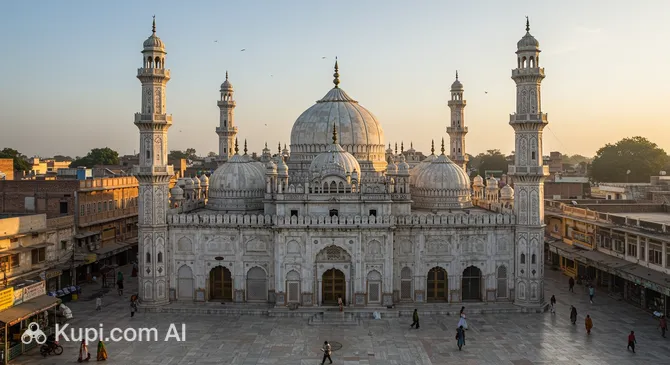
Bihar Sharif is a vibrant city in the heart of India, serving as a major administrative and commercial hub for the region. Located on the picturesque plains of the eastern part of the country, the city is steeped in the atmosphere of authentic provincial life, where age-old traditions interweave with modern trade. While it may not be a conventional tourist resort, it is precisely here that you can feel the true rhythm of life in the state of Bihar, far from the usual sightseeing routes.
The city's geographical location makes it a strategic crossroads: major national highways pass through Bihar Sharif, connecting it with the country's largest centers. With a population of about 297,000 people, the city is a densely built urban landscape where life bustles around central squares and noisy bazaars. The climate is typical for the region—hot summers followed by a monsoon season that brings life-giving moisture to the fertile surrounding lands.
Bihar Sharif. Illustration.
Source: Kupi.com AI
The city is famous for its rich historical heritage; in ancient times, this region was a cradle of Buddhist and Islamic culture. Despite the somewhat chaotic appearance of modern buildings, an attentive traveler will find interesting echoes of the past and unique architecture of Sufi shrines. Bihar Sharif invites those who want to see India as it is—dynamic, noisy, and incredibly colorful in its daily routine.
Weather Overview
The climate in Bihar Sharif is distinctly continental with three clear seasons. Winter, lasting from December to February, is considered the most comfortable time to visit: the average temperature in January is about 16.2°C, with daytime temperatures warming up to a pleasant 21-25°C. This is an ideal period for outdoor sightseeing, as there is almost no rain and the sky remains clear.
With the arrival of spring in March, temperatures begin to rise rapidly, peaking in May and June, when the thermometer often exceeds 36-39°C. During this time, the city becomes very hot and dusty, so travelers are advised to plan activities for the early morning. The period from July to September is the monsoon season. Expect heavy rains and high humidity; July is traditionally the wettest month, bringing over 300 mm of precipitation.
Before your trip, be sure to check the current weather forecast for Bihar Sharif to choose the right wardrobe. During the rainy season, watch out for local flooding in low-lying areas, and in the dry, hot months, it is important to remember sun protection and hydration. The best time to visit the city remains the months from October to March, when the weather is most stable and favorable for walking.
Average monthly temperature
Average monthly precipitation
Interesting Facts
Bihar Sharif is a key transport hub for the state: two major national highways—No. 28 and No. 31—pass through it, making the city an important junction for all of eastern India.
The state of Bihar, where the city is located, is India's third most populous state, which accounts for the incredible building density and high-speed pace of life within the city itself.
The city is the administrative center of the Nalanda district—a region that in ancient times was a world center for Buddhist education and pilgrimage.
The population density in the region is one of the highest in the country, exceeding 1,100 people per square kilometer, which is evident in the busy streets and the vast number of market stalls.
Despite modern challenges, Bihar Sharif remains an important center of Islamic culture and pilgrimage due to the presence of revered dargahs (tombs) of Sufi saints.
How to Get There
The transport accessibility of Bihar Sharif is due to its favorable position on the state map. The city is a major hub for road transport, providing connections between the eastern and central regions of the country. The main flow of passengers and cargo arrives here via National Highways No. 28 and No. 31. For those planning a visit, detailed information on how to get to the city will help in planning a route while taking local traffic patterns into account.
The city does not have its own airport. The nearest major air gateway is in the state capital, Patna. From there, Bihar Sharif can be reached by taxi or intercity bus, with travel time usually ranging from 3 to 5 hours depending on road congestion. Travelers should keep in mind that during peak hours, traffic on main highways can be significantly delayed due to the heavy volume of freight transport.
Railway service to the city is limited, so most tourists prefer to take trains to Patna or other large junctions and then transfer to road transport. State-run buses also operate within the city and its surroundings; however, their schedules are not always reliable. For better comfort, it is recommended to use the services of private carriers or book a taxi through official mobile apps.
Main Attractions
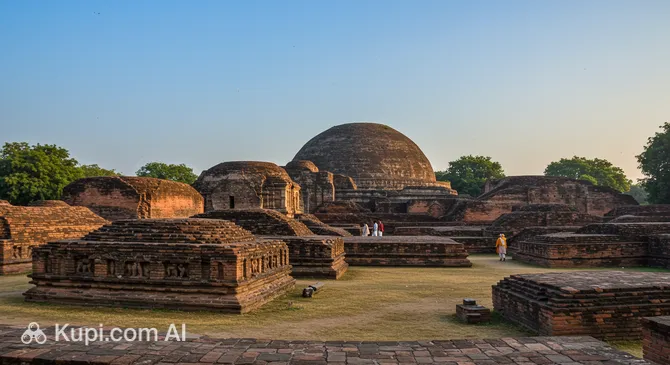
Although Bihar Sharif itself is primarily a commercial center, its surroundings hide treasures of global significance. The main magnet for travelers from all over the world is the Ruins of Nalanda Mahavihara. These are the remains of one of the world's oldest universities, where thousands of students once studied and the greatest minds of antiquity taught. Walking among the brick walls of monasteries and temples, you can imagine the scale of this educational center that existed over fifteen hundred years ago.
Nalanda Mahavihara Ruins. Illustration.
Source: Kupi.com AI
Traveler photos:
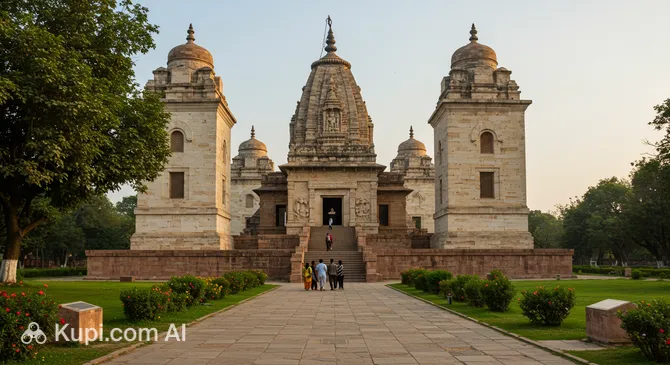
Equally significant is the Xuanzang Memorial Hall, dedicated to the great Chinese monk and traveler who described Nalanda in detail in his chronicles. The memorial building is designed in a traditional Chinese style and surrounded by a well-kept garden, creating an atmosphere of tranquility and contemplation so rare on busy Indian streets.
Xuanzang Memorial. Illustration.
Source: Kupi.com AI
Traveler photos:
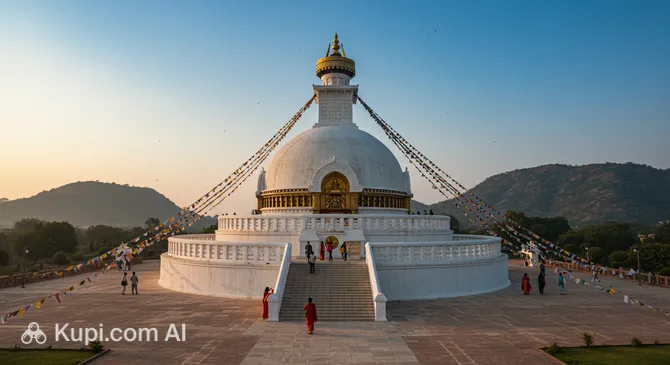
For those seeking spiritual peace, the Vishwa Shanti Stupa (Rajgir) is a must-visit. This dazzlingly white "Peace Stupa" is located on a hilltop and is visible from afar. You can reach it via a cable car, which offers breathtaking views of the surrounding forests and cliffs. This site is considered sacred and serves as a reminder of the importance of non-violence and global harmony.
Vishwa Shanti Stupa (Rajgir). Illustration.
Source: Kupi.com AI
Traveler photos:
Local Cuisine
The gastronomic profile of Bihar Sharif is a vibrant kaleidoscope of flavors from Eastern India. Local cuisine is based on simple yet incredibly hearty ingredients: rice, lentils, and wheat. The main culinary symbol that every guest must try is litti chokha. These are delicious wheat flour balls stuffed with roasted gram flour (sattu), traditionally baked over coals and served with a spicy vegetable mash of eggplant or potatoes.
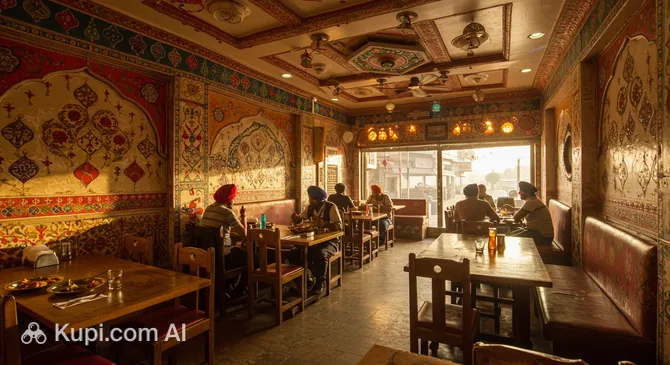
To experience traditional dishes in a comfortable setting, you can visit New Punjab Rasoi. This popular establishment offers a wide selection of North Indian and local cuisine, including aromatic curries and freshly baked flatbreads. Street food culture also thrives: city markets everywhere sell hot samosas, crispy pakoras, and sweet jalebi, which are best enjoyed fresh from the fryer.
New Punjab Rasoi. Illustration.
Source: Kupi.com AI
Traveler photos:
Among drinks, the undisputed favorite is masala chai—strong tea with spices and milk, served in small clay or glass cups on every corner. It is also worth trying sattu-based drinks, which are excellent for quenching thirst and hunger on a hot day. For a more substantial dinner, tourists often choose hotel restaurants, such as the Gridhakuta International Restaurant, where a higher level of hygiene is guaranteed and a diverse range of dishes familiar to the European palate is presented.
Travel Tips
A trip to Bihar Sharif is an opportunity to see the real India, and to ensure your trip goes smoothly and leaves only pleasant impressions, we have prepared a few practical recommendations.
Clothing and Essentials: Choose light clothing made from natural fabrics, as the region can be very hot. If you plan to visit religious sites, clothing should cover your shoulders and knees. Be sure to bring comfortable closed-toe shoes and a universal power adapter for Type D/M sockets.
Transport: For getting around the city, it is best to use the Uber or Ola apps. This is safer and eliminates the need for long price negotiations. Be prepared for traffic jams during peak hours.
Finances: The official currency is the Indian Rupee (INR). There are many ATMs in the city, but international cards do not always work. Always carry cash for payments in small shops and rickshaws. Tipping in restaurants is appreciated (about 5-10%).
Health and Safety: Drink only bottled water and avoid ice in drinks. Carry a basic first aid kit and hand sanitizer. In the evening, it is best to avoid walking alone along busy highways.
Communication: The main language is Hindi, but English is understood in hotels and large shopping centers. Buying a local SIM card (e.g., Airtel or Jio) at an official store will save you money on internet.
Local Etiquette: Be sure to remove your shoes when entering a home or temple. Greetings are traditionally made with the "Namaste" gesture (palms together at the chest) or a slight nod of the head.
What to Avoid: Do not take photos of people without their consent, especially women or during prayers. Also, refrain from public displays of affection—in conservative provincial India, this is considered inappropriate.
Additional Tip: Try to plan important travel for the first half of the day, as traffic congestion becomes unpredictable in the afternoon.
Bihar Sharif will reward the patient traveler with its sincerity and vibrant color if you approach the trip with an open heart and proper preparation.
Entertainment & Nightlife
The entertainment scene in Bihar Sharif is generally low-key and oriented toward traditional family leisure. Most evening activity is concentrated around major shopping areas and modern leisure centers. One such place is the Nageshwar Mall and Multiplex, where locals gather to watch the latest Indian cinema releases. Visiting a multiplex is a great way to immerse yourself in Bollywood culture alongside an enthusiastic local audience.
Nightlife in the classical sense—with clubs and bars open until dawn—is virtually non-existent here. Evenings in the city are typically spent having leisurely conversations in tea stalls or hotel restaurants, such as the Gridhakuta International Restaurant. Here, you can enjoy dinner in a calm environment while sampling local dishes. For those looking for brighter night lights and a variety of bars, the best option is a trip to Patna, the state capital, located about a two-hour drive away.
Daytime entertainment often involves outdoor activities. For instance, the Pandu Pokhar Eco-Resort offers guests boat rides, ziplining, and other open-air attractions. It is an excellent spot for those who want to swap urban bustle for relaxation by the water. During holidays, the city streets are transformed: during the Holi or Diwali festivals, Bihar Sharif is filled with music, dancing, and the vibrant colors of street processions.
Parks & Museums
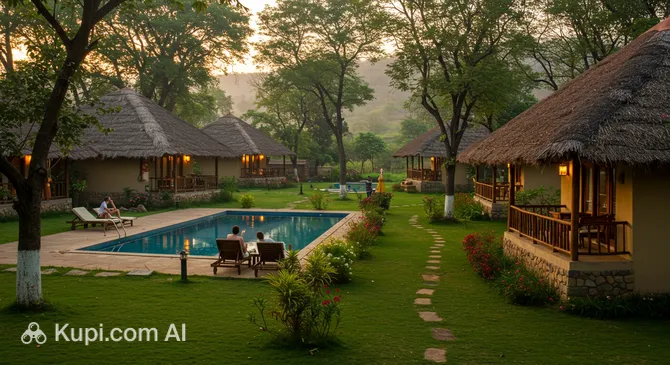
Given the dense urban fabric of Bihar Sharif, green zones and parks serve as true oases of tranquility. Although the city does not abound with large-scale gardens, locals and tourists find relaxation in places like the Pandu Pokhar Eco-Resort. This is a modern recreational area where you can stroll along well-kept paths, take a boat out on the lake, or simply enjoy the silence away from noisy shopping streets. The park is perfect for family vacations and a short midday break.
Pandu Pokhar Eco Adventure Resort. Illustration.
Source: Kupi.com AI
Traveler photos:
The cultural and historical side of the city is represented by places that breathe the past. Interesting sites include 17 No More and the historical settlement of Devi Sarai. These locations offer a touch of authentic architecture and the region's old way of life. For those seeking classic museum exhibitions rich in archaeological finds from the peak of Buddhism, the best solution is a trip to the nearby Nalanda Archaeological Museum or the major museums in Patna.
While Bihar Sharif is primarily a functional city, its uniqueness lies in its living history, which is evident in the architecture of the old quarters and Sufi shrines. A walk through these areas can substitute for a visit to a traditional museum, offering a dynamic picture of life where the traditions of the past still define the daily lives of local residents instead of static exhibits.
Getting Around
The public transport system in Bihar Sharif reflects the energetic and somewhat chaotic character of the city itself. The primary mode of transport for most residents and visitors is the bus. The route network covers all key areas; however, keep in mind that state and private buses are often overcrowded, and their schedules are more like suggestions. A bus trip is the most budget-friendly, but also the most intense way to get around.
For more comfortable trips, tourists usually choose taxis or motor rickshaws. Popular mobile apps such as Uber and Ola operate actively in the city, allowing you to call a car at a fixed price. This eliminates the need to haggle with the driver and ensures a higher level of safety. Motor rickshaws are ideal for short trips through the narrow streets of the center, where regular cars can get stuck in heavy traffic.
Pedestrians in Bihar Sharif should be extremely careful: sidewalks are often occupied by market stalls or parked vehicles, forcing people to walk along the edge of the roadway. Particular caution should be exercised near national highways, where truck traffic does not stop for a minute. Payment in municipal transport is made in cash to the conductor, while in a taxi via an app, you can link a card or pay with bills at the end of the trip.
Accommodation
Accommodation in Bihar Sharif is primarily geared toward business travelers and those transiting through the region. The bulk of the lodging options consists of small hotels and guest houses offering basic amenities at very affordable prices. Luxury five-star hotels are hard to find here, but there are enough clean and safe mid-range options in the city center and along the main highways.
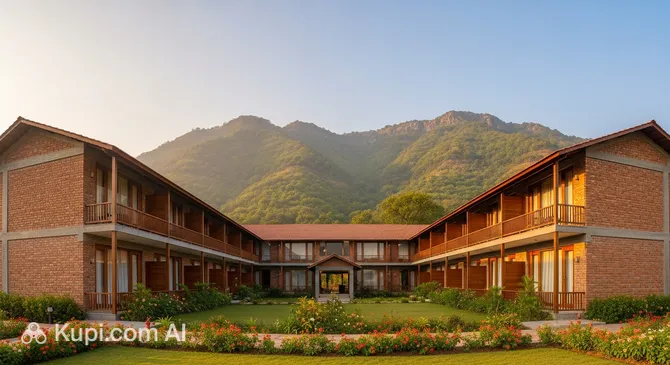
If you are looking for a more comfortable stay and modern infrastructure, it is worth looking at suburban complexes. For example, the Kripanidhi Retreat offers guests cozy rooms and a peaceful atmosphere away from the noisy city streets. The Pandu Pokhar Eco-Resort is also popular, combining relaxation with outdoor activities, making it an excellent choice for weekend trips.
Kripanidhi Retreat. Illustration.
Source: Kupi.com AI
Traveler photos:
When planning your trip, it is recommended to book accommodation in advance through verified online platforms to avoid any check-in issues. The cost of living in Bihar Sharif remains low even by Indian standards, allowing for significant budget savings. It is best to choose hotels with good reviews regarding air conditioning and the availability of backup generators, as power outages are not uncommon in the region.
Nearby Cities
Bihar Sharif is a convenient base for day trips to the state's most significant sites, allowing you to see world-class monuments in a single day. Close to the city are quiet settlements like Belsar and Kurhani, where you can observe the traditional way of life in the Indian hinterland and enjoy views of endless agricultural lands.
The main destination for travelers is undoubtedly Patna—the state capital, located about 100 km away. It is a massive metropolis with a rich history, where it is worth visiting the Patna Museum, ancient temples, and the banks of the Ganges. Also within reach is Gaya, one of the world's most important pilgrimage centers. It houses shrines of immense significance to both Buddhists and Hindus, creating a unique atmosphere of spirituality.
City
Population
Distance
Belsar
9 703
5 km
Kurhani
10 589
7 km
Partap Tanr
10 615
8 km
Sondho Dullah
11 951
10 km
Kiratpur Rajaram
11 074
12 km
Exploring the surroundings of Bihar Sharif will reveal India from different perspectives: from the majestic ruins of ancient universities to bustling modern metropolises. We recommend using a taxi for such trips to have the flexibility to plan your time and visit several interesting locations within one daylight period.
Shopping & Souvenirs
Shopping in Bihar Sharif is primarily about immersing yourself in the atmosphere of colorful oriental bazaars. The city is a major trade center where goods from all over the state converge. The main shopping streets are located right in the center, featuring an endless row of stalls with textiles, clothing, and household items. Special attention should be paid to local fabrics and ready-made cotton products, which are famous for their quality and affordable prices.
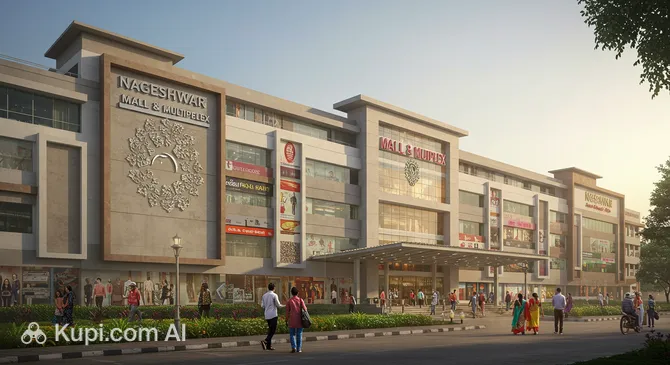
For those who prefer a more modern shopping format, establishments like the Nageshwar Mall and Multiplex are open. Here, under one roof, you will find shops of famous brands, food court areas, and a cinema, making the mall a popular place for leisure and shopping in comfortable, air-conditioned conditions. It is a great alternative to the noisy street markets, especially during the hot season.
Nageshwar Mall & Multiplex. Illustration.
Source: Kupi.com AI
Traveler photos:
From the local markets, it is worth bringing back spices, traditional Indian sweets, and folk crafts. Although there are not many classic tourist souvenirs here, you can always find unique handmade items such as embroidery or copperware. Shops usually open from 10 AM until late evening, and moderate bargaining is welcome in small bazaar stalls. Remember that cards are not accepted in many places, so it is always useful to have a sufficient supply of cash in rupees.