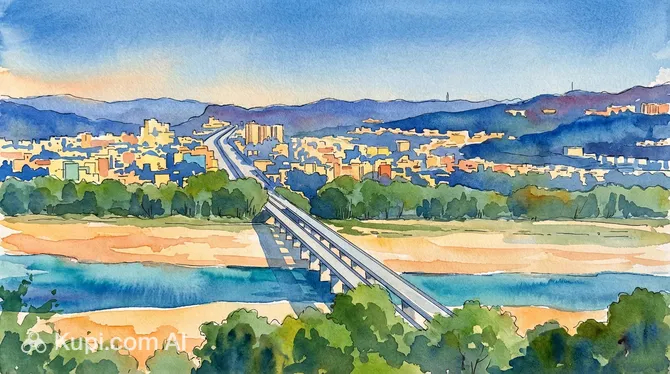
Drabbar is a charming town located in northern India, nestled in the picturesque foothills of the Himalayas. With a population of approximately 199,429 people, it offers a unique blend of a tranquil mountain village and an important cultural hub. Here, traditional Indian culture meets the grandeur of snow-capped peaks, creating a distinctive atmosphere for those seeking solitude and inspiration amidst nature.
The town is spread across a significant altitude, which defines its refreshing climate and stunning valley views. Drabbar serves as a strategic waypoint for travelers heading to the remote and mysterious regions of Ladakh and Kashmir. It is a place where one can feel the authentic rhythm of Himalayan life, far removed from the hustle and bustle of major metropolises.
Jammu. Illustration.
Source: Kupi.com AI
The atmosphere of the town is infused with the aroma of spices and the freshness of mountain air. Strolling through the narrow streets lined with traditional wooden houses, you will encounter hospitable locals engaged in ancient crafts and agriculture. Drabbar is the perfect gateway for adventure, whether it be professional trekking or peaceful walks through alpine meadows.
We invite you to discover this wonderful corner of the world, where every sunset over the mountains becomes an unforgettable event. Drabbar awaits those ready to appreciate the untouched beauty and sincere hospitality of the country's northern regions.
Weather Overview
The climate in Drabbar is distinctly mountainous, making the weather here refreshing and variable. Expect pleasant, cool summers (May to August), when daytime temperatures typically range from +20...+21°C, and nights bring a pleasant chill of around +10...+15°C. This time is ideal for trekking and active exploration of the surroundings.
Winters in the region are harsh and snowy, which attracts winter sports enthusiasts. From December to February, the thermometer often drops to -8...-9°C during the night, while average daytime values barely exceed +3...+5°C. Precipitation during this time of year falls mainly as snow, creating fairytale-like scenery on the mountain slopes.
Special attention should be paid to the monsoon period in July and August, when rainfall reaches its peak (up to 335 mm per month). At this time, the valleys become as green as possible, but one should be prepared for frequent rain and possible fog. The most comfortable seasons for a visit are considered to be spring and autumn, when the weather is mild and stable.
Average monthly temperature
Average monthly precipitation
Interesting Facts
High-altitude location. Drabbar is situated at an impressive altitude of about 3,000 meters above sea level, making it one of the "highest" towns in its part of the region.
Important transit hub. Due to its geographical position, the town is a key point on the way to the famous Zoji La Pass, which connects the Kashmir valleys with high-altitude Ladakh.
Mastery of weavers. Local artisans are famous throughout India for producing exceptional wool products: pashmina shawls and handmade carpets from Drabbar are considered valuable souvenirs.
Ancient heritage. In the vicinity of the town, one can find rare Buddhist stupas and rock carvings (petroglyphs) dating back to the pre-Islamic period of the region's history.
Dynamic growth. Despite the harsh mountain conditions, the town's population is growing actively due to the development of eco-tourism and is currently approaching the 200,000 mark.
How to Get There
Transport accessibility to Drabbar largely depends on the season, as the town is located in the heart of the high mountains. The journey here is an adventure in itself, offering some of the most beautiful road views in the world. Despite its distance from major metropolises, there are several proven ways to reach this mountain retreat.
For those who prefer air travel, the nearest option is Shri Amara Narayana Devi Airport in Kullu, located about 200 km away. From there, Drabbar can be reached by taxi or regular bus, a journey of about 5–7 hours along mountain serpentines. Another alternative is Srinagar Airport (about 150 km to the northeast), the road from which will provide unforgettable panoramas of the Himalayan valleys.
There is no direct rail connection to the town. The nearest major railway station is in Jammu, approximately 300 km away. The journey from the station to Drabbar usually continues by bus or jeep along the NH44 national highway and takes 8 to 10 hours. It is worth noting that in winter, roads may be temporarily closed due to heavy snowfall.
For budget travelers and backpackers, bus services from Manali or Leh, which run regularly during the summer months, are a popular option. It is best to purchase tickets for these routes in advance at local bus stations, as the direction is in high demand among mountain lovers.
Main Attractions
The main attractions of Drabbar are centered around its rich spiritual heritage and incredible nature. One of the most significant sites is the ancient Buddhist monasteries in the surrounding area, such as Ki-Klopangang. A visit to this sanctuary allows tourists to connect with centuries-old traditions, witness unique rituals, and admire detailed frescoes depicting the lives of saints.
For those who want to feel the pulse of the town, the City Market is a must-visit. It is not just a marketplace but a location offering breathtaking panoramic views of the Himalayas. Here, you can not only purchase products from local artisans but also observe the daily life of the mountain people while sampling traditional treats at local stalls.
For outdoor enthusiasts, Drabbar offers a trail to Darbar Peak. At its summit, there is a panoramic viewpoint offering a majestic vista of the Chenab River valley. This is an ideal spot for photographers and seekers of awe-inspiring landscapes, especially during the sunrise hours.
Equally attractive is the sacred Lake Surjan, located nearby. Surrounded by many local legends, it draws travelers with its mirror-like surface and tranquility. A walk along the lakeshore is an excellent way to rejuvenate and enjoy harmony with nature before making new discoveries.
Local Cuisine
The culinary traditions of Drabbar have been shaped by the harsh mountain climate, so the local cuisine is famous for its heartiness and warming properties. The diet is based on dishes made from legumes, rice, and barley, generously seasoned with aromatic spices and mountain herbs. The town's gastronomic scene features both cozy restaurants and vibrant street food.
Among the must-try dishes are the famous momos (steamed dumplings with vegetable or meat fillings) and thukpa—a thick and hearty noodle soup that is perfect for restoring energy after a long trek. You should also try chana—stewed lentils served with hot flatbreads straight from the oven. Establishments like Himalayan Kitchen offer authentic versions of these classic recipes.
The drink culture in Drabbar deserves special attention. Sweet masala tea with milk and spices is consumed everywhere, as is the local traditional barley drink—chang, which has a mild intoxicating effect. For vegetarians, the town is a true paradise, as most local specialties are prepared without meat yet remain incredibly delicious and nutritious.
Travel Tips
Preparing for a trip to Drabbar requires attention to detail, as high-altitude conditions dictate their own rules. These practical tips will help make your journey as comfortable and safe as possible.
Clothing and Essentials: Even if you plan to visit in the summer, be sure to bring warm clothing—evenings in the mountains are always cool. Don't forget comfortable trekking shoes with good grip and sunscreen, as the sun is very active at an altitude of 3,000 meters.
Transport: The best way to travel between towns is by state-run buses or by renting a jeep with a driver. Within the town, it is most convenient to walk or use cycle rickshaws.
Finances: It is essential to have a supply of cash in rupees in Drabbar. International cards are only accepted in major hotels, and ATMs may be unreliable or far apart.
Health: The main feature of the region is the risk of altitude sickness. Give yourself 1–2 days for acclimatization, drink plenty of water, and avoid physical exertion on the first day. Drink only bottled water.
Communication: The primary language is Hindi, but many people in tourist areas understand basic English. Learn a few phrases in Hindi for greetings—it greatly appeals to the locals.
Local Etiquette: Show respect for religious traditions. Always remove your shoes before entering temples or private homes. Clothing should cover shoulders and knees.
What to Avoid: You should not photograph people or religious ceremonies without prior permission. Also, avoid traveling on mountain roads after dark due to the difficulty of the routes.
Seasonality: Plan your visit for the period from May to October. In the winter months, many roads may be blocked by snow, and most tourist sites are closed.
Following these simple rules will allow you to fully immerse yourself in the magic of the Himalayas and bring home only positive impressions from visiting this amazing region!
Entertainment & Nightlife
Entertainment in Drabbar is predominantly contemplative and active, focusing on the region's natural riches. During the day, tourists can embark on exciting treks through the foothills, enjoy fishing in pristine mountain rivers, or go horseback riding. For those seeking spiritual renewal, the town offers various yoga retreats where classes are held against a backdrop of majestic panoramas.
Nightlife in the town is quiet and cozy, devoid of the noise of city discos. Most activity after sunset is concentrated in small cafes, where live ethnic music is often played. A special charm is added to the evenings by bonfires, around which travelers and locals gather to exchange stories under an incredibly bright starry sky.
If your trip coincides with local festivals, such as the Buddhist New Year, Losar, you will witness colorful masked dances and traditional musical performances. This is the best way to get acquainted with the region's culture. Otherwise, evening leisure in Drabbar is a time for relaxation, tasting herbal tea, and enjoying the silence of the mountains.
Parks & Museums
The parks and natural areas of Drabbar are, first and foremost, the majestic national reserves surrounding the town. Here, you can encounter rare representatives of high-altitude fauna, such as graceful mountain goats and unique bird species. For a more relaxed experience, Central Park by the river is a favorite spot for locals for family picnics and leisurely walks accompanied by the sound of flowing water.
The town's cultural component is represented by small but very atmospheric museums. The Ethnographic Museum deserves special attention, as its exhibits introduce visitors to the rich heritage of Himalayan culture. It houses unique artifacts, everyday items of indigenous peoples, and ancient tools of artisans, allowing one to trace the region's history through the centuries.
Surrounding tea plantations and botanical gardens serve as a kind of "open-air museum." Walking through them allows you not only to get acquainted with alpine flora but also to learn the secrets of growing famous Himalayan herbs. These green oases provide a sense of peace and offer a clear view of how humans harmoniously coexist with the harsh but beautiful nature of the mountains.
Getting Around
The public transport system in Drabbar is adapted to the specifics of the mountain terrain. The main means of communication between towns in the region are buses from the state carrier HRTC. They regularly connect Drabbar with important hubs such as Kullu, Manali, and Srinagar. Trips are performed mainly during daylight hours, as night travel along serpentines can be unsafe.
For getting around within the town itself and for trips to nearby villages, locals and tourists most often use shared jeeps and taxis. This is the most reliable and fastest way to navigate steep climbs. Auto-rickshaws are also available in the central part of Drabbar and are great for short trips on flatter sections, though their cost should be discussed with the driver in advance.
An alternative to public transport is scooter rental, which is very popular among independent travelers. This provides freedom of movement and the opportunity to stop at the most scenic spots for photos. Nevertheless, the compact size of Drabbar's central area makes walking the most pleasant way to get to know its attractions and cozy atmosphere.
Accommodation
A wide range of accommodation options is available for guests of Drabbar, from simple guesthouses to comfortable boutique hotels. Most of the lodging is concentrated in the central part of the town, providing convenient access to markets and transport hubs. Hotels like Drabbar Heights, which offer modern amenities and quality service in the mid-price segment, are quite popular.
For budget travelers, the numerous hostels and guesthouses located near the city market are an excellent option. Staying here not only saves money but also allows for a deeper immersion into the local way of life. Prices for these options start at very affordable rates, making Drabbar accessible for long-term stays.
Those seeking privacy and maximum connection with nature should look into eco-resorts located on the outskirts and in the foothills. These complexes often offer panoramic mountain views directly from the room windows. It is recommended to book accommodation in advance, especially during the peak tourist season from May to October, to guarantee the best views and comfortable conditions.
Nearby Cities
Drabbar serves as an excellent starting point for exploring the northern regions, offering travelers access to many colorful settlements. Very close by are small towns such as Saho and Karian, which can be reached in just half an hour. These places are ideal for seeing untouched rural life and ancient temple architecture of the foothills.
A bit further away is the town of Lilh, which is about 27 kilometers away. Another interesting destination for a day trip is Bhadarwa, known for its picturesque forests and alpine landscapes. Each of these directions reveals its own facet of Himalayan hospitality and adds variety to your travel's cultural program.
City
Population
Distance
Saho
28 306
15 km
Karian
23 873
22 km
Lilh
47 973
27 km
Bhadarwah
13 881
52 km
Kotla
11 909
55 km
Exploring the surrounding towns and villages allows for a deeper understanding of the region's history and traditions. Whether it is a short trip to Kotla or a longer excursion toward Kullu and Manali, every journey beyond Drabbar will provide you with new impressions and unforgettable views of the eternal mountains.
Shopping & Souvenirs
Shopping in Drabbar is primarily an acquaintance with the unique crafts of the Himalayas. You won't find huge shopping malls here, but instead, you will encounter plenty of colorful shops and markets where every item has its own story. The town is famous for products made from high-quality wool, especially the softest pashmina shawls, which make a beautiful and practical gift.
Main shopping activities are concentrated on the central streets and the market square. In addition to textiles, it is worth paying attention to the skillful wood carving and traditional Indian jewelry. Local artisans create amazing pieces from silver and semi-precious stones, reflecting the spiritual symbols of the region.
As souvenirs, travelers often choose aromatic herbal teas collected on mountain slopes and unique Buddhist scrolls—thangkas. Shops usually operate from morning until late evening, and it is customary to politely bargain in smaller stalls. When making purchases, it is better to have cash rupees on hand, as credit cards are not accepted everywhere.