Support

Jhansi

About

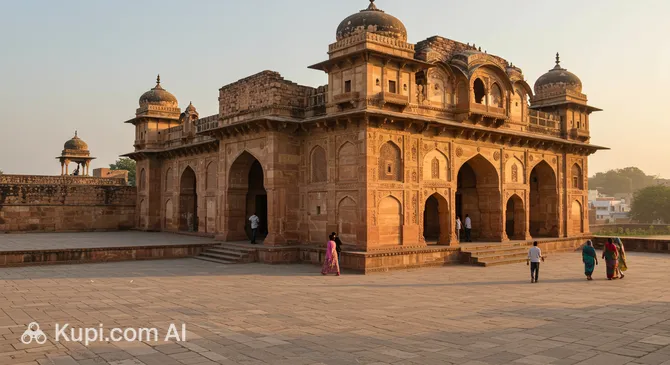
Jhansi is a city steeped in the spirit of heroism and legends, located in the northern part of India, in the state of Uttar Pradesh. For many travelers, this city serves as the gateway to the picturesque Bundelkhand region, where the city history comes alive, closely tied to the name of the legendary Rani Lakshmi Bai—a national heroine who became a symbol of resistance during the colonial era.

Geographically, Jhansi sits at the intersection of major routes, making it a significant administrative and transport hub with a population of about 507,000. The landscape here is characterized by rocky hills and its proximity to the Betwa River, while the city's architecture offers a colorful contrast between bustling traditional markets and the majestic forts of the past.
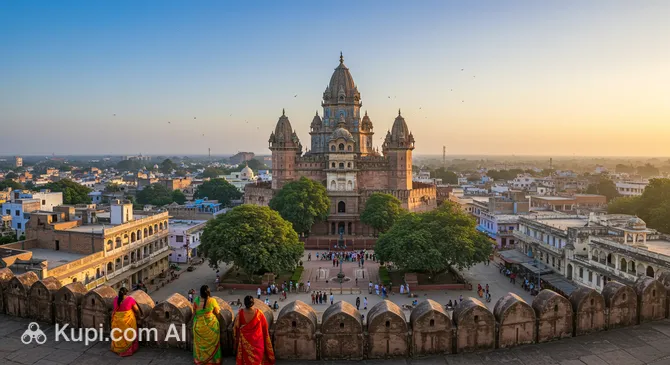
Jhansi. Illustration.
Source: Kupi.com AI

The main point of attraction for tourists remains the monumental Jhansi Fort, towering over the city, and the elegant Rani Mahal palace. Although the city is actively developing as a modern industrial and educational center, it retains the atmosphere of authentic India, unburdened by mass tourism, making a stroll through its streets a truly genuine experience.

A visit to Jhansi is an invitation to a journey through time. Here, you can touch the great heritage of the Marathas and the British era, enjoy the serenity of ancient temples, and feel the rhythm of life in a real Indian city. This place is perfect for those seeking depth of meaning and sincerity of impressions.
Weather Overview

Jhansi is characterized by a subtropical climate typical of central India, with distinct seasons. Summer arrives in April and lasts until June—during this time, the air can heat up to extreme +40...+45°C. This is a period of exhausting heat and high dust levels, so it's better to plan walks for early morning or evening.

From July to September, the city is under the rule of the monsoons. Expect heavy rains and high humidity: the average monthly rainfall in July and August exceeds 260 mm. During this period, nature comes alive, the surroundings turn bright green, but moving around the city can be complicated due to downpours.

The most favorable time to visit Jhansi is the winter season from November to February. These months offer comfortable weather with daytime temperatures of +20...+28°C and cool nights (around +10°C). If you are interested in the exact weather in Jhansi before your trip, keep in mind that fog is possible in December and January, which can affect train schedules.

Average monthly temperature

Average monthly precipitation

Interesting Facts

  • Jhansi Fort, built on the granite Bangira Hill, boasts massive walls up to 6 meters thick that have withstood numerous sieges throughout history.

  • The Chhatri of Maharaja Gangadhar Rao was built by Rani Lakshmi Bai in memory of her husband and is considered one of the most elegant architectural sites in the city.

  • Rani Mahal, which served as the queen's residence, today houses a rare collection of sculptures discovered during excavations in the surrounding Bundelkhand region.

  • In the Jhansi Government Museum, an entire floor is dedicated to the biography of the "Rani of Jhansi," where her personal belongings and weapons from that era are kept.

  • Located near the city, the Parichha Dam on the Betwa River is a favorite leisure spot for locals for picnics and boat trips.

How to Get There

Jhansi is one of the key transport hubs in Northern India, making it extremely accessible for travelers. The city is conveniently located at the intersection of railway lines connecting the country's major metropolises, so getting here is quite easy. Detailed information on routes and travel options can be found in the how to get to Jhansi section.

Air travel to the city is provided through a small domestic airport that accepts a limited number of flights, mostly from Delhi. For international travelers, it is most convenient to use the airports in the capital or neighboring Khajuraho, then transfer to a train or bus.

AirportPassenger trafficDistance
Hamirpura (Datia)23 km
Gwalior Airport334 729100 km
Khajuraho Airport25 973153 km
Kheria168 362199 km
Kanpur Airport322 252213 km

The railway is the most popular way to reach the city. Jhansi Junction station is an important hub on the Delhi-Mumbai line. High-speed trains from Delhi get passengers to Jhansi in about 5-7 hours, while the journey from Agra takes only 3-4 hours. This makes the city an ideal stop to include in an itinerary of India's "Golden Triangle."

Bus services are also well-developed: state and private carriers link Jhansi with cities such as Gwalior, Orchha, and Kanpur. A trip by private car from Delhi takes about 8-9 hours, though traffic density on the NH44 and NH46 highways should be taken into account, especially when passing through populated areas.

Main Attractions

A trip to Jhansi is unimaginable without visiting its majestic fort, which for centuries served as a stronghold for the rulers of Bundelkhand. From the fortress walls, which reach up to six meters in thickness, a breathtaking panorama of the city opens up. Inside, you can see ancient cannons and memorial sites dedicated to the feats of Rani Lakshmi Bai.

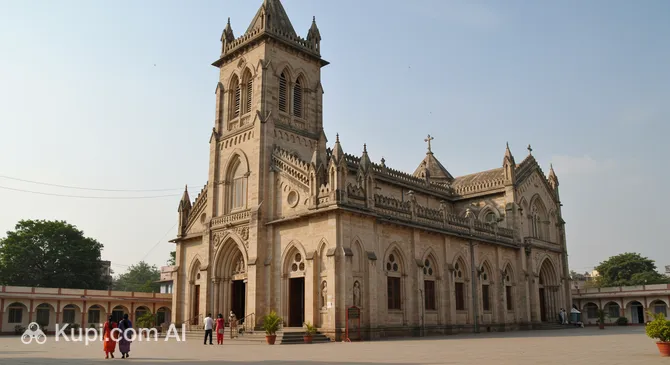
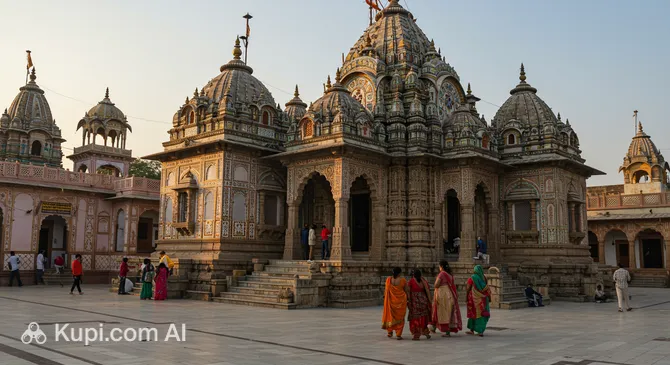
For those who appreciate spiritual architecture and an atmosphere of peace, St. Jude's Shrine is a must-visit. This place is famous for its hospitality and beautiful design, attracting pilgrims and tourists from all over the region with its majestic appearance and calm energy.

St. Jude's Shrine. Illustration.
Source: Kupi.com AI

Traveler photos:

Another gem is the Shri Panchkuian Temple, deeply revered by locals for its ancient history and cultural significance. The temple is a fine example of traditional architecture and serves as a center for many city celebrations.

Shri Panchkuian Temple. Illustration.
Source: Kupi.com AI

Traveler photos:

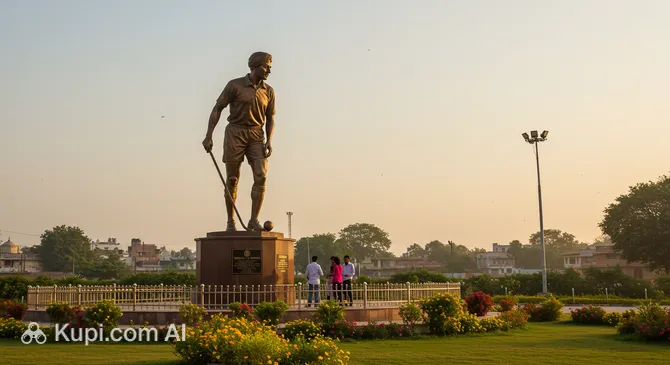
The city's sporting heritage is immortalized at the Major Dhyan Chand Statue. Erected in honor of the legendary field hockey player born in these parts, the monument serves as a reminder of the glorious pages of Indian sports history and is a popular spot for photographs.

Major Dhyan Chand Statue. Illustration.
Source: Kupi.com AI

Traveler photos:

Don't forget to stop by Rani Mahal—the former queen's residence, now converted into an archaeological museum. It houses unique sculptures and artifacts dating back to the 9th–12th centuries, providing a deeper understanding of the rich cultural heritage of this part of Uttar Pradesh.

Local Cuisine

The culinary landscape of Jhansi was shaped by the traditions of the Bundelkhand region and Maratha cuisine. Hearty North Indian dishes with an emphasis on vegetarianism prevail here. Be sure to try the local dal (spiced lentil soup), served with fragrant chapati or naan flatbreads. Sweets hold a special place, such as hot jalebis, which are often eaten for breakfast.

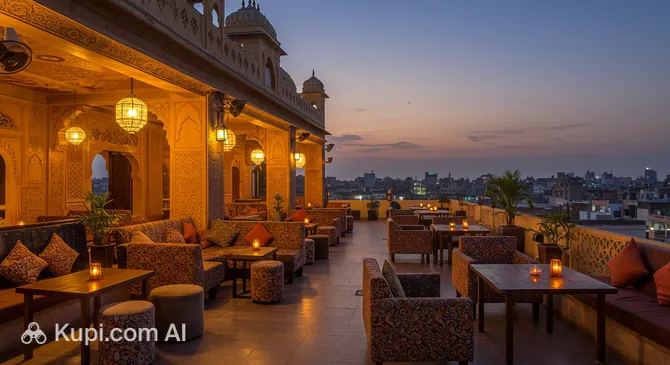
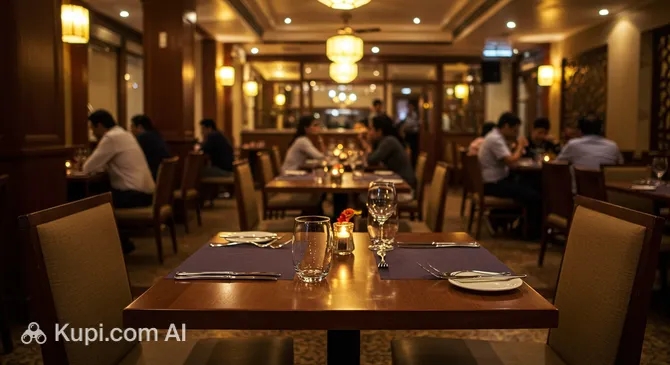
Modern gastronomy is also actively developing in the city. For example, at Molecule Air Bar Kitchen, you can enjoy gourmet dishes accompanied by panoramic views and signature cocktails. For those who love a cozy atmosphere and an international menu, Havana Restro is a great fit, where service and food quality meet high standards.

Molecule Air Bar Kitchen. Illustration.
Source: Kupi.com AI

Traveler photos:

The true soul of Jhansi can be felt in its markets and street stalls. Street food here is an adventure in itself: from spicy pani puri snacks to samosas with various fillings. However, tourists are advised to choose places with a high flow of locals and to keep an eye on cooking hygiene. Favorite drinks remain masala chai with spices and refreshing lassi—a yogurt-based drink that is a perfect savior in the heat.

Havana Restro. Illustration.
Source: Kupi.com AI

Traveler photos:

Evening dinner in Jhansi is a time when families and friends gather in restaurants near the fort or in the central districts. The city's gastro scene offers both traditional vegetarian "thalis" (a set of several dishes) and spicy mutton or chicken curries in specialized restaurants, satisfying any traveler's taste preferences.

Travel Tips

Jhansi is a welcoming city with a rich past, and to ensure your journey goes as smoothly as possible, we have prepared a few practical tips.

  1. Clothing and Dress Code: Bring light clothing made of natural fabrics if you are traveling in spring or summer. In the winter months (December-January), evenings can be cool, so a sweater will be useful. When visiting temples, such as Shri Panchkuian Mandir, choose modest clothing that covers shoulders and knees.
  2. Getting Around the City: The fastest way to move around is by auto-rickshaws. For price certainty, use the Ola or Uber apps. Be prepared for traffic jams in the city center during morning and evening hours.
  3. Finances: The official currency is the Indian Rupee (INR). ATMs are available in central areas and near the station, but cards are only accepted in large hotels and shopping malls. Always carry cash for markets and rickshaws. Tipping in restaurants is welcomed at around 5-10%.
  4. Health: Drink only bottled water and avoid ice in street drinks. During the dry season, the city can be dusty, so allergy sufferers should carry necessary medications. In case of illness, contact large private clinics.
  5. Connectivity: Buy a local SIM card (Airtel or Jio) at the airport or near the station for stable internet. Wi-Fi in budget hotels can be slow.
  6. Local Etiquette: The traditional greeting "Namaste" with a slight bow always earns goodwill. Remove your shoes before entering temples and private homes.
  7. What to Avoid: Do not plan long walks in the middle of the day under the scorching sun. It is also worth avoiding solo walks in sparsely populated outskirts of the city after dark.
  8. Photography Features: Always ask for permission before photographing local residents. In some areas of the fort and museums, a small additional fee may be charged for photography.

May your introduction to the city of the great Rani Lakshmi Bai be a bright and inspiring event!

Entertainment & Nightlife

Entertainment in Jhansi is mostly quiet and family-oriented, as the city focuses on preserving traditions and daytime activities. Most nightlife after sunset is centered in restaurants within large hotels and modern cafes, where you can enjoy live music and various world cuisines in a cozy setting.

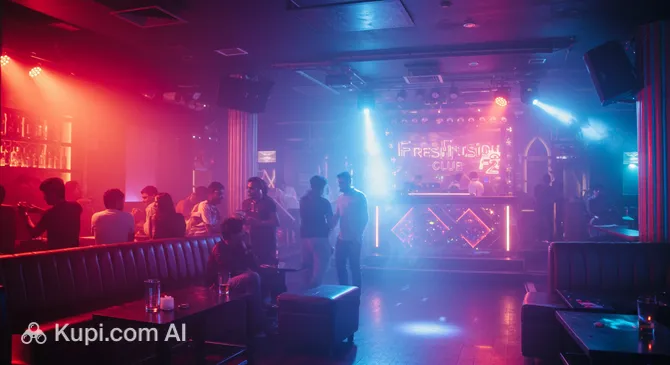
For those looking for a more energetic evening, the doors of establishments like Dion Lounge & Cafe Bar and the stylish Fresh Fusion Club F2 are open. These places are popular among young people and visitors for their quality cocktails, modern design, and dance music. It's a great opportunity to switch from historical context to the atmosphere of a modern metropolis.

Fresh Fusion Club F2. Illustration.
Source: Kupi.com AI

Traveler photos:

A more casual and authentic option for evening gatherings is Bar Tana Tan, where you can experience the local flavor and chat with city residents. Most entertainment venues are concentrated in central areas and near major transport hubs, making them easily accessible by taxi or rickshaw.

During the day, leisure time can be spent at cinemas, bowling alleys in shopping malls, or wandering through colorful markets. During holidays, the city is transformed: festivals with traditional dances and street performances are held near temples and in central squares, which are the best way to immerse yourself in the region's culture.

Parks & Museums

Jhansi is a city where history literally lives within the walls of its cultural institutions. The most significant site is the Government Museum, founded in the late 19th century. Its exhibits are dedicated not only to the legendary Rani Lakshmi Bai, whose life and struggle are detailed through artifacts, but also to the ancient history of the region with rare collections of sculptures, paintings, and weapons.

The modern side of learning is represented by the Jhansi Space Museum. This unusual establishment for a historical city attracts curious tourists and families with children, offering a look beyond the Earth's atmosphere through its interactive exhibits and educational programs.

Green spaces in the city are concentrated around historical sites. An important landmark is the Elite Circle—an iconic spot that serves as a reference point and a popular space for walks. Although there are few large-scale parks in Jhansi, the gardens near the fort and the well-maintained grounds around St. Jude's Shrine provide an opportunity to escape the city's hustle and dust in the shade of trees.

Elite Circle. Illustration.
Source: Kupi.com AI

Traveler photos:

For those seeking solitude in nature, a trip to the banks of the Betwa River or to the gardens surrounding Jhansi Fort is an excellent option. These places are especially picturesque at sunset, when the ancient stones of the fortress are painted in golden tones, creating a perfect backdrop for reflecting on the history of this courageous city.

Getting Around

Public transport in Jhansi is a classic Indian mix where modern technology exists alongside traditional ways of getting around. The backbone of the city's fleet consists of auto-rickshaws and cycle-rickshaws. They are the most convenient and fastest way to move through the narrow streets of the center and between attractions. The price for a rickshaw ride should be negotiated in advance, as meters are rarely used.

For those who value predictability and comfort, mobile apps Ola and Uber operate in Jhansi. Ordering a taxi through the app eliminates the need to haggle and allows you to travel in an air-conditioned car, which is vital during the hot season. This is especially convenient for trips from the railway station to the hotel or to remote sites like the Parichha Dam.

City buses run along major thoroughfares, but they are often overcrowded and can be difficult for tourists to navigate without knowledge of local routes. There is no metro in Jhansi, so the main burden falls on ground transport. During rush hours (morning and evening), traffic in the city center can be heavily congested, so plan your movements with extra time.

Walking is only pleasant in the historical center zone or within the fort territory. In the rest of the city, sidewalks can be fragmentary and traffic rather chaotic. For trips to neighboring towns like Orchha, it is best to hire a taxi for the whole day or use suburban trains that depart regularly from Jhansi Junction station.

Accommodation

Accommodation in Jhansi is primarily focused on practicality and convenience. Most hotels are concentrated in two key areas: in the immediate vicinity of Jhansi Junction railway station, which is convenient for transit passengers, and near the historic fort, where tourists prefer to stay.

The range of housing varies from modest budget guesthouses offering basic comfort to modern mid-range hotels with air conditioning and Wi-Fi. Travelers looking for a more secluded and nature-oriented stay should consider options like JP Farm, which offers a country resort atmosphere.

During peak tourist seasons (from October to March), when the weather is most favorable for sightseeing, it is recommended to book rooms in advance. It is worth noting that Jhansi has virtually no luxury five-star hotels from international chains, so the focus is on the hospitality of quality local 3- and 4-star hotels.

When choosing accommodation, be sure to check for the availability of air conditioning in the summer months and hot water in winter. Most properties can be easily booked through popular international and Indian online services. If you are planning a long-term stay, apartment rentals can be found in the city's newer residential areas.

Nearby Cities

Jhansi serves as a magnificent starting point for exploring the cultural treasures of central India. Just a few dozen kilometers from the city are unique places that broaden your understanding of the legacy of ancient dynasties and the natural beauty of the state.

The most popular destination is Orchha, located just 13-18 kilometers away. This town-reserve on the banks of the Betwa River amazes with its majestic 16th-century palaces and temples that seem frozen in time. It is also worth visiting the city of Datia, known for its unique seven-story Bir Singh Deo Palace and sacred Hindu temples. For a deeper immersion into the local flavor, you can stop by the small town of Unao.

CityPopulationDistance
Orchha11 51113 km
Unao9 32016 km
Datia109 23626 km
Jaitwar11 75827 km
Tarichar Kalan8 50234 km

Trips to these cities are easily done in a single day by taxi or local bus. Exploring the surroundings of Jhansi is a wonderful opportunity to see India from a different side—calmer, more mystical, and incredibly photogenic.

Shopping & Souvenirs

Shopping in Jhansi is primarily an introduction to the vibrant traditions of the Bundelkhand region. The city is famous for its handicrafts, fabrics, and spices. The main shopping spots are traditionally the markets in the old city district and the bazaars sprawling at the foot of the fort. Here you can buy unique souvenirs: miniature brass or stone figurines of Rani Lakshmi Bai, which make an excellent memento of your trip.

The central shopping hub is the Elite Crossing area, where many clothing stores, jewelry shops, and souvenir kiosks are concentrated. Here you can find both traditional Indian sarees with hand embroidery and modern goods. Prices in the markets are often affordable, and the ability to bargain is welcomed and helps significantly reduce the cost of a purchase.

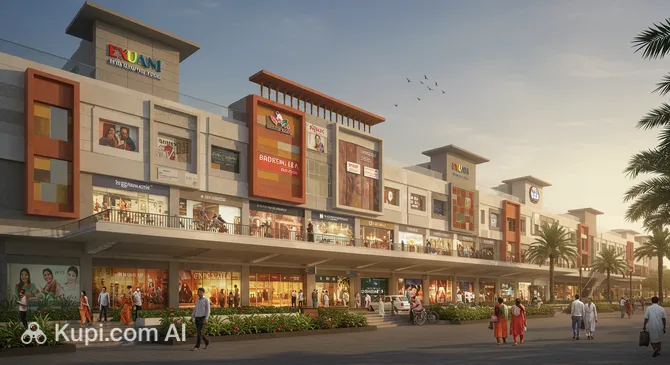
Fans of modern shopping formats should visit Trends Mall. This is one of the popular spots in the city, featuring well-known brands of clothing, footwear, and cosmetics. Here you can spend time in a comfortable air-conditioned environment, which is especially relevant during hot afternoon hours.

Trends Mall. Illustration.
Source: Kupi.com AI

Traveler photos:

Most shops and markets in Jhansi are open from 10:00 AM to 8:00 PM or 9:00 PM. Large shopping centers accept bank cards, but it is better to have cash rupees on hand for traditional bazaars. Don't forget to look into local shops for natural oils and authentic Indian spices, which are known here for their special aroma and freshness.

Nearby cities

Reached the end of the page?

That means the route is fully explored