Support

Kumbakonam

About

Kumbakonam is a true jewel of South India, nestled comfortably between two sacred rivers—the Kaveri and the Arasalar. Located in the heart of Tamil Nadu, this city has been an important commercial and religious center of the region since ancient times. To this day, it retains a unique atmosphere where time seems to slow down.

Geographically, Kumbakonam is situated approximately 38 kilometers from Thanjavur and 74 kilometers from Chidambaram. With a population of about 140,000 people, it is one of the main cultural and spiritual hubs of Tamil Nadu. It offers a fascinating blend of ancient traditions and modern life: motorcycles zip through narrow streets, while majestic temples, stunning in their splendor and centuries-old history, tower above bustling markets.
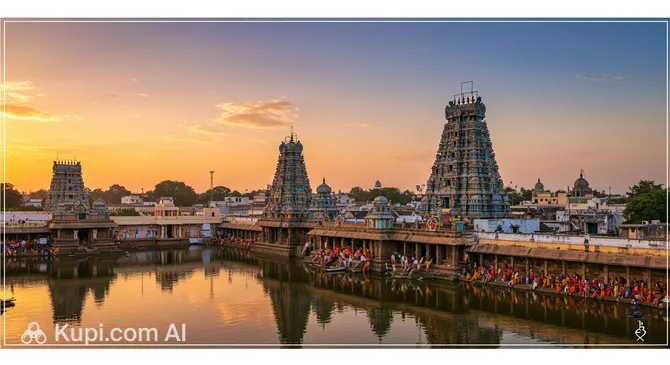
Kumbakonam. Illustration.
Source: Kupi.com AI

Kumbakonam is primarily famous for its incredible number of temples—there are over a hundred here, many of which are masterpieces of Dravidian architecture. The city is also known for its colorful festivals, especially Mahamaham, which is held once every 12 years and attracts millions of pilgrims. Additionally, Kumbakonam is a place where you can experience authentic Tamil cuisine and purchase traditional handicrafts, including famous bronze figurines and silk sarees.

If you want to do more than just see the sights—if you want to truly immerse yourself in the atmosphere of South India and feel its rhythm, taste, and aroma—then Kumbakonam is the perfect destination for you. The city seems designed for leisurely strolls, photography, and spiritual discovery, offering something special to every traveler.

You can find more interesting facts on the history of Kumbakonam page.
Weather Overview

Kumbakonam greets travelers with a hot climate all year round. The hottest months are from April to June, when average air temperatures exceed 31°C, and daytime highs can reach 36-37°C. Even during the "coolest" periods, such as January and December, the average temperature stays at a comfortable level of around 25°C.

In general, expect a hot summer with little rainfall and a warm, more humid autumn; the peak of the rains occurs in October and November, which also see the highest number of rainy days. March is the driest month. For more detailed information on weather conditions in Kumbakonam, you can visit the Kumbakonam Climate page.

Average monthly temperature

Average monthly precipitation

Interesting Facts

Kumbakonam, famous for its ancient shrines, holds much more than meets the eye. This city in the state of Tamil Nadu is full of amazing stories and unique traditions that attract travelers and pilgrims alike.

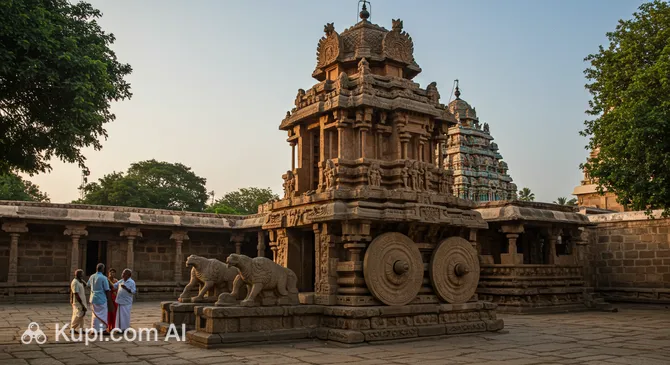
Navagraha Temple Tour. Illustration.
Source: Kupi.com AI

Traveler photos:

  • Kumbakonam is often called the "City of Temples," and this is no exaggeration. There are dozens of them here, each with its own unique atmosphere and legends. Among them, significant sites like the Chakrapani Temple and Kasi Viswanathar Temple stand out, though many others, such as the Ucchi Pillayar Temple, are also worth visiting.

  • The origin of the city's name is steeped in ancient legend. It is believed that "Kumbakonam" is related to the "Kumbha"—a sacred pot containing the nectar of immortality (Amrita). According to tradition, this pot was broken by an arrow from Lord Shiva at this very spot, and its fragments fell to the earth, sanctifying the ground and leading to the creation of many temples.

  • The city is a vital center for pilgrimage to the Navagraha temples, dedicated to the nine celestial bodies of Indian astrology. It is one of the few places in India where you can take a special Navagraha Temple Tour to honor the Sun, Moon, Mars, and other planets.

  • Once every 12 years, Kumbakonam becomes the center of the grand Mahamaham festival. Thousands of pilgrims flock here for a ritual bath in the sacred Mahamaham tank, believing it brings purification from sins and divine blessings.

How to Get There

When planning a trip to this ancient temple city, it is important to think about your route in advance. You can find more details on how to get to Kumbakonam by exploring all available options, but most tourists choose a combination of air travel and a car or train ride.

Kumbakonam itself does not have its own airport, so travelers must fly into nearby cities. The closest and most convenient option is Tiruchirappalli International Airport (IATA: TRZ), located in the city of Tiruchirappalli. It is approximately 77 km from Kumbakonam. This is a modern but not overly crowded transport hub that receives flights from several international destinations and major Indian cities. A taxi ride from here takes about 2 hours.

For those arriving from further away, a great alternative is Chennai International Airport (IATA: MAA). This is one of the country's largest aviation hubs, located in the city of Chennai, about 240 km from Kumbakonam. Many international flights land here. The journey from Chennai to Kumbakonam by taxi or bus takes about 5–6 hours; however, many tourists prefer to switch to a train here for a more comfortable trip.

You can also consider flying through Madurai Airport (IATA: IXM), located in the city of Madurai, about 188 km away. This is a good option if you are planning to travel through the southern part of Tamil Nadu. The travel time by car is approximately 3.5–4 hours.

For convenience, here is a summary of the main airports:

AirportPassenger trafficDistance
Tiruchirapalli International Airport1.8 mln77 km
Pondicherry Airport85 000121 km
Kankesanturai40 000149 km
Salem130 132170 km
Madurai Airport1.4 mln188 km

Rail travel is another popular and budget-friendly way to reach the city. Kumbakonam has its own railway station, which is well-connected to major cities in Tamil Nadu and other regions of India. Regular trains, such as the "Cholan Express" or "Rockfort Express," run from Chennai, providing a comfortable and scenic journey. The station is located within the city limits, making it easy to reach your hotel by auto-rickshaw.

Main Attractions

Kumbakonam, located in the state of Tamil Nadu, is often called the "City of Temples" due to its incredible number of ancient and sacred structures. This city is a major pilgrimage center, attracting tourists with its rich history, unique architecture, and spiritual atmosphere. Immerse yourself in a world of ancient legends as you explore its many shrines.

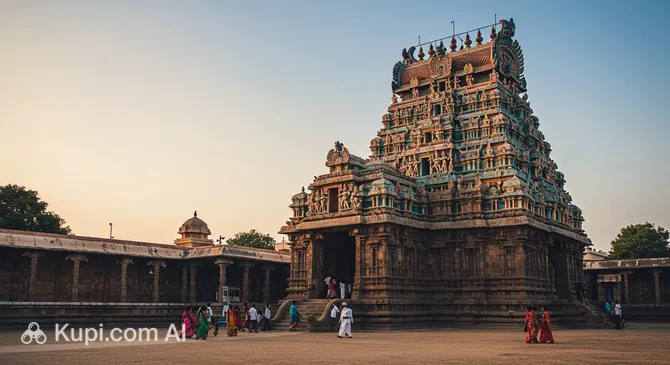
One of the key attractions is the Chakrapani Temple. This temple is dedicated to Vishnu in the form of Chakrapani, holding the Sudarshana Chakra (discus). It is considered one of the most important Vishnu temples in the region. Its unique architecture and the legends associated with the divine discus make it particularly interesting for pilgrims and fans of Hindu mythology.

Chakrapani Temple. Illustration.
Source: Kupi.com AI

Traveler photos:

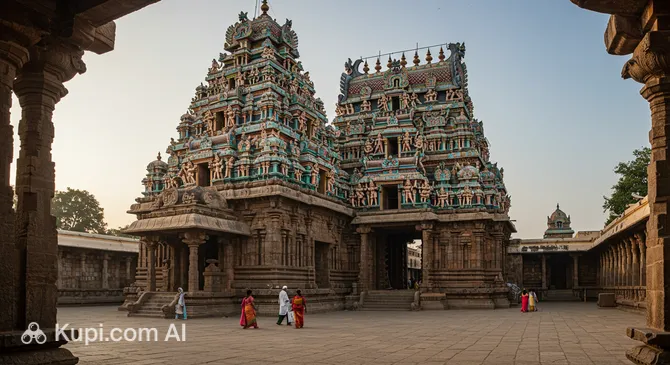
Another significant shrine is the Kasi Viswanathar Temple. It is dedicated to Shiva and, according to legend, is one of the temples connected to the Mahamaham festival, which is held once every 12 years and attracts millions of believers. A visit to this temple offers an opportunity to witness ancient rituals and feel the special energy of the place.

Kasi Viswanathar Temple. Illustration.
Source: Kupi.com AI

Traveler photos:

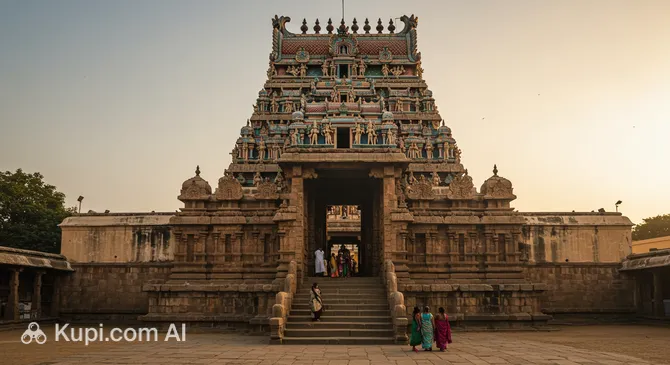
For those who want to dive deeper into the astrological and spiritual traditions of the region, the Navagraha Temple Tour is highly recommended. These nine temples are dedicated to the nine celestial bodies (Navagrahas) of Hindu astrology and are located around Kumbakonam. It is believed that visiting these temples can bring good luck and ward off negative planetary influences.

Navagraha Temple Tour. Illustration.
Source: Kupi.com AI

Traveler photos:

The Ucchi Pillayar Temple is also not to be missed. Dedicated to Ganesha, this temple is situated atop a rock and offers not only spiritual peace but also breathtaking views of the surrounding area. Legend has it that Ganesha tricked a demon here to return the sacred Kaveri River. The climb to the temple is an adventure in itself.

Uchi Pillaiyar Temple. Illustration.
Source: Kupi.com AI

Traveler photos:

Local Cuisine

The gastronomic scene in Kumbakonam is a true immersion into the rich and fragrant Tamil cuisine. Local dishes are famous for their skillful use of spices, which create unique flavor combinations. The foundation of many culinary masterpieces here is rice, served in a wide variety of ways, as well as dishes made from lentils, coconut, and fresh seasonal vegetables.

Among the dishes you must try in Kumbakonam are the aromatic lemon rice and the rich tamarind rice (Puliogare). Various curries prepared with unique local spice blends are equally popular. On the city streets, an abundance of fresh snacks awaits: crispy samosas, thin dosa crepes, steamed idli rice cakes, and savory vadas—all prepared right before your eyes with rich flavors.

However, the true culinary signature and pride of Kumbakonam is the famous Kumbakonam Degree Coffee. This drink, brewed according to a special recipe and traditionally served in metal "dabara sets," wins you over with its thick, rich taste and velvety foam. For many residents and visitors, the morning doesn't start without a cup of this aromatic coffee.

For those with a sweet tooth, Kumbakonam also offers many temptations. Be sure to try honey-soaked jalebi, fragrant laddu balls, or crumbly moong dal halwa. These traditional desserts are a perfect conclusion to a meal or a pleasant snack during the day.

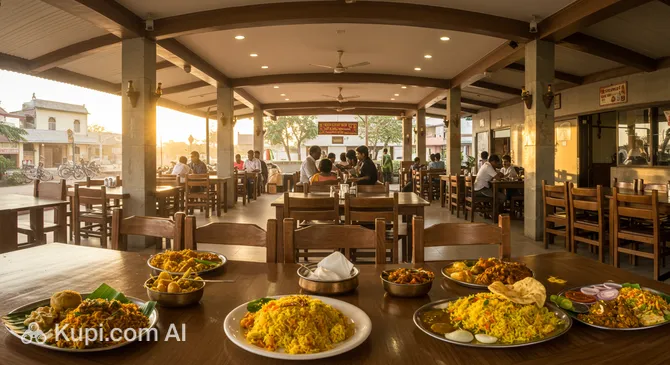
The food culture in Kumbakonam is very accessible. Locals often prefer eating in small, family-run cafes or trying street food at bustling markets, where you can experience the city's authentic atmosphere. Many restaurants are also open to tourists, offering both traditional Tamil dishes and more familiar cuisine. Among the establishments where you can get acquainted with local culinary delights is the Bushra Kuzhi Mandi Restaurant.

Bushra Kuzhi Mandi Restaurant. Illustration.
Source: Kupi.com AI

Traveler photos:

Kumbakonam often hosts food festivals, where you can not only enjoy the full diversity of local cuisine but also learn cooking secrets from experienced chefs. The city's gastronomic traditions, its aromatic coffee, and fresh street delicacies will undoubtedly leave a vivid impression on every traveler seeking to experience the real India.

Travel Tips

Welcome to Kumbakonam, the ancient city of temples! To make your journey through this amazing corner of India as comfortable and memorable as possible, we have prepared a few practical tips.

  1. Clothing and Essentials: Kumbakonam has a hot and humid climate, so choose light, breathable clothing made from natural fabrics like cotton. When visiting the many temples, modest clothing that covers shoulders and knees is mandatory; also, don't forget to remove your shoes before entering. Bring sunscreen, a hat, comfortable shoes for long walks, and a universal power adapter.
  2. Local Transport: The main way to travel short distances in Kumbakonam is by auto-rickshaw. Always agree on the fare in advance or insist on using the meter if available. For longer trips, you can use local buses, although they can be very crowded. Car rental is not very common among tourists; a more convenient option is hiring a car with a driver.
  3. Finance: The local currency is the Indian Rupee (INR). You can exchange currency at banks or authorized exchange offices. Credit and debit cards are accepted in large hotels and some shops, but for small purchases, paying rickshaws, and at markets, it is better to have sufficient cash. ATMs are available, but you should check with your bank beforehand regarding international withdrawal terms. Tipping is not mandatory but welcomed in restaurants (about 10% if a service charge is not included) and for porters.
  4. Health and Safety: Pharmacies are available in Kumbakonam, but not all are open 24/7. It is recommended to carry a basic first-aid kit. For medical assistance, contact local clinics or hospitals; having travel insurance is highly desirable. The city is generally safe, but as everywhere, standard precautions should be taken: watch your belongings in crowded places and avoid walking in poorly lit areas after dark. Drink only bottled water.
  5. Communication: The primary language is Tamil. English is common in the tourism sector, spoken by staff in hotels and tourist-oriented shops. For more comfortable interaction, you can learn a few simple phrases in Tamil: "Vanakkam" (Hello), "Nandri" (Thank you). A local SIM card can be purchased at mobile stores with a passport and visa. Wi-Fi is available in most hotels.
  6. Local Etiquette: When greeting locals, you can use the traditional "Vanakkam," accompanied by a slight nod or by placing your palms together (the "Namaste" gesture). In temples and other holy sites, behave respectfully and do not talk loudly. It is customary to use the right hand for eating, and for passing money or objects. Always ask for permission before photographing people.
  7. What to Avoid: Never point your feet toward images of deities, altars, or other people, as this is considered extremely disrespectful. Also, do not enter temples or homes with your shoes on—they should always be left at the entrance.

We hope these tips help you better prepare for your trip and get the most out of exploring the rich culture and spiritual heritage of Kumbakonam. Have a great trip!

Entertainment & Nightlife

Kumbakonam, known as the "City of Temples," offers its guests a calm and culturally rich atmosphere, including in the evenings. Here, you will not find loud nightclubs or bar districts that stay open until dawn like in major metropolises. Instead, evening entertainment in Kumbakonam revolves around leisurely dinners, walks through illuminated streets, and immersion in the local flavor.

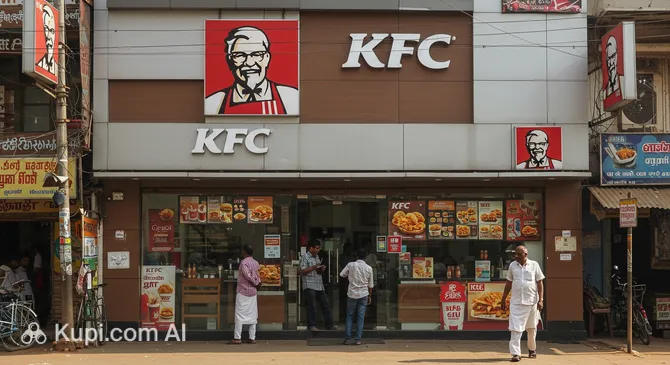
The primary evening activity for many tourists and locals is dinner at one of the numerous restaurants. The city offers a variety of establishments where you can taste South Indian cuisine. For instance, you can stop by Bushra Kuzhi Mandi Restaurant to try local specialties, or choose something more familiar at KFC. Many restaurants stay open until 10:00 PM or 11:00 PM, providing a pleasant atmosphere to end the day.

Bushra Kuzhi Mandi Restaurant. Illustration.
Source: Kupi.com AI

Traveler photos:

KFC. Illustration.
Source: Kupi.com AI

Traveler photos:

Evening markets, if available and open late, can offer an interesting experience, allowing you to purchase souvenirs or local produce. Occasionally, traditional music or dance performances may take place in the city, especially during festivals, which are an integral part of Kumbakonam's cultural life. However, it is best to check for such events in advance, as they are not always regular.

The atmosphere in Kumbakonam during the evening is generally calm and safe. Main streets are usually well-lit. For getting around in the evening, it is convenient to use auto-rickshaws or order a taxi through local services or directly through your hotel. It is recommended to agree on the fare before starting the trip. The dress code is casual in most places, but modesty in clothing should be observed when visiting temple grounds in the evening (if they are open).

During the day, Kumbakonam offers a rich program for history and culture enthusiasts. The main points of attraction are the numerous ancient temples, such as the Chakrapani Temple or the Kasi Viswanathar Temple. The city is also famous for its crafts, particularly bronze work and silk weaving. While there are few classic museums, the primary focus is on temple architecture and religious traditions.

Parks & Museums

Kumbakonam, known as the "City of Temples," offers its guests an immersion into the rich culture and history of South India. While the city is primarily famous for its ancient shrines, you can also find corners for relaxation and contemplation, and the temples themselves often act as living museums, housing priceless artifacts and works of art.

Although Kumbakonam does not abound in large urban parks in the traditional sense, travelers can find peace in the green zones around the numerous temples. These spaces are often well-maintained and offer shade from the southern sun, creating a pleasant atmosphere for resting after sightseeing. It is also worth noting the hotel gardens or small local squares where you can take a break while exploring the city. The Kaveri River, flowing nearby, also forms picturesque natural landscapes that can be interesting for leisurely strolls and observing local life.

There are no large, standalone museums in the European sense in Kumbakonam; however, the city itself can be considered an open-air museum. The ancient temples serve as the main keepers of history and culture here. Many of them, such as the majestic Chakrapani Temple, dedicated to Vishnu and his famous Sudarshana Chakra, or the Kasi Viswanathar Temple, are not only places of worship but also treasuries of ancient architecture, sculpture, and wall paintings. These sanctuaries often contain displays of ritual objects and artifacts that tell the story of the region's centuries-old history and its rulers.

Chakrapani Temple. Illustration.
Source: Kupi.com AI

Traveler photos:

In addition to those already mentioned, the Ucchi Pillayar Temple, while not a museum in the strict sense, is a significant historical and architectural site whose visit will enrich your understanding of the city's cultural heritage. Many temples, like the Sri Vedanarayana Perumal Temple, also impress with their detailed carvings and ancient atmosphere, effectively serving as guardians of the cultural code.

Kasi Viswanathar Temple. Illustration.
Source: Kupi.com AI

Traveler photos:

For a deeper dive into Kumbakonam's culture, visit the local markets, where you can see the daily life of the townspeople and purchase traditional bronze and silk products for which the city is famous. Also, don't miss the opportunity to witness temple rituals and ceremonies, which often take place early in the morning or in the evening—it is a truly authentic experience that allows you to touch living traditions.

Getting Around

Public transport in Kumbakonam is primarily represented by buses and auto-rickshaws, which are the most popular ways to get around the city and its surroundings. The city's transport system is quite simple and oriented toward locals, but tourists can also use it if they keep a few points in mind.

Buses are the most common and economical form of public transport. Both state and private buses run on many routes, connecting different parts of the city and linking Kumbakonam with neighboring towns. Buses can be crowded, especially during peak hours. Fares are usually paid in cash to the conductor directly on the bus. The cost is low but may vary depending on the distance and type of bus (regular, express).

Auto-rickshaws (or "tuk-tuks") are another ubiquitous way to get around in Kumbakonam. They are convenient for short trips and can take you directly to your destination. It is important to agree on the fare in advance before getting into an auto-rickshaw, as meters are not always used or may be out of order. Prices can be higher for tourists, so don't hesitate to bargain. Rates usually increase at night.

Taxis are less common in Kumbakonam than auto-rickshaws, but they can be found, especially near major temples and hotels, or can be ordered through your accommodation. A taxi is a more comfortable option for longer trips or if you are traveling with luggage. As with auto-rickshaws, it is recommended to confirm the fare beforehand.

Practical tips for tourists:

  • Always carry small change for bus fares and auto-rickshaws.
  • When using an auto-rickshaw, state your destination clearly and agree on the price before the journey begins.
  • Ask locals or your hotel for approximate bus routes, as information at stops may be limited or provided only in the local language.
  • Be prepared for transport to be crowded, especially during morning and evening rush hours.
  • For visiting the many temples located in different parts of the city, an auto-rickshaw might be more convenient than a bus due to route flexibility.

Cycle-rickshaws can also be found in some parts of the city, offering a slower but authentic way to travel short distances. For exploring the central part of Kumbakonam, where many temples are located relatively close to each other, walking is also a good option.

Accommodation

In Kumbakonam, travelers will find a variety of accommodation options to suit different budgets and preferences. The city offers a wide range of choices, from inexpensive guesthouses and budget hotels to mid-range hotels with more comfortable conditions. There are fewer luxury resorts here, as the main focus is on traditional hospitality and convenient locations for pilgrims and tourists exploring the city's numerous temples.

When choosing a place to stay in Kumbakonam, you should pay attention to areas located near the main temple complexes, such as the Chakrapani Temple or the Kasi Viswanathar Temple, or near the city center and transport hubs. Such a location will provide easy access to the main attractions and convenience for moving around the city. Many hotels offer the basic amenities necessary for a comfortable rest after a busy day of sightseeing.

The price range for accommodation in Kumbakonam varies from very budget-friendly to moderate. You can find a suitable option through popular online booking platforms or by contacting hotels directly. It is recommended to book your accommodation in advance, especially if your trip coincides with major religious festivals or the peak tourist season when demand for lodging increases significantly.

Overall, Kumbakonam offers guests cozy and affordable housing, allowing you to focus on exploring the rich cultural and religious heritage of this ancient city. Even if you are not looking for luxury, you will be able to find a clean and comfortable place to stay that meets your needs.

Nearby Cities

For those wishing to explore the surroundings, Kumbakonam serves as an excellent starting point for day trips to several interesting nearby locations. For example, Thirunageswaram, just 5 km from Kumbakonam, is famous for its ancient Naganathaswamy Temple, an important pilgrimage center. It is also worth visiting Papanasam, located 11 km away, known for its significant Papanasanathar Temple. See the table below for more details on day trip options from Kumbakonam:

CityPopulationDistance
Ullur10 2703 km
Tepperumanallur9 4805 km
Tirunageswaram18 2125 km
Swamimalai9 2166 km
Pattiswaram9 1136 km

These nearby destinations provide insight into the rich culture, history, and spiritual life of the Tamil Nadu region, complementing the experience of visiting Kumbakonam itself.

Shopping & Souvenirs

Shopping in Kumbakonam is an immersion into the world of traditional Indian goods, reflecting the rich culture and craft traditions of the region. The city is famous for its bronze items, silk sarees, religious objects, and unique handicrafts. Here, you won't find huge modern malls, but you can enjoy authentic Indian shopping in small stores and bustling markets.

The main shopping areas of Kumbakonam are concentrated around the numerous temples and on the city's central streets. Strolling down streets like Big Street (Periya Theru) or Kumbeswarar Temple Street, you will discover many shops offering a wide range of goods. This is where you can find the best examples of local crafts and traditional clothing.

There are no large shopping centers in the usual European sense in Kumbakonam. Instead, shopping here is represented by individual stores and small shopping rows. The focus is on traditional goods rather than international brands. There's no need to look for big malls here; it's better to focus on unique local offerings.

Local markets are the heart of trade in Kumbakonam. They offer fresh fruits, vegetables, flowers (especially for temple offerings), spices, and household items. Although there may not be specialized flea or souvenir markets, you can often find interesting handmade items and small souvenirs in the general markets. Visiting a market is a great way to feel the local flavor.

When in Kumbakonam, it's worth bringing back traditional souvenirs that reflect its cultural heritage. Look out for:

  • Bronze products: statues of deities, oil lamps (Kuthu Vilakku), and other decorative items, often made using the "Panchaloha" technique (an alloy of five metals).
  • Silk sarees: Kumbakonam and its surroundings are known for producing high-quality silk. You will find sarees in various colors and patterns.
  • Wood products: carved panels, figurines, and other decorative items.
  • Pooja items (religious rituals): incense, camphor, sacred images.
  • Traditional jewelry: especially temple jewelry that mimics ancient designs.

Most shops in Kumbakonam are open from approximately 10:00 AM to 8:00 PM or 9:00 PM, possibly with a lunch break in the middle of the day. Markets usually start operating early in the morning. Cash is the primary method of payment in small shops and markets. Larger stores and hotels may accept credit cards, but it's always better to have enough cash with you. ATMs are available in the city.

The Tax-Free system for tourists in Kumbakonam, as in most small cities in India, is not as widely available as in major international tourist centers. The possibility of a VAT refund on purchased goods is unlikely for most purchases.

Nearby cities

Have you reached the end of the page?

So the route has been studied inside and out