Support

Thanjavur

About

Thanjavur is an amazing city that is rightfully called the heart of ancient South India. It is nestled in the central part of the state of Tamil Nadu, on fertile plains where emerald rice fields stretch to the horizon, earning it the fame of being the state's "rice bowl." This is a place where every stone breathes history, and the streets preserve the memory of former greatness.
Thanjavur. Illustration.
Source: Kupi.com AI

With a population of about 223,000, Thanjavur is not just an administrative center, but a true cultural beacon of the region. In the past, the city was the capital of the powerful Chola dynasty, and this heritage is felt everywhere here. Today, Thanjavur harmoniously combines the tranquility of rural life with the bustling atmosphere of an important pilgrimage center.

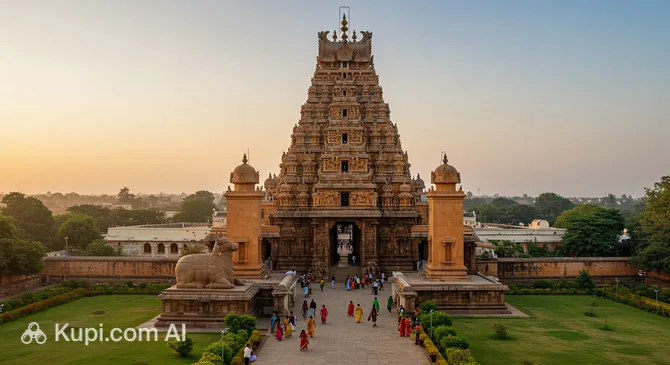
The main pearl of Thanjavur, attracting travelers from all over the world, is the majestic Brihadeeswarar Temple, a UNESCO World Heritage site. Its grand architecture and intricate stone carvings leave an indelible impression. In addition, the city is famous for its unique Tanjore paintings, characterized by rich colors and precious stone inlays, as well as the traditional art of making musical instruments, such as the veena.

Thanjavur is an ideal place for those who seek not only to see architectural masterpieces but also to touch living traditions. Here, time seems to slow down: narrow streets are filled with the aromas of spices, and ancient temples rise proudly over the city, inviting contemplation and the discovery of secrets of the past. Visiting Thanjavur is an opportunity to plunge into the atmosphere of authentic India, where culture and hospitality meet you at every step.

You can find more interesting facts on the history of Thanjavur page.
Weather Overview

A tropical climate prevails in Thanjavur. Expect hot summers, especially from April to June, when maximum temperatures regularly reach 35-37°C, with some increase in the number of rainy days, though total precipitation in these months remains low. Winter, from December to February, is warm here, with average temperatures around 25-26°C and significantly less rainfall, especially in February, which is one of the driest months. The most intense rains and the highest number of wet days are characteristic of October and November. For detailed monthly weather information, including precise data on temperatures and precipitation, visit the Thanjavur Climate page.

Average monthly temperature

Average monthly precipitation

Interesting Facts

In addition to its world-famous temples, Thanjavur, an ancient city with a rich history, hides many amazing stories and cultural features. Here are just a few interesting facts that will help you look at it in a new way:

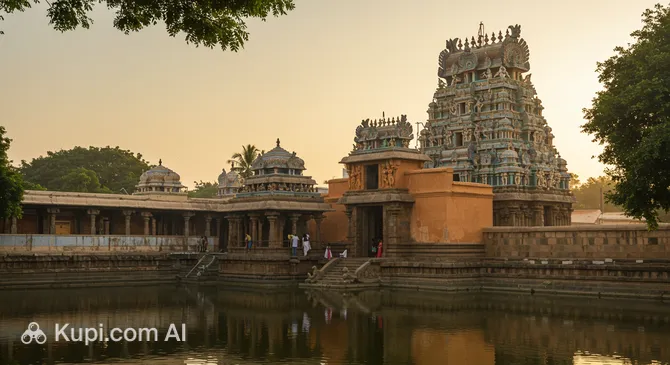
Sri Bangaru Kamakshi Amman Temple. Illustration.
Source: Kupi.com AI

Traveler photos:

  • Legendary Name: According to legend, Thanjavur was named after an asura (demon) named Tanjan. Defeated by Lord Vishnu, Tanjan requested before his death that the city be named after him, and his wish was granted.

  • Heart of the Chola Empire and Engineering Marvel: The city was the capital of the powerful Chola Empire, which left behind the magnificent Brihadeeswarar Temple, a UNESCO World Heritage site. Its granite vimana tower, standing over 60 meters high, was built from stones perfectly fitted together without the use of cement – a true achievement of ancient engineering.

  • Gold in Art: Thanjavur is the birthplace of a unique style of painting known as Tanjore painting. These paintings are famous for their rich colors, the use of gold leaf, and inlays of semi-precious and precious stones, primarily depicting Hindu gods and goddesses.

  • Melodies of South India: The city unofficially holds the title of the "musical capital" of South India. Thanjavur has given the world many outstanding musicians and composers, and the traditions of Carnatic music, the classical musical style of this region, remain strong here to this day.

How to Get There

Thanjavur, being an important cultural and tourist center of Tamil Nadu, has good transport accessibility, although the city itself does not have its own airport. Travelers usually combine a flight to one of the neighboring major cities with a trip by ground transport. You can find all the details and plan your route by visiting the how to get to Thanjavur page.

The most convenient option for arrival is Tiruchirappalli International Airport (IATA: TRZ). It is located in the city of Tiruchirappalli, just 47 km from Thanjavur. This is the nearest air hub, receiving flights from the Middle East and Southeast Asia, as well as domestic flights. The journey from the airport to the center of Thanjavur by taxi or bus will take approximately 1 hour 30 minutes.

An alternative option could be Madurai Airport (IATA: IXM), located in the city of Madurai at a distance of about 156 km. Domestic and some international flights also arrive here. Traveling from Madurai to Thanjavur will require more time — expect about 4 hours 15 minutes on the way.

For those planning a complex route through South India, Coimbatore International Airport (IATA: CJB) might be suitable. It is located in the city of Coimbatore, about 230 km from Thanjavur. It is a major transport hub, but the transfer from there will take about 6 hours.

For clarity, here is a summary of the main airports:

AirportPassenger trafficDistance
Tiruchirapalli International Airport1.8 mln47 km
Pondicherry Airport85 000150 km
Kankesanturai40 000150 km
Madurai Airport1.4 mln156 km
Salem130 132161 km

Railway communication is another popular and colorful way to reach Thanjavur. The city is served by a major railway station, Thanjavur Junction, which is an important hub for the Southern Railway. Express trains regularly arrive here from Chennai (the state capital), Bangalore, Mysore, and other major cities. A train journey is not only economical but also allows you to enjoy the scenic views of rural India.

Thanjavur is also connected by an extensive network of roads to neighboring cities. Regular state and private buses run from Tiruchirappalli, Chennai, Madurai, and Pondicherry. The city's bus stations (New Bus Stand and Old Bus Stand) provide frequent and affordable connections, making the bus a convenient option for budget travelers.

Main Attractions

In Thanjavur, a city with a rich cultural heritage, there are several notable places that deserve the attention of travelers. Among them are temples that reflect the spiritual life of the region.

One such attraction is the Sri Bangaru Kamakshi Amman Temple. This temple is dedicated to Goddess Kamakshi, a form of Parvati, the consort of Lord Shiva. The name "Bangaru," meaning "golden," emphasizes the sanctity and beauty of this place. A visit to the temple will allow you to immerse yourself in the atmosphere of Hindu traditions, see the Dravidian architecture characteristic of South India, and observe religious rituals. This place attracts both pilgrims and tourists interested in Indian culture.

Sri Bangaru Kamakshi Amman Temple. Illustration.
Source: Kupi.com AI

Traveler photos:

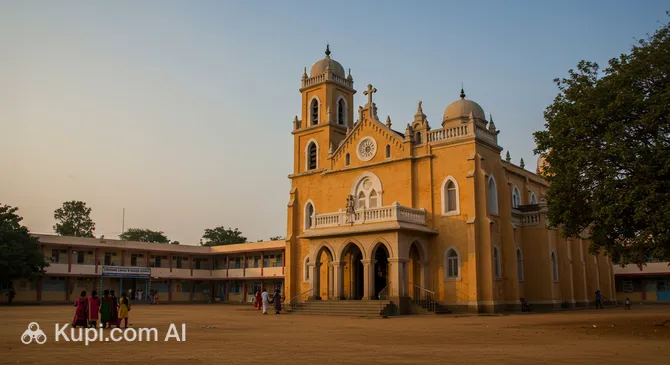
Another interesting site demonstrating the religious diversity of Thanjavur is the Carmel Child Jesus Shrine. This Christian shrine, dedicated to the Child Jesus, offers visitors an atmosphere of peace and serenity. For tourists, it is a unique opportunity to get acquainted with the city's Christian community, appreciate the architectural features of the local church, and perhaps experience its spiritual life, which adds contrast to the predominantly Hindu surroundings.

Carmel Infant Jesus Shrine. Illustration.
Source: Kupi.com AI

Traveler photos:

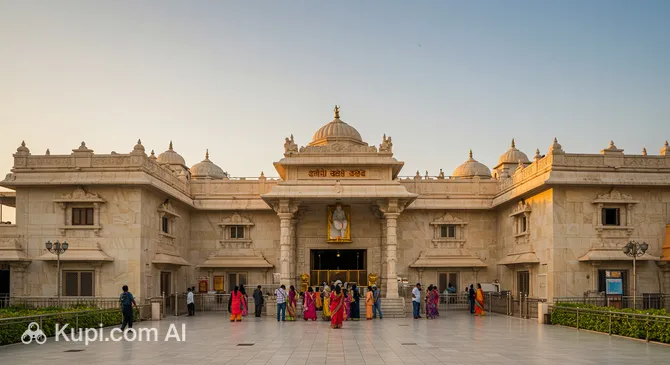
It is also worth paying attention to the Shirdi Sai Baba Temple. Sai Baba of Shirdi is a revered Indian saint and spiritual teacher of the late 19th and early 20th centuries, whose teachings on love, forgiveness, and service to others resonate with millions of followers across India and beyond. Temples dedicated to him are often not only places of worship but also centers of charitable activity. Visiting this temple in Thanjavur provides insight into the popularity of the Sai Baba cult and its significance in modern Indian spirituality.

Shirdi Sai Baba Temple. Illustration.
Source: Kupi.com AI

Traveler photos:

Local Cuisine

Thanjavur, located in the heart of the Tamil Nadu region known as the "rice bowl of India," offers travelers a unique gastronomic experience. The basis of the local cuisine is certainly rice in all its forms. You should definitely try Thanjavur Poli – a delicious sweet treat with a filling of chickpeas and coconut that melts in your mouth. Another iconic dish is the savory rasam, a fragrant and spicy tomato-based soup with a rich bouquet of spices that perfectly warms and stimulates the appetite.

A special place in Thanjavur's culinary culture is occupied by the traditional meal served on a banana leaf. It is a true kaleidoscope of flavors, including various vegetable dishes, several types of curry, crispy papadams, and spicy sauces. Among other local delicacies that should not be missed are appetizing fried lentil snacks, spicy rice cakes, and, of course, the famous Tamil chicken curry, prepared according to old recipes using local spices.

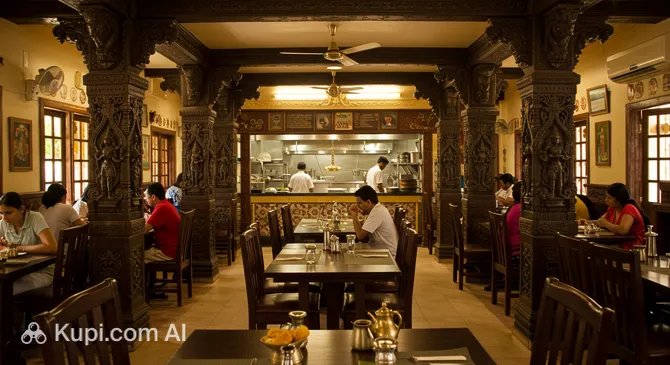
The food culture in Thanjavur is very democratic. Locals and tourists alike enjoy eating in restaurants as well as trying street food, which is an integral part of daily life here. On the city streets, you will find stalls with fragrant samosas (fried pastries with filling) and crispy dosas (thin rice pancakes) with various fillings. At farmers' markets, you can always buy the freshest tropical fruits and various spices that give the dishes that unique local flavor. For a more formal dinner, you can visit, for example, the Green Palace Hotel Restaurant, which offers local and international cuisine.

Green Palace Hotel Restaurant. Illustration.
Source: Kupi.com AI

Traveler photos:

As for drinks, in Thanjavur, as in all of South India, traditional filter coffee (kaapi) is very popular, usually served in special metal dabara-tumbler sets. You can refresh yourself with freshly squeezed juices from mango, papaya, or pineapple, or try lassi – a yogurt-based drink that can be either sweet or salty. Among alcoholic beverages, local beer varieties and other standard options are available in restaurants and bars.

Thanjavur's gastronomic scene is a vivid reflection of the region's rich culture and traditions. Culinary festivals are often held here, where local chefs demonstrate their skills, and guests can try dishes that are rarely found outside of Tamil Nadu. The taste of Thanjavur is an unforgettable harmony of spices, fresh products, and sincere South Indian hospitality.

Travel Tips

Welcome to Thanjavur, an ancient city with a rich history and culture! To make your journey through this amazing corner of India as comfortable and memorable as possible, we have prepared a few practical tips.

  1. Clothing and Essentials: A tropical climate prevails in Thanjavur, so choose light, breathable clothing made of cotton or linen. For visiting the numerous temples, including the famous Brihadeeswarar Temple, modest clothing covering the shoulders and knees is mandatory. Don't forget comfortable shoes for long walks, sunscreen, a hat, insect repellent, and a universal adapter for electronics.
  2. Transport: The most common and accessible way to move around the city is by auto-rickshaws (tuk-tuks). Be sure to agree on the trip price in advance. Local buses also run – they are very cheap but can be crowded. For long distances or for a whole day, you can hire a taxi. Renting a car is usually not recommended for tourists due to the specifics of local traffic.
  3. Finances: The local currency is the Indian Rupee (INR). You can exchange currency at banks or authorized exchange offices; avoid street money changers. Credit and debit cards are accepted in large hotels and some shops, but always keep enough cash for markets, small shops, and auto-rickshaws. There are ATMs in the city. Tipping is welcome in restaurants (usually 5-10% of the bill) and for guides if you are satisfied with the service.
  4. Health and Safety: Drink only bottled water and avoid ice in drinks if you are not sure of its origin. There are pharmacies in the city, but it is recommended to have a basic set of medications with you. If necessary, you can contact local hospitals. Be careful with street food; choose places where locals eat and where food is prepared in front of you. As in any tourist spot, keep an eye on your belongings and avoid walking alone in poorly lit and deserted areas at night.
  5. Communication: The main language in Thanjavur is Tamil. In tourist areas, hotels, and large shops, staff often speak English. Learning a few simple phrases in Tamil, such as "Vanakkam" (Hello) or "Nandri" (Thank you), will be very helpful and appreciated by locals. A local SIM card with internet access can be purchased upon presentation of a passport and visa. Wi-Fi is usually available in hotels and some cafes.
  6. Local Etiquette: Be sure to remove your shoes when entering temples and residential homes. It is customary to use the right hand for eating, passing money, or important items, as the left is considered "unclean." Show respect for elders and religious customs. If you want to take photos of locals, always ask for permission.
  7. What to Avoid: Try not to point your finger at people or sacred images – it is considered impolite. Avoid public displays of affection. Do not wear overly revealing clothing, especially when visiting religious sites, so as not to offend the feelings of believers.
  8. Extra Tip: The best time to visit temples, especially the grand Brihadeeswarar Temple, is early morning or late evening. This way you will avoid the midday heat and be able to enjoy a more peaceful and spiritual atmosphere, as well as take beautiful photos in soft light.

We hope these tips will help you better prepare for your trip and get the maximum pleasure from getting to know unique Thanjavur, its ancient shrines, and hospitable residents!

Entertainment & Nightlife

When planning evening entertainment in Thanjavur, it is worth remembering that it is primarily an ancient temple city, and its nightlife is characterized by tranquility and tradition rather than the noise of metropolises. Here you won't find districts with neon signs of clubs open until morning, but you can enjoy a pleasant atmosphere and delicious food in the evening.

The core of evening entertainment in Thanjavur consists of restaurants where you can taste local and Indian cuisine. Many of them stay open until late evening, offering guests a cozy setting for dinner with family or friends. The atmosphere in such establishments is usually relaxed, and the dress code is typically casual or smart-casual. Some hotels may offer lounge bars to their guests, where you can spend the evening over a drink in a more peaceful setting. Night markets or large concert venues are not as common here as in major tourist centers.

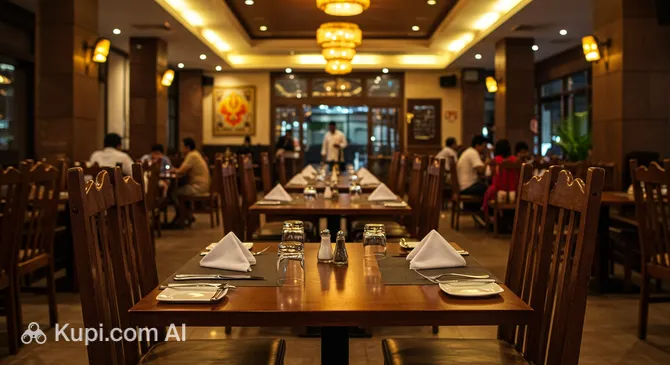
Among the places where you can spend a pleasant evening over dinner, the Green Palace Hotel Restaurant stands out, offering a diverse menu. Another popular option is the Barbequeen Restaurant, known for its barbecue dishes. These establishments are perfect for ending the day after sightseeing.

Green Palace Hotel Restaurant. Illustration.
Source: Kupi.com AI

Traveler photos:

Barbequeen Restaurant. Illustration.
Source: Kupi.com AI

Traveler photos:

Regarding practical tips, most restaurants close around 10:00 PM – 11:00 PM. To move around the city in the evening, you can use auto-rickshaws or taxis; it is recommended to agree on the price in advance or use taxi booking services through your hotel. Generally, Thanjavur is considered a safe city, however, as everywhere, it is worth taking usual precautions after dark, especially if you are walking alone. It is better to stick to well-lit streets.

During the day, Thanjavur offers a rich cultural program. The main jewel is the magnificent Brihadeeswarar Temple, a UNESCO World Heritage site. Also of interest are the Thanjavur Palace with its art gallery and museum, numerous other temples, and craft workshops where you can get acquainted with the traditional art of the region. For shopping, you can visit the Max Mall, although the city's main charm certainly lies in its historical heritage.

Parks & Museums

Thanjavur, known for its rich cultural heritage and as the heart of the ancient Chola Empire, offers visitors not only majestic temples but also pleasant green spots for relaxation, as well as unique museums housing centuries of the region's history and art.

While Thanjavur is primarily famous for its architectural masterpieces, the city also features places for peaceful walks. One such place is Sivaganga Park, located near the famous Brihadeeswarar Temple. This park often attracts locals and tourists with its well-kept gardens, a small pond where boating is sometimes available, and children's playgrounds. It is a good place to escape the city bustle. Additionally, many temple complexes in Thanjavur have their own small but picturesque gardens where you can enjoy the silence and the beauty of nature.

To dive into Thanjavur's rich cultural heritage, you must visit its museums. The Thanjavur Art Gallery, located in the Maratha Palace complex, is a true treasure trove. It features an impressive collection of Chola-period bronze sculptures, known for their exquisiteness, as well as stone carvings and other artifacts. Equally significant is the Saraswathi Mahal Library and Museum, also located on the palace grounds. It is one of the oldest libraries in Asia, housing thousands of rare manuscripts on palm leaves and paper, ancient maps, atlases, and paintings. For those who want to study the history of the great dynasty that ruled these lands in more detail, the Raja Raja Chola Museum will be of interest, with its exhibition dedicated to artifacts and information from the Chola reign.

Speaking of historical and architectural sites, it is impossible not to mention the pearl of Thanjavur – the Brihadeeswarar Temple (Big Temple), included in the UNESCO World Heritage list. This grand temple dedicated to Shiva amazes with its scale, complex architecture, and incredible carvings. Besides this main symbol of the city, Thanjavur is adorned with other significant religious structures. Among them are the Sri Bangaru Kamakshi Amman Temple, revered by locals for its spiritual atmosphere, and the Carmel Child Jesus Shrine, offering peace and tranquility.

Sri Bangaru Kamakshi Amman Temple. Illustration.
Source: Kupi.com AI

Traveler photos:

It is also worth paying attention to the Shirdi Sai Baba Temple, which attracts many pilgrims and followers of this saint.

Shirdi Sai Baba Temple. Illustration.
Source: Kupi.com AI

Traveler photos:

For a more authentic experience of Thanjavur, we suggest walking through the narrow streets of the old town. Here you can find small workshops where artisans create the famous Tanjore paintings, inlaid with semi-precious stones and gold foil, as well as traditional bronze items, continuing centuries-old art traditions.

Getting Around

Getting around Thanjavur is quite simple thanks to several available types of public transport. The core of the city's transport system is the bus. State and private buses run on numerous routes, connecting different parts of the city and its surroundings. This is the most economical way to travel, especially for long distances within the city.

In addition to buses, auto-rickshaws (tuk-tuks) are widespread in Thanjavur. They are ideal for short trips and can take you directly to your destination. It is important to remember to agree on the cost of the auto-rickshaw ride with the driver in advance, as meters are not always used or may be faulty.

The fare payment system in buses is usually simple: tickets are purchased directly from the conductor inside the bus. It is recommended to have small cash on hand for convenience. There are generally no specialized travel cards for tourists; payment is made for each trip. Buses start running early in the morning and end late in the evening, but exact schedules may vary depending on the route.

As an alternative to public transport, you can use taxi services. They can be found at special ranks or ordered through your hotel. In some cases, mobile apps for ordering taxis or auto-rickshaws may be available, which can be a convenient option. For exploring central city areas for short distances, a walk is quite suitable, especially if you want to get a closer look at local life. Bicycle rental is not a widely available service for tourists in Thanjavur.

There are no unique types of transport, such as historical subways or cable cars, in Thanjavur. The city's transport system is quite traditional for Indian cities of this size. For ease of planning bus routes, you can clarify route numbers or main landmarks with locals or at your hotel in advance.

Accommodation

When planning a trip to Thanjavur, you will find a variety of accommodation options to suit different preferences and budgets. The city offers a choice from inexpensive guest houses and budget hotels, ideal for thrifty travelers, to more comfortable mid-range hotels with a good range of services. You can also consider staying in family-run hotels or apartments, which is especially convenient for long stays or family travel.

When choosing a place to stay in Thanjavur, you should pay attention to areas located near the main attractions and transport hubs. The central part of the city is convenient for access to the famous Brihadeeswarar Temple and other historical sites. Areas adjacent to iconic spots like the Sri Bangaru Kamakshi Amman Temple can also offer interesting options and allow you to dive deeper into the local atmosphere. A convenient location relative to bus stops or the railway station will save time on moving around the city and its surroundings.

Sri Bangaru Kamakshi Amman Temple. Illustration.
Source: Kupi.com AI

Traveler photos:

To guarantee the best accommodation option, especially during the peak tourist season (usually from October to March) or during major local festivals, it is recommended to book your accommodation in advance. Prices for accommodation in Thanjavur vary from budget to moderate, allowing you to find an option for any wallet. Most hotels and guest houses can be booked through popular online platforms like Booking.com, Agoda, or directly through hotel websites. For smaller guesthouses, booking by phone is sometimes possible.

Nearby Cities

For those who want to explore the surrounding area, Thanjavur serves as an excellent starting point for day trips to several interesting nearby locations:

CityPopulationDistance
Puduppattinam20 8974 km
Nanjikkottai32 6897 km
Vallam19 55711 km
Pasupathikovil9 80812 km
Ayyampettai18 75913 km

These nearby destinations provide insight into the diverse culture and landscapes of the India region.

Shopping & Souvenirs

Thanjavur, the cultural capital of the region, offers unique shopping opportunities, especially for those who appreciate art and traditional crafts. The city is famous for its exquisite Tanjore paintings, inlaid with semi-precious stones and gold foil, bronze items, silk sarees, and musical instruments. Here you can find both small craft shops and modern stores.

The main shopping areas in Thanjavur are considered to be the streets around the main temple and the central districts. South Main Street (Therku Veedhi) and Gandhiji Road are popular commercial arteries where many shops offering textiles, jewelry, souvenirs, and art pieces are concentrated. Here you can find both traditional goods and modern items.

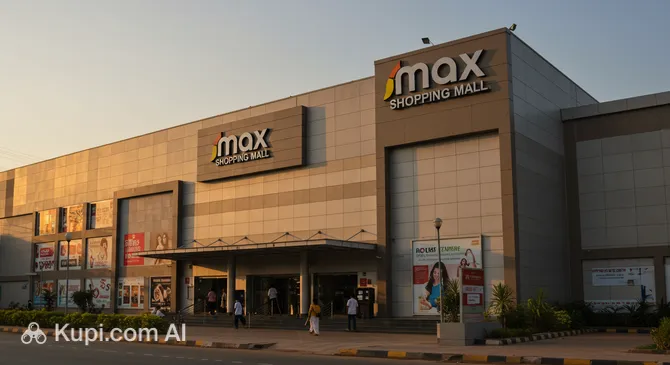
For those who prefer a more modern shopping format, there are shopping centers in Thanjavur. One of them is the Max Mall, where you can find clothes from famous brands, accessories, and other goods. This place is suitable for comfortable shopping in air-conditioned premises.

Max Shopping Mall. Illustration.
Source: Kupi.com AI

Traveler photos:

Besides the shops, it is worth visiting the local markets to experience the authentic atmosphere and find fresh produce, spices, flowers, and inexpensive souvenirs. Although there may not be large specialized tourist markets here, the regular city bazaars will offer an interesting experience and the opportunity to observe local life.

Items you should definitely bring from Thanjavur include:

  • Tanjore Painting: A unique piece of art depicting Hindu deities and mythological scenes.

  • Bronze Items: Statuettes of deities (especially Nataraja), lamps, and other decorative items.

  • Silk Sarees: Thanjavur is known for its high-quality silk and traditional patterns.

  • Thalayatti Bommai: Traditional clay or wooden dolls with a bobbing head, a symbol of the region.

  • Musical Instruments: For example, a veena or mridangam, if you are a connoisseur of Indian music.

Most shops in Thanjavur are open from approximately 10:00-11:00 AM to 8:00-9:00 PM. Small shops may close for a lunch break. In large stores and shopping centers, bank cards are accepted, but in small shops and markets, cash is preferable. The UPI mobile payment system is also widely used.

Information regarding Tax Free refunds for tourists on certain goods should be clarified directly in shops when making major purchases. Usually, this is applicable at authorized retail outlets, and the seller must provide the necessary documents.

Have you reached the end of the page?

So the route has been studied inside and out