Support

Tiger Cave

About

The Tiger Cave is an impressive rock-cut temple located near the coastal city of Mahabalipuram in India. This unique monument, carved directly into the granite rock, is a striking example of ancient temple architecture. It gets its name from the expressive reliefs of tiger heads that frame the entrance to a small shrine, creating a truly unforgettable sight.
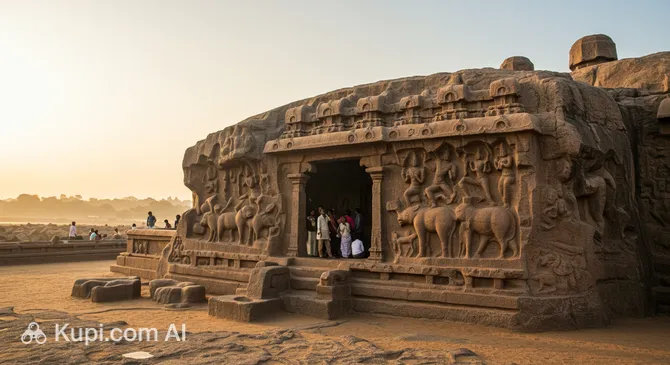
Tiger Cave. Illustration.
Source: Kupi.com AI

Traveller photos:

The Tiger Cave is believed to have been created during the Pallava dynasty in the 7th-8th centuries. It may have originally served as either a mandapa (a pavilion for public rituals) or a small temple dedicated to the goddess Durga, whose vahana (mount) is a tiger. Unlike many other temples in the region, this site stands out for its unusual and detailed decoration.

Today, the Tiger Cave attracts tourists with its mysterious atmosphere and skillful stone carving. It is not just a cave, but a true open-air work of art. It is part of the famous Mahabalipuram complex of monuments and is a must-see for anyone interested in the history and architecture of Southern India.

Contacts

Tiger Cave is an open-air historical complex, so it does not have a single contact center for tourists. To get the most up-to-date information on opening hours or potential restrictions, it is best to contact local tourist offices upon arrival in Mahabalipuram. You can reach the cave from the city center by auto-rickshaw or taxi; the ride takes just a few minutes.

How to contactContact
AddressMahabalipuram, Pattipulam, Tamil Nadu 603104, India
Phone+91 1800 4253 1111
Websitewww.tamilnadutourism.tn.gov.in

What to Do

Visiting the Tiger Cave is, first and foremost, an opportunity to experience a unique example of ancient Indian rock-cut architecture. The main draw for travelers is the shrine's facade, adorned with detailed bas-reliefs of tiger heads. These expressive carvings frame the entrance and create a unique, slightly mystical atmosphere. Once inside, you will see a spacious yet austere chamber that historians believe served as a venue for rituals or public gatherings during the Pallava dynasty.

This site is perfect for a leisurely stroll and a photo session against the backdrop of ancient stones. You can admire the craftsmanship of ancient stone carvers in detail and imagine what this place looked like centuries ago. Many tourists appreciate the Tiger Cave for its peaceful atmosphere, which is especially felt in the morning hours before it gets too crowded. It is a wonderful chance to enjoy some peace and quiet away from the city bustle.

One of the main advantages of the Tiger Cave is its convenient location. It is in close proximity to other iconic monuments of Mahabalipuram that are part of the UNESCO World Heritage list. Visitors often combine a tour of the cave with a visit to attractions like the famous Krishna's Butter Ball and the Shore Temple complex. Thus, getting to know this small but impressive shrine becomes a natural part of an exciting journey through the historical treasures of India.

Getting There

Tiger Cave is located about 5 kilometers north of the center of Mahabalipuram. Thanks to its close proximity, reaching this unique attraction is quite easy. The most convenient way is to use local transport: you can hire a taxi or the ubiquitous auto-rickshaw, which will quickly take you to your destination. Renting a scooter or bicycle is also a popular option, allowing you to explore the area at your own pace.

For travelers arriving from other regions of India, the starting point is often the city of Chennai, which has the nearest major airport. Buses run regularly from Chennai to Mahabalipuram. The journey takes 1.5 to 2 hours on average and offers scenic views along the way. Upon arriving in the city, you can easily find transport to the cave itself.

If you are already in Mahabalipuram exploring its other treasures, you can even reach Tiger Cave on foot. A walk along the picturesque coast is a little adventure of its own and takes about an hour. The site is well-known among locals and marked on tourist maps and signs, so it is hard to get lost.

Nearest city: Mahabalipuram

History & Facts

The Tiger Cave is a rock-cut Hindu temple complex near Mahabalipuram, dating back to the 8th century during the reign of the Pallava dynasty. At that time, Mahabalipuram was a thriving port city and an important religious center. This monument, like many others in the region, showcases the exceptional skill of ancient stone carvers who transformed solid granite boulders into works of art.

The cave gets its intriguing name from the unique entrance to a small shrine, which is framed by eleven carved heads of mythical creatures resembling tigers (or Yalis—mythological beings). In Pallava art, the tiger symbolized power and protection, and this design was likely intended to safeguard the sacred space. It is important to note that this is not a cave in the traditional sense, but rather a mandapa—an open-air pavilion or stage used for performing rituals.

It is believed that the Tiger Cave was used for important religious ceremonies and festivals dedicated to the goddess Durga, to whom the main shrine may have been consecrated. Today, this site is part of the famous Group of Monuments at Mahabalipuram, which is a UNESCO World Heritage site. Visiting the Tiger Cave allows you to experience the rich cultural and spiritual heritage of ancient India and appreciate the grandeur of South Indian temple architecture.

Time Needed

Most travelers will need 30 to 60 minutes to see the Tiger Cave and its surroundings. This is plenty of time to leisurely explore the unique rock bas-reliefs dedicated to the goddess Durga, take impressive photos against the backdrop of the carved tiger heads, and simply enjoy the peaceful atmosphere of this ancient site, nestled in the shade of trees near the coast.

Keep in mind that the Tiger Cave is part of a large complex of monuments in Mahabalipuram. If you plan to visit other nearby attractions, such as the Shore Temple or the "Pancha Rathas" complex, it is recommended to set aside at least 3–4 hours for the entire historical area. This approach will allow you to immerse yourself deeper in the history and culture of this amazing corner of India and get the most out of your trip.

Working Hours

The Tiger Cave in Mahabalipuram is usually open to visitors daily. Standard operating hours are from 6:00 AM to 6:00 PM. This schedule allows tourists to enjoy the temple complex in both morning and evening light. The site is accessible year-round, making it convenient to plan a trip in any season.

Advance ticket booking for this attraction is generally not required. Entry is free, and you can visit at any convenient time within the working hours. However, it is worth remembering that the schedule may change slightly on public holidays or during special events. To avoid surprises, it is recommended to check current information on-site or on tourism websites just before your visit.

9:00 – 17:30

Nearby

Visiting an iconic site like the Tiger Cave is just the starting point for exploring the amazing city of Mahabalipuram. To truly feel its unique atmosphere, it is worth taking a stroll through the surrounding area. Often, it is the unplanned discoveries made within walking distance of your main destination that provide the most vivid and unforgettable impressions.

Exploring the nearby territories will allow you to dive deeper into the rich history and culture of this region of India. Close to the Tiger Cave, you will find other ancient temples, unique rock formations, and places where you can relax and enjoy local cuisine, completing the overall picture of your journey.

NameDistance
Kaldan Samudhra Palace1.3 km
Kences Palm Beach1.7 km
Masala Cafe4.1 km
The Golden Palate4.4 km
Mahishasura Rock4.4 km
Krishna's Butter Ball4.5 km
Shore Temple4.5 km

Reached the bottom of the page?

Looks like you know this route inside out