Support

Patiala

About

Patiala is a city with an aristocratic spirit and a rich heritage, located in the southeastern part of the state of Punjab in India. Founded in 1763 by Baba Ala Singh as a military fortification, it quickly grew into the capital of one of the most powerful and prosperous princely states. The city's history is inextricably linked to the reign of the Maharajas, who left behind magnificent palaces and unique traditions that still define the character of this place today.

Today, with a population of about 763,000, the city is a fascinating blend of royal grandeur and the daily bustle of a modern Indian center. Walking through its streets, you will see historical forts neighboring colorful bazaars and residential quarters. Although Patiala is not a mass-market tourist resort, it attracts travelers with its authenticity and the warm hospitality of its locals.
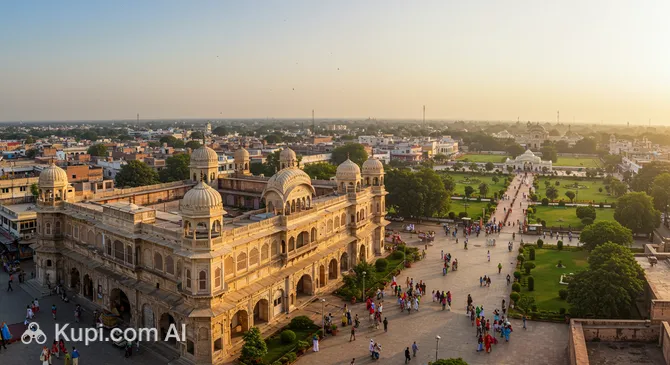
Patiala. Illustration.
Source: Kupi.com AI

The city's main symbols remain its architectural masterpieces, such as the majestic Qila Mubarak fort and the luxurious Moti Bagh Palace. A visit to Patiala is an opportunity to touch the living culture of the Sikhs, taste legendary Punjabi cuisine, and feel the atmosphere of the former greatness of Indian princes. We invite you to explore this distinctive city that has preserved its identity in a rapidly changing world.
Weather Overview

Patiala is located in a continental climate zone typical of Punjab, which means distinct seasonal changes. Summers here can be truly sweltering: in May and June, the temperature often crosses the +40°C mark. Dust smog is possible during this period, so it is better to plan walks for the early morning or evening.

The best time to visit is the winter period from December to February, when the weather in Patiala is mild and pleasant. Average daytime temperatures during this time range between 15–20°C, while nights can be quite chilly (down to +6°C), so it is worth bringing a warm sweater or a light jacket.

The monsoon season lasts from July to September. The rains bring long-awaited freshness, although humidity increases significantly. It is worth noting that in the autumn months, air quality in the region can decline due to seasonal agricultural work in the surrounding areas, so travelers with sensitive health should check current forecasts in advance.

Average monthly temperature

Average monthly precipitation

Interesting Facts

  • A Pioneer in Education: Patiala was a pioneer of higher education in the region; Mohindra College opened here in 1870, becoming the first institution of its kind in this part of India.

  • The Legendary Patiala Peg: The city gave the world the term "Patiala Peg"—a traditional, exceptionally generous serving of spirits that has become a cultural symbol of the Punjabi Maharajas' hospitality.

  • A GIGANTIC Fort: The central Qila Mubarak complex covers an impressive 10 acres and includes not only a palace but also the Ran Baas guest house and the unique Darbar Hall.

  • A Treasury of Awards: The Moti Bagh Palace houses one of the world's largest collections of medals—over 3,000 exhibits collected by the Maharajas between the 12th and 20th centuries.

  • Ancestral Path: The city's founder, Baba Ala Singh, is buried in the Shahi Samadhan memorial complex, which is now a key pilgrimage point and an important part of the city's historical walking route.

How to Get There

Patiala is an important transport hub for the state of Punjab and is conveniently connected to the region's key cities. While the city itself does not have its own airport for major commercial flights, travelers can easily find alternative routes. Detailed information on how to get to the city will help you plan your trip as comfortably as possible.

The nearest air hub is Chandigarh International Airport (IXC), located approximately 60–70 kilometers away. You can reach Patiala from there by taxi or local bus, which takes about one and a half to two hours. Many tourists also fly into Delhi airport and continue their journey by rail or road.

AirportPassenger trafficDistance
Chandigarh Airport3.6 mln53 km
Ludhiana (Halwara)86 km
Simla25 493105 km
Bilaspur30 000116 km
Bhatinda Airport31 004157 km

Rail travel is one of the most convenient ways to visit. Patiala Railway Station regularly receives trains from Delhi, with travel time from the capital taking about 4–5 hours. Connections are also established with Amritsar and Ludhiana. For those who prefer buses, the city offers many routes: the trip from Chandigarh takes just over an hour, and from Delhi, about four hours.

Main Attractions

The crown jewel and historical heart of the city is the grand Qila Mubarak complex. Built in 1763, it is divided into two courtyards and includes luxurious palace rooms, the ceremonial Darbar Hall, and defensive structures. This site offers a first-hand look at the opulence in which the rulers of Patiala lived in centuries past.

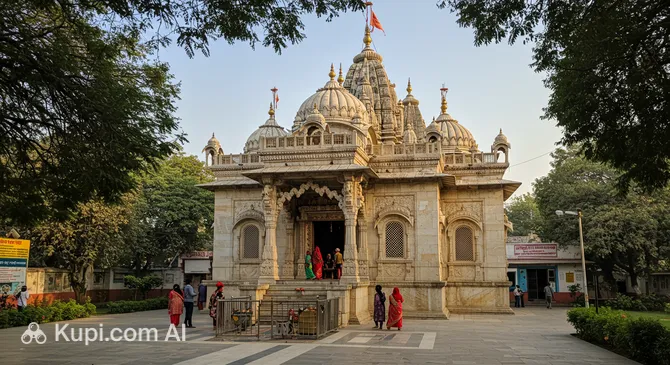
No less impressive is the Moti Bagh Palace, erected in 1847. The palace is famous for its architecture and exquisite frescoes created by artists from Rajasthan. Inside, a museum houses royal artifacts, medals, and antique weapons. For those seeking spiritual sites, the Sri Kali Devi Temple , built by Maharaja Bhupinder Singh, is a major religious center that draws pilgrims with its powerful energy.

Shri Kali Devi Temple. Illustration.
Source: Kupi.com AI

Traveler photos:

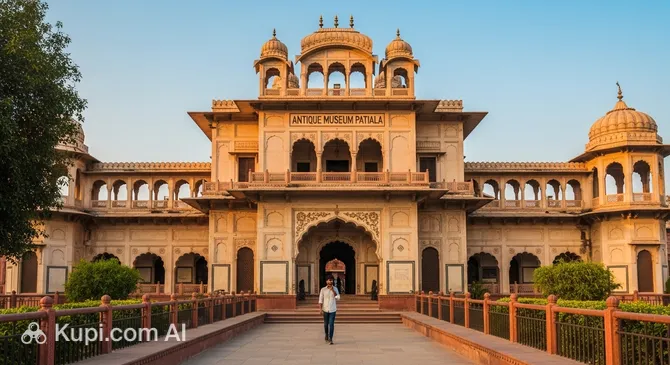
For those looking for seclusion and quiet, the Environment Park is a perfect choice. It is one of the few green zones in the city where you can take a break from the urban bustle. Tourists will also find the Patiala Antique Museum interesting, as it showcases a private collection of rare household items and art that tell the story of the Punjabi nobility's lifestyle.

Antique Museum Patiala. Illustration.
Source: Kupi.com AI

Traveler photos:

You can round off your introduction to the city with a stroll through the Baradari Gardens or a visit to the Bahadurgarh Fort. The latter is famous for its historic Gurudwara Sahib, which demonstrates the best traditions of Sikh temple architecture and serves as a place for quiet reflection.

Local Cuisine

The gastronomic scene in Patiala is a true feast for lovers of rich flavors and generous portions. The cuisine here reflects classic Punjabi traditions, where spicy seasonings, clarified butter (ghee), and fresh dairy products are held in high regard. Be sure to try sarson ka saag (a dish made from leafy greens) with makki di roti (corn flatbread)—the gold standard of the local winter diet.

For authentic breakfasts, head to the city markets. The legendary chole puri (chickpea curry with fluffy fried bread) is best sampled at decades-old stalls like Pammi Puraine Wale. For a drink, they will always offer you a thick and sweet lassi. Incidentally, the famous "Patiala Peg" isn't just about alcohol; it’s also about the local tradition of serving everything in maximum, "royal" volumes.

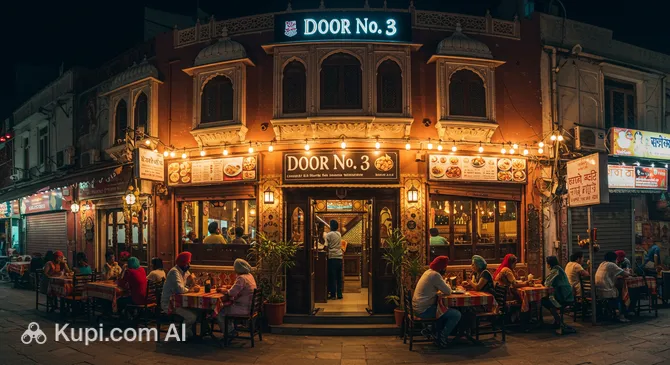
For a more refined dinner, you can visit modern restaurants. Land of Grills will delight you with a variety of flame-cooked meat dishes, while Door No. 3 offers an interesting take on both Indian and international cuisine in a stylish setting.

Door No. 3. Illustration.
Source: Kupi.com AI

Traveler photos:

Street food is an integral part of city life. In the Kila Bazaar area, you can find dozens of stalls with traditional snacks, from crispy samosas to fragrant kebabs. The overall character of the local cuisine can be described as hearty, spicy, and incredibly welcoming, making a culinary journey through Patiala unforgettable.

Travel Tips

Preparing for your trip to Patiala will help you fully enjoy its royal charm and avoid minor hassles. Here are some practical tips for your journey:

  1. Seasonality and Clothing: The ideal time to visit is from October to March, when the weather is most comfortable. In summer (May–June), the heat can be extreme, exceeding 40°C. Choose light cotton clothing, but be sure to bring a hat and sunscreen.
  2. Dress Code: When visiting Gurudwaras (Sikh temples) and Hindu temples, you must remove your shoes. Both men and women need to cover their heads with a scarf, which can often be borrowed at the entrance.
  3. Transport: Traffic in the city is chaotic, so renting a car to drive yourself is not recommended. Use rickshaws or call a taxi via apps. Be extremely careful when crossing roads.
  4. Finances: The official currency is the Indian Rupee. Hotels and shopping malls accept cards, but for markets and rickshaws, always keep small denomination cash on hand. ATMs are easy to find in the city center.
  5. Connectivity: You will need a passport to buy a local SIM card. Wi-Fi is available in most hotels and modern cafes, but speeds can be inconsistent.
  6. Etiquette and Communication: The primary language is Punjabi, but English is widely spoken among hotel staff. A greeting of "Namaste" or "Sat Sri Akal" will be met with a warm smile.
  7. Health: Drink only bottled water and avoid ice in street drinks. You can find most necessary medicines in the city's pharmacies, but it's better to bring specific medications with you.
  8. Safety: Central areas and markets are safe for walking during the day. At night, it is better to avoid poorly lit outskirts and travel by taxi.

Patiala is a city with an open soul, and if you respect the local traditions, it will respond with sincere hospitality and unforgettable impressions!

Entertainment & Nightlife

Entertainment and nightlife in Patiala are more low-key and cultural compared to major Indian metropolises. While there isn't an abundance of noisy nightclubs, the city offers cozy spots to unwind. Cultural events, exhibitions, and concerts held within historical complexes like Moti Bagh Palace are often the center of attention.

For those wishing to spend the evening in pleasant company, modern bars and lounges are available. The stylish Olivia House Patiala is a popular choice, offering a great atmosphere and a selection of drinks. It is also worth checking out Elevate or the trendy Boombox Penthouse, where local youth and visitors gather to listen to music and enjoy panoramic views.

Boombox Penthouse. Illustration.
Source: Kupi.com AI

Traveler photos:

Daytime leisure can be varied by visiting cinemas showing the latest Bollywood releases or strolling through the lively markets, which transform after sunset with bright lights and the aromas of street food. If you find yourself craving a more active nightlife with large-scale parties, neighboring Chandigarh is just an hour's drive away.

Parks & Museums

The main place for a stroll in the city is the historic Baradari Garden. Restored a few years ago, this garden is an expansive green area where Maharajas once came to relax. Today, it houses a unique museum with a rich collection belonging to Maharaja Ranjit Singh, and part of the grounds is occupied by a heritage hotel that preserves the spirit of the colonial era.

History and art lovers should definitely visit the museum at Moti Bagh Palace. This is a true treasure house, displaying over 3,000 medals collected by the city's rulers over several centuries, as well as rare coins and ancient artifacts. The museum provides a complete picture of just how influential and wealthy the princely state of Patiala was in the past.

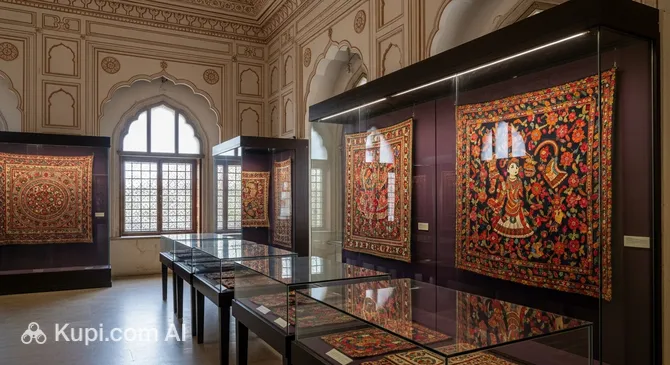
For those interested in traditional crafts, the Rana Phulkari Museum is open to visitors. Here, you can see stunning examples of handmade Phulkari embroidery—a unique Punjabi art of textile decoration passed down through generations. Such places allow for a deeper understanding of the soul of Punjab and its cultural code.

Rana Phulkari Museum. Illustration.
Source: Kupi.com AI

Traveler photos:

Overall, while the city suffers from a shortage of open green spaces in residential areas, the historical complexes of Qila Mubarak and Moti Bagh offer plenty of inner courtyards and gardens. These spaces serve as quiet oases where tourists and locals alike can rest surrounded by majestic architecture.

Getting Around

The public transport system in Patiala is primarily oriented toward the needs of local residents and is mainly represented by buses. The state operator Punjab Roadways and private carriers provide connections between the city's main districts. It is worth noting that buses are often overcrowded, especially during morning and evening rush hours, so this mode of transport may not be the most comfortable for tourists.

For short distances, auto-rickshaws or three-wheeled taxis are an ideal solution. This is the most popular and maneuverable type of transport for the city's narrow streets. Remember that there are often no fixed fares, so you should agree on the price of the trip with the driver in advance. Modern app-based taxi services also operate in the city, making movement more transparent and convenient.

Road infrastructure is unevenly developed: while the main avenues and roads leading to historical centers are in good condition, streets in residential quarters can be narrow and chaotic. For tourists planning a full day of sightseeing, the most sensible and safe option is to rent a car with a driver. This will save time and avoid the difficulties of navigating dense Indian traffic.

Accommodation

For tourists, Patiala offers a decent selection of accommodation options, primarily catering to mid-range budgets and business travelers. One of the city's most interesting features is the opportunity to stay in a genuine historical building. The famous Baradari Garden now functions as a hotel, allowing guests to experience the atmosphere of royal Punjab surrounded by antique interiors.

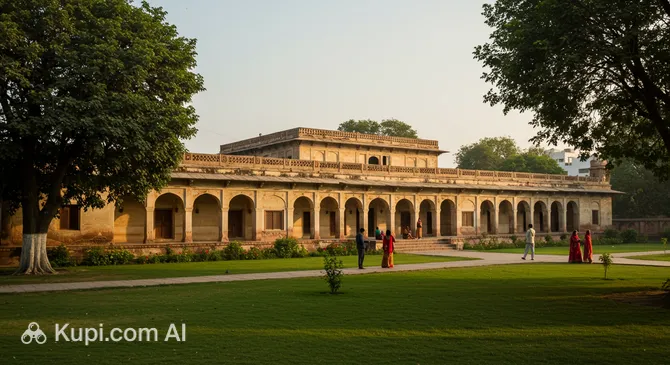
If you are looking for modern-level comfort, consider Hotel AMPS, which offers quality service and a convenient location. For those seeking an exclusive experience, The Baradari Palace is worth considering—this 19th-century heritage hotel is considered one of the best places to immerse yourself in the region's history.

The Baradari Palace. Illustration.
Source: Kupi.com AI

Traveler photos:

Most hotels are concentrated in the central part of the city, within walking distance of the Qila Mubarak complex and the main shopping streets. These are the most convenient areas to stay, as they provide easy access to the main attractions. It is recommended to book accommodation in advance, especially during local festivals or the winter season when the tourist flow increases.

Nearby Cities

Patiala serves as an excellent starting point for exploring the state of Punjab and neighboring regions, offering travelers convenient routes for short trips. Nearby are small but distinctive towns like Sanaur and Nabha, each possessing its own unique provincial charm.

Modern Chandigarh, located just 60–70 km away, is ideal for a full day trip. This is a city with unique architecture by Le Corbusier, beautiful gardens, and developed infrastructure. You might also consider a trip to Rajpura, an important industrial and commercial center, or visit the quiet settlements of Taran and Tora to see authentic rural Indian life.

CityPopulationDistance
Sanaur23 6748 km
Taran11 96514 km
Tora18 09321 km
Nabha67 97223 km
Rajpura112 19325 km

If you have a bit more time, you can head to Amritsar, home to the famous Golden Temple, or even to the nation's capital, Delhi. Thanks to the well-developed rail and bus connections, exploring the surroundings becomes an easy and pleasant addition to a visit to Patiala itself.

Shopping & Souvenirs

Shopping in Patiala is, first and foremost, an immersion into the vibrant world of traditional Punjabi crafts. The city is famous for its unique Phulkari embroidery, which can be found on dupattas (scarves), saris, and suits. Also, you cannot leave without a pair of Juttis—handmade leather shoes decorated with rich embroidery and beads.

The most atmospheric place for shopping is Kila Bazaar. This ancient market, located around the main fort, is striking in its chaos, colors, and aromas. Equally interesting are Bajaj Bazaar and Bartan Bazaar, where shops dating back to the 18th century sell everything from exquisite hair jewelry to copper cookware and fragrant spices.

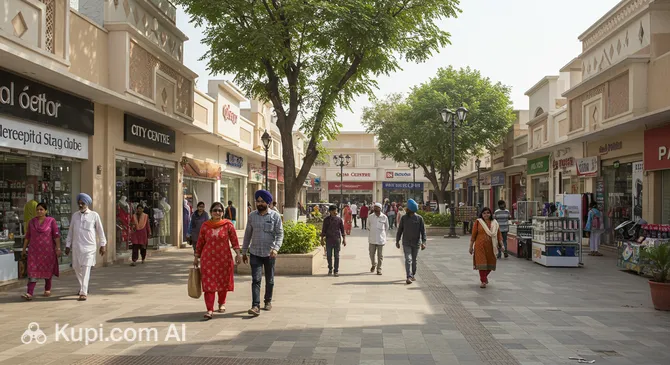
If you prefer a more modern shopping format, check out City Centre or Omaxe Mall. Here you can find clothing stores, cafes, and standard city services. While the selection of international brands is more modest here than in neighboring Chandigarh, these malls offer comfortable conditions for everyday purchases.

City Centre. Illustration.
Source: Kupi.com AI

Traveler photos:

Shops typically operate from 10:00 AM to 8:00 PM; many traditional market vendors may be closed on Sundays. Cash in Indian Rupees is preferred at the bazaars, while malls and large stores accept credit cards. Don't forget to haggle at the markets—it's part of the local culture and the best way to get a fair price.

Reached the end of the page?

That means the route is fully explored