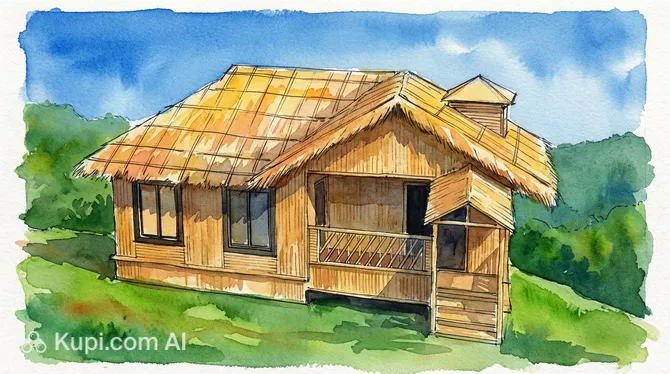
Reddiyapatti is a charming rural settlement nestled in the heart of Tamil Nadu, in southern India. Here, far from the bustle of major metropolises, an authentic way of life has been preserved, where ancestral traditions are closely interwoven with daily routine. With a population of about 8,500 people, the town represents a harmonious blend of agricultural land and spiritual tranquility.
Reddiyapatti. Illustration.
Source: Kupi.com AI
Geographically, the settlement is located in the arid but fertile terrain of the Ramanathapuram district. Agriculture and livestock farming form the backbone of local life, and the surrounding landscapes are adorned with endless fields. You can learn more about the cultural heritage and history of this region by strolling through its quiet streets, where traditional Tamil architecture tells the story of the past better than any textbook.
Visitors are drawn to the town by the opportunity to see the real India: vibrant festivals in local temples, the leisurely conversations of residents, and the authentic atmosphere of a South Indian village. We invite you to visit Reddiyapatti to experience sincere hospitality and discover the spiritual treasures of Tamil Nadu.
Weather Overview
A hot and humid tropical climate, typical of the southern part of India, prevails in Reddiyapatti. Summer arrives early here, and by May-June, thermometers often rise above the 35°C mark. The winter period, by contrast, pleases with mild warmth: in December and January, the average temperature is a comfortable 24-28°C.
Precipitation in the region is unevenly distributed and arrives with the monsoons. From June to September, the southwest monsoon prevails, and from October to December, the northeast monsoon period begins, which brings the heaviest rains. November is traditionally considered the wettest month, when up to 270 mm of precipitation can fall.
If you are planning a visit, the best time to appreciate the city's climate is from November to February. During this time, dry and moderately warm weather sets in, which is ideal for excursions and getting to know the local way of life without exhausting travelers with excessive heat.
Average monthly temperature
Average monthly precipitation
Interesting Facts
Connection to the legendary Rameshwaram: Reddiyapatti is located in the Ramanathapuram district, which is considered one of the most sacred in all of India due to its proximity to the Rameshwaram temple—one of the four Char Dham pilgrimage centers.
Agricultural traditions: The foundation of the local economy for centuries has been the cultivation of rice and vegetables, and land cultivation methods here still largely rely on ancient Tamil traditions.
Temple heritage: The nearby Shri Mariamman Temple in Silukkapatti is a vital pilgrimage site for residents of all surrounding villages, especially during annual religious festivals.
Authentic architecture: In the settlement, one can still find residential houses built in the traditional Tamil Nadu style, designed to provide natural ventilation in the hot tropical climate.
How to Get There
Reddiyapatti is a secluded rural settlement, so route planning requires some attention to detail. The main transport hub nearby is the city of Ramanathapuram, located approximately 30-40 kilometers away. More detailed information on logistics can be found in the section on how to get to the city.
Travelers arriving from other states or countries most often use the airports of major Tamil Nadu cities such as Madurai or Chennai. From these centers, the village can be reached by intercity buses or a rented car, which will take from 2 to 4 hours depending on the starting point of the journey.
The railway network connects the region with all key Indian cities. The nearest major station is in Ramanathapuram. From the station to Reddiyapatti, it is most convenient to travel by taxi or local shuttle buses, although it is worth considering that public transport in this rural area can be irregular.
Main Attractions
The Shri Mariamman Temple, located in the neighboring village of Silukkapatti, is considered the main spiritual center and architectural landmark of the region. This temple is a beautiful example of South Indian architecture with its majestic gopuram—a richly decorated entrance tower. For tourists, this place is interesting not only for its beauty but also for the chance to observe ancient rituals that have remained unchanged for centuries.
In Reddiyapatti itself and its surroundings, small shrines dedicated to various deities of the Hindu pantheon are scattered about. Each possesses its own unique atmosphere and history, reflecting the deep religiosity of the local people. A walk through these sites allows you to touch the living heritage of Tamil culture.
Beyond man-made monuments, the natural landscapes are also noteworthy. The rural countryside around the town, with its rice paddies and traditional farms, offers ideal conditions for those seeking solitude and wanting to enjoy the peaceful beauty of South Indian nature. It is an excellent place for ethnographic observations and leisurely walks.
Local Cuisine
The culinary traditions of Reddiyapatti are inextricably linked to classic Tamil cuisine. The staple diet consists of rice, legumes, and an abundance of aromatic spices. Be sure to try idli—delicate steamed rice flour cakes, and dosa—crispy thin pancakes usually served with sambar, a spicy vegetable stew, and coconut chutney.
Special attention should be paid to local soups: rasam, made with tomatoes, tamarind, and black pepper, is excellently toning in hot weather. Local food is characterized by the use of fresh curry leaves and mustard seeds, which give the dishes a unique South Indian aroma.
As for drinks, locals prefer the famous Indian filter coffee with milk or aromatic masala chai. Since Reddiyapatti is a small settlement, home cooking and small snack bars predominate here. For a more diverse gastronomic experience, you can head to Ramanathapuram, where traditional Tamil restaurants operate.
Travel Tips
A trip to Reddiyapatti is a great opportunity to see India in its unvarnished state, and to ensure your trip goes smoothly, we have prepared some practical tips.
Clothing: Choose light clothing made from natural fabrics, as it can get very hot in Tamil Nadu. When visiting temples, be sure to cover your shoulders and knees, and be prepared to remove your shoes before entering.
Transport: The best way to travel between villages is by taxi or a rented car with a driver. For trips to major cities, use buses from Ramanathapuram.
Finances: Cards are practically not accepted in Reddiyapatti. Always carry a sufficient supply of cash in rupees. The nearest ATMs are in Ramanathapuram.
Health: Always drink only bottled water. Bring sunscreen and insect repellent, especially if you plan to walk along the fields.
Communication: Locals speak predominantly Tamil. English is not widely spoken, so it is useful to have an offline translator or write down basic phrases in advance.
Etiquette: Greet people by folding your palms in the Namaste gesture. Avoid using your left hand for passing money or food, as this is considered impolite.
What to avoid: You should not photograph people in temples or during rituals without their explicit permission. Also, refrain from public displays of affection—this is not welcomed in conservative rural areas.
Best time: Plan your visit for the winter months (November – February), when the air temperature is most comfortable for walking.
May your encounter with the authentic culture of Tamil Nadu leave only the warmest and brightest memories!
Entertainment & Nightlife
Entertainment in Reddiyapatti is predominantly traditional and spiritual in nature. Life here follows the rhythm of rural daily life and the calendar of religious holidays. The most vivid impressions can be gained during major Hindu festivals such as Diwali, Pongal, or Navaratri, when local temples are filled with light, music, and solemn ceremonies.
Evening life in the settlement is very quiet and measured. There are no noisy clubs or bars, and the main activities revolve around walking and interacting with locals on the central streets. The atmosphere is conducive to meditative relaxation and deep immersion into the local culture. For those accustomed to urban comforts, small shops operate in the evening where you can drink tea and observe village life.
If you are looking for more active recreation or modern entertainment, such as cinemas and large restaurants, it is recommended to head to nearby Ramanathapuram or plan a trip to Madurai. The nightlife and cultural scenes there are much broader, offering tourists modern venues and entertainment centers.
Parks & Museums
In Reddiyapatti itself, you won't find large state museums or formal urban parks. The role of a museum here is played by the village itself and its surrounding temples, such as the temple in Silukkapatti, which preserve centuries-old traditions and ritual objects. A walk through the rural streets is a kind of excursion into the living history of the Tamil people.
The natural areas around the settlement are represented by picturesque agricultural lands. Endless rice fields and groves provide a peaceful backdrop for relaxation. These places can be particularly interesting for nature and birdwatching enthusiasts: the rural areas of Tamil Nadu are home to many species of tropical birds that are easy to spot during a morning walk.
For those who wish to visit traditional museums with historical exhibits, a trip to Ramanathapuram is recommended. There you will find cultural centers dedicated to the history of the region and its spiritual heritage. There are also nature reserves in the district where you can get acquainted with the flora and fauna of South India in a more organized environment.
Getting Around
The main form of public transport in Reddiyapatti is the bus. They connect the settlement with the nearest major city, Ramanathapuram, and other neighboring villages. However, it is worth considering that the schedule can be unpredictable, so it is best to check departure times with locals or at the bus station in advance.
To move around the settlement itself, residents most often use bicycles, motorcycles, and scooters. This is the most convenient way to navigate the narrow village streets. For tourists, hiring a taxi or renting a car with a local driver is recommended for comfortable trips around the area and sightseeing.
Since Reddiyapatti is a rural area, there are no subways or trams. Bus fares are paid in cash to the conductor. If you decide to use a taxi, the price of the trip should be agreed upon in advance. Keep in mind that mobile taxi apps may be unstable here, so it is better to use the services of local carriers.
Accommodation
In Reddiyapatti itself, tourist infrastructure is minimally developed, so finding a hotel directly in the village can be difficult. This place is better suited for those seeking an authentic experience; however, most travelers prefer to stay in larger nearby towns.
The best option for accommodation is the city of Ramanathapuram, located 30–40 kilometers away. A wide range of hotels is available there, from budget guesthouses to mid-range hotels with basic amenities, air conditioning, and Wi-Fi. Staying in Ramanathapuram will allow you to comfortably explore not only Reddiyapatti but also the famous temples along the coast.
If you plan to visit during major Hindu festivals, it is highly recommended to book accommodation in advance. During peak pilgrimage seasons, the demand for hotels in the Ramanathapuram region increases significantly, and the best options in terms of price and quality are snapped up very quickly.
Nearby Cities
Reddiyapatti is an excellent starting point for exploring the rural beauty and cultural treasures of Tamil Nadu. Nearby are small settlements, each with its own unique character.
Just a few kilometers away is the town of Nattam, where you can observe the daily life of the local population and visit colorful markets. Also worth noting is Punnappatti—a typical Indian village where time seems to have stood still. Larger cities like Ramanathapuram offer grand temple complexes, while Madurai will amaze you with its famous Meenakshi Temple.
City
Population
Distance
Nattam
29 759
4 km
Punnappatti
8 717
7 km
Kambur
8 866
11 km
Sirugudi
10 635
11 km
Kanavaypatti
8 602
13 km
Exploring the surroundings of Reddiyapatti will give you a wealth of impressions: from picturesque views of rice fields to chance encounters with local festive processions. Don't hesitate to peek into neighboring villages, as that is where the true soul of South India is hidden.
Shopping & Souvenirs
Shopping in Reddiyapatti primarily involves visiting small village shops and local bazaars. You won't find shopping malls here, but you can purchase essentials and fresh local produce. The atmosphere of these markets allows you to experience the true flavor of the Indian countryside.
For memorable souvenirs and a wider selection of goods, it is best to head to neighboring Ramanathapuram. There you will find shops offering traditional Tamil textiles, handmade wood carvings, and religious paraphernalia: figurines of deities, incense, and ritual items that make excellent gifts from your trip.
Particular attention should be paid to local fabrics with unique patterns characteristic of this region. Shops in the area usually operate from early morning until late evening, with a lunch break during the hottest hours. Payment is most often made in cash in rupees, as using bank cards in small rural shops can be difficult.