Support

Gaiety Heritage Cultural Complex

About

The Gaiety Heritage Cultural Complex, also known as the Gaiety Theatre, is not just a building, but a true gem of Shimla, located in the picturesque foothills of the Himalayas in India. This historic cultural center is one of the most iconic and visited landmarks, drawing art, history, and architecture lovers from all over the world.
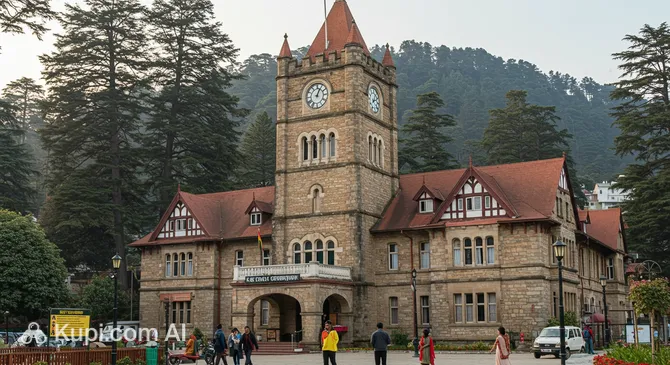
Gaiety Heritage Cultural Complex. Illustration.
Source: Kupi.com AI

Traveler photos:

The majestic five-story building of the complex is a striking example of colonial architecture, preserving the atmosphere of a bygone era. Built in the late 19th century, it served as the heart of cultural life for the British elite. Every detail of its facade and interiors tells a story, reflecting British influence on the culture and development of Shimla. Walking through its halls is a journey through time, allowing you to feel the spirit of old Shimla.

Located in the central part of Shimla, the Gaiety Complex remains a hub of attraction to this day. In the past, it witnessed grand balls and theatrical premieres when Shimla was the summer capital of British India and served as an entertainment center for British colonizers. Today, it hosts various cultural events: exhibitions, concerts, and plays, continuing the rich traditions of this unique place. A visit to the Gaiety Heritage Cultural Complex is a wonderful opportunity to touch history and enjoy vibrant cultural happenings.

Contacts

To get up-to-date contact information for the Gaiety Heritage Cultural Complex, including a phone number or email address, as well as opening hours, it is recommended to visit the official website of the attraction. You can also often find details on the tourism portals of Shimla or at local information centers upon arrival in the city.

How to contactContact
AddressRidge, Middle Bazar, The Mall, Shimla, Himachal Pradesh 171001, India
Websitewww.gaiety.in

What to Do

The Gaiety Cultural Complex in Shimla is a place where visitors can immerse themselves in the region's rich cultural heritage. The complex is a magnet for art lovers, as various events are held here regularly. You can enjoy theatrical performances, listen to musical concerts, or visit art exhibitions. These events reflect both traditional Indian culture and the influence of the British colonial period, making every visit unique.

One of the complex's main highlights is its historic architecture. The building is a magnificent example of colonial style, which is worth seeing in its own right. Inside, visitors will find fascinating exhibits about the history of Shimla and its important role as the former summer capital of British India. This is a great opportunity to learn more about the past of the city and the region.

In addition to the architecture and historical exhibitions, the Gaiety Heritage Cultural Complex provides a chance to discover the local arts and crafts of the state of Himachal Pradesh. This is an excellent opportunity to see authentic works that reflect the cultural diversity of India and offer a glimpse into the creative spirit of this amazing corner of the country.

Getting There

The Gaiety Heritage Cultural Complex is conveniently located in the central part of Shimla, making it easily accessible for tourists. There are several convenient ways to reach Shimla itself. The nearest airport is in Chandigarh, from where you can take a taxi or bus to Shimla. Regular trains and buses also run to Shimla from Delhi and other major cities in India, offering scenic routes for travelers.

Upon arrival in Shimla, reaching the Gaiety Heritage Cultural Complex is straightforward. Since the complex is centrally located, most hotels and other city attractions are within walking distance. This is a great opportunity to enjoy a stroll through the streets of Shimla. Additionally, local taxis or rickshaws are always available to quickly take you to your destination. The complex is situated near other popular tourist sites, such as Christ Church, making it easy to plan your itinerary.

Nearest city: Shimla

History & Facts

The Gaiety Cultural Complex in Shimla is more than just a building; it is a true witness to an entire era. It was built during the British colonial rule in India, during the period when Shimla, starting in 1864, held the status of the summer capital of British India. This was when the city began to develop rapidly, turning into a significant administrative and cultural center.

Interestingly, before the arrival of the British in the early 19th century, the site of modern Shimla was mostly covered by dense forest. The only exceptions were the Jakhu Temple and a few scattered residential buildings. However, in 1826, British officers, charmed by the local climate—which reminded them of London—began spending their summer holidays here. After the British administration acquired the land around the settlement in 1830, Shimla began to grow rapidly: while there were only 30 houses in 1830, the number impressively increased to 1,141 by 1881.

The Gaiety Heritage Cultural Complex was built as an integral part of this rapid development and quickly became the epicenter of social and cultural life for the British elite in Shimla. It hosted theatrical performances, concerts, balls, and other social events, making it an iconic venue for relaxation and networking among the privileged classes of colonial India. The building still preserves the atmosphere of those times, attracting history and architecture enthusiasts.

Time Needed

To fully appreciate the Gaiety Heritage Cultural Complex in Shimla, the average visitor is recommended to set aside approximately 1-2 hours. This is usually enough time to explore the main halls and exhibits located across the five floors of the historic building and gain a general impression of this iconic site.

The planned time is sufficient for a leisurely look at the architecture, checking out current exhibitions if any are held, and perhaps stopping by the souvenir shop. If you plan to attend a specific cultural event, such as a play or a concert, then your stay at the complex will be significantly longer and will depend on the duration of the event itself.

For a deeper immersion—for instance, if you are a fan of theater or history—you might need a little more time. However, for a general tourist visit to the Gaiety Heritage Cultural Complex, the mentioned 1-2 hours will be quite enough to feel the atmosphere of this unique place in India.

Working Hours

The Gaiety Heritage Cultural Complex in Shimla is an important cultural hub, and its opening hours may vary depending on events, exhibitions, and performances. Generally, the galleries and exhibition halls are open to the public during the day, but it is best to check the exact schedule in advance. Theatrical performances and concerts take place in the evenings according to the schedule.

It is highly recommended to check current opening hours and event schedules on the official website of the Gaiety Heritage Cultural Complex or contact local tourist information centers before planning your visit. Some performances or exhibitions may require advance ticket booking, especially for popular events. The complex generally operates year-round, but certain parts may be closed for maintenance or due to private events.

9:00 – 17:00

Nearby

Visiting the Gaiety Heritage Cultural Complex in Shimla is undoubtedly a highlight, but exploring its surroundings can significantly enrich your experience. Discovering nearby attractions will allow you to dive deeper into the city's atmosphere, find interesting new spots, and gain a more complete understanding of India's cultural and historical heritage.

There are several notable sites near the Gaiety Heritage Cultural Complex that are worth your attention. Walking around these areas doesn't take much time but will offer new discoveries and make your trip even more fulfilling.

NameDistance
The Ridge, Shimla0.1 km
Christ Church, Shimla0.2 km
The Brew Estate0.3 km
Amusement and Trampoline Park, Shimla0.4 km
Bantony Castle0.4 km
Amayaa Restaurant0.4 km
Pyramid Shimla0.5 km

Have you reached the end of the page?

So the route has been studied inside and out