Support

Lakshman Jhula

About

Lakshman Jhula is a famous suspension bridge in Rishikesh, a popular tourist and spiritual center near the city of Haridwar, India. Spanning the sacred Ganges River, this bridge is not just an engineering structure, but also an important spiritual and tourist hub that attracts visitors from all over the world.
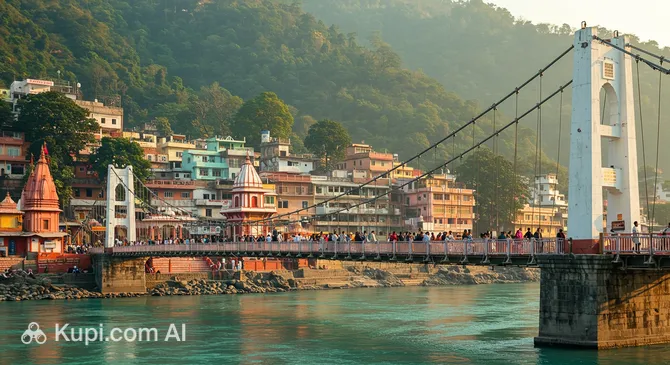
Lakshman Jhula. Illustration.
Source: Kupi.com AI

Traveler photos:

The bridge itself is an impressive metal suspension structure. It is approximately 137 meters long and stands about 20 meters above the turbulent waters of the Ganges. Lakshman Jhula serves as a vital pedestrian artery connecting the two banks of the river, and motorcycle traffic is also permitted. Walking across the swaying bridge offers an unforgettable experience and reveals picturesque views of the surrounding Himalayan foothills and the river.

In addition to its practical function, Lakshman Jhula holds deep symbolic and spiritual significance. According to legend, it was at this spot that Lakshmana, the brother of Lord Rama, crossed the Ganges on a jute bridge. Today, the area around the bridge is saturated with an atmosphere of holiness: numerous temples, ashrams (spiritual retreats), and small shops selling religious items and souvenirs are located here. This makes Lakshman Jhula a popular pilgrimage site and a center of lively tourist activity, where one can experience the unique spirit of India.

Contacts

Since Lakshman Jhula is an iconic public bridge in Rishikesh, direct contact details are generally not published. For the latest information regarding the operating hours of nearby facilities, potential access changes, or to clarify directions, it is best to consult the official tourism websites of Rishikesh or Haridwar, as well as local information centers. The bridge itself is easily accessible by foot or motorcycle; it connects the banks of the Ganges, and a stroll across it offers unforgettable views.

How to contactContact
AddressTaxi Stand, Laxman Jhula, Rishikesh, Jonk, Uttarakhand 249302, India

What to Do

A stroll across the Lakshman Jhula bridge itself is the first thing that attracts visitors. Crossing the Ganges on this suspension structure, you can enjoy breathtaking panoramic views of the river flowing below and the scenic hills surrounding Rishikesh. This spot is particularly popular with photographers, as you can take stunning shots here, especially at sunrise or sunset when the soft light paints the landscape in golden tones, creating a truly magical atmosphere.

Important spiritual centers are located in the immediate vicinity of Lakshman Jhula. Be sure to visit famous temples such as the Lakshman Temple, dedicated to Rama's brother, and the Trayambakeshwar Temple (also known as Tera Manzil). These shrines are beautiful examples of Hindu architecture and allow for a deeper immersion into the local culture and religious traditions. For those seeking spiritual enrichment, numerous nearby ashrams offer classes in yoga, meditation, and an introduction to various spiritual practices.

Beyond spiritual pursuits, the surroundings of Lakshman Jhula offer other pleasant activities. Many cozy cafes are situated along the embankment where you can relax and have a bite while enjoying the view of the Ganges. You will also find numerous shops selling souvenirs, religious items, clothing, and local handicrafts. It is a great place to sample traditional Indian cuisine and purchase memorable gifts.

Getting There

The Lakshman Jhula bridge is located in Rishikesh, approximately 5–6 kilometers from the city center. If you are already in Rishikesh, reaching this famous landmark is quite simple. You can use local auto-rickshaws—one of the most common ways to get around—or, if time and weather permit, enjoy a fascinating walk while taking in the views and atmosphere of this spiritual hub.

For travelers coming from Haridwar, which is about 25–30 kilometers away, the first step is a trip to Rishikesh. You can get there by taxi, a regular bus, or even by train to the Rishikesh railway station. The trip from Haridwar to Rishikesh usually takes about 45 minutes. Upon arrival in Rishikesh, Lakshman Jhula is easily reached by rickshaw or on foot.

If your journey begins in major cities across India, such as Delhi, trains and buses run regularly to Haridwar and Rishikesh. For those who prefer to fly, the nearest air hub is Jolly Grant Airport in Dehradun. From there, you can comfortably reach Lakshman Jhula by taxi; the trip takes approximately 40–60 minutes, depending on traffic.

Nearest city: Haridwar

History & Facts

The history of Lakshman Jhula is rooted in deep antiquity and is inextricably linked with Hindu mythology. According to legend, it was at this sacred site that Lakshmana, the loyal brother and companion of Lord Rama, crossed the turbulent waters of the Ganges. Legend has it that he used a simple jute rope bridge to cross from one bank to the other. This event, described in ancient texts, endowed the place with a special aura of holiness and marked the beginning of its veneration.

In memory of this legendary crossing and for the convenience of numerous pilgrims traveling to holy sites, the modern suspension bridge was built in 1929. This metal structure, which replaced earlier crossings, was named Lakshman Jhula, which literally means "Lakshmana's Bridge." From its opening, it immediately became a key element of pilgrimage routes, symbolizing not only the physical crossing of the river but also a spiritual quest and the pursuit of enlightenment.

Over time, Lakshman Jhula has become more than just an engineering feat or a part of a religious path. It has become a true hallmark not only of Rishikesh but of the entire picturesque Uttarakhand region. Today, the bridge attracts not only pilgrims following in the footsteps of ancient sages but also thousands of tourists from all corners of the planet. They are drawn here by the desire to touch millennia-old traditions, experience the special energy of this place, and, of course, enjoy the breathtaking views of the sacred Ganges and the surrounding Himalayan foothills.

Time Needed

To simply cross the Lakshman Jhula bridge, enjoy the views of the Ganges and the surrounding landscape, and take a few photos, you will likely need about 1-1.5 hours. This time will be enough to feel the atmosphere of the place, watch the busy traffic, and perhaps peek into a couple of nearby shops.

However, if you plan a deeper immersion and want to visit nearby temples, such as the Lakshman Temple or Trayambakeshwar, visit one of the ashrams, or even participate in a short yoga or meditation class, you should set aside 3 to 4 hours. There are also many cafes and shops in the vicinity of the bridge, so if you want to have a leisurely lunch or go shopping, your stay will naturally increase.

Thus, on average, for a full introduction to Lakshman Jhula and its nearby attractions without rushing, but also without long stops in each place, you can aim for 1.5-2 hours. If your plans include a more detailed study of temples, ashrams, or participation in any activities, it is better to plan at least 3-4 hours.

Working Hours

Lakshman Jhula is a public bridge and, according to available information, it is open to visitors 24/7 year-round. This means you can cross it at any time convenient for you, day or night. Access to the bridge is free, so no advance ticket booking or registration is required.

Despite its 24-hour accessibility, for safety reasons and to fully enjoy the views, it is recommended to visit Lakshman Jhula during daylight hours. During this time, you can better see the surrounding landscapes and take beautiful photographs. No special tickets or permits are needed to walk across the bridge.

DayOpening hours
Monday9:00 – 21:00
Tuesday9:00 – 21:00
Wednesday9:00 – 9:30
Thursday9:00 – 21:00
Friday9:00 – 21:00
Saturday9:00 – 21:00
Sunday9:00 – 21:00

Nearby

Although Lakshman Jhula is an iconic place in its own right, full of charm and spirituality, exploring its surroundings can significantly enrich your experience of visiting Haridwar and its environs. Near this famous bridge, other interesting sites are located that will allow you to dive deeper into the unique atmosphere of this region of India.

From ancient temples to cozy cafes and scenic nature spots, nearby attractions offer a variety of experiences. This is an excellent opportunity to expand your itinerary and discover new facets of this amazing place, known for its spiritual power and natural beauty.

NameDistance
Shivani's Cafe0.3 km
Little Amsterdam1.1 km
Ganga Beach1.2 km
Ram Jhula1.5 km
Parmarth Niketan Ashram1.8 km
The Beatles Ashram2.3 km
Neer Waterfall2.4 km

Have you reached the end of the page?

So the route has been studied inside and out