Support

Ram Jhula

About

Ram Jhula is an iconic suspension bridge that has become a hallmark of the sacred cities of India. Although it is often associated with trips to Haridwar, the bridge is actually located in the neighboring city of Rishikesh. It spans the sacred Ganges River, connecting two important spiritual centers: Sivananda Nagar and Swargashram. It is not just a transport artery, but also a popular spot for pilgrims and tourists who come here for its unique atmosphere.
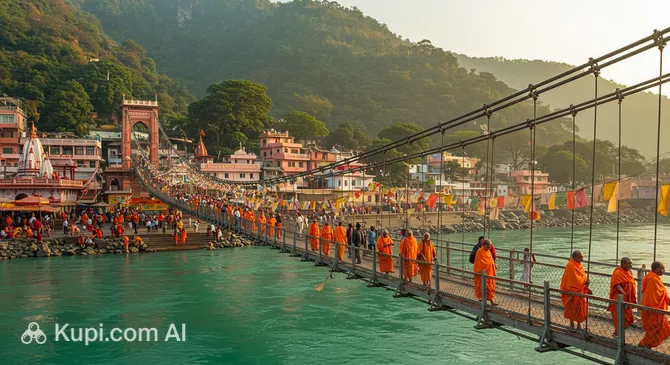
Ram Jhula. Illustration.
Source: Kupi.com AI

Traveler photos:

From an engineering standpoint, Ram Jhula is an impressive structure. It is approximately 450 feet (about 137 meters) long. The bridge's design was specifically engineered to withstand the powerful currents of the Ganges, especially during the monsoon season, making it a true example of engineering prowess. The bridge's architecture harmoniously blends traditional design and functionality.

Along with the neighboring Lakshman Jhula bridge, Ram Jhula is one of the most recognizable landmarks in Rishikesh. Walking across it offers a chance to enjoy breathtaking views of the river, surrounding temples, and ashrams. The bridge is constantly full of life: pilgrims, locals, and tourists stroll along it, creating the unique atmosphere of India's spiritual heart.

Contacts

Since Ram Jhula is a public structure and a popular tourist attraction, it does not have a dedicated administrative office or direct contact details for visitors. All necessary information is usually available on-site. If you have any questions, you can contact tourist information centers in Rishikesh or one of the many local travel agencies that can help you find your way.

How to contactContact
AddressSwarg Ashram, Rishikesh, Uttarakhand 249137, India

What to Do

A visit to Ram Jhula is, above all, an unforgettable walk. Crossing the bridge, you can enjoy picturesque views of the sacred Ganges River and the surrounding greenery. It is an ideal place to take impressive photos or simply meditate while contemplating the panorama of the city and mountains in the distance. The atmosphere here is filled with tranquility despite the constant movement of pilgrims and tourists.

The area around the bridge is equally interesting, as it is dotted with numerous ashrams and temples. The legendary Beatles Ashram (officially known as the Maharishi Mahesh Yogi Ashram) is particularly popular, having gained worldwide fame after the band's visit in 1968. Additionally, there are many yoga and meditation centers nearby where you can join a class or take a short course.

In the evening, be sure to attend the Aarti ceremony at Triveni Ghat or Parmarth Niketan Ashram—it is a colorful and mesmerizing spectacle during which believers pay their respects to the Ganges with fire and chants. After your spiritual practices, you can stroll through local markets and shops selling souvenirs, religious items, and Ayurvedic products. Numerous cafes and eateries offer local vegetarian cuisine, rounding off a busy day with pleasant gastronomic experiences.

Getting There

To reach the Ram Jhula bridge, you first need to arrive in the city of Rishikesh, located in the state of Uttarakhand. The most convenient way is by air. The nearest airport to Rishikesh, Jolly Grant, is in Dehradun, about 20 kilometers away. From there, you can easily reach Rishikesh by taxi or bus, which takes about 45-60 minutes.

For those who prefer traveling by rail, the nearest major station is located in Haridwar. Buses and taxis regularly depart from there for Rishikesh. There is also a direct rail connection to Rishikesh itself, though train services might be less frequent. Additionally, you can reach Rishikesh from Delhi by bus, covering a distance of about 230-240 km. This trip usually takes 5 to 6 hours, depending on traffic conditions.

Once in Rishikesh, finding the Ram Jhula bridge is easy. It is within walking distance of many hotels, ashrams, and guesthouses. The bridge can be quickly reached by local transport, such as an auto-rickshaw or taxi, from anywhere in the city. A walk to Ram Jhula from the neighboring famous Lakshman Jhula bridge takes about 20 minutes.

Nearest city: Haridwar

History & Facts

The Ram Jhula bridge was built relatively recently, in the late 1980s, but its history is rooted in ancient legends. It is named after Lord Rama, one of the most revered deities in Hinduism. It is believed that the bridge is located near the spot where Rama, along with his brother Lakshmana, crossed the sacred Ganges River during his exile. This fact gives the structure special spiritual significance and makes it an important pilgrimage site for believers from all over India.

In addition to its religious significance, Ram Jhula plays a key role in the modern life of the region. It has become a vital element contributing to the development of tourism and supporting the local economy. The bridge not only connects the banks of the Ganges but also serves as a magnet for various cultural events. For example, it has become one of the venues for the famous International Yoga Festival, attracting participants from around the world.

Today, Ram Jhula is more than just a bridge; it is a true symbol of the spiritual heritage of Rishikesh and an essential part of the tourist route through northern India. It harmoniously combines ancient mythology and modern life, where flows of pilgrims mix with tourists, and the sounds of prayers blend with the bustling trade on the adjacent streets. This unique atmosphere makes a walk across the bridge one of the most memorable moments of a trip.

Time Needed

When planning a visit to the Ram Jhula bridge, keep in mind that the duration depends on your interests. If you only want to take a walk across the bridge itself, 1–2 hours will be quite enough. During this time, you can leisurely walk from one bank of the Ganges to the other, take impressive photos against the backdrop of the river and mountains, and observe the colorful life bustling on and around the bridge.

For a deeper acquaintance with this iconic site and its surroundings, it is better to set aside half a day or even a full day. This will allow you to explore the numerous ashrams and temples located on both sides of the river without rushing, visit local markets for souvenirs and Ayurvedic goods, and relax in one of the cozy cafes overlooking the Ganges. Fully immersing yourself in the spiritual atmosphere of this area of Haridwar and neighboring Rishikesh requires time to feel its unhurried rhythm.

Working Hours

Since Ram Jhula is a public structure, it is accessible 24/7 all year round. You don't need to purchase tickets or book anything in advance to walk across the bridge, making it very convenient for all travelers. You are free to come here at any time of the day or night.

Despite its 24-hour accessibility, for safety and the best experience, it is recommended to visit the bridge during daylight hours when the most picturesque views of the Ganges and surrounding temples open up. Ram Jhula is especially beautiful at sunrise and sunset—during these times, the soft sunlight creates a unique, almost mystical atmosphere over the sacred river.

Open 24 hours

Nearby

A visit to the Ram Jhula bridge is just the starting point for exploring the rich spiritual and cultural landscape that surrounds it. Exploring the surroundings will allow you to dive deeper into the unique atmosphere of this sacred region of India. Just a few steps from the bridge, you'll find ancient temples, peaceful ashrams, and scenic nature spots, each telling its own story.

Strolling through the area will enrich your experience and reveal new facets of this amazing place. You can not only see iconic landmarks but also feel the slow pace of life, observe rituals on the banks of the Ganges, and perhaps find your own spot for meditation. Below is a list of interesting places located in the immediate vicinity of the bridge.

NameDistance
Ganga Beach0.3 km
Little Amsterdam0.6 km
Parmarth Niketan Ashram0.6 km
The Beatles Ashram1.3 km
Lakshman Jhula1.5 km
Shivani's Cafe1.8 km
Triveni Ghat2.7 km

Have you reached the end of the page?

So the route has been studied inside and out