Support

Haridwar

About

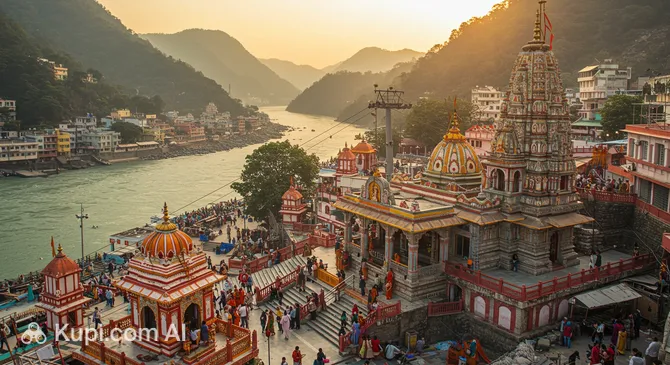
Haridwar is one of the seven holiest cities in Hinduism, located in the Himalayan foothills in northern India. This ancient city literally breathes spirituality and attracts pilgrims and tourists from all over the world with its unique atmosphere and its location where the sacred Ganges River descends from the mountains to the plains, beginning its journey across the fertile lands.

The city is situated in the state of Uttarakhand, at the foot of the Shivalik mountain range. The population of Haridwar is approximately 228,832 people. The climate here is subtropical monsoon: summers are hot, with temperatures reaching up to +40°C, the monsoon season brings relief from July to September, and winter (from November to February) is mild and pleasant, making this period particularly comfortable for visiting.
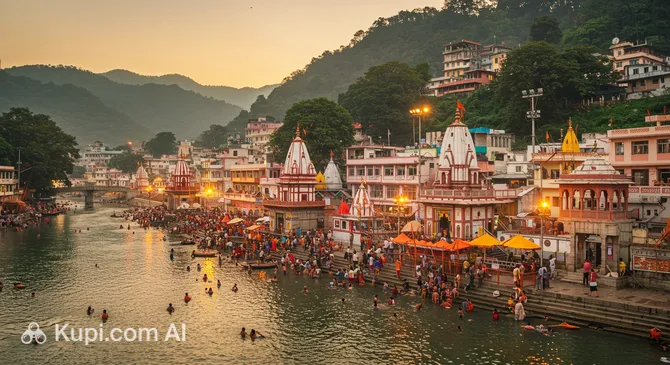
Haridwar. Illustration.
Source: Kupi.com AI

Among the many shrines and interesting places in Haridwar, Har Ki Pauri stands out — a famous ghat (stepped embankment) where, according to legend, Lord Vishnu left his footprint. Every evening, the mesmerizing Ganga Aarti ceremony takes place here — a fire worship ritual to the river Ganges that gathers thousands of believers and curious tourists. It is also worth visiting the hilltop temples, such as Mansa Devi and Chandi Devi, which offer breathtaking panoramic views of the city, the Ganges, and the surrounding mountains. These temples can be reached by cable car, which is a small adventure in itself.

Visiting Haridwar is an opportunity to touch ancient traditions, feel the incredible energy of this holy place, and witness deep faith. It is a journey that leaves a deep mark on the soul and gives unforgettable impressions to everyone seeking spiritual enrichment or simply wanting to get acquainted with the amazing culture of India.

You can find more interesting facts on the Haridwar city history page
Weather Overview

The weather in Haridwar is subject to distinct seasonal variations. Expect hot summers, especially from April to June, when maximum temperatures regularly rise above 30-35°C. The summer heat is followed by the monsoon season, which lasts roughly from July to September, bringing heavy rainfall; July and August are the wettest months with the highest number of rainy days. Winters in Haridwar, from December to February, are generally cool and relatively dry, with average temperatures around 12-15°C, although night temperatures can drop below 7°C. November stands out as the driest month. For detailed monthly weather information, please visit the Haridwar Climate page.

Average monthly temperature

Average monthly precipitation

Interesting Facts

Beyond its world-famous ghats and temples, Haridwar holds many surprising stories and lesser-known details that make it even more alluring for the curious traveler. Here are just a few of them:

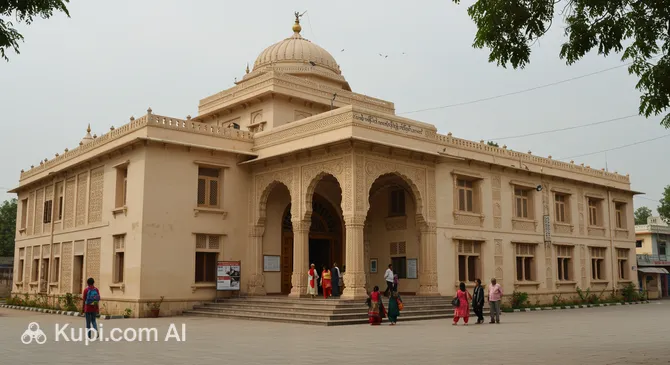
BHEL Museum. Illustration.
Source: Kupi.com AI

Traveler photos:

  • The name of the city itself, Haridwar, carries deep meaning. It translates as "Gateway to Hari" (Lord Vishnu) or "Gateway to Hara" (Lord Shiva), emphasizing its role as the starting point for pilgrimages to the major Himalayan shrines — the Char Dham.

  • According to ancient legend, the river Ganges, not wanting to disturb the meditation of seven great sages (Saptarishis), divided into seven streams at this spot. The place where this happened is known as Sapt Sarovar, and it is home to the Sapt Rishi Ashram, which preserves the memory of this event.

  • Despite its ancient and spiritual appearance, Haridwar is home to one of India's largest industrial enterprises — Bharat Heavy Electricals Limited (BHEL). The city even features the BHEL Museum, showcasing the history and achievements of this heavy engineering giant, creating an interesting contrast with the religious atmosphere.

  • As a sign of respect for the holiness of the site, the sale and consumption of meat and alcoholic beverages are strictly prohibited in the central areas of Haridwar adjacent to the Ganges and the main temples. This rule is strictly followed, maintaining an atmosphere of purity and spirituality.

How to Get There

Haridwar is an important pilgrimage and tourist center, so transport links here are quite well-developed. You can choose the most convenient route for you, whether by plane, train, or bus. For those who want to study all possible options in detail, we have prepared a special page on how to get to Haridwar.

Haridwar city does not have its own airport, but you can fly into Dehradun Airport (IATA: DED), also known as Jolly Grant. It is located in the city of Dehradun and is the nearest air hub, situated just 27 km from Haridwar. A taxi ride from here takes about 40–60 minutes, making this the fastest option for air travelers. The airport receives many domestic flights from major Indian cities.

An alternative option is Chandigarh Airport (IATA: IXC), located in Chandigarh city at a distance of about 155 km from Haridwar. This is a larger transport hub with high passenger traffic. The journey from there by taxi or bus takes about 3.5–4.5 hours. This option might be convenient if you don't find suitable flights to Dehradun.

For convenience, here is summary information on the main airports used to reach the region:

AirportPassenger trafficDistance
Dehradun Airport1.7 mln27 km
Chandigarh Airport3.6 mln155 km
Ghaziabad (Hindon)1.8 mln158 km
Pantnagar Airport101 013162 km
Simla25 493164 km

Rail travel is one of the most popular and budget-friendly ways to reach the city. The central station, Haridwar Junction (code: HW), is located in the heart of the city and receives direct trains from Delhi, Kolkata, Mumbai, Varanasi, and other metropolises. A train journey, especially on the fast "Shatabdi Express" from Delhi, takes about 4–5 hours and is considered very comfortable.

Haridwar is also easily accessible by car or bus thanks to the developed network of national highways (NH 334). Regular state and private buses run from Delhi (Kashmere Gate ISBT) and other cities in North India, offering both budget and air-conditioned luxury options.

Main Attractions

Haridwar, being one of the sacred centers of India, offers visitors many unique places steeped in spirituality, history, and natural beauty. Here are some of the key attractions to include in your itinerary to fully experience the atmosphere of this amazing city and its surroundings:

One of the most revered shrines is the Mansa Devi Temple. Located atop Bilwa Parvat hill, this temple is dedicated to the goddess Mansa Devi, who is believed to fulfill the wishes of her devotees. Visiting the Mansa Devi Temple is a significant event for pilgrims, who tie sacred threads to the branches of a tree growing on the temple grounds in hope of having their requests granted. You can reach the temple by cable car, which is a small adventure offering breathtaking views of Haridwar and the sacred Ganges River.

Mansa Devi Temple, Haridwar. Illustration.
Source: Kupi.com AI

Traveler photos:

Equally significant is the Chandi Devi Temple, standing on Neel Parvat hill. It is dedicated to the goddess Chandi, a form of Durga, and according to legend, was built on the spot where the goddess killed the demons Shumbha and Nishumbha. A ropeway also leads to this temple, and truly magnificent panoramas of the city and surrounding nature open up from its height. Both Mansa Devi and Chandi Devi temples are important pilgrimage centers attracting many believers and tourists.

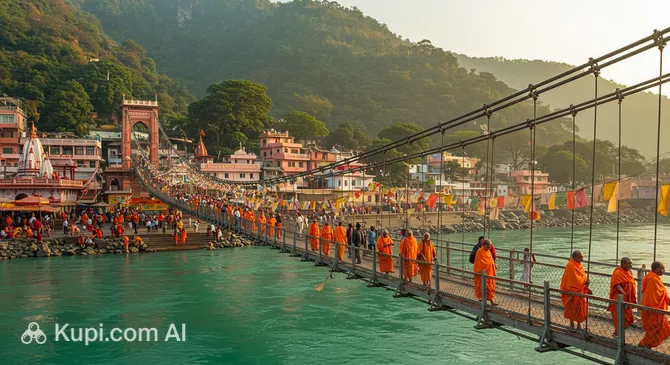
The famous suspension bridge Ram Jhula, stretching across the Ganges in nearby Rishikesh, is also an iconic landmark of the region. Although it is not located in Haridwar itself, many tourists visit it as part of their trip. This bridge, like its "sibling" Lakshman Jhula, holds great importance, connecting ashrams and temples on different banks of the river. A walk across Ram Jhula allows you to enjoy views of the rushing waters of the Ganges, the surrounding hills, and the lively life on the ghats.

Ram Jhula. Illustration.
Source: Kupi.com AI

Traveler photos:

For those interested in yoga and spiritual practices, a visit to the Parmarth Niketan Ashram is a must. This is one of the largest and most famous ashrams in Rishikesh, located on the banks of the Ganges. Parmarth Niketan Ashram is renowned for its yoga and meditation courses, as well as its impressive evening Ganga Aarti ceremony, which draws hundreds of people daily. The atmosphere here is peaceful and inspiring, conducive to self-discovery and spiritual growth.

Nature and wildlife enthusiasts should definitely head to Rajaji National Park. This vast reserve, located near Haridwar, is home to a rich variety of flora and fauna. Rajaji National Park is particularly famous for its population of Asian elephants, but you can also find tigers, leopards, deer, and many bird species here. A safari through the park is a unique opportunity to see India's wilderness in all its beauty.

Rajaji National Park. Illustration.
Source: Kupi.com AI

Traveler photos:

Local Cuisine

The gastronomic world of Haridwar is a unique immersion into the traditions of India's vegetarian cuisine, infused with the sacred spirit of this place. Due to the city's religious significance, you won't find meat dishes here, and alcohol is virtually absent, especially in areas adjacent to the ghats and temples. This makes the culinary experience in Haridwar truly special, offering pure, or Sattvic, food, which is believed to promote clarity of mind and spiritual balance.

Be sure to try classic North Indian dishes prepared here with exceptional skill. One of the most popular is Aloo Puri: a fragrant potato curry served with hot, fluffy, deep-fried puri bread. Another iconic dish is Kachori Sabzi, a crispy fried flatbread with a spicy lentil filling, usually accompanied by a spicy vegetable stew. Haridwar is also famous for its exquisite dairy products and sweets (mithai), such as pedha, jalebi, and various types of laddu, made from fresh milk, ghee (clarified butter), and sugar.

As for beverages, masala chai is ubiquitous — a fragrant black tea with spices and milk that warms and energizes. In hot weather, refresh yourself with a glass of lassi — a traditional Indian yogurt-based drink that can be either sweet or salty. As mentioned, alcoholic drinks are extremely hard to find in Haridwar, reflecting its status as a holy city.

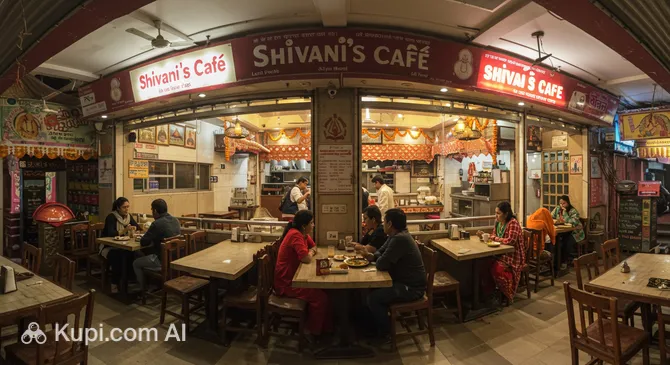
The food culture in Haridwar is very accessible. Locals and pilgrims often prefer eating in small street cafes known as dhabas, which serve simple but incredibly tasty and authentic food at affordable prices. Street food here is a whole kaleidoscope of flavors: from various chaats (savory snacks) to freshly squeezed juices. Many ashrams also offer simple vegetarian meals. If you are looking for a more comfortable setting, the city also has restaurants serving local cuisine; for example, you can visit Cafe Shivani to try local specialties. The food scene in Haridwar is not just about sustenance; it is part of the spiritual experience, reflecting the purity and traditions of this amazing place.

Shivani's Cafe. Illustration.
Source: Kupi.com AI

Traveler photos:

Travel Tips

Welcome to Haridwar, one of the holiest cities in India! To ensure your journey to the banks of the Ganges is as comfortable and memorable as possible, we have prepared some practical tips. They will help you navigate this amazing place and avoid potential inconveniences.

  1. Clothing and Essentials: The climate in Haridwar changes throughout the year. In summer (April-June) and during the monsoon season (July-September), choose light cotton clothing. In winter (November-February), warm clothes and a jacket are necessary, especially in the evenings. Be sure to bring comfortable shoes for walking along the ghats and visiting temples. When visiting religious sites (e.g., Har Ki Pauri, Mansa Devi and Chandi Devi temples), a dress code must be observed: clothing should cover shoulders and knees for both men and women. Women may find a headscarf or shawl useful for covering their heads. Don't forget a universal travel adapter for charging your devices.

  2. City Transport: The main modes of transport in Haridwar are auto-rickshaws (tuk-tuks) and cycle-rickshaws for short distances. Agree on the fare in advance. Public buses also run but can be overcrowded and difficult for tourists to navigate. Taxis are available, and you can check the availability of ride-hailing apps like Ola or Uber, which are popular in many Indian cities. Renting a car to drive within Haridwar itself is not recommended due to narrow streets and heavy traffic.

  3. Finances: The local currency is the Indian Rupee (INR). You can exchange currency at banks or authorized exchange bureaus; avoid street money changers. Credit and debit cards (Visa, Mastercard) are accepted in major hotels, restaurants, and some shops, but for small purchases, rickshaw fares, and at markets, always carry cash with you. ATMs are fairly common. A rough daily budget can vary, but for a comfortable trip, aim for 2000-4000 Rupees per day, excluding accommodation. Tipping is appreciated (5-10% in restaurants if a service charge is not included; small amounts for porters and drivers).

  4. Health and Safety: Pharmacies (chemist shops) are easy to find, and many offer a wide range of medications. For serious medical assistance, contact local hospitals or clinics; travel insurance is highly recommended. Haridwar is generally safe, especially in pilgrimage areas during the day. However, as in any crowded place, beware of pickpockets, particularly at ghats, train stations, and on buses. Avoid walking alone in poorly lit or deserted places at night. Drink only bottled water and be selective when choosing street food — prefer busy and clean stalls.

  5. Communication: The main language is Hindi. In tourist zones, hotels, and among the youth, many speak and understand English. Learning a few simple Hindi phrases, such as "Namaste" (Hello/Hi), "Dhanyavad" (Thank you), and "Kitna?" (How much?), will be appreciated by locals. A local SIM card (e.g., Airtel, Jio) can be purchased by providing your passport and visa. Wi-Fi is available in most hotels and some cafes. Additionally, mobile apps can be useful for navigation and communication. For example, offline maps in Google Maps or Maps.me will help you navigate without internet access, and Google Translate can facilitate translations. It is also worth looking for official tourism apps for the state of Uttarakhand or Haridwar itself, if available — they may contain up-to-date information on attractions and events.

  6. Local Etiquette and Traditions: Greet people with "Namaste" while placing your palms together at chest level. Show respect for local customs and religious feelings. Always remove your shoes before entering temples and homes. Take photos of people, especially during religious rituals, only with their permission. In Haridwar, as a holy city, public displays of affection are not customary, nor is the consumption of alcohol and meat near sacred sites.

  7. What to Avoid: Categorically avoid consuming alcohol and non-vegetarian food in public places, especially in the areas of ghats and temples — this may be seen as a serious offense. Also, avoid getting into arguments over religious topics or criticizing local beliefs. Be wary of offers for "special" pujas (religious ceremonies) for large sums of money from strangers at the ghats.

  8. Special Advice for Haridwar: Attending the evening Ganga Aarti ceremony at Har Ki Pauri is an unforgettable experience. Arrive early to get a good spot, as large crowds gather. If you decide to take a dip in the Ganges, do so only in designated safe areas (ghats) and be aware of the current. For women, modest clothing is recommended even while bathing.

We hope these tips help you plan a memorable and harmonious trip to Haridwar. May your journey be filled with vivid impressions and spiritual discoveries!

Entertainment & Nightlife

Haridwar, known primarily for its spiritual atmosphere and as a pilgrimage center, offers its guests more than just daytime rituals and visits to shrines. As the sun sets, the city doesn't go to sleep entirely, and for those looking for ways to spend the evening, there are options for relaxation and entertainment, albeit with the city's special status in mind.

Nightlife in Haridwar has its own character and differs significantly from bustling metropolises. You won't find districts filled with noisy nightclubs here. However, there are places in the city where you can have a pleasant evening. These are typically modern bars and lounge areas within hotels, as well as independent establishments catering to tourists and young people. Such places are mostly concentrated in the newer parts of the city or within major hotel complexes, somewhat away from the main ghats and temples where alcohol rules are strictly observed. The atmosphere in these venues is usually calm and relaxed, perfect for conversation. Most of them operate until late evening, around 11:00 PM or midnight. The dress code is generally casual, though a neat appearance is appreciated.

Among the places where you can relax in the evening, it's worth noting, for example, the Blue Sapphire Bar, which offers drinks and snacks in a modern setting. Another place to check out is Little Amsterdam, positioned as a venue to listen to music. The Stash House is also popular, known for its cozy atmosphere. Regarding prices, the average cost of a cocktail or other alcoholic beverage in such bars can range between 300-700 Indian Rupees, depending on the establishment. Entrance fees to clubs, if any, are usually low or may take the form of a deposit, especially on weekends, but entry is often free, particularly in hotel bars.

Blue Sapphire Bar. Illustration.
Source: Kupi.com AI

Traveler photos:

When planning an evening out, keep transportation in mind. Auto-rickshaws are the main way to get around, but it's best to agree on the price in advance, especially at night when fewer may be available. A short trip across the city in the evening might cost 100-300 Rupees. It's a good idea to pre-book a taxi through your hotel or try using ride-hailing apps if they are active in the region. In terms of safety, Haridwar is generally peaceful, but in the evening, as anywhere else, it's better to stick to well-lit and crowded streets, especially if you are traveling alone. Avoid poorly lit alleys away from tourist zones.

During the day, Haridwar and its surroundings offer other types of entertainment for those seeking variety after spiritual practices. You can visit, for instance, the BHEL Museum to learn about the region's industrial side. For family leisure and active time, amusement parks like Crystal World or Shivpuri Thrill Factory offer attractions for visitors of all ages. Thus, in Haridwar, you can find activities to suit your taste at any time of day, combining spiritual enrichment with more secular entertainment.

Parks & Museums

Haridwar, a city of deep spirituality, offers its guests not only sacred ghats and temples but also the opportunity to relax in nature and connect with its cultural heritage through parks and museums. These places reveal another side of the city, complementing the pilgrimage experience with moments of tranquility and learning.

For nature and fresh air enthusiasts, Haridwar and its surroundings offer several wonderful spots. The primary one is undoubtedly Rajaji National Park, already mentioned as one of the key attractions. This vast reserve is a true wildlife oasis where you can see elephants, tigers, and many species of birds, making it an ideal place for eco-tourism and safaris. While it's not a park in the urban sense, its proximity and significance to the region are immense.

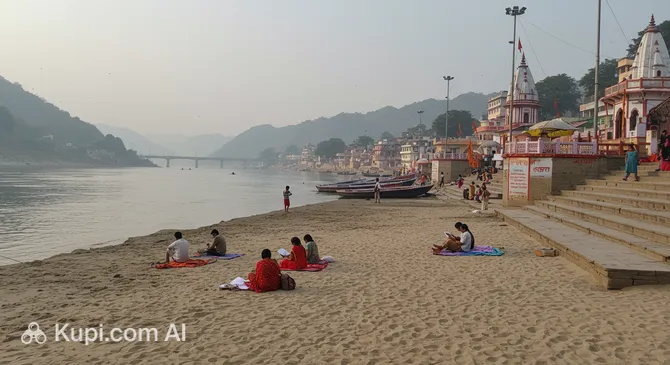
A more accessible place for relaxing by the water is Ganga Beach. This isn't a typical seaside beach, but rather a stretch of the sacred riverbank where you can spend time enjoying the views and a relatively calm atmosphere away from the busiest ghats. It's a good spot for meditation or simply quiet contemplation of the Ganges' flow.

Ganga Beach. Illustration.
Source: Kupi.com AI

Traveler photos:

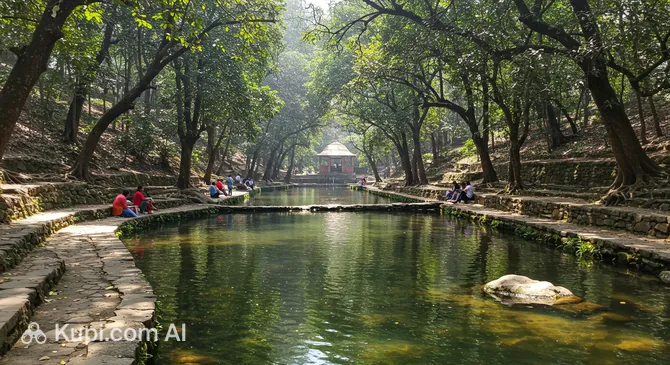
If you're traveling with family or just looking for a place for a picnic and rest, consider Lachhiwala Park. This popular water park and recreation area among locals is known for its shady groves and small pools where you can even take a dip in cool water. It's a great option for a relaxed day in nature, especially in hot weather.

Lachhiwala Nature Park. Illustration.
Source: Kupi.com AI

Traveler photos:

The cultural life of Haridwar is also reflected in its museums. An interesting contrast to the city's spiritual atmosphere is the BHEL Museum. It is dedicated to the history and achievements of Bharat Heavy Electricals Limited, one of India's largest industrial enterprises, located in Haridwar. The museum's exhibits tell the story of the technological development of the region and the country as a whole, making it informative for those interested in industrial history.

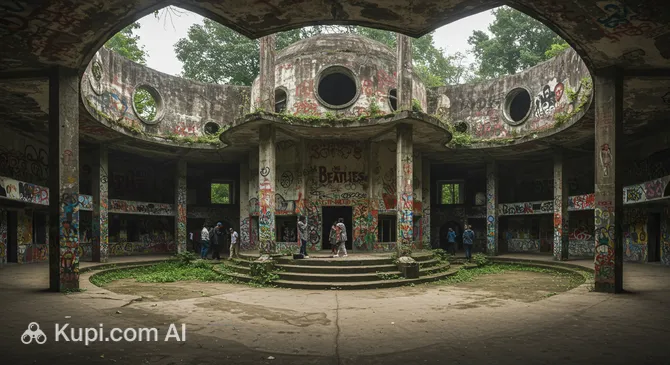
Not far from Haridwar, in Rishikesh, lies the legendary Beatles Ashram (Maharishi Mahesh Yogi Ashram). This site became world-famous after members of The Beatles visited in 1968. Today, the abandoned ashram attracts tourists with its unique atmosphere, vibrant graffiti on the walls of dilapidated meditation domes, and the chance to touch 1960s counterculture history. It's more of an informal open-air museum, but its cultural significance is undeniable.

The Beatles Ashram. Illustration.
Source: Kupi.com AI

Traveler photos:

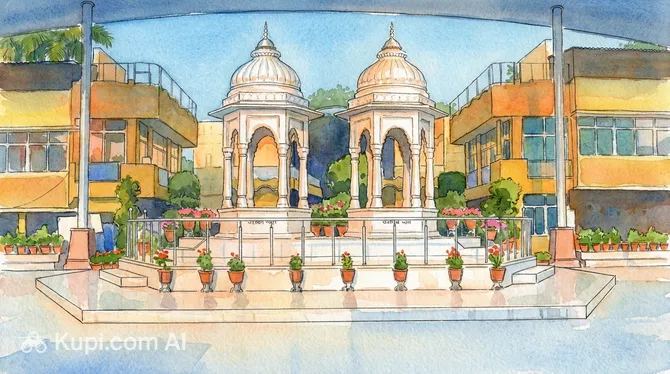
Another place combining spirituality and cultural education is Shantikunj, Gayatri Pariwar. This is a major spiritual and educational center with exhibitions covering ancient Vedic traditions, Indian culture, and science, as well as the lives of the movement's founders. A visit to Shantikunj allows for a deeper understanding of the philosophical foundations of Hinduism and its contribution to world culture, as well as a look at how followers of this teaching live and practice.

Shantikunj, Gayatri Parivar. Illustration.
Source: Kupi.com AI

Traveler photos:

For an authentic experience, beyond the well-known sites, take a walk through the less touristy streets of the old city, where you can discover small but very colorful local temples and ashrams, each with its own unique story. Also, look out for small craft exhibitions sometimes organized by local artisans — it's a chance to see and purchase unique souvenirs made with soul.

Getting Around

Getting around Haridwar is fairly simple, although the city doesn't boast a developed metro or tram system like major metropolises. The transport system here is based on more traditional Indian modes of transport, which allow you to easily reach most attractions and shrines.

The main "workhorses" in Haridwar are auto-rickshaws (tuk-tuks) and cycle-rickshaws. Auto-rickshaws are faster and more convenient for longer distances within the city, while cycle-rickshaws are great for short trips through the narrow streets of the old city or along the ghats. It is critically important to agree on the fare before starting the trip, as meters are mostly non-existent. Don't hesitate to bargain; it's common practice. The approximate cost of a short auto-rickshaw trip might be 50-150 Indian Rupees, while cycle-rickshaws are slightly cheaper.

City buses also run through Haridwar, connecting it with nearby settlements. This is the most budget-friendly way to get around, but it may not be the most comfortable for tourists due to possible overcrowding, lack of air conditioning, and a language barrier, as routes and stops are usually announced in Hindi. Tickets are typically bought from the conductor directly on the bus. Public transport hours are usually from early morning until late evening, but frequency decreases after 8:00-9:00 PM.

Alternatively, you can use taxi services. They can be found at major hotels, the railway station, or ordered by phone. Also, ride-hailing apps like Ola and Uber are popular in India. It is recommended to check their availability and functionality in Haridwar upon arrival. This can be a more comfortable and price-predictable option, especially for long distances or trips to the airport.

A special type of transport in Haridwar is the ropeways (cable cars), which take pilgrims and tourists to hilltop temples — the Mansa Devi Temple and the Chandi Devi Temple. This is not only a convenient way to ascend but also an opportunity to enjoy breathtaking panoramic views of the city and the Ganges River. Ropeway tickets are sold at ticket offices at the lower stations.

Regarding the payment system, in most cases, especially when using rickshaws, payment is made in cash. Universal travel cards or city transport apps for payment have not yet become widespread in Haridwar. Therefore, always have enough small bills with you. For tourists, it is most practical to rely on individual trips and negotiate the price each time.

For short walks, especially in the area of the ghats and the old city, the best way to get around is on foot. This allows you to fully experience the city's atmosphere, notice the details, and peek into numerous shops and temples. However, be prepared for busy traffic and large crowds of people.

Accommodation

In Haridwar, travelers will find a wide range of accommodation options capable of satisfying diverse needs and budgets. The city offers everything from modest guesthouses and ashrams, where you can stay for a symbolic fee or donation, to comfortable mid-range hotels and even luxury resort complexes located in more secluded and picturesque surroundings. Apartment or room rentals are also available, which can be convenient for long stays or family trips.

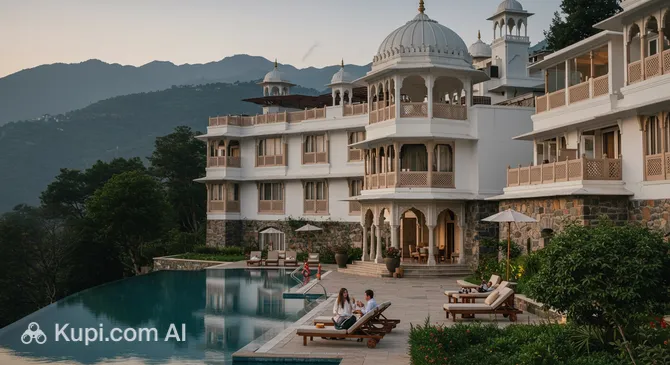
When choosing a place to stay, it's worth looking at areas located near major attractions like Har Ki Pauri and other ghats, as well as temples. Staying in these areas will allow you to easily immerse yourself in the spiritual atmosphere of the city and be at the center of events, especially during the evening Ganga Aarti ceremony. Other tourists prefer staying in quieter areas slightly away from the main pilgrimage flow, or in neighboring Rishikesh, from where Haridwar is easily accessible. For those seeking seclusion and luxury, there are resort hotels in the foothills offering magnificent views and spa services, such as the famous Ananda in the Himalayas; although it is some distance away, it represents a premium-class option. A more accessible yet comfortable choice could be Alligator Camping and Resort.

Ananda in the Himalayas. Illustration.
Source: Kupi.com AI

Traveler photos:

The price range for housing in Haridwar is quite varied: from budget options (a few hundred rupees per night) to luxury hotels, where the cost of staying can reach several thousand or even tens of thousands of rupees. Most hotels and guesthouses can be booked through popular online platforms such as Booking.com, Agoda, MakeMyTrip, or directly through hotel websites. It is recommended to book accommodation in advance, especially if your trip coincides with the peak tourist season or major religious festivals like Kumbh Mela, when the city hosts millions of pilgrims and finding a vacant spot becomes extremely difficult.

Nearby Cities

For those who wish to explore the surroundings, Haridwar serves as an excellent starting point for day trips to several interesting nearby locations:

CityPopulationDistance
Rishikesh102 13822 km
Laksar50 45025 km
Doiwala8 70926 km
Landhaura28 78630 km
Manglaur52 97133 km

These nearby destinations offer a glimpse into the diverse culture and landscapes of the region. For example, Rishikesh, known as the world capital of yoga, is just 22 km away and attracts visitors with its ashrams, scenic views of the Ganges, and famous suspension bridges. Dehradun, the capital of Uttarakhand state, located 43 km away, offers a visit to the Forest Research Institute, Robber's Cave, and a chance to enjoy the cooler climate of the foothills. A trip to these and other neighboring cities can be a wonderful addition to your spiritual journey in Haridwar.

Shopping & Souvenirs

Shopping in Haridwar is not a hunt for global brands, but a fascinating immersion into the world of traditional Indian goods, religious items, and unique souvenirs. The city offers an authentic shopping experience where every item carries a piece of India's local culture and spirituality. Here you will find many interesting things that will serve as wonderful reminders of your journey to this sacred city.

The main places for shopping in Haridwar are its colorful bazaars. Moti Bazaar, located along Upper Road near Har Ki Pauri, is one of the oldest and busiest. Here you can find everything for puja (religious rituals), brassware, bright glass bangles, and religious paraphernalia. No less popular is Bara Bazaar, where the range of goods is even wider: from textiles and Ayurvedic preparations to wooden crafts and local sweets. The Jwalapur district, slightly removed from the main ghats, offers more everyday goods, as well as authentic local delicacies and snacks.

While Haridwar is famous for its traditional markets, modern shopping outlets are also appearing in the city. If you're looking for a more familiar shopping format, you can visit the Pentagon Mall, which houses various shops under one roof. This place can offer an alternative to the bustling street bazaars.

The Pentagon Mall. Illustration.
Source: Kupi.com AI

Traveler photos:

Haridwar's markets, such as the aforementioned Moti Bazaar and Bara Bazaar, are the heart of local trade. They consist of a labyrinth of narrow streets filled with stalls and shops. A lively atmosphere reigns here, filled with the scents of incense and spices, the sounds of price negotiations, and the bright colors of the goods. Don't hesitate to bargain — it is an integral part of the buying process in Indian markets and often allows you to get a better price.

Typical souvenirs from Haridwar include: religious items (statues of deities, rudraksha beads, sacred Ganges water in special vessels called Gangajali, incense), handcrafted goods (wooden boxes, brass items, paintings), Ayurvedic products (herbal blends, oils, cosmetics), textiles (shawls, stoles, traditional Indian clothing, sometimes with local embroidery), and inexpensive jewelry, including colorful glass bangles. High-quality woolen products can also be found in the Himalayan foothills.

Most shops and stalls in Haridwar's bazaars open around 10:00-11:00 AM and work until 8:00-9:00 PM. Some may have slightly different schedules. Regarding payment, cash is the preferred method, especially in small stalls and markets. Large stores and some retail outlets may accept bank cards, but it's always better to carry enough cash. ATMs are available in the city.

The Tax Free return system for tourists is not a common practice for goods typically purchased in Haridwar. This system is more often applied to expensive purchases in specialized stores in India's major metropolises and is usually not relevant for souvenirs and goods at local markets.

Reached the end of the page?

That means the route is fully explored