Support

Sikar

About

Sikar is a charming city nestled in the northeastern part of the Indian state of Rajasthan, along the route between Jaipur and Delhi. As part of the historical Shekhawati region, the city introduces travelers to the culture of India through its stunning painted havelis (traditional mansions) and rich heritage. Sikar attracts visitors with its authentic atmosphere, where every corner breathes history.

With a population of about 359,000, Sikar is an important administrative and commercial center of the region. The city harmoniously combines ancient traditions with the rhythm of modern life, offering guests a unique opportunity to immerse themselves in the real India, far from overcrowded tourist routes.

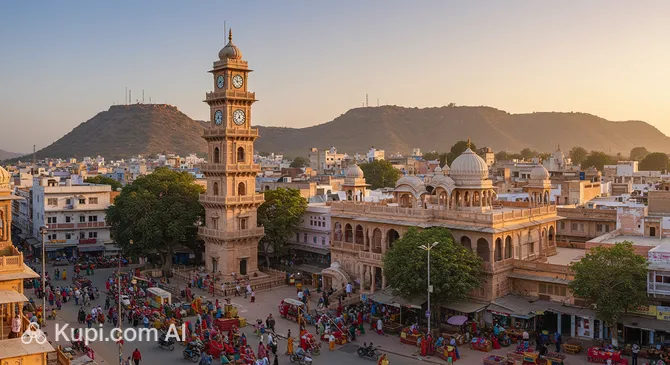
Sikar. Illustration.
Source: Kupi.com AI

The main treasures of Sikar are undoubtedly its historical monuments and temples, as well as the famous Shekhawati havelis with their exquisite frescoes that tell stories of the past. A stroll through the city's narrow streets will grant you encounters with local artisans and allow you to experience the unique flavor of Rajasthan.

Visiting Sikar is a chance to touch authentic Indian culture, enjoy magnificent architecture, and perhaps catch one of the colorful local festivals. This city is certainly bound to leave warm memories for those seeking something more than standard tourist experiences.

You can find more interesting facts on the Sikar city history page.

Weather Overview

The weather in Sikar is characterized by significant seasonal fluctuations. Summer, especially in May and June, can be very hot, with average maximum temperatures reaching 38-39°C. This period also sees the bulk of the precipitation, particularly in July and August, when the number of rainy days can reach 15-18 per month. Winters, by contrast, are mild and dry, with average temperatures in January around 13.9°C and minimal precipitation. Expect hot summers with monsoon rains and cool, dry winters.

To get a more detailed view of weather conditions by month, including information on the number of sunny days and humidity, you can check the detailed forecast on the Sikar Climate page.

Average monthly temperature

Average monthly precipitation

Interesting Facts

In addition to its well-known attractions, Sikar holds many surprising stories and unique traditions. Ready to learn some interesting facts about this Indian city that will add some spice to your trip?

  • Not far from Sikar rises the ancient Dantaramgarh Fort. This impressive citadel served as an important defensive structure for the region for many centuries and today stands as a striking example of Rajasthani military architecture, attracting history buffs.

  • Sikar is part of the colorful Shekhawati region, which hosts the vibrant Shekhawati Festival every year. This is a true cultural extravaganza, allowing guests to immerse themselves in local traditions through Rajasthani dance, music, crafts, and, of course, authentic local cuisine.

  • The city and its surroundings are famous for their significant religious sites. For instance, the Khatu Shyam Ji Temple is one of the most important pilgrimage sites for believers from all over India, and the ancient Jeen Mata Mandir attracts thousands of devoted followers annually.

  • In Sikar, there is a very touching and ancient tradition: locals believe that if you whisper your most cherished wish into an old well, it will certainly come true. These wells are believed to possess a special magical power to reflect dreams and help them manifest.

How to Get There

When planning a trip to this colorful city in Rajasthan, it is important to think about your route in advance. Since the city does not have its own airport, most tourists arrive via nearby major transport hubs. You can learn more about how to get to Sikar by exploring various travel options, including combined trips.

The nearest and most convenient option for air travelers is Jaipur Airport (IATA: JAI). Please note: it is located in the city of Jaipur, about 110 km from Sikar, not in Sikar itself. This is an international airport that receives many flights. The journey from the airport to Sikar by taxi or bus takes about 3 hours. This is the most popular choice for those looking to minimize overland travel time.

For those arriving on international flights from further abroad, the main gateway is often Indira Gandhi International Airport (IATA: DEL). It is located in the nation's capital, Delhi, approximately 220 km from Sikar. This is the country's largest aviation hub with huge passenger traffic. The journey from Delhi airport to Sikar by taxi or intercity bus takes approximately 5.5–6 hours. Despite the distance, this option is convenient due to the vast number of direct flights from all over the world.

For clarity, here is a summary of the main airports used to reach the region:

AirportPassenger trafficDistance
Jaipur Airport6.2 mln110 km
Kishangarh86 361117 km
Bikaner Airport21 288197 km
Indira Gandhi International Airport77.8 mln220 km
Ghaziabad (Hindon)1.8 mln250 km

Regarding ground transport, Sikar has well-developed rail and bus connections. The local railway station (Sikar Junction) is an important hub in the Shekhawati region. Trains from Jaipur, Delhi, and other major cities in the state and country arrive here regularly. A train journey is a budget-friendly and atmospheric way to reach the city, allowing you to enjoy views of the Indian countryside.

Furthermore, Sikar is excellently connected by a network of roads. National Highway NH-52 passes through the city, providing easy access by bus or car from Jaipur and Bikaner. State and private bus companies offer regular services ranging from basic economy options to comfortable air-conditioned buses.

Main Attractions

Sikar, located in the state of Rajasthan, attracts travelers with its rich history and unique architecture. The city and its surroundings are famous for ancient temples, majestic forts, and painted havelis, each telling its own fascinating story.

One of the main attractions is the Harshnath Temple. This ancient temple dedicated to Lord Shiva is located on Harsh Giri Hill, about 14 kilometers from Sikar. Visitors are drawn not only by the ruins of the 10th-century temple complex with its intricate carvings but also by the breathtaking panoramic views of the surrounding area. This place is ideal for those interested in history, archaeology, and picturesque landscapes.

Not far from Sikar, in the town of Khatu, is the world-famous Khatu Shyamji Temple. This is one of the most important pilgrimage sites for followers of Hinduism, dedicated to Barbarika, the grandson of Bhima and son of Ghatotkacha. The temple attracts millions of believers annually, especially during the Phalguna Mela fair. The temple's architecture and spiritual atmosphere also make it interesting for regular tourists wishing to experience Indian culture.

In Sikar itself, Madho Niwas Kothi, also known as the Seth Ramgopal Podar Haveli, is well worth a visit. It is a beautiful example of Rajasthani haveli architecture, built by Maharaja Madho Singh. The building is decorated with exquisite frescoes and fine craftsmanship, showcasing the skills of local artisans. A walk through this haveli allows you to dive into the atmosphere of the past and appreciate the splendor of traditional Indian architecture.

Another significant religious site in Sikar is the Rani Sati Dadi Mandir. This temple is dedicated to Rani Sati and is an important center of attraction for believers. The temple is known for its beautiful architecture and peaceful atmosphere, conducive to reflection and prayer. A visit to this place provides an opportunity to better understand the religious traditions of the region.

Local Cuisine

The gastronomy of Sikar is a vivid reflection of the rich culinary traditions of Rajasthan, shaped by the arid climate and the ingenuity of the locals. Dishes here are characterized by the use of long-lasting products such as legumes and wheat, an abundance of aromatic spices, and heartiness, which makes them truly unique.

Be sure to try dal-baati-churma, the signature dish of the region. This filling meal is a harmonious combination of baked wheat balls (baati), aromatic lentil soup (dal), and a sweet dessert made of crushed wheat cakes with sugar and ghee (churma). Equally interesting are Gatte ki Sabzi—tender gram flour dumplings in a spicy yogurt sauce—and the exotic dish Ker Sangri, made from local desert beans and berries.

Street food in Sikar is a culinary adventure in itself. In the city's busy markets and streets, appetizing kachoris with various fillings, crispy samosas, and, of course, sweet, melt-in-your-mouth jalebis await you. These snacks are perfect for a quick bite while exploring the city.

For those with a sweet tooth, Sikar offers many delightful desserts. Try malpua—fragrant sweet pancakes—or rabri—delicate condensed milk with cardamom—as well as various types of traditional Indian sweets like laddu. For drinks, you must try masala chai—strong black tea with milk and warming spices. It is served everywhere and is an integral part of the local culture.

The food culture in Sikar is very diverse. Locals often prefer home-cooked food but also love to grab a snack at street stalls or sit in small local eateries and tea shops, where you can feel the city's authentic atmosphere. For tourists, this is a wonderful opportunity to immerse themselves in the local flavor and try dishes prepared according to ancient recipes. Many restaurants also offer traditional Rajasthani dishes in a more formal setting.

Travel Tips

Welcome to Sikar, a colorful city in the heart of Rajasthan! To make your journey through this amazing corner of India as comfortable and memorable as possible, we have prepared a few practical tips.

  1. Clothing and Essentials: The climate in Sikar, as in all of Rajasthan, is predominantly hot and dry, especially from April to June. In winter (from November to February), days are warm while nights can be cool.
    What to pack: Light, breathable clothing made of natural fabrics (cotton, linen) in light colors. Long sleeves and pants/skirts below the knee will not only protect you from the sun but are also appropriate when visiting local attractions. Be sure to bring a hat, sunglasses, and high-SPF sunscreen. A light jacket or sweater will be useful for winter evenings.
    Footwear: Comfortable closed-toe shoes are your best friend for walking around the city and sightseeing.
    Dress code: When visiting temples and other religious sites, it is necessary to cover shoulders and knees; women may need to cover their heads (bring a light scarf or shawl).
    Other: Don't forget a universal power adapter (types C, D, and M are used in India).

  2. Getting Around the City:
    Local transport: The main forms of transport in Sikar are auto-rickshaws (tuk-tuks) and local buses. Auto-rickshaws are a convenient way for short trips, but always agree on the price before starting the ride.
    Taxis and Apps: Taxi-hailing apps like Ola or Uber are popular in India; check their availability in Sikar. This can be a more predictable option in terms of cost.
    Car Rental: Renting a car with a driver can be a good option for exploring the surrounding area, but driving yourself in India can be quite chaotic and stressful for an unaccustomed tourist.

  3. Finances – Money Matters:
    Currency: The national currency is the Indian Rupee (INR).
    Exchange: You can exchange currency at banks or authorized exchange offices. Avoid street money changers.
    Cards and Cash: Large hotels and some shops may accept bank cards, but for daily expenses (markets, small cafes, rickshaws), cash is necessary. Ensure you have enough small bills.
    ATMs: Available in the city, but it's best to use those located at banks. Check your bank's fees for cash withdrawals abroad.
    Tipping: In restaurants, it is customary to leave 5-10% of the bill if service is not included. Small tips are also appropriate for porters and guides.

  4. Health and Safety – Take Care:
    Water: Drink only bottled water. Avoid ice in drinks unless you are sure of its origin.
    Food: Street food in India is a whole gastronomic experience, but choose places where there are many locals and where food is prepared in front of you. Wash fruits and vegetables thoroughly.
    First Aid Kit: Bring a basic set of medicines (painkillers, antiseptics, remedies for stomach upset). There are pharmacies in Sikar, but not all are open 24/7.
    General Safety: Sikar is a relatively peaceful city. However, as anywhere, watch your belongings, especially in crowded places. Avoid walking alone in poorly lit areas late at night.

  5. Communication and Interaction – Stay Connected:
    Language: The official language is Hindi, and Rajasthani is also widely spoken. In tourist areas and hotels, staff may speak English, but do not count on it everywhere.
    Useful Phrases: Learn a few simple phrases in Hindi: "Namaste" (Hello/Goodbye), "Dhanyavad" (Thank you), "Kitna?" (How much?). This is always appreciated by locals.
    SIM Card: For convenience and internet access, consider buying a local SIM card (e.g., Airtel, Jio). This can be done at official mobile stores by presenting your passport and visa.
    Wi-Fi: Available in most hotels and some cafes.

  6. Local Etiquette – Respect Traditions:
    Greeting: The traditional greeting is "Namaste" with palms joined at the chest.
    Behavior: Remove your shoes before entering temples and homes. Eat and pass items with your right hand (the left is considered "unclean"). Avoid overly revealing clothing and public displays of affection.
    Communication: Indians are generally very friendly and hospitable. Show respect, especially to elders. If you want to take a photo of someone, be sure to ask for permission.

  7. Specific Tips for Sikar:
    Bargain with a Smile: In markets and when paying for auto-rickshaw services, bargaining is appropriate and expected. Do it politely and with good humor—it's part of the local flavor.
    Explore the Havelis: Sikar and the entire Shekhawati region are famous for their havelis—old merchant mansions decorated with magnificent frescoes. Don't miss the chance to see this unique architecture.
    What to Avoid: Never criticize religion or local customs. Do not point at people or sacred objects with your index finger—use an open palm or your chin instead.

We hope these tips help you better prepare for your trip and get the most enjoyment out of your stay in Sikar. Enjoy its authentic atmosphere, rich culture, and the hospitality of the locals!

Entertainment & Nightlife

Sikar, located in the picturesque state of Rajasthan, offers travelers a special kind of relaxation that differs from the noisy nightlife of megacities. A trip to India is often associated with vibrant colors and festivals, but in this city, the evening atmosphere is more tranquil and traditional. Here you won't find massive nightclubs with loud electronic music; instead, nightlife centers around cozy restaurants, family cafes, and evening strolls through lively streets.

The center of evening activity is often the Station Road area and adjacent shopping quarters. As the sun sets and the daytime heat subsides, locals and tourists take to the streets to enjoy the cool air, visit sweet shops, or simply socialize. The atmosphere here is friendly and relaxed, with a crowd consisting mainly of local families and travelers interested in the region's culture.

If you are looking for a place to spend the evening with drinks and delicious food, it is best to look toward the restaurants at major hotels. These serve as the city's social hubs. For example, the restaurant at Hotel Royal Inn or the establishments within the Hotel Annpurna complex offer a comfortable environment and a diverse menu. The dress code in such places is generally casual, but out of respect for local traditions, modest clothing is recommended.

When planning your evening, keep in mind that the city goes to sleep quite early. Most restaurants and shops close by 10:00 PM or 11:00 PM. The average bill in Sikar's establishments will pleasantly surprise you with its affordability compared to major tourist centers. For getting around the city after dark, it is most reliable to book a taxi through your hotel reception or use the services of authorized auto-rickshaws.

From a safety perspective, the central areas of Sikar are perfectly suitable for evening walks; however, tourists should stick to well-lit streets and avoid remote outskirts at night. During the day, the city offers a rich cultural program: be sure to visit historical havelis with unique frescoes, local museums, and parks that tell the story of the Shekhawati region's rich heritage.

Parks & Museums

Sikar, a city with a rich history in the heart of Rajasthan, invites travelers to discover not only its impressive architectural heritage but also to find corners of tranquility in its parks and surroundings. This city offers a unique blend of cultural immersion and opportunities for relaxation in nature.

Among the green spaces of Sikar, Nehru Park stands out as a popular spot among locals for morning walks and evening relaxation. It is a pleasant place to take a breather from the city bustle. For those seeking a combination of nature and spirituality, Harshnath Hill is a must-visit. Here, at the summit, amidst picturesque landscapes, is an ancient temple complex dedicated to Lord Shiva. The climb up the hill is rewarded not only by the chance to touch history but also by breathtaking panoramic views of the surrounding area, making it a wonderful spot for nature lovers and photography enthusiasts.

The main cultural gem of Sikar and its unique "open-air museums" are the famous painted havelis. These magnificent old merchant mansions, typical of the Shekhawati region, are decorated with thousands of unique frescoes. Walking through the streets, you will find that the walls of many havelis are covered with vibrant images telling stories from mythology, illustrating scenes from daily life, and reflecting colonial-era influences, such as depictions of trains and Europeans. Each such haveli is a living exhibit showcasing the high art of local craftsmen and the region's rich trade history. Viewing these frescoes is a true immersion into the culture and art of Rajasthan.

Besides the havelis, there are other significant historical and architectural sites in Sikar. Devgarh Fort, towering over the city, serves as a reminder of its feudal past and strategic importance. Although part of the fort may be in ruins, it is still of interest to history buffs. Also worth noting is Madho Niwas Kothi, a beautiful building from the early 20th century, which is a fine example of the architecture of that time, blending Indian and European elements. No less interesting is Jubilee Hall, or the town hall, which is also an architectural landmark of the city.

For a more authentic acquaintance with Sikar, we recommend a leisurely stroll through the narrow streets of the old town, where you can discover havelis and traditional houses hidden from the eyes of most tourists but no less charming. Peek into the local markets—it's a great opportunity to observe the daily life of the townspeople and perhaps purchase unique handmade items or local spices.

Getting Around

Getting around Sikar is possible using several types of public transport that will help you reach various points in the city. The basis of the transport system consists of buses and the ubiquitous auto-rickshaws, offering flexible travel options.

Buses are the most common and affordable form of public transport in Sikar. The city is served by both state and private bus routes that connect different districts of the city and also link Sikar with nearby settlements. Fares are usually paid in cash to the conductor directly on the bus. It is recommended to have small bills for convenience. The cost is low but may vary depending on the distance and type of bus.

Auto-rickshaws, or tuk-tuks, are an extremely popular way to travel short and medium distances. They offer great maneuverability in city traffic and can provide door-to-door service. The cost of an auto-rickshaw ride is negotiable, so it is important to discuss the price with the driver before starting the journey. In some areas, you can also find cycle-rickshaws, which are suitable for very short trips and offer a more relaxed pace. Shared taxis or jeeps that follow specific routes and pick up passengers along the way are also common—an economical option if you are not in a hurry.

Regarding the payment system, most types of public transport in Sikar primarily accept cash. Specialized tourist passes or transport cards are less common here. To book a taxi or auto-rickshaw, you can use popular Indian mobile apps if they are available in the city, which can offer more predictable costs and booking convenience.

Tourists should keep in mind that public transport is usually most active during daytime and early evening hours. Bus tickets are purchased from the conductor. When using auto-rickshaws, always confirm the price in advance. If you do not speak Hindi, it is helpful to have the name of your destination written in the local language or to show it on a map. Alternatives to public transport include taxis, which can be ordered by phone or through apps, and car rentals with a driver for more comfortable or longer trips.

Accommodation

When planning a trip to Sikar, you can choose from a variety of accommodation options to suit different tastes and budgets. The city offers both inexpensive guesthouses and basic hotels for budget-conscious tourists, as well as mid-range hotels that provide a good balance of price and comfort. Although Sikar is not positioned as a luxury tourism center, it is easy to find cozy and welcoming places here, including apartments or rooms for rent, and sometimes traditional houses adapted for guests.

When choosing accommodation in Sikar, look for areas close to the city center or major transport routes. This location will facilitate access to local markets and cultural sites and simplify moving around the city. Some travelers prefer quieter neighborhoods for a full immersion into the local atmosphere, while others choose hotels near the railway station or bus terminal for the convenience of arrival and further travel.

To ensure the best choice and prices, especially if your trip coincides with local festivals or the peak tourist season (which in Rajasthan is usually the cooler months), it is recommended to book accommodation in advance. This not only provides more options but also helps avoid inflated prices. It is also a good idea to read reviews from other travelers before making a final decision.

The price range for accommodation in Sikar varies: from very affordable budget options to mid-range offers. You might also find more expensive options with an increased level of comfort. Most hotels and guesthouses are easy to book through popular online platforms and travel aggregators. Direct booking through official hotel websites (if available) or by phone also remains an option, which can sometimes offer better terms.

Nearby Cities

For those who want to explore the surrounding area, Sikar serves as an excellent starting point for day trips to several interesting nearby locations.

Among them, Nawalgarh stands out, known for its old merchant havelis with unique frescoes characteristic of the Shekhawati region, and Jaipur, the vibrant capital of Rajasthan, nicknamed the "Pink City" for the color of its historical buildings and famous for its majestic palaces and forts. These and other cities in the region offer unique experiences for travelers.

Below is a table with information about some cities located near Sikar that may be of interest to visit:

CityPopulationDistance
Lachhmangarh90 99226 km
Nawalgarh63 94829 km
Losal28 50432 km
Sri Madhopur31 36648 km
Mandawa23 33549 km

These nearby destinations allow for a deeper acquaintance with the rich culture, history, and architectural traditions of Rajasthan.

Shopping & Souvenirs

Shopping in Sikar, located in the heart of Rajasthan, offers tourists an immersion into a world of bright colors, traditional crafts, and authentic goods. The city is famous for its textiles, especially the "bandhani" (tie-dye) technique, as well as leather goods, ceramics, and traditional Rajasthani jewelry. Here you won't find huge modern malls with global brands, but you can enjoy the atmosphere of local bazaars and purchase unique handmade items.

The main shopping spots in Sikar are concentrated in its lively bazaars and market streets. Strolling through the old part of the city, you will find many stalls and shops offering a wide range of goods. The areas around the clock tower (Ghanta Ghar) and its adjacent streets are considered the busiest, where you can find everything from spices and sweets to clothing and souvenirs. While specific street names might be difficult for tourists to remember, just head for the central market squares.

As for large shopping centers in the Western sense, there are practically none in Sikar. The focus here is on traditional trade and small family-owned shops. If you are looking for a more modern shopping format, you may need to head to larger cities in Rajasthan, but the true spirit of shopping in Sikar lies specifically in its bazaars.

Sikar's markets are the soul of the city. Here you can find food markets with fresh vegetables, fruits, and aromatic spices, as well as markets specializing in textiles, selling colorful saris, fabrics for salwar kameez, and the famous Rajasthani bedspreads. Special attention should be paid to shops selling handmade goods—from ceramics and wooden crafts to silver jewelry and "mojari" leather shoes.

As souvenirs from Sikar and Rajasthan in general, consider bringing home:

  • Textiles: scarves, shawls, tablecloths, or clothing in "bandhani" technique or with embroidery.
  • Lac bangles: bright and colorful, these are a traditional decoration.
  • Miniature paintings: Rajasthani miniatures are known worldwide.
  • Leather goods: bags, wallets, or traditional "mojari" shoes.
  • Spices: aromatic Indian spices make a great gift for foodies.
  • Silver jewelry: Rajasthan is famous for its skilled jewelers.

Remember that it is customary to bargain in the markets—it is part of the local etiquette.

Shop opening hours in Sikar are usually from 10:00-11:00 AM to 8:00-9:00 PM. Some small shops may close for a lunch break. Many shops may be closed on Sundays or another day of the week, depending on the specific market or type of shop. Regarding payment, cash (Indian Rupees) is the most common method, especially in markets and small shops. Larger shops may accept credit and debit cards, and the UPI mobile payment system is also very common in India.

The Tax Free refund system for tourists in India on regular goods is not as common as in some other countries. The GST (Goods and Services Tax) system applies to most goods and services. If you make large purchases in specialized export-oriented shops (for example, expensive carpets or jewelry), it is worth checking with the seller about the possibility of processing documents for export and potential tax refunds, but for most tourist purchases, this option is unlikely.
Reached the end of the page?

That means the route is fully explored