Support

Sonpur

About

Sonepur is a charming city in India, a true gem of the state of Bihar, nestled comfortably on the banks of the sacred Ganges River. The city is situated at the picturesque confluence of two great rivers—the Ganges and the Gandak—giving its landscapes a special beauty and an atmosphere of serenity. This unique geographic location has made Sonepur not only an important transport hub but also a place of rich nature and ancient history.

With a population of about 288,000 people, Sonepur combines the bustle of a small city with the tranquility of the traditional Indian way of life. The city lives to the rhythm of the Indian heartland: here you will be met by smiling merchants in noisy markets, street musicians, and numerous pilgrims, as Sonepur is famous for its deep religious and cultural significance for the entire region.
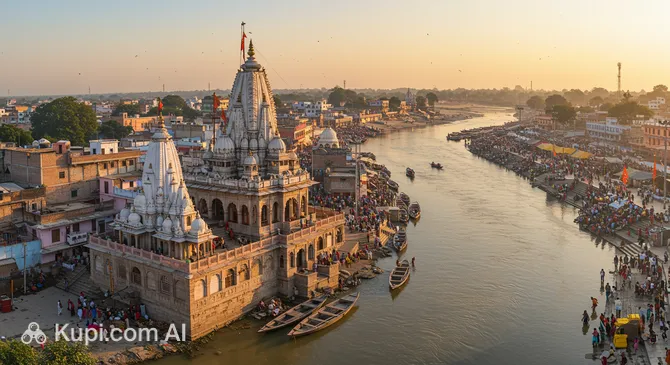
Sonpur. Illustration.
Source: Kupi.com AI

The main appeal of Sonepur lies in its unique atmosphere. You can feel the spirit of antiquity here, yet the city is not frozen in time—it lives actively, develops, and welcomes guests with open arms. Among its unique features are the confluence of the Ganges and Gandak rivers, creating distinctive landscapes, and its status as an important religious center. If you are looking for the real, unembellished India, wish to immerse yourself in vibrant traditions, get to know local life, and discover new facets of Indian culture, Sonepur will be an unforgettable discovery for you.

You can find more interesting facts on the Sonepur city history page.

Weather Overview

The weather in Sonepur is characterized by hot summers and mild, dry winters, typical of a monsoon climate. Expect air temperatures from April to June to often rise above 35°C, peaking in April-May. The monsoon season, which brings the bulk of the annual precipitation, usually falls between July and September. During these months, the number of rainy days can be significant, for example, up to 25-27 days with precipitation in July and August. Winter months, from November to February, generally offer more comfortable coolness with average temperatures in the 16-22°C range and minimal precipitation.

For more detailed information on climate conditions and the current monthly weather forecast, you can visit the weather in Sonepur page.

Average monthly temperature

Average monthly precipitation

Interesting Facts

In addition to its widely known festivities, the city of Sonepur in India holds many amazing stories and features that make it a truly unique place. Here are just a few interesting facts that will help you see it from a new perspective:

  • Sonepur is home to one of the largest and oldest fair festivals in India—the Sonepur Mela. Its roots go back to ancient times, and it owes its origin to the legend of the god Vishnu, who saved an elephant from a crocodile here, turning this place into an important pilgrimage center.

  • Historically, the Sonepur Mela was known as Asia's largest elephant fair. Although the trade in animals, including elephants, horses, and camels, has decreased today, the festival retains its grand scale, transforming into a vibrant celebration of crafts, music, and dance that attracts thousands of visitors.

  • The city is literally steeped in legends. In addition to the famous tale of the battle between the elephant and the crocodile, which became a symbol of the victory of good over evil and inspired the creation of a temple at the confluence of the rivers, Sonepur has inspired many poets and artists, becoming a source of countless folk songs and traditions.

  • Sonepur is known not only for its festivals but also as the birthplace of many influential traders and entrepreneurs. This business spirit has deep historical roots, and the contribution of local dynasties to the development of the Bihar region and all of India is still felt today, with entrepreneurial traditions carefully passed down from generation to generation.

How to Get There

You can reach the city of Sonepur in several ways, and for many tourists, air travel is the most convenient option. Although Sonepur does not have its own airport, there are several air hubs nearby serving the region.

The main airport for arriving in Sonepur is Jay Prakash Narayan International Airport (PAT), located in the city of Patna. The distance from this major international airport to Sonepur is only about 14.6 km. A taxi or local transport ride usually takes 40-50 minutes. Jay Prakash Narayan International Airport handles many both domestic and international flights, making it a convenient point of arrival.

Another option is Darbhanga Airport (DBR), located in the city of Darbhanga, approximately 92.3 km from Sonepur. This is a medium-sized airport, and the drive from there to Sonepur by car will take about 2.5-3 hours. Depending on your route, flights to Darbhanga can also be a convenient choice.

It is also worth considering Gaya Airport (GAY), located in the city of Gaya at a distance of about 107.7 km from Sonepur. This international airport, frequently used by pilgrims, is a major transport hub. Traveling from Gaya Airport to Sonepur by car will require approximately 3 hours.

There are other airports, such as Janakpur Airport (JKR) in Janakpur (Nepal), about 135 km from Sonepur, and Simara Airport (SIF) in Simara (Nepal), about 163 km away. However, they are significantly further and located in another country, which may require additional visa arrangements and a longer transfer.

For clarity, here is summary information on the main airports through which you can reach Sonepur:

AirportPassenger trafficDistance
Jay Prakash Narayan International Airport3.8 mln15 km
Darbhanga523 17392 km
Gaya Airport329 304108 km
Janakpur Airport135 172135 km
Simara231 291164 km

In addition to air travel, Sonepur can be reached by land transport. The city has road connections with other towns in the state of Bihar and neighboring regions of India. For planning a trip by car or bus, it is recommended to check current routes, road conditions, and available local public transport options in advance.

Main Attractions

Sonepur, located in the Indian state of Bihar, attracts travelers primarily with its unique atmosphere and one of the region's most massive cultural events. Although the city may not be as well-known as India's major tourist centers, it offers a truly authentic experience.

The main attraction and hallmark of Sonepur is the famous Sonepur Mela, also known as the Harihar Kshetra Mela. This is one of the largest cattle fairs in Asia, with history stretching back to ancient times. The fair is traditionally held in November-December, starting on the full moon day of Kartik Purnima, and for several weeks, it transforms the city into a bustling hub of trade, culture, and religious pilgrimage. Thousands of elephants, horses, camels, cows, birds, and other animals are put up for sale, creating an incredible spectacle. In addition, the fair is famous for its colorful folk performances, music, dances, craft stalls, and numerous attractions, making it an unforgettable event for any visitor.

Inseparably linked with the fair and serving as an important spiritual center of the city is the Hariharnath Temple. This ancient temple is dedicated to Lord Hariharnath—the united form of Vishnu and Shiva—and attracts many pilgrims, especially during the Sonepur Mela, which ritually begins with prayers here. It is believed that bathing in the sacred waters near the temple during this period possesses special power. The temple's architecture and its deep spiritual atmosphere make it a significant site for those interested in Indian culture and religion.

The very geographic location of Sonepur at the confluence of two great rivers—the Ganges and the Gandak—is also a major attraction. This place, known as Harihar Kshetra, not only possesses natural beauty, especially at sunrise and sunset, but also holds immense sacred significance for Hindus. Many believers come here to perform ritual ablutions, believing in the purifying power of these holy waters. Observing the rituals and life on the riverbanks allows for a deeper appreciation of the local culture.

Local Cuisine

The gastronomic world of Sonepur is a vibrant reflection of the culinary traditions of Bihar, known for being hearty, spicy, and incredibly aromatic. The cuisine here is simple and soulful, yet capable of surprising even the most discerning gourmet. A trip to Sonepur promises a real immersion into the world of authentic Indian flavors.

The star of local cuisine is undoubtedly litti chokha. This hearty and fragrant dish consists of balls made from whole wheat flour (sattu) stuffed with a spicy mixture and baked over coals until golden brown. Litti is served with chokha—a mash of roasted eggplant, potatoes, or tomatoes, generously seasoned with spices. Tasting litti chokha in Sonepur means touching the heart of Bihari cuisine.

In addition to litti chokha, it's worth paying attention to other dishes. In local markets and street cafes, you will find a variety of snacks such as crispy samosas and piquant chaat. Those with a sweet tooth will certainly enjoy traditional desserts: tilkuta—crunchy sweets made from sesame and jaggery (cane sugar), or khaja—delicate, melt-in-the-mouth layered pastries. During festivals and fairs, the variety of dishes expands, offering unique variations of dishes made from fresh vegetables, legumes, as well as special types of rice and flatbreads.

Among beverages in Sonepur, refreshing yogurt-based options are particularly popular. Be sure to try buttermilk (traditional Indian cultured dairy drink) or various types of lassi, which can be either sweet or salty, often with added fruit or spices. Regarding alcoholic drinks, the emphasis in traditional local cuisine is on non-alcoholic options, although you can sometimes find local fermented beverages in the markets.

The food culture in Sonepur is closely linked to street food and markets, where life is in full swing and the air is filled with the tantalizing aromas of spices. It is here that you can try the most authentic dishes prepared according to ancient recipes. Fairs, such as the famous Sonepur Mela, occupy a special place, during which real gastronomic celebrations are organized. This is a unique opportunity to taste rare dishes prepared only during these days and feel the true spirit of local culinary art.

Travel Tips

Welcome to Sonepur! To make your journey to this colorful city in India as comfortable as possible and leave only pleasant impressions, we have prepared some practical tips. They will help you navigate better on the ground and avoid possible difficulties.

  1. Clothing and Essentials:

    The climate in Sonepur is humid subtropical. It is hot and humid in summer (March-June), the monsoon season (July-September) often brings rain, and winters (November-February) are usually mild and pleasant. We recommend bringing light, breathable clothing made of natural fabrics, such as cotton. For winter evenings, a light jacket or sweater may be useful. Don't forget sunscreen, a hat, sunglasses and, crucially, comfortable shoes for walking. India uses Type D, M, and C power outlets, so a universal adapter will come in very handy. When visiting temples and other religious sites, choose modest clothing that covers shoulders and knees; women may find a shawl or scarf useful.

  2. Getting Around the City:

    The main way to get around Sonepur, as in many Indian cities of this size, is by auto-rickshaws (motor rickshaws or "tuk-tuks") and cycle rickshaws. This is the most affordable and authentic way to make short trips. Local buses also run, but they are often crowded, and navigating their routes without knowing the language can be difficult. Familiar taxi services or international ride-hailing apps (like Uber or Ola) may have limited presence or be absent entirely; it's better to rely on agreements with auto-rickshaw drivers. Renting a car without a driver is not very common among tourists due to the specific nature of local traffic; a more practical option for exploring the surrounding area would be to hire a car with a driver.

  3. Finances: Currency, Cards, Tipping:

    The local currency is the Indian Rupee (INR). It is recommended to exchange money at banks or official exchange offices; avoid offers from street changers. Credit and debit cards may be accepted in some hotels and large stores, but for daily expenses, market purchases, and auto-rickshaw fares, always have enough cash with you. There are ATMs in the city, but you should notify your bank about your trip to India before you go. An approximate daily budget (excluding accommodation) can start from 1500-2500 rupees, but this depends heavily on your preferences. Tipping in India is not strictly mandatory but is always welcome: in restaurants, it's about 10% of the bill (if a service charge is not included), and small amounts can be left for porters and drivers.

  4. Health and Safety:

    There are pharmacies (usually called "Medical Store" or "Chemist") in Sonepur, but 24-hour ones may be rare. It is recommended to carry a basic set of medicines with you. Hospitals usually have pharmacy points. For medical assistance, you can contact government hospitals or private clinics. Taking out travel medical insurance before your trip is highly recommended. In general, Sonepur is considered a relatively safe city, but standard precautions should be followed: be mindful of your belongings in crowded places, especially during festivals, and avoid walking in poorly lit and deserted areas after dark. Drink only bottled water and be cautious with street food, choosing stalls that are tested and popular with locals.

  5. Communication and Connectivity:

    The main languages of communication in Sonepur are Hindi and the local Bhojpuri dialect. English may be common in the tourism sector (hotels, some shops), but do not expect everyone to speak it. Learn a few simple phrases in Hindi: "Namaste" (universal greeting/farewell), "Dhanyavad" or "Shukriya" (Thank you), "Kitna hai?" (How much is it?), "Haan / Nahin" (Yes / No), "Paani" (Water). A local SIM card (e.g., Airtel, Jio, Vi) can be purchased at official communication salons by presenting a passport with a valid visa and a passport-sized photo. Wi-Fi is usually available in hotels and some cafes, and mobile internet in India is relatively inexpensive and has good coverage.

  6. Local Etiquette and Traditions:

    The traditional Indian greeting is "Namaste" with palms joined at the chest. Try to dress modestly, especially for women when visiting public places and temples. Public displays of affection between men and women are not accepted. It's important to remember that the right hand should be used for eating, handing over money, and other items, as the left hand is traditionally considered "unclean" in Indian culture. It is customary to remove shoes when entering temples as well as private homes. Locals are usually friendly and may be curious about tourists; a smile and polite manner will help establish contact. It is customary to haggle in markets—do so calmly and respectfully.

  7. What to Avoid:

    It is categorically not recommended to drink tap water or consume drinks with ice of unknown origin. Do not point the soles of your feet toward people or religious images, as feet are considered unclean in Indian culture. Also, try not to photograph people, especially women and during religious ceremonies, without their prior permission.

  8. Special Tip for Sonepur:

    Sonepur is world-famous for the Sonepur Mela—one of the largest cattle (and more) fairs in Asia. It usually takes place in November, during the full moon of the month of Kartik according to the Hindu calendar. If your trip coincides with this time, a truly unique and vibrant cultural experience awaits you. However, be prepared for a huge influx of people and be sure to book accommodation well in advance. Regardless of the time of the fair, a significant place is the confluence of the Ganges and Gandak rivers, where pilgrims flock; you can take a boat trip here.

We hope these tips make your trip to Sonepur even more exciting and educational. We wish you unforgettable impressions of getting to know this amazing corner of India!

Entertainment & Nightlife

Evening Sonepur offers travelers a unique opportunity to plunge into authentic local life, which differs markedly from the hustle and bustle of megacities. Although the city is not famous for an abundance of nightclubs and fashionable bars in the Western sense, there are charms for evening leisure, especially if you are looking for a genuine Indian experience.

Nightlife in Sonepur is centered around local food establishments. You will find popular family restaurants here that serve traditional Bihari cuisine and are often open late. Street food stalls with a lively atmosphere are also common, where young people often gather for a quick and inexpensive bite. Evening activity in such places usually begins closer to sunset, around 7:00 PM–8:00 PM, and lasts until 10:00 PM–11:00 PM. The atmosphere in most establishments is relaxed and friendly, and there is usually no strict dress code. Prices in Sonepur's local eateries are typically very affordable, especially compared to major tourist centers, though it is best to check exact pricing on-site.

You are unlikely to find specialized nightlife districts, major concert venues, or bars and clubs in the conventional sense in Sonepur. If small local bars exist, they are oriented toward quiet conversation rather than loud parties. Instead of searching for specific venues that might not exist, the best strategy is to ask your hotel staff or local residents for advice. They can suggest where to spend a pleasant evening and which places are popular. Main evening activity usually concentrates along the major shopping streets or near market squares.

For moving around the city in the evening, it is convenient to use auto-rickshaws or cycle rickshaws. It is highly recommended to agree on the fare in advance to avoid misunderstandings. As for safety, as in any new place, it is important to follow standard precautions: avoid poorly lit and deserted streets, especially if traveling alone, and keep a close eye on your belongings. In general, the central districts of Sonepur are considered relatively safe for evening walks, but vigilance never hurts.

During the day, Sonepur and its surroundings offer other forms of leisure. The city does not abound with major world-class museums or theme parks; however, here you can get to know the local culture more deeply, visit temples, or simply enjoy a leisurely stroll through the streets, observing daily life. Occasionally, local festivals or fairs are held in the city or its outskirts, which can become a bright and memorable daytime experience.

Parks & Museums

Sonepur, located in the Indian state of Bihar, offers its guests a unique combination of natural beauty and a deep immersion into local culture, which becomes especially lively during the famous fair. Although the city may not boast an abundance of traditional parks and large museum complexes, it charms with its sacred sites and picturesque river landscapes.

The main natural attraction of Sonepur is the banks of the sacred Ganges and Gandak rivers, at the confluence of which the city is spread out. These places are ideal for peaceful walks, observing sunrises and sunsets, and getting to know the daily life of local residents, which is closely connected with the rivers. The surrounding rural landscapes also offer an opportunity to enjoy the greenery and tranquility of the Indian countryside.

In cultural and historical terms, the heart of Sonepur is the ancient Hariharnath Temple. This important pilgrimage site, dedicated to Lord Harihara (a combined form of Vishnu and Shiva), attracts believers from all over the country. The temple also plays a central role during the famous Sonepur Mela fair. The fair itself, one of the largest cattle fairs in Asia, is an incredible cultural spectacle with roots going back to ancient times. It is not just a market, but an entire festival with rituals, folk performances, and the opportunity to see unique aspects of Indian culture. Visiting local markets during normal times will also allow you to experience the authentic atmosphere of the city.

For a deeper immersion into the atmosphere of Sonepur, try taking a leisurely stroll through its streets, observing rituals at the ghats (steps leading down to the river for bathing), or visiting small shrines that can be found in the most unexpected places. It is these moments that often provide the most vivid and authentic travel experiences.

Getting Around

Getting around Sonepur can be done in several ways, and although there is no metro or trams, the existing public transport system allows you to reach the city's main points. The primary modes of transport are local buses, which follow established routes, and the ubiquitous auto-rickshaws (motorized three-wheeled taxis, often called "tuk-tuks"). For short distances, especially in busy areas, cycle rickshaws are also available.

The fare payment system in Sonepur is quite traditional. In buses, the fare is usually paid in cash to the conductor during the trip; the cost depends on the distance. It is recommended to carry small bills. For auto-rickshaw rides, the price is generally negotiable, and it should be agreed upon with the driver before starting the trip to avoid misunderstandings. Meters, if they exist, are not always used. Specialized transport cards or mobile apps for public transport payment have not yet become widespread in the city.

Tourists planning to use public transport in Sonepur should keep a few points in mind. It's best to check bus routes and schedules with locals or at bus stations, as information may not always be available online. Auto-rickshaws and cycle rickshaws can be easily found on the streets, especially near markets, attractions, and transport hubs. Public transport usually starts early in the morning and stops running by evening. At night, the number of available options may be limited.

As an alternative to public transport in Sonepur, you can consider taxis, which offer a more comfortable, though more expensive, way to travel. They can be called by phone through local services or found at specialized stands. For those who prefer more flexibility or plan trips outside the city, renting a car with a driver is possible. Car-sharing systems or developed city bike rentals are generally absent here, so you should rely on the traditional methods of transportation mentioned above.

Accommodation

When planning a trip to Sonepur, you will find various accommodation options to suit your budget and preferences. The city offers a choice ranging from more economical guest houses and small hotels to mid-range options providing a comfortable stay. Although luxury resorts may not be as widely represented as in major tourist centers, you can find decent hotels with a good level of service.

When choosing a place to stay in Sonepur, it is worth looking at areas that provide convenient access to major transport hubs or places of interest. Generally, central districts of the city offer more options and better connections to other parts of Sonepur. However, given the city's specifics, it is recommended to research the hotel's location relative to your plans in advance.

As for prices, you can find both budget options and mid-range housing in Sonepur. Prices may vary depending on the season and level of comfort. It is recommended to book accommodation in advance, especially if your trip coincides with local festivals or holidays when demand for hotels increases. For searching and booking, it is convenient to use popular online platforms or, in some cases, contact the hotels directly.

Nearby Cities

For those who want to explore the surroundings, Sonepur serves as an excellent starting point for day trips to several interesting nearby places.

Among them, Patna, the capital of Bihar, is particularly noteworthy, offering a rich historical heritage and cultural attractions, as well as Hajipur, located very close by and known for its railway junction and the Mahatma Gandhi Setu bridge. These cities offer a variety of experiences for short visits. Below is a list of nearby cities with information to help plan your trip:

CityPopulationDistance
Hajipur147 6883 km
Ismailpur18 9097 km
Sandalpur9 23210 km
Panapur Langa11 47811 km
Paura Madan Singh10 97812 km

These nearby destinations, as well as others mentioned in the table, allow for a deeper acquaintance with the diverse culture, history, and landscapes of the region around Sonepur.

Shopping & Souvenirs

Shopping in Sonepur is an immersion into local culture and traditions, rather than a pursuit of brands in modern shopping centers. The city offers unique opportunities to buy authentic goods, especially during the famous Sonepur Mela fair. Here you will find handmade products and items reflecting the flavor of the state of Bihar.

The main shopping spots in Sonepur are concentrated in the area of local bazaars and on busy streets, especially near iconic sites like the Hariharnath Temple. Walking through these streets, you will discover many small shops offering a variety of goods—from everyday items to local delicacies and textiles. This is a great opportunity to observe the daily life of the city and find something special.

In Sonepur, you will not find the large modern shopping centers characteristic of megacities. The commercial life of the city is concentrated around traditional markets and individual local stores. For a mall shopping experience, it is better to head to larger cities nearby.

The main shopping event in Sonepur is certainly Sonepur Mela—the largest cattle fair in Asia, which usually takes place in November (during the Kartik Purnima period). Besides its main purpose, the fair turns into a huge market where you can purchase a wide variety of goods: from handicrafts, clothing, and household utensils to agricultural tools. Visiting the fair is an unforgettable and vibrant experience. During normal times, local markets (haats) operate in the city, selling fresh produce, spices, and everyday goods.

As souvenirs from Sonepur, it is worth bringing items that reflect the culture of India and, in particular, the state of Bihar. Look for traditional handicrafts made of bamboo, wood, or local ceramics. Also of interest are textile products—handmade fabrics, perhaps with elements of embroidery or prints in the Madhubani style. Given the city's religious significance, you can find small figurines of deities or other ritual items. If your trip coincides with Sonepur Mela, the selection of unique goods will expand significantly.

Most shops in Sonepur open around 10:00 AM and operate until 8:00 PM–9:00 PM. Small stalls and market vendors may have more flexible schedules and sometimes close for a lunch break. The most common method of payment, especially in markets and small shops, is cash. Although digital payments via UPI are becoming increasingly popular across India, it is recommended to always carry enough cash. Credit or debit cards may be accepted in some larger establishments, but you should not rely on this entirely.

Tax-free shopping for tourists on regular purchases in a city like Sonepur is very limited or practically non-existent for most goods that might interest travelers. This service is usually available for high-value goods purchased in major registered stores in capital cities and international airports.

Nearby cities

Reached the end of the page?

That means the route is fully explored