Support

Sultanganj

About

Sultanganj is not just a point on the map, but a place where time flows in unison with the waters of the sacred Ganges River. This cozy town, located in the state of Bihar, is an important spiritual center that attracts pilgrims and travelers wishing to see the authentic, non-touristic life of the region. This is where India reveals its most sincere and soulful side, allowing guests to immerse themselves in an atmosphere of peace and tranquility.
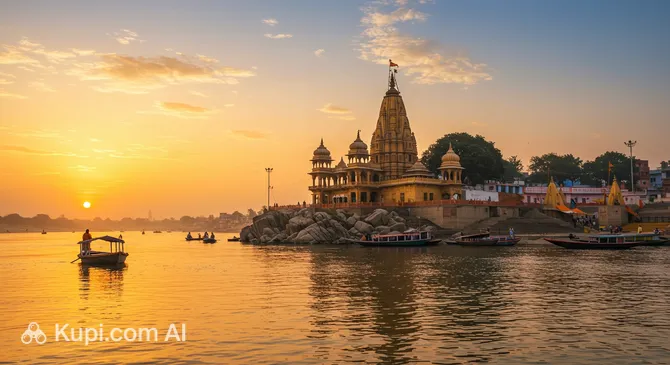
Sultanganj. Illustration.
Source: Kupi.com AI

Despite its relatively small size and population of about 53,000 people, the town plays a prominent role in the cultural life of the region. There is no bustle of huge metropolises here, making Sultanganj an ideal destination for those seeking solitude and wanting a break from the noise of civilization. The climate here is typical for the eastern part of the country, but the proximity to the great river brings a pleasant freshness, especially in the morning and evening hours.

The rich history of Sultanganj is inextricably linked with ancient traditions and religious cults. The town is known as a significant pilgrimage center where unique rituals have been preserved for centuries. Travelers come here to visit ancient temples rising on the banks and to witness colorful local festivals celebrated on a grand scale.

The town's main treasure is, undoubtedly, the picturesque views of the Ganges. Sunrises here paint the water in golden hues, creating stunning landscapes for meditation and photography. If you want to touch an authentic culture and feel the rhythm of the Indian heartland, be sure to include Sultanganj in your itinerary.

Weather Overview

When planning your trip, it's worth considering that the climate in this region is characterized by pronounced seasonality. Expect a hot summer, followed by a humid monsoon season, and a comfortable, dry winter, which is considered the best time for long walks and visiting temples.

The winter months, from December to February, bring pleasant coolness: the average temperature in January is about 16.2°C, and there is almost no rainfall. Spring arrives quickly, and already in April, the air warms up to 35.8°C. To choose the ideal time for your visit, check the detailed weather in Sultanganj with a monthly forecast.

With the arrival of July, the rainy season begins and lasts until September. During this period, humidity rises, and the number of rainy days reaches its maximum—up to 27 days in August. Nevertheless, even during the monsoon season, it is warm here: the average temperature stays at 29–30°C.

Average monthly temperature

Average monthly precipitation

Interesting Facts

In addition to the main attractions, Sultanganj holds many fascinating secrets and features that make it unique even for experienced travelers. Here are a few facts that reveal this town from a new perspective:

  • Ancient Art Center. Sultanganj is a true treasure trove for archaeologists. Unique bronze statues and exquisite stone carvings dating back to the 11th–13th centuries have been discovered in the town's vicinity, confirming its status as a vital cultural center of medieval India.

  • Legend of the Ganges Waters. Local beliefs endow the river at this location with special power. It is believed that a ritual bath in the waters of the Ganges near the shores of Sultanganj not only purifies but also grants good luck for the entire coming year, attracting thousands of pilgrims during religious festivals.

  • The Temple on the Rock. The famous temple of Lord Shiva, which is the town's hallmark, is known for its unusual location. It rises on a rocky elevation by the river, creating an impressive architectural ensemble that has inspired artists and believers for centuries.

  • New Horizons. The town is actively developing as a transport hub: a large-scale project to build a bridge over the Ganges aims to connect Sultanganj with neighboring districts. This engineering structure is intended to make local shrines and historical monuments even more accessible to guests of the region.

How to Get There

When planning a trip to this sacred town, it's worth thinking about the logistics in advance, as there is no direct air connection. Travelers usually have to combine a flight with ground transportation. You can find all the route details and choose the best option on the page more about how to get to Sultanganj.

The most convenient option for those wanting to reduce ground travel time is Deoghar Airport (IATA: DGH). It is located in the city of Deoghar, about 88 km from Sultanganj. It is a regional airport with low passenger traffic, but its proximity makes it an attractive choice. A taxi or bus journey from there will take about 2.5 hours. Link to description: Deoghar Airport.

If you are flying from afar or looking for more flight options, consider Jay Prakash Narayan International Airport (IATA: PAT) in Patna. This is a major transport hub with high passenger traffic, receiving many flights from different parts of the country. However, keep in mind that it is located about 171 km away, and a car transfer can take approximately 4.5–5 hours. Link to description: Jay Prakash Narayan International Airport.

For clarity, here is summary information on the main airports:
AirportPassenger trafficDistance
Deoghar Airport281 44288 km
Darbhanga523 173134 km
Biratnagar Airport491 052147 km
Jay Prakash Narayan International Airport3.8 mln171 km
Janakpur Airport135 172182 km

Railway transport also plays a key role in the region's accessibility. Sultanganj has its own railway station, which is an important link in the transport network of Bihar state. Trains regularly arrive here from major cities such as Patna, Bhagalpur, and Kolkata. A train journey is often the most budget-friendly and atmospheric way to reach the destination, allowing you to immerse yourself in the local flavor even before arriving at your destination.

Main Attractions

Sultanganj is famous for its deep spiritual atmosphere and historical heritage, attracting travelers interested in culture and religion. Located on the banks of the sacred river, the town offers guests a unique combination of natural beauty and ancient monuments that allow them to experience the age-old traditions of the region.

Ajgaibinath Temple is the undisputed landmark and heart of the town. This ancient Hindu temple dedicated to Lord Shiva rises on a rocky island in the middle of the Ganges. It is believed that the lingam (symbol of the deity) here is self-manifested, which gives the site a special sacred status. The temple is famous for its stunning bas-reliefs and stone carvings from the Pala era depicting various deities. The shrine can be reached by boat or via a causeway, and the top of the rock offers a breathtaking panoramic view of the river, especially impressive at dawn.

Murli Hill is located directly on the shore and serves as both a picturesque viewpoint and an important archaeological site. Here, you can see ancient rock sculptures and inscriptions dating back to the Gupta period. This place is steeped in history, and a walk up the hill reveals traces of a rich past when Sultanganj was a flourishing center of art and trade. The hill offers the best view of the Ajgaibinath Temple as if it were floating on the waters of the Ganges.

Stupa and the Discovery Site of the Sultanganj Buddha. The town is known worldwide for a unique find—a huge copper statue of Buddha weighing over 500 kg, discovered here in the 19th century (the original is now in the Birmingham Museum). Tourists can visit the excavation site of the ancient Buddhist monastery where the statue was found. The ruins of the old stupa and remains of brick structures testify that a major religious and educational center, linked to the great monasteries of Nalanda and Vikramshila, once stood here.

Sacred Ghats of the Ganges. A unique feature of the river in Sultanganj is that it flows north here (Uttravahini), which is considered an extremely auspicious sign in Hinduism. The town's ghats are places where life teems: people perform ritual ablutions, meditate, and begin pilgrimages. It is from here that thousands of believers collect sacred water to embark on a long journey to the temple in Deoghar. For a tourist, this is an excellent opportunity to observe living traditions and take atmospheric photographs.

Local Cuisine

The cuisine of Sultanganj is a vibrant reflection of the gastronomic traditions of Bihar, where simple ingredients are combined with rich flavors. As the town is an important religious center, the local food here is predominantly vegetarian. A trip here is a great chance to get acquainted with authentic dishes that are rarely found on tourist menus in other regions for which India is famous.

The main culinary symbol that is definitely worth trying is Litti Chokha. This hearty and flavorful dish consists of whole wheat flour balls stuffed with a mixture of sattu (roasted chickpea flour) with spices and baked over an open fire or coals. They are served with chokha—a mash of roasted eggplant, tomatoes, and potatoes, generously seasoned with mustard oil and spices. The smoky flavor and ghee (clarified butter) make this dish unforgettable.

Street food lovers should look out for Ghugni—a spicy stew made of black chickpeas or yellow peas, often eaten with puffed rice (muri) or kachori flatbreads. It is a popular breakfast or snack that can be bought directly from stalls near temples and on the waterfront. Excellent samosas and chaat are also prepared here, distinguished by a particular spiciness and pungency characteristic of Eastern India.

For those with a sweet tooth, Sultanganj offers traditional desserts, many of which are used as offerings to deities. Try Khaja—a crispy, layered treat soaked in sugar syrup, or Pedakiya—a local version of fried pastries with a sweet filling of dried fruits, coconut, and condensed milk. These sweets have a long shelf life, so they are often taken as travel snacks.

Regarding drinks, it is important to remember one key feature: there is prohibition in Bihar, so alcohol is completely banned and not sold. However, you can enjoy magnificent non-alcoholic beverages. On a hot day, Sattu Sharbat—a refreshing and nutritious drink made of chickpea flour with water, lemon, salt, and cumin—will be a lifesaver. Also, hot masala tea is sold everywhere, traditionally served in disposable clay cups called kulhads, which give the drink a special earthy aroma.

The food culture in the town is very democratic. There are practically no expensive fine-dining restaurants; life bustles in small roadside cafes (dhabas) and street stalls. Locals and pilgrims eat simple, freshly prepared food, often using banana or sal tree leaves instead of plates. This creates a special atmosphere of unity and allows for a deeper immersion into the life of the Indian heartland.

Travel Tips

Traveling to Sultanganj is an immersion into the spiritual life of the region, which requires a bit of preparation and an understanding of local traditions. To ensure your trip to the shores of the sacred river goes smoothly and leaves only warm memories, use these practical recommendations compiled specifically for guests of this unique town.

  1. Clothing and Dress Code. Given the hot climate and conservative values of Bihar state, opt for modest, loose-fitting clothing made of natural cotton or linen. Sultanganj is an important religious center, so long trousers or skirts that cover the shoulders and knees are mandatory for visiting temples and waterfronts (ghats). Bring shoes that are easy to remove (sandals or flip-flops), as you must take your shoes off when entering any shrine.
  2. Transport. There is no metro or standard taxi apps in the town. The main way to get around is auto-rickshaws and cycle rickshaws. This is colorful and inexpensive transport, but the price of the trip must be agreed upon with the driver strictly before boarding. To reach the famous Ajgaibinath Temple on the island, use the motorboats that run from the shore—it's a safe and scenic way to cross.
  3. Finances. In Sultanganj, bank cards are rarely accepted, mostly only in large hotels. Cash rupees are vital here. Try to withdraw money or exchange currency in advance in larger cities (e.g., Patna), as local ATMs are often empty or do not serve foreign cards. Always carry small bills for water and donations.
  4. Health and Hygiene. Drink only bottled water from well-known brands and always check the seal of the cap when purchasing. Avoid ice in drinks and pre-cut fruit on the street. Since 24-hour pharmacies are hard to find here, be sure to pack a travel first-aid kit with sorbents, stomach remedies, antiseptics, and a high-quality mosquito repellent.
  5. Communication and Language. Locals speak Hindi and the Angika dialect; not everyone understands English. We recommend installing an offline translator on your smartphone and downloading maps of the area in advance. It is better to purchase a SIM card immediately upon arrival in India at a large international airport, as the registration process for a foreigner can be long and complicated in a small town like Sultanganj.
  6. Local Etiquette. Greet people with the traditional "Namaste" gesture (palms joined). Remember that the left hand is considered "unclean": passing money, accepting food, or gifts should be done only with the right hand. Be sensitive with photography: always ask for permission before photographing locals, and never film during personal religious rituals and ablutions in the river.
  7. What to Avoid (Important!). Bihar state is a "dry law" territory. The consumption, possession, and sale of alcohol are strictly prohibited here and are criminally punishable. Do not try to bring alcohol with you and do not ask locals for it—this could lead to serious problems with the police.
  8. Pilgrimage Season. If you are looking for peace and quiet, avoid traveling during the sacred month of Shravan (usually July-August). At this time, the town becomes the starting point for the massive Kanwar Yatra pilgrimage: the streets fill with millions of people in orange clothing, traffic is blocked, and finding vacant accommodation becomes impossible.

By following these simple tips, you will be able to avoid everyday inconveniences and fully focus on the amazing energy of Sultanganj. Respect local customs, smile, and this ancient town will open its hospitable heart to you!

Entertainment & Nightlife

The nightlife in Sultanganj is fundamentally different from the usual understanding of entertainment in tourist metropolises. You won't find noisy nightclubs, neon-lit discos, or cocktail bars here. As the town is an important religious center and a strict prohibition law is in effect in the state of Bihar, evening leisure here is calm, contemplative, and spiritual. It is in such moments that India reveals its most authentic side to travelers: as the sun sets, the heat subsides, and the streets fill with pilgrims and locals out for a stroll.

The main "spectacle" of the evening, which replaces theaters and shows for tourists, is the evening Aarti (Ganga Aarti). This is a colorful religious ceremony of worshipping the river, held at the town's main ghats. Accompanied by the sound of bells, chanting of mantras, and rhythmic drum beats, priests rotate large fire lamps. The atmosphere is filled with the scent of incense and mysticism. It is the best time to come to the waterfront, take atmospheric photos, and feel the soul of the city. Entrance to this event is free for everyone.

If you are looking for a place for an evening promenade, head to the area adjacent to the Ajgaibinath Temple. The narrow streets around it turn into a lively night market. The shops here stay open late, serving the flow of pilgrims. You can buy souvenirs, rudraksha seed beads, bright fabrics, and religious paraphernalia. The crowd here is very diverse, ranging from wandering sadhu monks to families with children. The dress code should be modest and covered, out of respect for the holy site.

Instead of bars and pubs, street tea stalls and eateries (dhabas) serve as social hubs. Gastronomic life thrives on Station Road and near the bus station. Here you can sit late with a cup of hot masala tea in a clay cup, discussing the news with locals. Be sure to try the evening snacks: hot samosas or litti cooked over coals right in front of you. The average bill for such a dinner will be very small by tourist standards—literally 100–200 rupees.

Regarding safety, Sultanganj is a quiet town, but lighting in the outskirts can be sparse. For night walks, it is recommended not to stray far from the ghat area and the main shopping streets near the temples, which are always crowded. After 9:00 PM – 10:00 PM, life in the town gradually winds down. If you need to get to your hotel at night, it is better to arrange an auto-rickshaw in advance, as catching transport on the street late in the evening can be problematic.

During the day, the town's entertainment is also centered around the river and history. Besides visiting temples, you can rent a boat for a trip along the Ganges to see the famous rock bas-reliefs from the water. History buffs will find it interesting to explore the archaeological excavation sites where traces of ancient monasteries were found. However, remember that museums and official institutions close fairly early, usually around 5:00 PM.

Parks & Museums

Sultanganj is a town where the boundaries between natural beauty and historical heritage are virtually non-existent. You won't find classic European parks with manicured lawns or huge museum complexes behind glass display cases here. Instead, India offers you the concept of a "living museum," where green zones are the sacred banks of the river, and art galleries were carved directly into the rocks thousands of years ago.

Ganga Ghats (Waterfronts) serve as the usual city parks for locals and tourists. This is the main walking area of the town, where you can enjoy the fresh river breeze and observe the slow pace of life. It is especially pleasant to be here at dawn or sunset when the heat subsides and nature is painted in soft tones. It is an ideal place for meditation, yoga, or just a quiet rest by the water surrounded by flocks of migratory birds.

Murli Hill is a unique natural elevation that serves not only as a foundation for temples but also as an excellent observation deck. The ascent up the hill passes through areas of natural vegetation where you can encounter local monkeys and enjoy the panorama of the river's bend. This place combines the energy of wild nature with the tranquility of a secluded garden rising above the city bustle.

While Sultanganj lacks a traditional local history museum, the town itself is an open-air archaeological site. The main object of interest for history buffs is the Stupa Excavation Site. It was here in 1861 that the famous bronze statue of Buddha was found. Today, tourists can view the remains of ancient brick walls and monastery foundations, giving an idea of the scale of the Buddhist settlement that flourished here many centuries ago.

The role of an art gallery in the town is fulfilled by the Gupta Period Rock Bas-Reliefs. Walking along the rocky slopes by the river, you will see dozens of skillfully carved images of deities right in the stone. These sculptures, created by masters over a thousand years ago, are available for viewing completely free of charge and represent a unique collection of medieval Indian art in its natural environment.

Insider tip: To better explore the town's "stone gallery," rent a small boat. From the water, you can see bas-reliefs and sections of rock that are impossible to view from the shore, and the sound of the water creates wonderful acoustics and an atmosphere of solitude.

Getting Around

The transport system of Sultanganj is simple and chaotic, which is quite typical for small pilgrimage towns in this region. You won't find a metro, trams, or large municipal buses running on a schedule inside the town. The town is compact, and its infrastructure is focused on short trips from the railway station to the waterfront and temples.

The main means of transport for tourists are auto-rickshaws (tuk-tuks) and the increasingly popular electric rickshaws, which locals call "Toto." These are three-wheeled vehicles that can be found literally on every corner, especially at the station and the main gates of temple complexes. They come in two types: "shared," where you pay a fixed small amount and travel with other passengers, and "reserved" (private), which carry only you but cost significantly more.

For moving through narrow streets and alleys where cars cannot enter, cycle rickshaws are ideal. This is a slow, eco-friendly, and very atmospheric way to see the town. Cycle rickshaw pullers often act as guides, pointing the way to lesser-known shrines or markets. A trip on them costs very little but requires patience as the speed of travel is low.

Given the town's geography, water transport is an important part of the transport system. To reach the famous Ajgaibinath Temple located on a rocky island, you will have to use a boat. Both motorboats, which will quickly take you to your destination, and traditional rowboats for a more leisurely trip, wait at the jetties. During the pilgrimage season, special government ferries are organized to transport large groups of people.

The fare payment system in Sultanganj is exclusively cash. Transport cards, travel passes, or contactless phone payments do not work here. All payments are made directly to the driver or boatman. It is extremely important to have small bills (10, 20, 50 rupees) with you, as drivers often do not have change for large banknotes.

The usual taxi-hailing apps (like Uber or Ola) do not work in the town. If you need a comfortable air-conditioned car, it can only be rented through a hotel desk or travel agencies, and most often this is done for intercity trips (for example, to Bhagalpur or Deoghar), rather than for moving within the town. Car sharing and bicycle rentals are also absent here.

Important tip for travelers: always agree on the price in advance before getting into a rickshaw or boat. For foreigners, the price is often inflated, so moderate bargaining is appropriate and expected. Transport starts working early in the morning, with the first rays of the sun, adjusting to the pilgrims' schedule, but after 8:00 PM – 9:00 PM it becomes difficult to find a free driver on the street, so plan your return to the hotel in advance.

Accommodation

Accommodation in Sultanganj fully reflects its status as a traditional pilgrimage center. You won't find five-star hotels, chain resorts, or luxury apartments here. The hospitality infrastructure is primarily oriented towards pilgrims, so the main housing stock belongs to the budget segment. Travelers should be prepared for Spartan conditions and simple service, which is compensated for by the sincere hospitality of the hosts and proximity to the shrines.

Types of Accommodation and Price Range

Most accommodation options can be divided into two categories: classic budget hotels and religious guest houses (Dharamshalas). Prices here are incredibly affordable even by India's standards. A night's stay can cost from a few hundred rupees.

  • Dharamshalas. These are hostels for pilgrims, often managed by temple trusts. Conditions here are minimalistic: often just a bed or a mattress on the floor in a shared room, communal facilities, and no air conditioning. This is the most authentic and cheapest way to stay overnight, but it is only suitable for unpretentious travelers.
  • Guest Houses and Lodges. Private mini-hotels offer a bit more comfort. Here you can find private rooms with a fan or (less commonly) air conditioning and a private bathroom. Hot water is often available only upon request (brought in buckets).

Popular Areas to Stay

The choice of location depends on the purpose of your visit.

  • Railway Station Area (Station Road). The most convenient place in terms of logistics. Most private hotels and guesthouses are concentrated here. Staying here is convenient if you have an early departure or arrive late in the evening. It's easy to find transport to the river from here.
  • Waterfront Area (Ghats). If your goal is to immerse yourself in the spiritual atmosphere, look for accommodation closer to the river and the Ajgaibinath Temple. Conditions here may be simpler, but you will wake up to the sound of bells and can watch the sunrise over the Ganges just by stepping outside.

Booking and Tips

Digitalization is slow in Sultanganj. Most local hotels are not listed on international booking platforms (Booking, Agoda, etc.).

  • How to book: The most reliable way is "walk-in" (arriving and renting a room on the spot). Signs are often written only in Hindi, so look for the words "Hotel," "Lodge," or "Yatri Niwas."
  • Peak Season: It is critical to consider the festival calendar. During the month of Shravan (July-August), when the Kanwar Yatra pilgrimage takes place, finding a free spot in the town is practically impossible—everything is booked long before the events begin. Prices skyrocket several times during this period.
  • Comfort Alternative: If you are not ready to sacrifice comfort, consider staying in the city of Bhagalpur (about 25 km from Sultanganj). There are middle-class hotels and more developed infrastructure there, and you can visit Sultanganj for a day trip by taxi or train.

Nearby Cities

For those who want to explore the surroundings, Sultanganj serves as an excellent starting point for day trips to several interesting nearby locations:

Bhagalpur is the nearest major city, located just 25 km away, and is definitely worth a visit. It is known throughout the country as the "Silk City" thanks to centuries-old traditions of producing unique "Tussar" silk. Besides shopping, Bhagalpur attracts nature lovers: it hosts a sanctuary created to protect rare Gangetic dolphins. This is a great opportunity to combine cultural recreation with wildlife observation.

Asarganj is suitable for those who want to see the non-touristic, everyday life of the region. Located just 12 km from Sultanganj, this settlement is a typical Bihar market town. A short trip here will allow you to immerse yourself in the atmosphere of local bazaars, where farmers from surrounding villages sell fresh produce and handicrafts.

CityPopulationDistance
Baikatpur16 9191 km
Masdi10 1113 km
Saadatpur Aguani11 1385 km
Barka Parbatta13 3659 km
Asarganj20 00012 km

These nearby destinations provide an insight into the diverse culture and landscapes of the region, complementing the spiritual experience of staying in Sultanganj.

Shopping & Souvenirs

Shopping in Sultanganj is fundamentally different from a typical shopping trip in tourist metropolises. Here you won't find sparkling windows of brand boutiques or seasonal clothing sales. Trade in this town is entirely subordinate to the rhythm of life of a pilgrimage center: it is authentic, noisy, and focused on the spiritual and everyday needs of travelers. For a tourist, it is a unique opportunity to purchase items that cannot be found in other regions for which India is rich, and to immerse oneself in the atmosphere of a real Eastern bazaar.

Main shopping areas and streets are concentrated along the main pilgrimage route. The busiest commercial artery is the road leading from Sultanganj railway station to the riverbank (Ghat Road). This street is an endless row of shops and stalls selling literally everything from travel bags to ritual items. It is also worth peering into the alleys around the Ajgaibinath Temple, where trade takes on a more souvenir-oriented and religious character.

Shopping centers in the modern sense (air-conditioned malls with food courts) are absent in Sultanganj. The town maintains a patriarchal way of life, and all commerce is conducted in small private shops. If you need a more large-scale and modern shopping experience, you should head to the neighboring city of Bhagalpur (about 25 km), where the infrastructure is significantly better developed.

Markets are the heart of city trade. Local bazaars offer a riot of colors and scents. Here you can find fresh seasonal fruits (mangoes, lychees, bananas), mountains of bright spices, and inexpensive clothing. Of particular interest are the spontaneous markets at the ghats, where handmade products by local artisans are sold. These are the best places to interact with residents and feel the flavor of the Indian heartland.

As souvenirs from Sultanganj, it's worth bringing items related to its spiritual status and local traditions:

  • Ganges Water Containers. This is the most popular item in town. Colorful plastic, copper, or brass canisters of various shapes and sizes are sold at every turn. They will be a great reminder of a visit to the sacred river.
  • Rudraksha Items. Beads and necklaces made from the dried fruits of the rudraksha tree are considered powerful talismans and are sold here in a wide variety.
  • Local Sweets. Be sure to buy a box of pedakiya (fried pastries with filling) or khaja (layered treat). They have a long shelf life and handle transport well.
  • Saffron Clothing. Bright orange t-shirts, shorts, and wraps worn by pilgrims (Kanwarias) can make an unusual and vibrant gift.
  • Bhagalpur Silk. Although the center of production is in the neighboring city, in Sultanganj shops you can also find high-quality scarves and saris made of the famous "Tussar" silk at very pleasant prices.

Opening hours and payment have their own specifics. Shops open very early, often at sunrise (around 6:00 AM – 7:00 AM), to serve the first pilgrims, and work until late evening (9:00 PM – 10:00 PM). Most shops accept cash rupees only. Bank cards are practically useless in markets and small shops. Recently, QR payments via local systems have been gaining popularity, but for foreign tourists, cash remains the most reliable option.

The Tax Free (VAT refund) system does not operate in Sultanganj. This is a small town with a local economy, so issuing receipts for VAT refunds is not provided for here. Prices are generally fixed for small items, but when buying clothes, souvenirs, or bulk quantities of sweets, light and friendly bargaining is appropriate.

Nearby cities

Reached the end of the page?

That means the route is fully explored