Support

Tiruchendur

About

Tiruchendur is a charming gem of southern India, nestled on the coast of the Gulf of Mannar in the state of Tamil Nadu. The town literally breathes the sea air: it is surrounded by picturesque coastal forests and characteristic reddish soil, while the streets are filled with the sound of waves and the subtle scents of spices. This is a place where you can experience the true atmosphere of the country away from the hustle and bustle of major metropolises.
Tiruchendur. Illustration.
Source: Kupi.com AI

Despite its compact size — Tiruchendur has a population of about 33,000 — the town holds immense cultural and religious significance for the entire region. Every year, thousands of pilgrims and travelers flock here to touch ancient shrines and traditions, feeling like part of a centuries-old history. The nearest major city, Tuticorin, is only about 40 kilometers away, making Tiruchendur easily accessible for a visit.

Tiruchendur captivates with its authenticity and tranquility. You won't find noisy crowds of tourists here; instead, every corner is steeped in the spirit of antiquity. The main attractions are the magnificent temples, especially the famous Murugan Temple, one of the six sacred abodes of the god of war, as well as the picturesque seascapes. The leisurely pace of local life adds a special charm to this place.

If you are looking for a place for spiritual relaxation, want to be inspired by the rich culture of Tamil Nadu, and discover unexplored corners of India, Tiruchendur will be an excellent choice for your journey, offering a unique combination of spirituality and natural beauty.

You can find more interesting facts on the history of Tiruchendur page.

Weather Overview

In Tiruchendur, a hot climate prevails throughout the year. In the cooler months, such as January or December, temperatures typically range from 23-24°C at night to 28-29°C during the day. In the hottest months, from April to June, daytime highs can reach 32-33.5°C, while nighttime lows stay around 27°C. Precipitation in Tiruchendur is unevenly distributed: you can expect a relatively dry period from February to September, with June often being practically rainless, while October and November are the wettest months with significant rainfall. Learn more about the climate in Tiruchendur.

Average monthly temperature

Average monthly precipitation

Interesting Facts

In addition to its famous shrines, Tiruchendur is full of amazing stories and little-known details that make it a truly unique place. Here are just a few of them:

  • The main pride of Tiruchendur is the famous Subramanya Swamy Temple (Murugan Temple), one of the six sacred abodes dedicated to this deity. Legend has it that it was here that Murugan triumphed over the demon Surapadman. The uniqueness of the temple lies in its location right on the seashore, which is a rarity for Indian shrines that are usually built on hills. This site attracts pilgrims from all over the world.

  • The name "Tiruchendur" has a profound meaning and translates as "sacred and prosperous city of victory" or "beautiful holy city." This reflects its ancient legends and important religious significance, as according to ancient Tamil texts, this place was a pilgrimage center even before the common era.

  • Despite its enormous importance for pilgrims, Tiruchendur for a long time remained off the beaten path of mass tourism. Thanks to this, the town has managed to preserve its unique flavor and the atmosphere of authentic India, where every traveler can feel like an explorer.

  • An interesting natural belief is associated with Tiruchendur: they say that during major religious festivals, when thousands of believers gather on the coast of Tiruchendur Beach, the sea here becomes especially calm and peaceful. Local residents consider this a blessing from the gods.

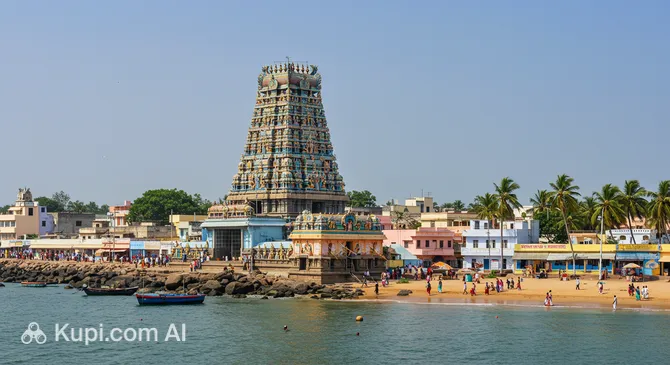
Thiruchendur Beach. Illustration.
Source: Kupi.com AI

Traveler photos:

How to Get There

Tiruchendur is one of the most important pilgrimage centers in southern India, so transportation links are quite well-developed. You can choose the most convenient route depending on your budget and time, and we provide more details on how to get to Tiruchendur below, covering the main flight and rail options.

The nearest air hub is Tuticorin Airport (IATA: TCR), located in the neighboring city of Tuticorin. The distance to Tiruchendur is only about 27 km, so a taxi ride will take approximately 1 hour. This is a small regional airport that primarily handles domestic flights from cities like Chennai and Bangalore.

If you are planning an international flight, a convenient option is Trivandrum International Airport (IATA: TRV) in the city of Trivandrum. It is located significantly further away, at a distance of about 132 km from Tiruchendur. The journey by taxi or bus will take about 3.5–4 hours. This is a major aviation hub with high passenger traffic, receiving flights from many countries around the world.

Another alternative is Madurai Airport (IATA: IXM), located in the city of Madurai, about 148 km from the destination. Travel time to Tiruchendur will be around 4 hours. This airport also serves international routes and is popular among tourists traveling through the state of Tamil Nadu.

For convenience, here is a summary of the main airports:

AirportPassenger trafficDistance
Tuticorin Airport230 15127 km
Trivandrum International Airport4.9 mln132 km
Madurai Airport1.4 mln148 km
Bandaranaike International Airport8.8 mln243 km
Kankesanturai40 000258 km

Rail travel is one of the most popular and economical ways to reach the city. Tiruchendur has its own railway station (Tiruchendur Railway Station), which is the terminus of the line. Direct trains run here from the state capital, Chennai (such as the famous Chendur Express), as well as regular passenger trains from the nearest major transport hub, Tirunelveli. Traveling by train allows you to enjoy the picturesque views of rural India and avoid traffic jams on the roads.

Main Attractions

Tiruchendur, located in the state of Tamil Nadu, attracts pilgrims and tourists with its shrines and beautiful coastline. Among the places worth visiting in this city, several key attractions stand out.

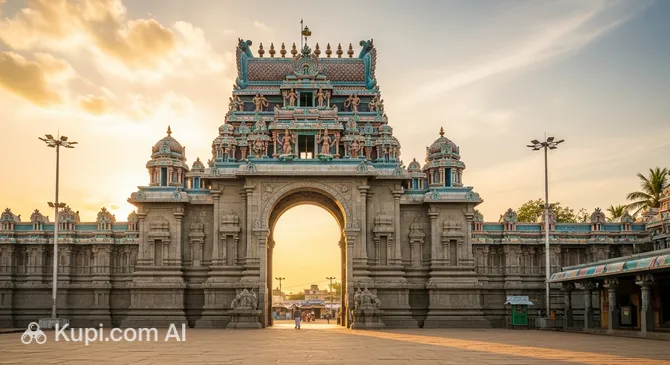
One of the city's iconic landmarks is the Tiruchendur Arch. This prominent historical structure is often seen as a symbolic gateway leading to important parts of the city or its famous temple complex. Tourists are drawn to its architectural style and the significance it holds for understanding the local flavor and history.

Tiruchendur Arch. Illustration.
Source: Kupi.com AI

Traveler photos:

For lovers of seascapes and peaceful relaxation, a visit to Tiruchendur Beach is highly recommended. This picturesque coast of the Gulf of Mannar is famous for its tranquil waters and magnificent views, which are especially impressive at sunrise and sunset. The beach is a favorite spot for leisurely strolls, meditative rest, and enjoying the fresh sea breeze.

Thiruchendur Beach. Illustration.
Source: Kupi.com AI

Traveler photos:

If you are looking for a comfortable place to stay with easy access to coastal beauty, consider the Thai Beach Resort. This resort hotel offers guests quality service and a convenient location, making it an attractive option for those planning a relaxing seaside holiday with modern amenities.

Thai Beach Resort. Illustration.
Source: Kupi.com AI

Traveler photos:

Local Cuisine

The culinary world of Tiruchendur is a true immersion into authentic Tamil cuisine with a bright coastal accent. Located by the sea, the town is famous for its dishes made from the freshest fish and seafood. Be sure to try the spicy fish curry, fragrant fried shrimp, or squid generously seasoned with traditional Tamil Nadu spices. Local chefs proudly follow recipes passed down through generations, making every dish truly special.

Among the classic treats that should not be missed are the famous "idli" (soft steamed rice cakes) and "dosa" (thin, crispy pancakes made from rice and lentil flour). They are traditionally served with a variety of piquant chutneys and aromatic sambar soup. Coconut, tamarind, and fresh herbs give local cuisine its special flair, filling the dishes with vibrant flavors. Those with a sweet tooth should try traditional Indian desserts such as "laddu" and "jalebi".

As for drinks, on a hot day there is nothing better than refreshing sugarcane juice or natural coconut water, which can be found from street vendors. Local markets always have an abundance of fresh tropical fruits: mangoes, papayas, bananas, and guavas, which are great desserts or snacks on their own.

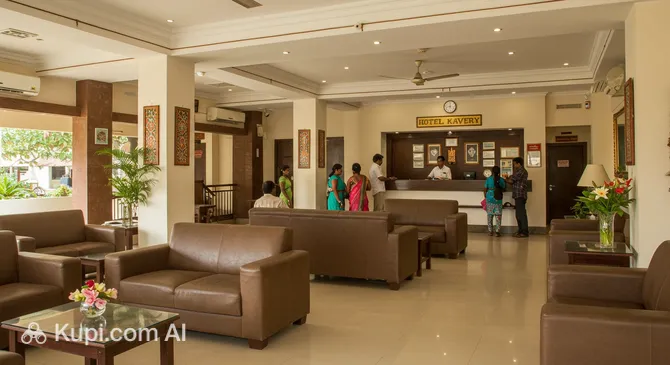
Hotel Kavery. Illustration.
Source: Kupi.com AI

Traveler photos:

The food culture in Tiruchendur is diverse. Locals and tourists often choose small cafes and street stalls where they can quickly and inexpensively enjoy authentic dishes. The city also has restaurants offering a wider choice and a comfortable setting for dinner. For example, to get acquainted with the local cuisine, you can visit Hotel Kaveri, known for its culinary offerings. Tiruchendur's gastronomic scene is a combination of tradition, fresh ingredients, and bright flavors that will not leave any gourmet indifferent.

Travel Tips

Welcome to Tiruchendur! To make your trip to this significant pilgrimage center in India as comfortable and memorable as possible, we have prepared some practical tips. They will help you better navigate the area and avoid common mistakes.

  1. Clothing and Essentials:

    A hot and humid climate prevails in Tiruchendur, so choose light, breathable clothing made from natural fabrics (cotton, linen). For visiting the Murugan Temple and other religious sites, a modest dress code is mandatory: clothing must cover shoulders and knees. Men may need to remove upper garments to enter some parts of the temple, and women are recommended to wear saris, long skirts, or shalwar kameez. Don't forget sunscreen, a hat, sunglasses, and comfortable, easy-to-remove shoes (sandals are ideal, as shoes must be removed before entering temples). A universal power adapter for electronics will also be useful.

  2. Local Transport:

    Tiruchendur is a relatively small town, and getting around is most convenient by autorickshaws (tuk-tuks) or local buses. Be sure to agree on the fare for an autorickshaw ride in advance. Taxis in the conventional sense are less common, and popular ride-hailing apps may have limited coverage. Car rental is usually not required and can be difficult due to local traffic specifics; for trips to the surrounding area, it is better to hire a car with a driver.

  3. Finance:

    The local currency is the Indian Rupee (INR). You can exchange currency at banks or authorized exchange points, but there may be few of them, so it's better to have some cash exchanged in advance. Credit and debit cards are accepted in large hotels and some shops, but for everyday expenses, purchases at markets, and in most local establishments, cash will be needed. ATMs are available, but it's better to use those located at bank branches. Tipping is not mandatory but appreciated for good service (usually 5-10%).

  4. Health and Safety:

    There are pharmacies in the city, but it's better to bring a basic set of medicines with you. If you need medical help, you can contact local clinics or the government hospital; for serious cases, a trip to a larger city may be required. Travel insurance is highly recommended. Tiruchendur is considered quite a safe city, especially during the day. However, always observe standard precautions: keep an eye on your belongings, especially in crowded places, and avoid walking alone in poorly lit areas at night. Drink only bottled or boiled water.

  5. Communication:

    The main language spoken in Tiruchendur is Tamil. English is common in the tourism sector (hotels, some shops), but not everywhere. Learning a few simple phrases in Tamil, such as "Vanakkam" (Hello/Hi), "Nanri" (Thank you), and "Evvalavu?" (How much?), will help you connect with the locals. SIM cards from local operators (e.g., Airtel, Jio) can be purchased upon presentation of a passport and visa. Wi-Fi is available in most hotels and some cafes.

  6. Local Etiquette:

    Show respect for local traditions. It is customary to remove shoes when entering temples and homes. Eat and pass items with your right hand, as the left hand is traditionally considered unclean. Public displays of affection are not encouraged. You can greet locals with a slight nod of the head or the word "Vanakkam". Indians are usually friendly and helpful; respond to them with politeness.

  7. What to Avoid:

    Do not photograph people without their explicit permission, especially women and scenes of religious rites. Also, refrain from criticizing local customs, religion, or food, even if they are unfamiliar to you. A respectful attitude towards the culture of India will make your trip more pleasant.

  8. Special Tip:

    The Tiruchendur Murugan Temple, the city's main shrine, is located right on the shore of the Gulf of Mannar. Try to visit it at sunrise or sunset — the views and atmosphere at this time are especially impressive. Check the schedule of pujas (religious services) in advance to catch the temple in its full glory. Be prepared for a large number of pilgrims, especially on holidays and weekends.

We hope these tips help you plan an unforgettable trip to Tiruchendur. Enjoy the unique atmosphere of this sacred place, its culture, and the hospitality of the locals!

Entertainment & Nightlife

Tiruchendur, known primarily as an important pilgrimage center in India, offers its guests a calm and peaceful atmosphere, which is reflected in its evening entertainment. You won't find noisy nightclubs or bar districts open until dawn here. Instead, Tiruchendur encourages leisurely dinners and quiet evenings, making it ideal for those seeking a break from the city bustle.

The main form of evening leisure in Tiruchendur is visiting local restaurants where you can enjoy traditional South Indian cuisine. Many establishments offer a cozy setting for family or friendly dinners. For example, the Hotel Kaveri restaurant is popular with both locals and tourists for its cuisine. Generally, restaurants here stay open until 10:00 PM - 11:00 PM, so it's best to plan a late dinner in advance.

Some resort hotels, such as the Thai Beach Resort or the Pearl Garden Resort, may offer their guests restaurants or lounge areas where they can spend the evening in a more comfortable and quiet setting. However, don't expect an active nightlife program or loud parties from them; these are more likely places for relaxed rest after a full day of excursions and walks.

Pearl Garden Resort. Illustration.
Source: Kupi.com AI

Traveler photos:

There are virtually no specialized nightclubs, bars with loud music, or lively concert venues in Tiruchendur. The city adheres to a more traditional way of life and goes to sleep quite early. For those looking for outdoor evening activities, a pleasant alternative could be a walk along the waterfront or around the picturesque Tiruchendur Beach, especially at sunset when the daytime heat subsides and you can enjoy the sea breeze.

To get around the city in the evening, it is convenient to use the services of autorickshaws, which are a common form of transport. It is recommended to always agree on the fare in advance to avoid misunderstandings. Tiruchendur is generally considered a safe city for tourists. Nevertheless, as in any other place, it's worth observing basic precautions after dark and avoiding deserted areas. It is better to return to the hotel not too late, as public life in the city quietens down.

During the day, Tiruchendur offers other types of leisure. Besides visiting the famous Arulmigu Subramanya Swamy Temple, which is the city's main spiritual attraction, you can explore other interesting spots. For example, it is worth seeing the Tiruchendur Arch or spending time on the previously mentioned beach. The city does not have large amusement parks or major museum complexes in the conventional sense; the focus is on spiritual heritage and the natural beauty of the coastline.

Parks & Museums

Tiruchendur, known for its magnificent temple by the sea, offers visitors not only a spiritual pilgrimage but also the opportunity to enjoy the natural beauty of the coast and touch its cultural heritage. Although the town may not boast extensive parks or numerous museums in the traditional sense, its charm lies in a unique combination of faith, history, and nature.

The main natural attraction is, undoubtedly, Tiruchendur Beach. This is a popular spot among locals and pilgrims, where one can relax, enjoy the sea breeze, and watch the sunrise or sunset. The beach is also an important part of the rituals associated with the nearby Arulmigu Subramanya Swamy Temple and offers a unique atmosphere where spirituality meets the natural elements. The temple complex itself, located right on the shore, is also surrounded by spaces that serve as places for rest and contemplation, resembling a kind of sacred garden.

As for museums, Tiruchendur offers more of a living immersion into history and culture than formal exhibitions. The city's main temple, Arulmigu Subramanya Swamy, is a grand open-air museum in its own right, showcasing magnificent Dravidian architecture, exquisite sculpture, and centuries-old religious traditions. Every corner and every bas-relief tells its own story. Among other significant historical sites, the Tiruchendur Arch stands out, serving as a gateway to the city's sacred space and acting as an important landmark and memorial sign.

For a more authentic experience and deep immersion into the atmosphere of Tiruchendur, we recommend walking through the streets adjacent to the temple. Here you can find small but very colorful shrines, as well as shops selling religious items, flower garlands, and local handicrafts. Be sure to visit Nazhikkinaru, a sacred freshwater well located just a few meters from the salty sea, which is considered a local miracle and attracts many believers for ritual bathing.

Getting Around

Public transportation in Tiruchendur is primarily represented by buses and autorickshaws, which is typical for towns of this size in India. Understanding how they work will help you easily get around the town and its surroundings.

Buses are the main and most economical form of transport in Tiruchendur. State and private buses connect different parts of the city and also link Tiruchendur with nearby towns and villages. Routes may not always be clearly marked in English, so feel free to ask local residents or the conductor. Buses run quite frequently throughout the day, but the schedule may be loose. Fares are usually paid in cash directly to the conductor on the bus; the ticket price depends on the distance.

Autorickshaws are a popular and convenient way to travel short and medium distances. They are easily available throughout the city. It is important to agree on the fare before starting the journey, as meters are not always used or may be out of order. Autorickshaws offer more flexibility than buses and can take you directly to your destination.

Taxis are less common in Tiruchendur than autorickshaws, but they can be found, especially near the temple or the bus station. As with autorickshaws, it is recommended to agree on the price in advance. Some hotels can help with calling a taxi.

Tips for tourists: Always carry small change in cash for paying bus fares and autorickshaws. During peak hours, buses can be overcrowded. For autorickshaw rides, don't be afraid to haggle to get a fair price. Ask locals or your hotel about the most convenient routes and approximate fares. Most transport services start operating early in the morning and finish late in the evening, but the frequency of movement may decrease at night.

There are no specialized systems such as subways, trams, or city-wide bike rentals in Tiruchendur. For short distances, especially in the town center, it is quite comfortable to get around on foot.

Accommodation

In Tiruchendur, travelers will find a variety of accommodation options to suit different budgets and preferences. The main selection includes guesthouses, budget hotels, and mid-range hotels. Resort hotels are also available, offering a more comfortable stay, especially for those seeking a seaside vacation.

The most popular areas for tourists to stay are those located near the main attractions, for example, close to Tiruchendur Beach. Many prefer to stay near the coast to enjoy the sea breeze and easy access to beach activities. It is also worth considering housing options conveniently located relative to transport hubs, which makes moving around the city easier.

Among the well-known options are resort hotels such as the Thai Beach Resort and the Pearl Garden Resort, which offer comfortable conditions for vacationers. These hotels often have additional amenities, making the stay more pleasant.

Regarding prices, you can find both budget options and mid-range accommodation in Tiruchendur. There may be few luxury hotels from international chains here, but local resort hotels offer a decent level of service. It is recommended to book accommodation in advance, especially if your trip coincides with the peak tourist season or major festival days. For booking, it is convenient to use popular online platforms or contact the chosen hotel directly.

Nearby Cities

For those who want to explore the surroundings, Tiruchendur serves as an excellent starting point for day trips to several interesting nearby locations. For example, just 8 kilometers away is Kayalpatnam, an ancient port city with a rich history that was once a center for the pearl trade. Another attractive destination is Tuticorin (Thoothukudi), located about 30 kilometers away—a major port city known for its beaches, churches, and salt production. For lovers of ancient architecture and spiritual centers, a trip to Tirunelveli (about 46 km) is worth considering, where the main attraction is the majestic Nellaiappar Temple. Below is a table with these and other nearby cities that may be of interest for a short visit:

CityPopulationDistance
Virapandianpattanam9 5562 km
Sermadevi21 5233 km
Kayalpattinam43 1168 km
Paramankurichi11 9138 km
Arumuganeri32 8098 km

These nearby destinations provide an insight into the diverse culture and landscapes of the region in India, complementing the experience of staying in Tiruchendur.

Shopping & Souvenirs

Shopping in Tiruchendur offers a rather specific experience, oriented primarily towards pilgrims and tourists interested in local culture and religious artifacts. The town is not a major commercial center, so you won't find large modern malls or designer boutiques here. Instead, shopping here is an immersion into the atmosphere of traditional Indian trade, with a focus on goods related to the famous Murugan temple, as well as local handicrafts.

The main shopping spots are concentrated around the Tiruchendur Murugan Temple and on the adjacent streets. Many small shops and stalls offering a wide range of goods are located here. Bustling trade also takes place along the main roads leading to the temple and the beach. These are usually small family-run shops where you can find everything you need.

There are no large shopping centers in Tiruchendur in the traditional sense. Instead, rows of small shops and stalls are available to buyers. The focus here is shifted from branded goods to authentic local products and basic necessities. If you are looking for specific modern goods, the choice may be limited.

Local markets play an important role in the city's commercial life. While there may not be specialized flea markets or large souvenir markets, you will find traditional Indian bazaars selling fresh fruit, vegetables, flowers (especially for temple offerings), spices, and everyday items. You can also find stalls with simple souvenirs and handmade products here.

As souvenirs from Tiruchendur, it is worth bringing back items related to the Hindu religion: images of deities (especially Murugan), copper and brass items for puja, incense, and religious books. Items made from palm leaves, shells (the city is on the coast), as well as traditional South Indian fabrics and clothing are also popular if available in local shops. Sometimes you can find interesting pieces from local artisans.

Shops in Tiruchendur are usually open from the morning (around 9:00 AM - 10:00 AM) until the evening (8:00 PM - 9:00 PM), and many may close for a lunch break in the middle of the day. Cash remains the main method of payment in small shops and markets. Some larger stores may accept bank cards or digital payments via UPI, but it is always better to have enough cash with you. There are ATMs in the city, but their number may be limited.

The possibility of a tax refund (Tax Free) for tourists in Tiruchendur is unlikely for most purchases, as this system is usually applied in major international airports and specialized stores catering to foreign tourists, who are not as numerous in small pilgrimage centers. It is recommended to clarify this point directly at the place of purchase if you are buying an expensive item.

Reached the end of the page?

That means the route is fully explored