Support

Jagmandir Island Palace

About

Jagmandir, often called the Island Palace, is a true architectural marvel located on one of the islands in the picturesque Lake Pichola in Udaipur. Built of yellow sandstone and marble, this magnificent palace seems to float on the water's surface, creating a truly magical sight. A trip to India would be incomplete without witnessing this fairytale structure, which is one of the city's symbols.
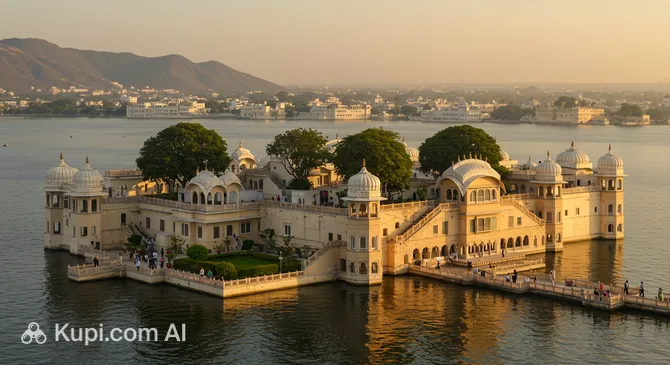
Jagmandir Island Palace. Illustration.
Source: Kupi.com AI

Traveler photos:

Construction of the palace began in the 17th century, and for many years it served as a summer residence and a venue for grand receptions for the rulers of the Mewar dynasty. Jagmandir is also famous for providing refuge to important historical figures, including the Mughal Prince Khurram, the future Emperor Shah Jahan, who, legend has it, was inspired here to create the Taj Mahal. This gives the place special historical depth and significance.

The architectural ensemble of the palace includes several pavilions, exquisite gardens, and courtyards. Of particular note is the Gul Mahal—a pavilion with an impressive interior decorated with the famous pietra dura inlay. The entrance to the palace is guarded by majestic marble elephants, which have become its hallmark. Today, a luxury hotel is located on the grounds of Jagmandir, but its beauty can be enjoyed during a boat trip on Lake Pichola, especially at sunset when the palace is bathed in golden hues.

Contacts

Since Jagmandir (Island Palace) is managed by the Taj Hotels group, it is best to contact their representatives directly for the most accurate information, event bookings, or visit details. Below are the primary contact details.

How to contactContact
AddressPichola, Udaipur, Rajasthan 313001, India
Phone number+91 294 242 4186
Websitewww.hrhhotels.com

What to Do

A visit to Jagmandir on scenic Lake Pichola begins with a tranquil boat ride, which is a lovely experience in itself. Once you arrive on the island, you can take a leisurely stroll across the palace's spacious terraces, offering breathtaking panoramic views of the water and the majestic Aravalli Mountains. It's the perfect spot for photos or simply enjoying a moment of peace away from the city's noise.

The main activity at Jagmandir is exploring its magnificent architecture. Notice the luxurious interiors: the floors are inlaid with black and white marble, and the walls are adorned with exquisite multicolored stone arabesques, reminiscent of the Taj Mahal style but with unique Hindu motifs. Wander through the courtyards, where bubbling fountains and manicured gardens create an atmosphere of royal luxury and serenity. Every detail of the palace tells the story of Rajput craftsmanship.

Beyond the architectural beauty, Jagmandir offers other experiences. The palace grounds house a hotel where you can feel like royalty, and several restaurants. Dining at one of them with a view of the illuminated City Palace on the opposite shore is an unforgettable way to end the day. An interesting fact for movie buffs: the James Bond film "Octopussy" was filmed here, which adds even more charm and popularity to the site.

Getting There

Jagmandir Palace is situated on an island in the middle of picturesque Lake Pichola, making the journey there special and memorable. The only way to reach this magnificent structure is by water. Boats depart regularly from central Udaipur, specifically from the jetties near the City Palace and other popular tourist spots on the shore. The ride itself takes only a few minutes, but it offers stunning views of the lake, surrounding palaces, and cityscapes, making the trip an integral part of the excursion.

To reach the boat departure point, you first need to arrive in Udaipur. The city is well-connected to other major hubs in India. You can fly into Maharana Pratap Airport, which is about 25 kilometers from the city, or arrive by train or bus. Once in Udaipur, whether at the airport or railway station, the shores of Lake Pichola are easily accessible by taxi or auto-rickshaw. Just tell the driver you need the jetty for Jagmandir, and they will take you to the right place.

Nearest city: Udaipur

History & Facts

Jagmandir, rising majestically from Lake Pichola, is known not only as the "Island Palace" but also as a place with a truly legendary history. Its construction was begun in the 17th century by the rulers of Mewar. One of the most famous chapters of its history is linked to Prince Khurram, the future Mughal Emperor Shah Jahan. In 1623, after rebelling against his father, he found refuge right here. It is believed that the splendor and tranquility of Jagmandir inspired him to create one of the wonders of the world—the Taj Mahal.

More than two centuries later, the palace once again proved its status as a reliable sanctuary. During the uprising of 1857, Maharana Swarup Singh provided refuge here to several European families fleeing the unrest. To ensure their complete safety, the ruler ordered all boats on the lake to be destroyed, effectively turning the island palace into an impregnable fortress. This gesture of hospitality and protection has forever etched Jagmandir into history as a symbol of peace and asylum.

Originally, the palace served as a luxurious summer residence for the royal family and a venue for grand receptions and durbars—official gatherings. Today, Jagmandir, having carefully preserved its historical appearance, has been transformed into a luxury hotel but has not lost its significance as one of the most important cultural heritage sites in Udaipur. Its elegant pavilions, marble elephants at the jetty, and picturesque gardens continue to delight visitors, serving as a reminder of the glorious past and unique history of this place.

Time Needed

It is recommended to set aside about 2-3 hours to visit Jagmandir, including the boat trip to and from the island. This is enough time to leisurely walk through the entire grounds, explore the exquisite pavilions, admire the marble elephant sculptures guarding the entrance, and take in the stunning views of Lake Pichola and the Udaipur City Palace.

If your plans include a more relaxed stay, your visit could easily last much longer. The island features restaurants and a spa, so a visit can easily stretch to half a day or more. You can plan a romantic dinner while enjoying the sunset or simply spend a few hours in the peaceful atmosphere of this historic site, away from the city's hustle and bustle.

Working Hours

Jagmandir (Island Palace) is typically open to tourists daily. Standard hours are from 9:00 AM to 6:00 PM. It is important to remember that the palace grounds now house a hotel, so the exact access times for day visitors may vary depending on the season and scheduled events. For guests staying at the hotel, access to the island is generally open 24/7.

To reach the palace, you need to take a boat from the City Palace jetty. It is recommended to check the current schedule and ticket prices in advance, especially during the peak tourist season. The most reliable way to get up-to-date information is to check the hotel's official website or contact local travel agencies in Udaipur before planning your trip.

Nearby

A visit to such an iconic site as Jagmandir (Island Palace) is undoubtedly a highlight of any journey through Udaipur. However, to get a full sense of the city's magical atmosphere, it's worth exploring the surrounding areas as well. Often, the most interesting discoveries await just around the corner—whether it's a scenic promenade, an ancient temple, or a viewpoint with breathtaking vistas.

Strolling through nearby attractions will not only enrich your experience but also allow you to dive deeper into the culture and history of the "City of Lakes." Below is a list of interesting places located in the immediate vicinity of the palace to help you plan the perfect exploration route.

NameDistance
Lake Pichola Boat Ride Point0.6 km
Lake Pichola0.7 km
Mansapurna Karni Mata Ropeway0.8 km
Lake Palace0.9 km
Ambrai Ghat1.1 km
Udaivilas1.2 km
Karni Mata Temple1.2 km

Have you reached the end of the page?

So the route has been studied inside and out