Support

Ahar Museum

About

In the eastern part of Udaipur lies a hidden gem where time seems to stand still amidst white stone. The Ahar Museum is not just an exhibition space, but an impressive archaeological complex in the Ayad district, featuring a collection of royal cenotaphs (chhatris) and rare historical finds. This site serves as a timeless reminder of the grandeur of the Mewar dynasty, which ruled this part of India for many centuries.
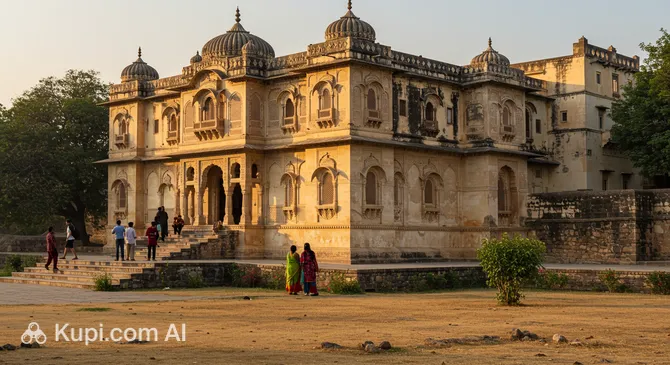
Ahar Museum
Ahar Museum. Иллюстрация. Источник: Kupi.com AI

The heart of the complex is occupied by more than 250 cenotaphs—memorial structures built in honor of rulers and their family members. These graceful domed structures, many of which are over 350 years old, create a unique architectural ensemble. Particularly noteworthy are the 19 tombs dedicated to the great Maharanas, whose names are forever etched in the annals of Rajasthan.

In addition to the majestic monuments, the Ahar Museum houses a unique archaeological collection. Here, you can see artifacts dating back to 1700 BC, providing a glimpse into the region's deep past long before the city itself was founded. The peaceful atmosphere and absence of noisy crowds make this an ideal spot for those wanting to feel the authentic spirit of Mewar history.

Contacts

For those planning a visit on their own, the essential contact information is provided below. The site is located in an accessible part of the city, making it easy to find on a map.

How to contactContact
AddressMain Rd, Ayad, Ganapati Nagar, Udaipur, Rajasthan 313001, India

What to Do

A stroll through the grounds turns into a true journey through the centuries. The main thing to do at the Ahar Museum is to take a detailed look at the majestic cenotaphs. These domed structures, adorned with intricate carvings, are outstanding examples of Rajasthani architecture. Photographers will find endless inspiration here, capturing the play of light and shadow on the white pillars of the chhatris against the clear sky.

Inside the exhibition halls, visitors will encounter profound antiquity. Rare artifacts are on display, ranging from delicate pottery and ancient sculptures to everyday objects used by people thousands of years ago. Studying the exposition allows one to understand how the region's culture developed and the role the Mewar rulers played in its prosperity.

For a more immersive experience, it is recommended to spend time exploring the 19 main cenotaphs of the Maharanas, which are the most significant sites in the complex. This is an ideal place for quiet contemplation and thoughtful study of history away from the hustle and bustle of the main tourist quarters. A visit to Ahar pairs perfectly with a walk through the authentic Ayad neighborhood, where you can observe the slow pace of local life.

Getting There

Reaching the complex is easy, as it is located just 2 kilometers east of the city center. The most popular and convenient way is to take a taxi or a motorized rickshaw. The ride from Lake Pichola or the City Palace takes about 10 minutes and costs an average of 100–200 Indian Rupees.

If you prefer an active holiday, the museum is well within walking distance or reachable by rented bicycle, allowing you to enjoy the atmosphere of the city streets. The main landmark for navigation is Main Road in the Ayad district. Those arriving in the city by train will find themselves very close: the railway station is only 3 kilometers from the attraction.

For travelers arriving at Udaipur airport, a taxi ride will take about 20–30 minutes, as the distance is approximately 15 km. The Ayad area is characterized by its tranquility and good transport accessibility, making a visit to the museum comfortable at any time of year.

Ближайший город: Udaipur

History & Facts

The history of this site is inextricably linked to the prosperity and evolution of the Mewar region. Long before Maharana Udai Singh II founded the modern city in 1559, the Ayad area served as a flourishing trade center and even was the capital of the kingdom between the 10th and 12th centuries. Archaeological findings confirm that people lived here as early as prehistoric times, dating back to 1700 BC.

The cenotaph complex began to take shape as a sacred place of commemoration for the rulers of the Sisodia clan. Today, there are more than 250 memorials here, the oldest of which were built over three and a half centuries ago. Each monument is a tribute to the courage and legacy of the Rajput kings.

One of the most remarkable and historically significant parts of the complex are the 19 tombs of the Maharanas. These structures serve as reminders of ancient customs, including the sati ritual practiced in those distant times. The architecture of the memorials clearly demonstrates the evolution of Rajasthani styles, combining austerity of form with the elegance of decorative elements.

Over time, the area has transformed into a full-fledged museum. Today, it carefully preserves the memory of the Mewar dynasty, serving as an important cultural center where visitors can see the living embodiment of the centuries-old traditions and customs of the region's rulers.

Time Needed

Most travelers find that 1–2 hours is sufficient to explore this historical site. This allows enough time for a leisurely stroll among the white stone cenotaphs, taking memorable photos, and carefully studying the archaeological collection in the museum halls.

Typically, visitors spend about 30–45 minutes exploring the outdoor grounds with the memorials and another 30 to 60 minutes viewing the indoor exhibits. If you are passionate about ancient civilizations or architectural photography, you might want to stay longer to fully experience the peaceful atmosphere of this place.

Working Hours

When planning your visit, keep in mind that the museum welcomes guests daily. The doors of the complex are open from 09:45 AM to 05:15 PM, including Saturdays and Sundays, making it easy to fit Ahar into any sightseeing schedule.

9:45 – 17:15

Nearby

Exploring the surrounding Ayad district can significantly enrich your trip. After diving into history at the Ahar Museum, it’s worth noting other interesting places located nearby that offer both educational insights and entertainment for the whole family.

The proximity to central districts allows for a quick switch from viewing ancient artifacts to walking by famous lakes or visiting modern exhibition galleries. Below is a list of nearby attractions that may interest you:

NameDistance
Zeno Rooftop Lounge1.2 km
The Belmonte House1.8 km
Ambedkar Circle2.5 km
Bawarchi Restaurant2.6 km
Mega Store2.8 km
Navlakha Mahal3.3 km
Shiksha Bhawan Circle3.5 km

Reached the end of the page?

That means the route is fully explored