Support

Istana Taman Jepun Bali

About

On the outskirts of Denpasar lies an amazing corner of nature — the Istana Taman Jepun (Bali Japanese Garden Palace). This picturesque space is a specialized botanical garden and a conservation center for the genetic material of Indonesia's flora. The site is rightfully considered a true tropical paradise, focusing on one of the island's most revered flowers — the frangipani.
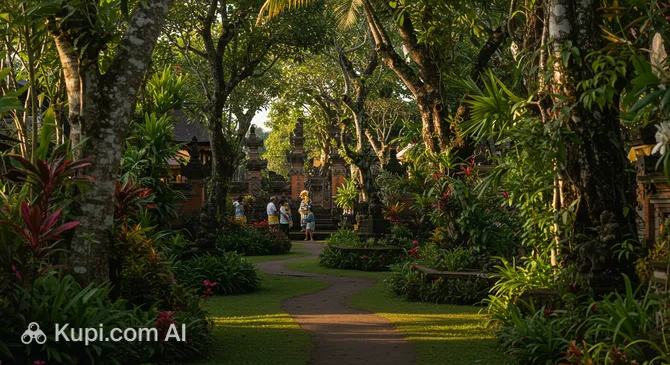
Japanese Garden Palace Bali
Japanese Garden Palace Bali. Иллюстрация. Источник: Kupi.com AI

The garden's main feature is its vast collection of various plumeria (frangipani) varieties, which fill the air with a delicate, sweet fragrance. It is more than just a park; it is a well-maintained area with harmonious landscape design where blooming alleys sit alongside decorative elements in Balinese and Japanese styles. Everything is designed for visitors to take a break from city noise and immerse themselves in an atmosphere of tranquility.

The garden is popular with both locals and tourists due to its cozy and photogenic setting. With a rating of 4.5, this place confirms its status as an excellent option for a peaceful getaway, offering guests not only aesthetic pleasure but also the opportunity to discover the unique plant wealth of Bali.

Contacts

For more information about visiting or booking services, you can use the following contact details:

How to contactContact
AddressJl. Hayam Wuruk No.104H, Sumerta Kelod, Kec. Denpasar Tim., Kota Denpasar, Bali 80235, Indonesia
Phone+62 361 4745534
Websitewww.istanatamanjepun.com

What to Do

The main reason to visit this garden is for meditative walks among the flowers. You can see a unique collection of frangipani in many different shades and shapes. It is an ideal spot for photo shoots: well-kept paths, bright blossoms, and decorative bridges create stunning backdrops for pictures.

For those seeking more active experiences, there is entertainment for the whole family on the grounds. Children and adults can jump on trampolines or rent small electric cars for a comfortable tour of the extensive territory. This is especially convenient if you want to explore every corner of the garden without getting tired from walking under the hot sun.

As evening approaches, the garden becomes an ideal place to watch the sunset. Many visitors arrange small picnics on the grass or simply relax in the rest areas, breathing in the floral scent that intensifies toward evening. The peaceful atmosphere of the garden promotes complete relaxation and allows you to feel harmony with nature right within the city limits.

Getting There

The attraction is located in the eastern part of the city at Jl. Hayam Wuruk No.104H. The easiest way to get here is by taxi using popular apps on the island like Grab or Gojek. A trip from central districts or Ngurah Rai International Airport will take about 20–30 minutes, although travel time may increase during peak hours due to heavy traffic.

For those who prefer freedom of movement, renting a scooter is an excellent option. This allows you to avoid being stuck in traffic and easily find a spot in the parking lot provided on the complex grounds. If you are coming from Kuta or Seminyak, plan for about a 40-minute journey.

Public transport in the area is represented by local microbuses (bemos) that run to the nearest intersections on Hayam Wuruk Street. From the stop, it’s just a few minutes' walk to the garden entrance. However, for maximum comfort, tourists are recommended to choose private transport or a taxi.

Ближайший город: Denpasar

History & Facts

Istana Taman Jepun, also known as the Bali Japanese Garden Palace, is not just a place for walking, but an important center for preserving Indonesia's biodiversity. Unlike the ancient royal residences on the island, this project was created to protect and study the genetic material of tropical flora. The primary focus here is on the conservation of various species of plumeria (frangipani), which is a symbol of Balinese culture.

Frangipani plays a key role in the lives of local residents: the flowers are used in daily offerings to the gods, as ornaments for dancers, and in temple landscaping. The garden serves as a kind of living museum where rare and endangered varieties of this plant are gathered, promoting their propagation and popularity among botany enthusiasts.

While this site does not have centuries of history like Bali's famous Hindu temples, it fits harmoniously into the modern context of ecotourism. The garden's creators sought to reflect the traditional Balinese respect for nature, creating a space where a scientific approach is combined with the aesthetics of a tropical paradise. Today, the garden is considered one of the leading private botanical projects in the region.

Time Needed

Most tourists need about 1–2 hours for a leisurely tour of the main grounds and the flower collection. This is quite enough time to stroll through all the alleys, take beautiful photos, and enjoy the fragrance of the blooming trees.

If you are traveling with children and plan to use the play areas or trampolines, it is worth setting aside 2–3 hours for your visit. Many visitors also prefer to stay in the garden until evening to watch the sunset and enjoy the evening breeze when the atmosphere becomes most peaceful.

Working Hours

The garden welcomes guests daily, including weekends and holidays. You can plan your visit at any convenient time from 09:00 AM to 09:00 PM. This extended schedule allows you to enjoy the garden both in bright daylight, when the flowers are most vibrant, and in the evening, when the decorative lighting is turned on.

9:00 – 21:00

Nearby

Exploring the surroundings after visiting the garden will help you get a full impression of the variety of entertainment in this part of the island. Nearby, you will find both active adventure centers and places for quiet family relaxation.

NameDistance
Bali Reef Aquarium1.9 km
Bung Karno Museum2.1 km
Sindhu Beach3 km
Level 21 Mall3.3 km
Jro Kuta Royal Palace4 km
Maya Sanur Resort & Spa4.1 km
Sanur Beach4.9 km

Reached the end of the page?

That means the route is fully explored