Support

Astan Quds Razavi Museums

About

In the heart of the sacred city of Mashhad lies one of the most impressive cultural sites, rightfully considered a point of pride carefully preserved by Iran. The Astan Quds Razavi Museums are not just exhibition halls, but a grand complex combining spiritual history, art, and science. Founded in 1937, it is the largest repository of the country's cultural heritage.
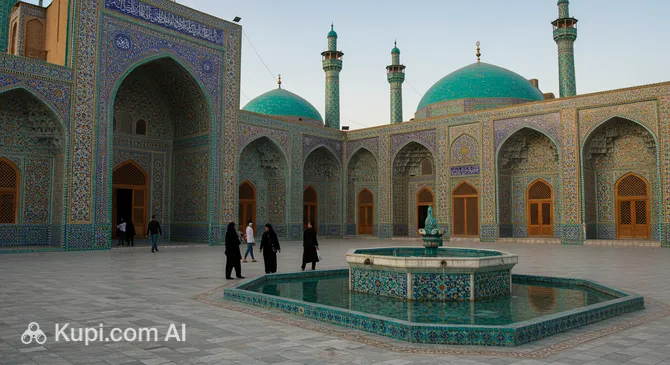
Astan Quds Razavi Museums. Illustration.
Source: Kupi.com AI

Traveler photos:

The complex is inextricably linked to the majestic Imam Reza Shrine and is managed by the charitable foundation of the same name. It houses the rarest artifacts collected over centuries: from ancient gifts from pilgrims to state relics. A special place is held by the Central Museum, opened to the public in 1964, and the legendary library, whose history can be traced back to the 15th century.

Visiting these museums is an opportunity to see an incredible variety of collections: from precious carpets and weapons to astronomical instruments and unique stamps. This place attracts not only pilgrims seeking spiritual solitude but also travelers from all over the world wishing to touch the living history of the East.

Contacts

To help you plan your itinerary, we have prepared up-to-date contact information to help you find your way and, if necessary, clarify details of your visit to the Astan Quds Razavi Museums.

How to contactContact
Address7JP8+J9H District Samen, Mashhad, Иран
Phone+98 51 3224 1105
Websitemuseum.razavi.ir

What to Do

The main reason to visit the Astan Quds Razavi Museums is to witness authentic masterpieces of Persian craftsmanship. Visitors can spend hours examining the carpet collection, which impresses with the complexity of patterns and the preservation of colors despite their venerable age. Equally fascinating is the tour of the halls containing historical edged weapons and firearms, as well as a collection of ancient coins reflecting the economic history of the region.

Particular attention should be paid to the manuscript hall. Here, ancient copies of the Quran are kept, executed on parchment and paper by outstanding calligraphers of past eras. Many of these documents date back to the Safavid period and contain invaluable information about the social and religious life of the city in the 16th–18th centuries. The elegance of the lines and the gold embossing on the pages of the manuscripts evoke genuine admiration.

In addition to historical treasures, the museum features exhibitions of jewelry and decorative arts. You will be able to see how the tastes and techniques of jewelers have changed over the centuries. Be sure to visit the department dedicated to gifts presented to the shrine: among them are truly unique items donated by rulers of different countries and ordinary believers alike.

Getting There

Finding this cultural complex is easy, as it is located in the very heart of Mashhad, within the Samen District. The museums are an integral part of the architectural ensemble of the Imam Reza Shrine, so any signpost directing you to the shrine will also lead you to the museum halls.

Most tourists prefer to get here by taxi — it is the fastest and most comfortable way to move around the city. If you want to experience the local rhythm of life, you can use public transport: bus routes heading to the center stop within walking distance of the main entrances to the complex.

For those arriving in the city by train, the Mashhad Railway Station is relatively close. From there, you can reach the site by taxi in just 10–15 minutes, depending on traffic. If you are already inside the sacred shrine complex, the museums can be easily reached on foot by following the internal signs.

Nearest city: Mashhad

History & Facts

The history of this site is inextricably linked with the name of Imam Reza, the eighth Shia Imam, whose mausoleum became the core around which modern Mashhad grew. The Astan Quds Razavi foundation, which manages the shrine, has carefully preserved the offerings of the faithful for centuries, eventually resulting in one of the richest collections in the Islamic world.

The official history of the museum complex began in 1937, when it was decided to systematize the accumulated treasures and open them to the public. In 1964, the Central Museum opened its doors, marking an important milestone in the country's cultural life. Notably, the library included in the complex is mentioned in chronicles as far back as 1457, making it one of the oldest book repositories in the region.

Significant expansion and restoration of the buildings took place in the mid-20th century, during the Pahlavi dynasty. It was then that new buildings were erected around the tomb, harmoniously combining features of traditional Persian architecture with modern requirements for museum spaces. Today, these are not just halls with exhibits, but a living testament to the spiritual continuity of generations.

Time Needed

To fully appreciate the scale and richness of the collections, we recommend setting aside 3 to 4 hours for your visit. This time is enough to walk through the main halls of the Central Museum without rushing, look into the unique library, and examine the details of ancient manuscripts.

If you are a true connoisseur of Islamic art, calligraphy, or numismatics, you could easily spend an entire day in the museum halls. The exposition is so dense and full of fine details that a cursory glance might leave you feeling like you've missed something. Also, allow time to pass through the shrine territory, which is worth a long walk in its own right.

Working Hours

The museum complex welcomes guests daily, which is very convenient for tourists with a busy schedule. The doors of the halls are open from 08:00 to 17:45 seven days a week, including Friday, which is a traditional day off in this part of the world.

Please note that the schedule may change slightly during major religious holidays or national events. Before your visit, we strongly recommend checking the information on the foundation's official website to ensure your visit is as comfortable as possible.

08:00–17:45

Nearby

Exploring the surroundings of the main museum complex is a unique chance to see the many facets of the city and complement your travel impressions. Mashhad offers guests both spiritual attractions and modern entertainment centers.

If you feel like a change of scenery after diving into history, take a look at the parks and recreation areas located within easy reach. The table below lists interesting locations that you can visit nearby.

NameDistance
Darugheh Historical House0.6 km
Arman Shopping Center0.8 km
Tomb of Nader Shah1 km
Green Dome1.2 km
Pesaran Karim Restaurant2.1 km
Ferdowsi Shopping Center3 km
Mashhad Garden3.7 km

What to see in nearby cities

Reached the end of the page?

That means the route is fully explored