Support

Beersheba

About

Be'er Sheva is not just a point on the map, but the true heart of the Negev Desert, a city that wonderfully combines ancient traditions with the rhythm of a modern metropolis. Located in Israel, it serves as a bridge between vibrant urban civilization and the majestic, serene landscapes of the desert. Often called the "capital of the Negev," it is rightfully considered the gateway to the southern part of the country.

Geographically, the city is located in the Southern District, on the edge of the desert expanses, which accounts for its dry and warm climate with plenty of sunny days. Today, about 209,000 people live here, making Be'er Sheva one of the largest settlements in the region. Despite its size, the city maintains a cozy and even somewhat relaxed atmosphere, perfect for leisurely walks.

Beersheba. Illustration.
Source: Kupi.com AI

The uniqueness of this place lies in its contrasts. Although the rich history of Be'er Sheva is rooted in deep antiquity and linked to biblical legends of the patriarch Abraham, today the city breathes with youth and energy. This is largely due to the famous Ben-Gurion University, which attracts students and scientists, turning the ancient settlement into an important educational and technological hub.

Be'er Sheva attracts travelers with its diversity: here you can explore Ottoman-era architecture in the Old City, visit a colorful Bedouin market, or relax in green parks that are true oases among the sands. Come here to experience the "different," southern flavor of the country, enjoy the hospitality of the locals, and begin your acquaintance with the mysterious Negev.

Weather Overview

The climate of Be'er Sheva is determined by its location on the edge of the desert, which guarantees a large number of sunny days throughout the year. Summer here is long and hot: from June to September, the average temperature stays in the 26-28°C range, and on the hottest days of August, the thermometer rises to 33.5°C. During this period, there is practically no rain, and the number of days with precipitation is zero.

Winter is mild and pleasant, without severe frosts. The coolest month is January, with an average temperature of 12.8°C and nightly minimums around 8.9°C. Most of the moisture falls during the winter season: in January and February, 8 to 9 rainy days are recorded, although the intensity of precipitation is usually low. Expect a hot, dry summer and a cool winter with occasional short rains.

Spring and autumn are the ideal times for a visit, when the air warms up to a comfortable 19-24°C. To choose the best dates for your trip, we recommend checking the expected weather in Be'er Sheva for your vacation. Transition seasons such as April and October delight with warmth and low precipitation, creating excellent conditions for walks around the city and its surroundings.

Average monthly temperature

Average monthly precipitation

Interesting Facts

Beyond the well-known tourist routes, Be'er Sheva holds many fascinating secrets and historical details that make getting to know the city even more exciting.

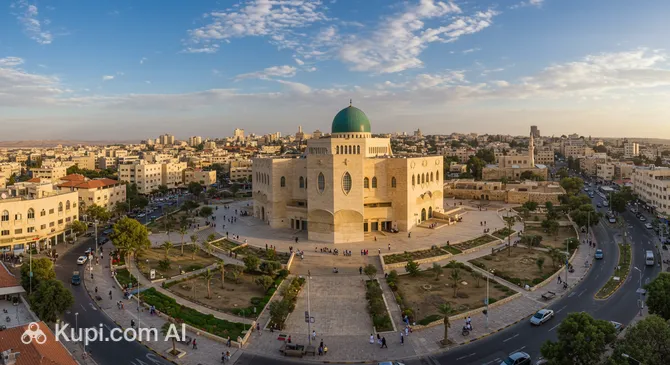
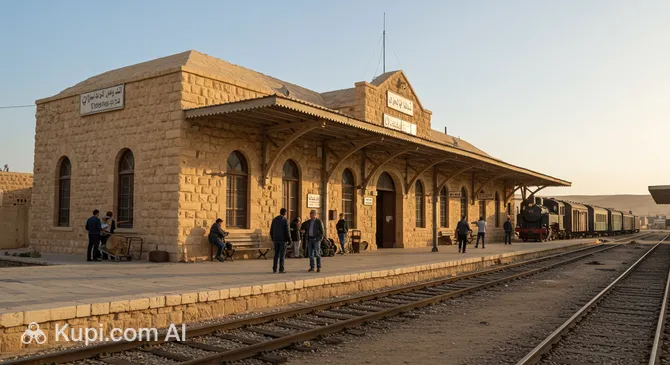
Beersheba Turkish Railway Station. Illustration.
Source: Kupi.com AI

Traveler photos:

  • Biblical roots of the name. The city's name translates as "Well of the Oath" or "Seven Wells." According to ancient legend, it was here that the biblical patriarch Abraham made a pact with King Abimelech, sacrificing seven ewes. The legendary Abraham's Well has been preserved to this day and is one of the oldest attractions in the region.

  • Ottoman heritage and trains. At the beginning of the 20th century, the city was an important strategic point of the Ottoman Empire. The old Turkish Railway Station in Be'er Sheva, built in 1915, is still here. Interestingly, the nearby Turkish Bridge over the wadi (dry riverbed) was the longest bridge in all of Israel at the time of its construction in 1916.

  • Unique architecture of memory. The city is famous for its unusual monuments, among which the Negev Brigade Memorial stands out. It is a large-scale concrete sculptural composition created by the famous sculptor Dani Karavan. It resembles a fantastic city or a movie set and is considered a masterpiece of land art, symbolizing the resilience of desert dwellers.

  • Chess capital. Be'er Sheva holds a surprising unofficial title—the "chess capital of Israel." The city has one of the world's highest percentages of grandmasters per capita, which is linked to a large wave of repatriation of the intellectual elite in the 1990s. Prestigious chess tournaments are regularly held here.

  • Multinational flavor. The city is a crossroads of many cultures, but the presence of Bedouin traditions is particularly felt here. Near modern neighborhoods, you can find elements of nomadic life, and the Museum of Bedouin Culture, located nearby, allows for a deep dive into the daily life and customs of desert residents.

How to Get There

Be'er Sheva is a key transport hub in the south of the country, so getting here is quite easy. The city is connected to the center and north by excellent roads and railways. If you are planning a trip, we recommend studying all the ways to get to the city in advance to choose the most convenient route.

There is no airport in Be'er Sheva itself, so most travelers arrive in the country through the main air gates and then continue their journey by land. The main flow of tourists is handled by Ben Gurion Airport (IATA: TLV), located in Tel Aviv. This is the largest international airport in the country, situated about 85 km from Be'er Sheva. A taxi or transfer will take about 2.5 hours, though travel time may vary depending on traffic. You can also conveniently reach the city by a direct train from the airport.

An alternative option, especially for those planning to visit southern resorts, is Ramon Airport (IATA: ETM). It is located in Eilat, at a distance of about 170 km from Be'er Sheva. This is a modern international airport serving the south of the country. A trip from here by car or taxi will take more than 4 hours but will allow you to enjoy the desert landscapes along the way.

For clarity, here is a summary of the main airports through which you can reach the region:

AirportPassenger trafficDistance
Ben Gurion International Airport21.1 mln85 km
Queen Alia International Airport9.2 mln126 km
Ramon Airport1.8 mln171 km
Haifa Airport275 000174 km
King Hussein International Airport309 000183 km

The railway connection is one of the most comfortable ways to get to Be'er Sheva. Israel Railways trains run regularly from Tel Aviv, Haifa, and other major cities. There are two railway stations in Be'er Sheva: "Be'er Sheva – North / University" and "Be'er Sheva – Center." A train trip from Tel Aviv takes about an hour and a half and allows you to avoid traffic jams while enjoying the views from the window.

The city is also easily accessible by bus. Major carriers such as Egged and Metropoline operate regular flights to Be'er Sheva from almost anywhere in Israel. The city's central bus station is located in close proximity to the "Center" railway station, making transfers very convenient. For those who prefer a car, the city is served by Highway 6 (toll road) and Highway 40.

Main Attractions

Be'er Sheva offers travelers a unique combination of ancient history and modern culture. You should start exploring the city with its iconic sites that tell the story of the region's rich past and its rapid development.

The heart of the tourist route is the Old City of Be'er Sheva. It is the only city in Israel planned and built by the Ottoman Turks, and it still retains its charm today. Walking through its streets, you will see beautifully preserved early 20th-century buildings that now house galleries, boutique hotels, and cafes. It is the perfect place to feel the atmosphere of the past while enjoying modern comfort and the architecture of that era.

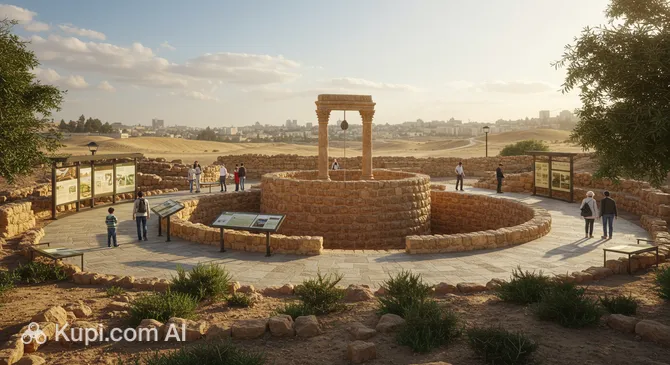
Abraham's Well. Illustration.
Source: Kupi.com AI

Traveler photos:

It is impossible to visit the "capital of the Negev" without seeing Abraham's Well. This is not just an archaeological site, but a true symbol of the city, connected to the biblical story of the patriarch Abraham. The modern visitor center built around the ancient well offers guests an interactive journey through time. Using 3D technology and multimedia exhibits, thousand-year-old legends come to life here, making the visit fascinating even for those who are not history buffs.

Another important historical point is the Turkish Railway Station in Be'er Sheva, also known as the "70414 Complex." The restored 1915 station has been transformed into a cultural space where you can see an authentic steam locomotive and carriages of that era. This atmospheric place tells the story of the railway that connected Damascus to Egypt and serves as an excellent photo zone for tourists.

For those interested in military history, the ANZAC Memorial Center in Be'er Sheva is a must-visit. This impressive museum is dedicated to the soldiers of the Australian and New Zealand Army Corps who liberated the city during the famous cavalry charge in 1917. The museum's exhibition is very emotional and allows you to look at the events of the First World War through the personal stories of soldiers, making the visit an unforgettable experience.

If you are traveling with family or simply love technology, include the Carasso Science Park in your program. This is the largest science museum in Israel, located in the historical building of the School for the Children of Sheikhs. The huge territory of the park is filled with interactive exhibits that allow you to get acquainted with the laws of physics, biology, and chemistry in a playful way, turning science into an exciting adventure.

Local Cuisine

The gastronomic map of Be'er Sheva is a true kaleidoscope of flavors, where the culinary traditions of Israel, the Middle East, and North Africa intertwine. Thanks to the multinational composition of the population, you can find everything here: from authentic home-style cafes to modern restaurants. The main feature of the local cuisine is its "desert" flavor, which has absorbed Bedouin customs and the generosity of Eastern hospitality.

Start your acquaintance with the local food with a classic Israeli breakfast. Be sure to try shakshuka—eggs poached in a thick, spicy sauce of tomatoes, peppers, and onions. This dish is prepared here with special love, often served directly in a cast-iron skillet with hot bread. For street food lovers, the city offers the freshest hummus, crispy falafel, and sabich—a hearty pita stuffed with fried eggplant, boiled egg, and salad.

Bedouin traditions hold a special place in the region's culinary culture. Tourists should try meat cooked over an open fire and traditional flatbreads. It is customary to end the meal with strong coffee with cardamom or sweet mint tea, which are perfectly refreshing on a hot day. Oriental sweets are ideal with tea: honey-soaked baklava, knafeh with stretchy cheese, or flaky bourekas.

The food culture in Be'er Sheva is very democratic. Local residents love to spend time both in noisy markets, where you can taste farm cheeses and olives, and in cozy establishments. If you are looking for a place for a quick and tasty snack, check out the Dining Sandwich Bar, where simple dishes are turned into small gastronomic masterpieces. And for those who want to combine dinner with a pleasant atmosphere, the Chacha Bar opens its doors, offering an excellent selection of dishes and drinks.

Regarding drinks, besides traditional tea and coffee, fresh juices are popular in the city, especially pomegranate and orange. In the evening, local wines from Negev wineries or craft beer, which is becoming increasingly popular in Israel, are often ordered with dinner. A gastronomic journey through Be'er Sheva will give you not only a full stomach but also an understanding of the cultural code of this amazing city.

Travel Tips

Be'er Sheva is a hospitable and sunny city that serves as the main gateway to the Negev Desert. To make your acquaintance with the "southern capital" of Israel easy and leave only pleasant impressions, we have prepared a list of proven recommendations.

  1. Clothing and climate. The main rule of the desert is layering. It can be very hot during the day, and in the evening the temperature drops significantly, so even in summer it is worth having a light sweater with you. Be sure to bring a hat, high-quality sunglasses, and comfortable shoes for walking. If you plan to visit synagogues or historical sites, choose modest clothing that covers shoulders and knees.

  2. Transport nuances. There are no subways or trams in the city; the main transport is buses. Drivers do not accept cash: you will need a "Rav-Kav" card (sold at stations) or a mobile app (e.g., Moovit) to pay for travel. It is better to call a taxi through the Gett app to avoid price disputes—drivers are required to turn on the meter.

  3. Finances and tipping. Shekels are accepted everywhere. Bank cards work in 99% of shops, restaurants, and even kiosks, but for visiting the municipal market (Shuk), it is better to have some cash with you. In cafes and restaurants, it is customary to leave a tip of 10–15% of the bill if it is not automatically included (the "service included" item).

  4. Health and water. The dry climate is deceptive: moisture evaporates from the skin instantly, so the risk of dehydration is high even in mild weather. Always carry a bottle of water and drink often. Pharmacies (e.g., the Super-Pharm chain) are in all shopping centers, and emergency pharmacies are open 24/7. Be'er Sheva is a safe city, but as everywhere, watch your belongings in crowded places.

  5. Language comfort. The official language is Hebrew, but most young people and service workers speak English. A huge plus for tourists from the CIS is that a significant part of the city's population speaks Russian. Signs are often duplicated, and Wi-Fi is available for free on trains, buses, and shopping malls.

  6. Local etiquette. Israelis communicate directly, sometimes loudly and emotionally—do not take this as rudeness; it is part of the southern temperament. The greeting "Shalom" is universal. In queues and transport, the distance between people may be smaller than you are used to, which is considered normal.

  7. What to avoid. The main tourist mistake is planning travel on Shabbat (from Friday evening to Saturday evening). At this time, public transport stops completely, shops close, and most restaurants (except some non-kosher ones) shut down. Keep this in mind when planning your arrival and departure.

  8. Student vibe. Be'er Sheva is a university city, so the most active nightlife here peaks not on Friday, but on Thursday evening. If you want to see how the local youth relax, head to the bars of the Old City or the student quarter on that day.

By following these simple rules, you will be able to feel at home in Be'er Sheva. Enjoy the unique combination of ancient history and young energy of this amazing city!

Entertainment & Nightlife

Despite its reputation as an ancient desert city, Be'er Sheva has a young soul and a dynamic rhythm of life. Thanks to Ben-Gurion University, many students study here, which has shaped an excellent leisure and entertainment culture in the city. In the evening, the streets fill with energy, and local venues offer relaxation for every taste—from laid-back hangouts to noisy parties.

The center of attraction for nightlife lovers is the bars, many of which are located in the Smilansky district of the Old City or near the university campus. The Zalame Bar is particularly popular. This atmospheric place is famous for its cocktail menu and professional bartenders who turn drink preparation into a real show. A cozy dim light prevails here, and high-quality music plays, creating ideal conditions for evening relaxation.

Connoisseurs of brewed beverages should check out the Be'er Sheva Beer House. This establishment offers a wide range of beer varieties, including local craft options and imported classics. The atmosphere here is conducive to friendly conversation and watching sports broadcasts. And if you want to combine drinks with delicious Georgian-style food, the Chacha Bar is an excellent choice, where hospitality and fun always come first.

For those traveling with children or who simply want to spend time actively, there are excellent entertainment centers in the city. Funky Monkey Be'er Sheva is an indoor amusement park where you can find trampolines, mazes, and play areas for visitors of all ages. This is a great place to hide from the heat and let off some energy.

Extreme sports fans will love the Be'er Sheva Skate Park. This is a modern facility equipped with ramps and features of varying complexity, attracting skateboarders, rollerbladers, and cyclists from all over the city. Here you can either ride yourself or watch the tricks of the local youth.

Parks & Museums

Be'er Sheva, often called the "capital of the Negev," is a city where ancient history meets modern technology and green oases in the middle of the desert. For travelers who want to combine cultural leisure with walks in the fresh air, there are many interesting parks and informative museums here.

Among the city's green zones, the Be'er Sheva River Park stands out—a large-scale project that turned a dry riverbed into a picturesque space for relaxation. There are bicycle and walking paths, picnic areas, and even an artificial lake. Another iconic place is the Park of the Australian Soldier, dedicated to the memory of ANZAC warriors. This quiet and well-maintained place is ideal for peaceful walks. For families, the Be'er Sheva Children's Park with modern play complexes is perfect.

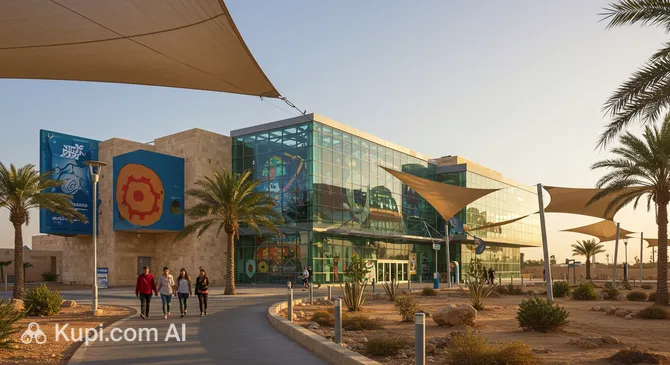
Carasso Science Park. Illustration.
Source: Kupi.com AI

Traveler photos:

The city's cultural life is concentrated in its museums. A must-visit, especially with children, is the Carasso Science Park. This interactive museum, located in the historic part of the city, offers dozens of fascinating exhibits explaining the laws of science in a playful way. Art lovers should head to the Negev Museum of Art, located in the former mansion of the Ottoman governor. Its collection is dedicated to contemporary Israeli art. And at the Lunada Children's Museum, the youngest travelers can explore the world through interactive installations and games.

To deeper soak in the city's atmosphere, take a walk through the Old City of Be'er Sheva, where Ottoman-era buildings have been preserved. Here you will also find the legendary Abraham's Well—a site with a biblical history considered the symbol of the city's foundation. Visiting these attractions allows you to touch the centuries-old heritage of this amazing corner of Israel.

Getting Around

The public transport system in Be'er Sheva is well-developed and allows for comfortable movement around the city and its surroundings. The main and most popular way to get around for locals and tourists is buses. The city network is served by the "Dan Be'er Sheva" company, whose modern buses run on dozens of routes, connecting residential areas with the university, shopping centers, Soroka hospital, and key attractions. There are no subways or trams in the city, although plans for light rail transit exist.

To pay for public transport, cash is not handed to the driver—this system has been completely abolished. You will need a unified "Rav-Kav" transport card. It can be purchased at service points at the central bus station or at railway stations. The card can be topped up with any amount and used for trips throughout the country. An alternative and very convenient way to pay is through mobile applications such as Moovit, Pango, or Cello. In this case, you simply scan the QR code when entering the bus, and the cost of the trip is deducted from the linked bank card at the end of the month.

Railway transport in Be'er Sheva is represented by two stations: "Be'er Sheva – North / University" and "Be'er Sheva – Center." Although trains are mainly used for intercity travel (for example, to Tel Aviv or Haifa), the presence of two stations allows you to quickly get from one part of the city to another, bypassing street traffic jams. The stations are comfortable, air-conditioned, and located near key transport hubs.

If you prefer individual transport, it is easy to catch a taxi in the city or call one through the popular Gett app. All cars are required to use a meter, so make sure the driver turns it on at the beginning of the trip. Car rental is also well-developed in Be'er Sheva, which is especially relevant if you plan to travel around the Negev Desert. You can find rental points for both major international and local companies in the city.

It is important for tourists to remember the main feature of local transport—the break for Shabbat. Buses and trains stop running on Friday afternoon (a couple of hours before sunset) and only resume operation on Saturday evening. During this interval, the only available way to get around is by taxi or rental car. Plan your trips in advance to avoid being left without transport on the weekend.

Accommodation

Where to stay:

Be'er Sheva, as a business and educational center of the south, offers travelers a decent choice of accommodation, although you won't find the endless series of beach resorts typical of coastal cities here. The housing market is oriented more towards functionality and comfort, offering options ranging from budget guest houses and hostels to modern mid-range hotels and cozy apartments for short-term rent.

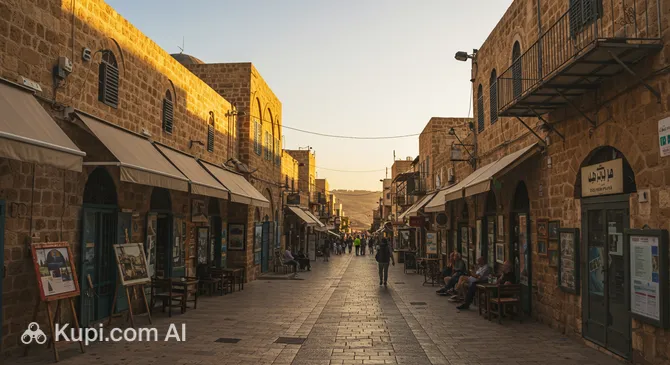
When choosing a place to stay, consider the purpose of your visit. For tourists wishing to immerse themselves in the atmosphere of history and nightlife, the Old City of Be'er Sheva is the ideal option. This is the most colorful area, where boutique hotels and guesthouses are located in restored Ottoman buildings. Staying here, you will be within walking distance of the main museums, bars, and restaurants, allowing you to enjoy the city without unnecessary travel.

Old City of Beersheba. Illustration.
Source: Kupi.com AI

Traveler photos:

Another popular area for accommodation is near Ben-Gurion University and the Soroka Medical Center. Modern business-class hotels and apartments predominate here. This area features developed infrastructure, proximity to the "Be'er Sheva – North" railway station, and easy access to intercity highways, making it an excellent choice for those planning to travel around the Negev region by car.

The price range in the city can be described as moderate by Israeli standards.

  • Budget segment: Hostels and inexpensive rooms in apartments are suitable for students and budget travelers.
  • Middle class: Most of the city's hotels fall into the 3-4 star category, offering quality service, breakfast, and Wi-Fi at a reasonable price.
  • Luxury: There are practically no five-star hotels from international chains here, however, some boutique hotels in the historical center offer a high level of comfort and unique design.

For booking accommodation, it is most convenient to use popular international online platforms, where a wide choice of options with guest reviews is presented. We recommend taking care of your booking in advance, especially if your trip coincides with Jewish holidays or major university events when the demand for housing increases sharply.

Nearby Cities

For those who want to explore the surrounding area, Be'er Sheva serves as an excellent starting point for day trips to several interesting nearby places. Thanks to its convenient location in the south of the country, travelers can easily swap the desert landscapes of the Negev for the sea coast or the mountain views of Judea.

One of the most popular destinations is Jerusalem. A trip to this city with thousands of years of history will allow you to touch ancient shrines and architectural monuments of world significance. Even a short visit will provide an opportunity to feel the unique atmosphere of the Old City and visit the famous Mahane Yehuda Market.

If you prefer a seaside vacation, Ashkelon is an excellent choice. This is one of the oldest cities in the region, where you can combine a beach holiday with a walk through the National Park, rich in archaeological finds. Nearby is Ashdod—a modern port city with wide sandy beaches, a well-kept promenade, and interesting places for family leisure.

CityPopulationDistance
Nevatim10 km
Rahat64 46216 km
Ofakim29 00017 km
Ben Zakkai (Conceptual/Non-Existent)42 31424 km
Az Zahiriyah38 00225 km

These nearby destinations provide an insight into the diverse culture and landscapes of the region, making your trip through the south of the country even more intense and memorable.

Shopping & Souvenirs

Shopping:

Be'er Sheva, as the main commercial center of the south, offers tourists excellent shopping opportunities. Modern air-conditioned malls, saving you from the desert heat, harmoniously coexist with colorful oriental bazaars where you can feel the true spirit of the Middle East. The city does not claim to be a high fashion capital, but the range of goods here is enormous: from branded clothing to unique handmade products by local artisans.

If you are looking for an atmosphere different from standard shopping centers, head to the Old City of Be'er Sheva. The main commercial arteries of this district, such as Keren Kayemet LeIsrael (KKL) Street and Smilansky Street, are dotted with small boutiques, vintage shops, art galleries, and spice stores. A walk here feels like a treasure hunt: among the old Ottoman buildings, you can find original jewelry, ceramics, and interior items created by local designers.

For fans of large-scale shopping and international brands, there are large shopping complexes in the city. The most famous and popular is the Grand Canyon Mall Be'er Sheva. This is a huge shopping and entertainment center featuring hundreds of clothing, shoe, electronics, and cosmetics stores. You can spend the whole day here, alternating shopping with relaxation in cafes.

Another important point of attraction is the Yishpro Planet complex. This is an open-air shopping center (power center) that is particularly convenient for those traveling by car, thanks to its huge parking lot. Home goods stores, sportswear, and outlets are concentrated here, where you can often find items at attractive prices.

You can't visit the "capital of the Negev" without visiting the local market. The Municipal Market (Shuk Ironi) is a riot of colors and aromas. People come here for the freshest seasonal fruits, vegetables, nuts, and oriental sweets. Special attention should be paid to the famous "Bedouin Market," which historically took place on Thursdays. Although today it has become more modern and touristy, you can still buy traditional Bedouin rugs, copperware, and textiles here.

As souvenirs from Be'er Sheva, it is worth bringing back goods that reflect the spirit of the desert. Look for Bedouin embroidery, olive wood products, and natural cosmetics based on Dead Sea minerals (which is relatively close by). Also, sets of local spices such as za'atar or sumac, and high-quality olive oil produced on Negev farms, make excellent gifts.

Shops in the city usually open from Sunday to Thursday from 9:00-10:00 to 21:00-22:00. Friday is a short day: most retail outlets close a few hours before sunset (around 14:00-15:00) due to the arrival of Shabbat. On Saturday, almost everything is closed, except for some stores in non-religious areas or large entertainment complexes on the outskirts. Payment is possible by bank cards almost everywhere, but it's better to have cash shekels at the market.

Tourists in Israel are entitled to a VAT refund (Tax Free) when purchasing goods for more than 400 shekels in stores participating in the program (look for the "Tax Refund" or "Tax Free" sticker on the window). Be sure to ask for a special form when purchasing. The tax refund is processed at the departure airport before leaving the country, upon presentation of the receipt, the form, and the goods themselves.
Nearby cities

Reached the end of the page?

That means the route is fully explored