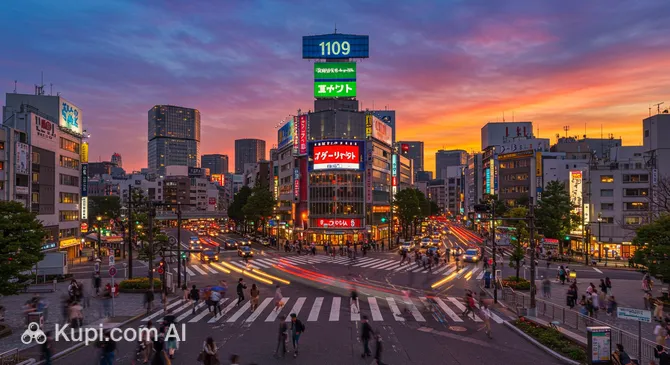
Shibuya is more than just a Tokyo district; it is a true epicenter of youth culture, fashion, and non-stop energy, one of the brightest and most recognizable symbols of modern Japan. This bustling "city within a city" attracts visitors with its unique atmosphere and iconic landmarks that have become symbols not just of Tokyo, but of the entire country.
Shibuya. Illustration.
Source: Kupi.com AI
The climate in Shibuya, like in all of Tokyo, is temperate, with warm, humid summers and relatively mild, cool winters. Although Shibuya is part of a massive metropolis, it has its own unique character and rhythm, felt on every street filled with sounds, lights, and crowds that create a sense of eternal motion.
Shibuya's main symbols are known far beyond Japan's borders. These include, of course, the famous Shibuya Crossing—a mesmerizing sight where thousands of pedestrians cross the road simultaneously in all directions under the glow of neon signs. Nearby is the touching statue of the faithful dog Hachiko, which has become a legendary meeting spot and a symbol of loyalty. For those following the latest fashion trends, the iconic Shibuya 109 shopping center is a must-see, offering the most daring and current styles.
Visiting Shibuya is an opportunity to dive into an incredible whirlwind of events, feel the pulse of one of the most dynamic places on the planet, and take home unforgettable memories of unique Japanese culture. It is a place that energizes and leaves a bright mark on every traveler's memory.
The weather in Shibuya is characterized by distinct seasons, which is important to consider when planning your trip. Generally, expect warm and humid summers with periodic rain, especially in July and August, when average temperatures can reach 26–28°C, and the number of rainy days is around 16–17 per month. Winters are cool and relatively dry: average temperatures in January–February stay around 5–6°C, and precipitation is minimal. Spring and autumn offer pleasant, moderate weather, ideal for walking the district's lively streets.
For the most current and detailed weather information, we recommend visiting the Shibuya Climate page.
Average monthly temperature
Average monthly precipitation
Interesting Facts
In addition to world-famous symbols like the iconic crossing and the touching statue of Hachiko, Shibuya holds many curious details and stories that make this district even more intriguing. Here are a few little-known facts that will help you see Shibuya from a new perspective:
The Mystery of the Name: The name "Shibuya" (渋谷) has several origin stories. One links it to the Shibuya family, who traditionally owned a castle here in the 11th century. Another theory suggests it comes from "shibu-kawa" (渋川)—"river with ferruginous water"—because the water in the local river had a characteristic reddish-brown tint due to high iron content.
Not Just Hachiko: Everyone knows the statue of the faithful dog Hachiko as a popular meeting point, but Shibuya has another curious monument—the Moyai Statue. This large stone head, resembling the famous Easter Island statues, was gifted to the district by Niijima Island in 1980 and also serves as a popular landmark near one of the Shibuya Station exits.
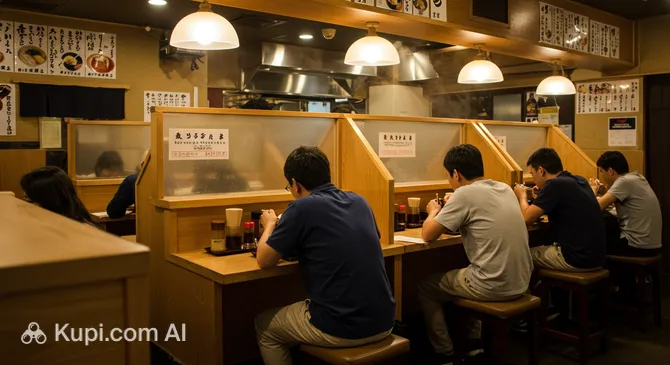
Ramen in Silence for Gourmets: One of the most famous ramen restaurants in Shibuya, Ichiran, became famous not only for its rich broth and delicious noodles but also for its unique "flavor concentration booth" concept. Patrons eat in individual booths so that nothing distracts them from enjoying the dish. This system was designed for maximum immersion in the gastronomic experience.
The Cradle of "Gyaru": The legendary Shibuya 109 shopping center, known as a mecca for youth fashion, became the unofficial headquarters and symbol of the "gyaru" (gal) subculture. This vibrant and sometimes provocative style, which originated in Shibuya, had a huge impact on Japanese street fashion in the 1990s and early 2000s.
Ichiran. Illustration.
Source: Kupi.com AI
Traveller photos:
How to Get There
Reaching the lively Shibuya district, the heart of youth culture in Japan, can be done in several ways, but for international travelers, the primary method is a flight into one of the airports serving Tokyo. As part of the massive Tokyo metropolis, Shibuya is perfectly connected to its transport infrastructure.
Two major international airports serve as the main air gates. The closest is Haneda Airport (HND), officially known as Tokyo International Airport. It is located about 14 km south of central Shibuya. This is a very large and modern hub handling many international and domestic flights. A trip from Haneda to Shibuya by taxi or express bus (Airport Limousine Bus) usually takes about 40–60 minutes, depending on traffic. Trains are also available, such as the Keikyu Line to Shinagawa Station, where you can transfer to the JR Yamanote Line for Shibuya.
Another significant airport is Narita International Airport (NRT). It is located further away, about 63 km east of Shibuya in Chiba Prefecture, but is also one of Japan's main international hubs. Narita handles a vast number of international flights. The trip to Shibuya from here will take more time: about 80–90 minutes by the Narita Express (N'EX) train directly to Shibuya Station, or 1.5 to 2 hours by bus, depending on traffic conditions.
For convenience, here is summary information on the main airports used to reach Shibuya:
In addition to flights, Shibuya is easily accessible via Japan's extensive railway network. If you are traveling through the country on the Shinkansen high-speed trains, upon arriving at major Tokyo hubs like Tokyo Station or Shinagawa, you can easily transfer to local lines (such as the popular JR Yamanote loop line) and quickly reach Shibuya Station directly. Shibuya Station itself is one of the busiest and most important transport hubs not just in Tokyo, but in all of Japan, serving numerous train and subway lines. This makes traveling both within Tokyo and to its outskirts very convenient.
Main Attractions
Beyond its world-famous symbols like the famous crossing and the Hachiko statue (mentioned earlier), Shibuya offers other interesting spots that will make your stay rewarding. Here are a few attractions from the provided list worth paying attention to, including popular dining spots and shopping destinations.
One of the iconic places for lovers of Japanese cuisine is the ramen restaurant Ichiran. It is famous for its rich tonkotsu ramen (pork bone broth) and a unique concept of individual booths that allow you to focus entirely on the flavor of the dish. Although Ichiran has branches throughout Japan and abroad, visiting it in Shibuya, one of the busiest districts, adds a special flair to this gastronomic experience. It is a great place to try authentic Japanese ramen, and its popularity among tourists speaks for itself.
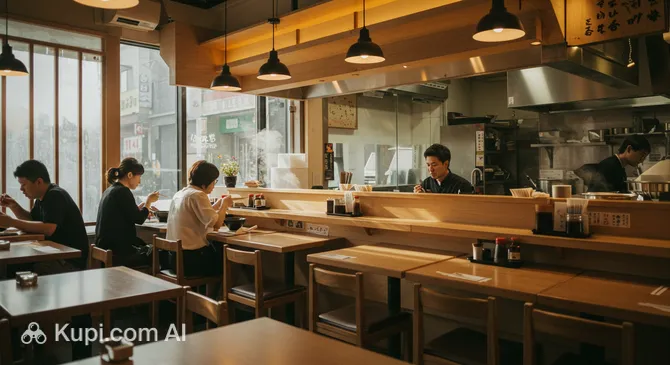
Another popular spot for ramen connoisseurs is AFURI Harajuku. Located very close to Shibuya in the trendy Harajuku neighborhood, this restaurant attracts visitors with its signature yuzu shio ramen—a light chicken broth with refreshing notes of yuzu citrus. AFURI offers a more modern take on the traditional dish and is an excellent choice for those seeking unusual flavor combinations. Many tourists appreciate its stylish interior and high-quality ingredients, making it a must-visit for foodies.
AFURI Harajuku. Illustration.
Source: Kupi.com AI
Traveller photos:
For shopping enthusiasts, especially those looking for great deals on famous brands, the Mitsui Outlet Park Kisarazu is worth noting. It is important to mention that it is not located in Shibuya itself, but on the opposite side of Tokyo Bay in the city of Kisarazu (Chiba Prefecture). However, it is accessible from the Tokyo area and is one of the largest outlet malls in the region. It features many Japanese and international brands offering goods at significant discounts. A trip here can be an entire day of successful shopping for those willing to spend time on the road and interested in large-scale shopping.
Local Cuisine
The gastronomic world of Shibuya is a true kaleidoscope of flavors, where centuries-old Japanese culinary traditions blend harmoniously with ultra-modern food trends. This vibrant district of Japan offers incredible variety for foodies: from authentic dishes passed down through generations to the trendiest gastronomic novelties that instantly conquer social networks. Here, everyone from the sophisticated connoisseur to the curious tourist will find something special.
Among the dishes that are a must-try in Shibuya, the famous Japanese ramen certainly stands out. This hearty and fragrant noodle soup is presented here in many variations—from classic to artisanal. One of the iconic places to enjoy excellent ramen is the restaurant Ichiran, known for its rich tonkotsu broth. One cannot overlook the incredibly fresh sushi and sashimi made from select seafood. Furthermore, Shibuya is famous for its vibrant and diverse street food: from sweet crepes and taiyaki to savory takoyaki and yakitori—a great opportunity to grab a snack on the go while immersing yourself in the district's atmosphere.
Ichiran. Illustration.
Source: Kupi.com AI
Traveller photos:
As for drinks, the choice in Shibuya is also vast. Try various types of green tea, including rich matcha or refreshing sencha. Among non-alcoholic beverages, fruit lemonades and the famous "ramune" in a marble-sealed bottle are also popular. For those who prefer something stronger, it's worth trying traditional sake, Japanese beer from local breweries, or popular cocktails like the highball (whiskey and soda). Numerous stylish coffee shops will delight you with specialty coffee and seasonal drinks.
The food culture in Shibuya reflects its dynamic character. Locals and tourists alike enjoy visiting both small family restaurants specializing in one or two dishes and large gastronomic spaces. Izakayas—traditional Japanese pubs—are very popular, where you can enjoy a variety of snacks and drinks in a relaxed setting. Don't miss "depachika"—the food basements in department stores that offer an incredible assortment of ready-made meals, delicacies, and sweets. Overall, Shibuya's culinary scene is a fascinating journey full of discoveries, where everyone will find a dish and an atmosphere to their liking.
Travel Tips
Planning a trip to the bustling Shibuya district? To ensure your journey through this vibrant corner of Japan is as comfortable as possible and leaves only the best impressions, we have prepared some practical tips for you.
Clothing and Essentials: Consider the season when choosing clothes for Shibuya. Summers are hot and humid, while winters are cool but sunny. Be sure to bring comfortable shoes, as you will be doing a lot of walking. Don't forget a universal adapter (types A and B sockets are used in Japan) and a portable power bank. When visiting temples or shrines, even if they aren't the main goal of your Shibuya trip, show respect by covering your shoulders and knees.
Transport: The best way to get around Shibuya and Tokyo is the highly developed public transport system. Shibuya Station is a major hub served by JR trains (including the Yamanote Line) and several subway lines. Taxis are available but expensive, especially during rush hour. Renting a car for city travel is usually impractical due to heavy traffic and parking issues.
Finances: The national currency is the Japanese yen (JPY). You can exchange currency at the airport, banks, or exchange offices. Credit cards (Visa, Mastercard) are accepted in many shops and restaurants, but it's always useful to have some cash on hand, especially for smaller establishments or street food. ATMs that accept international cards are easy to find in 7-Eleven stores and post offices. Tipping is not customary in Japan; high-quality service is included in the bill.
Health and Safety:Shibuya is a very safe district, as is Tokyo in general. However, in large crowds, such as at the famous Shibuya Crossing, keep an eye on your belongings. Pharmacies (drugstores) are easy to find and sell over-the-counter medicine and cosmetics. For serious medical assistance, contact a clinic; travel insurance is highly recommended.
Communication: The official language is Japanese. In Shibuya's tourist zones, hotels, and major stations, many signs are duplicated in English, and staff may speak English. Learn a few simple phrases: "konnichiwa" (hello), "arigato gozaimasu" (thank you), "sumimasen" (excuse me/sorry). For constant internet access, consider renting a pocket Wi-Fi router or buying a local SIM card. Useful apps: Google Maps, HyperDia (for train schedules).
Local Etiquette: Japanese people highly value politeness. Greet with a slight bow or a nod. In public places, especially on transport, try to be quiet and avoid talking loudly on the phone. Eating and drinking on the go is generally discouraged, except in designated areas or at street food festivals. Wait patiently in lines—this is the norm.
What to Avoid: Never stick your chopsticks vertically into a bowl of rice—this is associated with funeral rituals. Remove your shoes when entering Japanese homes, some traditional restaurants, temples, and ryokan inns. Do not leave trash on the streets—Japan is famous for its cleanliness; use bins or carry your trash with you.
Shibuya Special Feature: Be sure to go up to one of the observation decks (for example, at the Starbucks overlooking the crossing or the roof of Magnet by Shibuya109) to see the famous Shibuya Crossing from above—it's a breathtaking sight! Also, keep in mind that many shops in Shibuya do not open until 10–11 AM.
We hope these tips help you better prepare for your trip to Shibuya and enjoy every moment in this incredible place. We wish you unforgettable adventures!
Entertainment & Nightlife
Shibuya is not just a district; it is the epicenter of youth culture and nightlife in Japan, coming to life as soon as darkness falls. When the neon lights illuminate the famous crossing, Shibuya transforms into a giant playground for entertainment, offering an endless variety of bars, clubs, karaoke, and late-night restaurants for every taste and budget.
The main hubs of nocturnal attraction in Shibuya are undoubtedly Center Gai street and the Dogenzaka area, also known as "Love Hotel Hill," but primarily famous for its abundance of clubs and bars. Here, you will find establishments that stay open until morning, from small cozy bars to multi-story dance clubs featuring world-class DJs. It is also worth checking out the areas around the station, where many izakayas (Japanese pubs) and small themed venues are concentrated.
The atmosphere of Shibuya at night is a bubbling cauldron of energy and fashion. The crowd here is incredibly diverse: from students and office workers relaxing after work to trendy trendsetters and tourists from all over the world. Clubs offer music for every taste—from J-Pop and K-Pop to techno, hip-hop, and house. Numerous live houses (concert venues) host performances by both famous and up-and-coming Japanese and foreign artists. Many bars have a unique concept, dedicated to specific movies, music, or hobbies. Most establishments do not require a strict dress code, though some popular clubs might not admit those in overly sporty attire. As a rule, the main fun starts after 10:00–11:00 PM and continues until 4:00–5:00 AM.
To fully enjoy Shibuya's nightlife, it is best to arrive at popular clubs closer to midnight when they start filling up. Average entry prices for a club can range from 2,000 to 4,000 yen, often including one drink. Cocktails in bars cost on average 800–1,500 yen. Getting to Shibuya and moving around the area at night is convenient by taxi, although it is more expensive than public transport, which stops running around midnight. Additionally, many venues are within walking distance of each other.
Shibuya is considered a safe enough district even at night, but as in any major metropolis, standard precautions should be taken: keep an eye on your belongings, especially in crowded places, and avoid very dark and empty alleys. If you plan to return late, it is better to use the services of an official taxi, which are easy to find at designated stands or via an app.
While Shibuya is famous for its clubs and bars, you can also have a great evening in its many late-night restaurants. If you need a snack after dancing or a walk through the city at night, you can stop by places like AFURI Harajuku, known for its refreshing yuzu ramen, or Ichiran, which serves classic tonkotsu ramen. These establishments offer delicious food and will help you recharge before new adventures or your way home.
AFURI Harajuku. Illustration.
Source: Kupi.com AI
Traveller photos:
Shibuya is far from boring during the day as well. Besides shopping in countless stores and boutiques, you can visit interesting museums, such as the Shoto Museum of Art, or relax in Yoyogi Park, located nearby. For families with children or thrill-seekers, there are themed cafes and entertainment centers. However, the true pulse of Shibuya begins to beat as dusk falls, when the district turns into a neon-glowing center for night-time fun.
Parks & Museums
Shibuya, world-famous for its busy crossing and fashion trends, also hides another, calmer side—oases of greenery and pockets of cultural heritage. Beyond the neon lights and the endless flow of people, you can find peaceful parks and fascinating museums that offer a completely different experience of this dynamic Japan district.
One of the main green sanctuaries in the Shibuya area is Yoyogi Park. This expansive park is a favorite spot for picnics, sports, walks, and people-watching, featuring everyone from rockabilly dancers to street musicians. In spring, it attracts visitors with cherry blossoms, and at any time of year, it serves as a wonderful place to escape the city's bustle. Directly adjacent to the park is the Meiji Shrine (Meiji Jingu)—an important Shinto shrine dedicated to Emperor Meiji and Empress Shoken, which impresses with its tranquil atmosphere and beautiful traditional architecture. Another interesting example of a modern recreational zone is Miyashita Park. This unique park, located on the roof of a shopping complex, offers not only greenery but also a skate park, a climbing wall, and relaxation areas with views of the city skyline.
Shibuya's cultural life is equally rich and diverse. It is worth visiting the Shoto Museum of Art, located in a quiet residential neighborhood. The museum building, designed by architect Seiichi Shirai, is a work of art in itself. Inside, various exhibitions are held, covering both Japanese and international art. For connoisseurs of a broader spectrum of arts, the Bunkamura cultural complex is a must-visit. It brings together an art museum, concert hall, theater, and cinema under one roof, offering a full program of events—from painting exhibitions to opera and ballet productions.
Beyond the major parks and museums, Shibuya hides less obvious but equally interesting spots. Stroll through the quiet streets of the Shoto district to admire the elegant architecture, or peek into one of the many small art galleries often hidden on the second floors of buildings or in back alleys. These "secret" places allow for a deeper dive into Shibuya's creative atmosphere and reveal an unexpected side of the district.
Getting Around
Getting around Shibuya and all of Tokyo is a real adventure, where a perfectly developed public transport system plays a key role. The heart of this system is undoubtedly the trains and subways. Shibuya Station itself is a massive transport hub served by several JR lines (including the famous Yamanote loop line), Tokyo Metro lines, and private railway companies like Tokyu. Trains and subways allow you to reach almost any part of the city quickly and conveniently.
To pay for travel, it is highly recommended to purchase a transport IC card, such as Suica or PASMO. These rechargeable smart cards are a universal key not only to trains and buses but are also accepted for payment in many shops and vending machines. You can buy or top up your card at machines at any major station. Single tickets are also available, with the cost depending on the distance, but using an IC card saves significant time and simplifies travel. There are also various tourist passes that can be beneficial for intensive transport use over several days. The approximate cost of a single subway or train trip within the city starts from 170–200 Japanese yen.
Using public transport in Shibuya is quite simple if you follow a few tips. Most lines operate roughly from 5 AM to midnight, after which service stops or is significantly reduced. Shibuya Station can feel like a labyrinth due to its size and many exits, so watch the signs closely (many are duplicated in English) and take note of exit numbers. When entering and leaving the platform, you must tap your IC card or insert your ticket into the turnstile. In the carriages, maintain silence and yield seats to the elderly, pregnant women, and passengers with children.
In addition to trains and subways, Shibuya has an extensive network of city buses. They can be convenient for trips to areas not reached by the subway or for more scenic routes. Payment on buses is also possible by IC card or cash. If public transport doesn't suit you, taxis are always available. They are comfortable but significantly more expensive, especially at night or during rush hours. Doors in Japanese taxis are opened and closed automatically by the driver. In recent years, bicycle rentals, including bike-sharing systems, have become popular—a great way to explore individual neighborhoods at your own pace.
A feature of Tokyo's transport system, and Shibuya as part of it, is its incredible punctuality, cleanliness, and efficiency. Despite the apparent complexity, once you understand it, you will be able to navigate this vast metropolis with ease. Planning routes is convenient using mobile apps like Google Maps or specialized Japanese planners (for example, Japan Travel by Navitime or Jorudan), which show optimal paths, costs, and travel times.
Accommodation
In Shibuya, one of Tokyo's most dynamic and bustling districts, travelers will find a wide range of accommodation options to suit every taste and budget. From ultra-modern high-rise hotels with panoramic views to cozy boutique hotels and practical apartments, everyone can find the perfect place to stay in the heart of Japan.
The range of available housing in Shibuya is quite diverse. Tourists can choose from budget hostels and capsule hotels, which offer excellent value for money for solo travelers or young people. For those seeking comfort at a reasonable price, there are many mid-range hotels offering all necessary amenities. Luxury seekers will find high-end hotels from famous global and Japanese chains, providing impeccable service and exclusive features. Additionally, renting apartments or flats through online platforms is becoming increasingly popular, which is especially convenient for families or long stays.
When choosing a place to stay in Shibuya, it is worth looking at areas in the immediate vicinity of Shibuya Station. This not only ensures easy access to Tokyo's extensive transport network but also puts you at the center of the action, near the famous crossing, shops, and restaurants. Areas like Dogenzaka or the neighborhood around Center Gai are popular for those who want to be close to nightlife and entertainment, though it can be noisier here. For a more peaceful stay, consider options in adjacent, quieter neighborhoods, where Shibuya's main attractions are still easily reachable on foot or by public transport.
To ensure the best selection and prices, especially during peak tourist seasons (such as cherry blossom season or autumn leaves), it is recommended to book accommodation in advance. Popular hotels and apartments can sell out quickly. The price range in Shibuya can vary from relatively budget options (from 5,000–7,000 yen per night in a hostel or capsule hotel) to mid-range (15,000–30,000 yen per room in a mid-range hotel) and luxury offers (from 40,000 yen and up). The most common booking methods are popular international online platforms (Booking.com, Agoda, Expedia, etc.), as well as official hotel websites. Sometimes, direct booking on a hotel's website can offer special discounts or service packages.
Nearby Cities
For those looking to explore the surroundings, Shibuya serves as an excellent starting point for day trips to several interesting nearby locations.
For instance, Tokyo itself, of which Shibuya is a part, offers endless exploration opportunities: from visiting historical temples in Asakusa and Ueno Park to strolling through Ginza or Shinjuku. The Setagaya district, one of Tokyo's largest special wards, attracts visitors with a calmer atmosphere, expansive parks like Kinuta Park, and the Setagaya Art Museum. Meanwhile, Suginami will interest fans of Japanese animation—it is home to the Suginami Animation Museum and many cozy cafes and shops.
These nearby destinations provide a glimpse into the diverse culture and landscapes of the region.
Shopping & Souvenirs
Shibuya is not just a district; it’s a real epicenter of fashion and youth culture in Japan, a paradise for shopaholics and seekers of unique items. Here, you will find everything: from the latest high fashion trends and avant-garde Japanese designers to vintage finds, exclusive cosmetics, and quirky souvenirs. Shopping in Shibuya is an exciting adventure full of discoveries and vivid impressions.
The main shopping arteries in Shibuya are several key streets and blocks. Center Gai is the beating heart of youth fashion, where popular brand stores, music shops, and fast-fashion outlets are concentrated. Koen Dori street, leading to Yoyogi Park, offers a more upscale shopping experience with large department stores and famous brand boutiques. Small, winding streets like Spain Slope hide many independent shops, designer studios, and concept stores where you can find truly exclusive items.
Shibuya is full of iconic shopping centers. The legendary Shibuya 109 has remained a mecca for followers of youth subcultures and "gyaru" style for decades. The more modern and sophisticated Shibuya Hikarie offers fashion boutiques, cosmetics, household goods, as well as restaurants and a theater. The renovated Shibuya Parco attracts lovers of fashion, art, anime, and technology, bringing together many unique shops and galleries under its roof. For those looking for bargains and willing to take a short trip, Mitsui Outlet Park Kisarazu is worth considering, offering a wide choice of brands at a discount, even though it is located outside of Tokyo itself.
Traditional markets are less common in Shibuya than in other Tokyo districts, giving way to modern retail formats. However, you might stumble upon temporary pop-up markets, designer fairs, or flea markets, especially on weekends around Yoyogi Park or within certain cultural spaces. Such events offer unique handmade items, vintage clothing, and unusual souvenirs.
What should you bring back from Shibuya as a memento? The choice is huge! Look for unique Japanese clothing from local designers, "kawaii" accessories, and Japanese cosmetics, famous for their quality and innovation. Anime and manga merchandise, unusual stationery ("zakka"), music CDs, and vinyl are also popular. Don't forget original Japanese sweets and snacks in bright packaging—they make a great gift for friends and family.
Most shops in Shibuya open around 10:00–11:00 AM and operate until 8:00–9:00 PM. Large department stores may have slightly different schedules. Credit cards (Visa, Mastercard, JCB) are accepted almost everywhere, but it's always useful to have some cash on hand, especially for small shops or street stalls. Transport IC cards (Suica, Pasmo) are also frequently accepted as a means of payment.
For foreign tourists, a Tax Free system is available in many large stores and department stores in Shibuya. Usually, you need to make a purchase for a certain minimum amount (most often from 5,000 yen) and present your passport at a special Tax Free counter in the store. This is a great opportunity to save on your purchases, so don't forget to check the conditions in each specific store.
We use cookies and services to collect user information. This is essential for the functioning of the site and for marketing purposes. You can find out more in .