Support

Yao

About

Yao is a cozy and compact city located in Osaka Prefecture on the island of Honshu. As an important part of the Kinki region in Japan, it harmoniously combines the features of a bustling industrial center and a quiet "bedroom" community that provides a comfortable life for workers in the neighboring metropolis of Osaka.

Geographically, the city covers an area of about 41.71 km² and is characterized by extremely high building density.
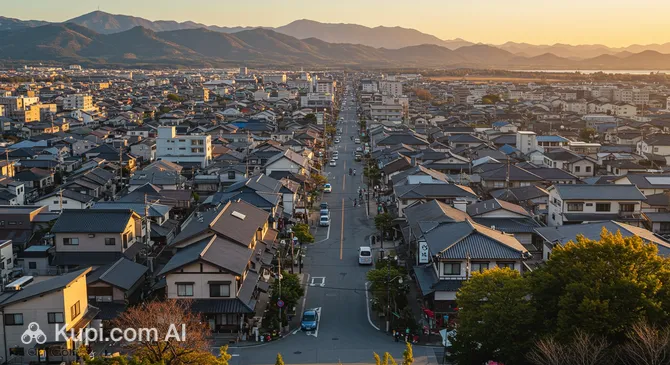
Yao. Illustration.
Source: Kupi.com AI
The rich history of the city is rooted in the distant past, but it received its modern administrative status in 1948 after several towns merged. Today, more than 260,000 people live here, creating a unique atmosphere of an active Japanese suburb.

While the city is primarily known for its mechanical engineering and non-ferrous metallurgy, travelers will find plenty of interest here. From ancient shrines to authentic farms, Yao offers a glimpse into the real, non-touristic life of the country. It is a wonderful place for those who want to escape the noise of central Osaka's districts without losing access to developed infrastructure.

We invite you to explore this corner of Osaka Prefecture, where ancient traditions are hidden behind the facades of modern buildings, and the hospitality of local residents will make your stay truly warm and memorable.
Weather Overview

The climate in Yao is of the humid subtropical type, which is typical for the entire Kinki region. This means that travelers can expect clearly defined seasons: hot, moisture-filled summers and mild, mostly dry winters. Precipitation is distributed throughout the year, but the peak of rainfall usually occurs in June and July.

If you are planning a trip, use the following indicators as a guide: in summer, the temperature can rise to +32°C and above, which, combined with high humidity, requires time for acclimatization. In winter, the thermometer rarely drops below +1°C, and daytime highs in January are around +8°C. Spring and autumn are the most comfortable periods to visit, when the weather offers mild warmth and a moderate amount of rainfall.

Detailed information on current forecasts and seasonal changes can be found in the section on weather in Yao. When packing your suitcase, remember that in summer you will definitely need an umbrella for sun or rain, while in the winter months, a light coat or jacket will suffice.

Average monthly temperature

Average monthly precipitation

Interesting Facts

  • The city's symbols are closely intertwined with nature: the majestic ginkgo is recognized as the official tree of Yao, and the elegant chrysanthemum is its main flower.

  • The city is located on the lands of the ancient Kawachi Province, which for centuries played an important role in the history of the Kinki region and the development of trade routes.

  • Yao is among the most densely populated cities in the region: the population density here exceeds 6,400 people per square kilometer, creating a sense of an incredibly vibrant and dense urban space.

  • The city has several Japanese sister cities, including Usa, Wake, and Shingu, which promotes active cultural exchange within the country.

  • Traditional crafts actively thrive in the city alongside high-tech mechanical engineering, making it an important industrial hub for Osaka Prefecture.

How to Get There

Yao boasts excellent transport accessibility, being a key satellite of Osaka. Thanks to a well-developed railway system, you can get to Yao quickly and comfortably from any major city in the Kinki region. Travel time from central Osaka usually does not exceed 40 minutes.

The nearest major air hub is Kansai International Airport (KIX), located about 60 kilometers away. This is the main gateway to the region, from where the city can be reached by special limousine buses or high-speed trains. The trip takes about 1–1.5 hours depending on the chosen route.

AirportPassenger trafficDistance
Itami Airport14.8 mln23 km
Kobe Airport3.6 mln34 km
Kansai International Airport30.6 mln40 km
Tokushima Awaodori Airport2.3 mln107 km
Shirahama Airport438 413109 km

Railway transport is the backbone of the city's transport life. Yao's main stations are served by JR lines and private Kintetsu railways. This makes it easy to plan trips to Kyoto or Nara. The stations are equipped with all necessary infrastructure, including elevators, storage lockers, and information boards in English.

StationPassenger trafficDistance
Fukai Railway Station9.5 mln14 km

For those traveling by car, modern highways lead from Osaka, and the drive takes about 40 minutes. However, it's worth noting that during morning and evening rush hours, traffic becomes very heavy, and travel time can significantly increase.

Main Attractions

Although Yao is not considered a global tourist mecca, it hides several gems that can charm the curious traveler. One of the city's key sanctuaries is Onji Shrine, which holds deep religious significance for the local community and attracts visitors with its peaceful atmosphere and traditional architecture.

For those interested in historical heritage, a visit to the Mizunomi Jizo monument is a must. This site is closely linked to local legends and the culture of the region, offering guests a chance to touch the ancient traditions of Kawachi Province.

Fans of agritourism and fresh produce should stop by GrandBerry farm. Here, you can not only learn about the intricacies of Japanese agriculture but also enjoy berry picking in season, making it a popular destination for family outings.

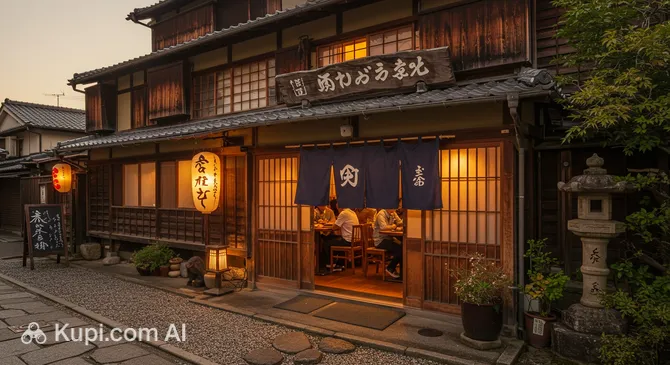
The city's gastronomic attractions deserve special mention. For example, the famous restaurant Tonkatsu Manger is renowned for its mastery of pork cutlets and is considered one of the best locations in the prefecture to experience this dish.

Tonkatsu Manger. Illustration.
Source: Kupi.com AI

Traveler photos:

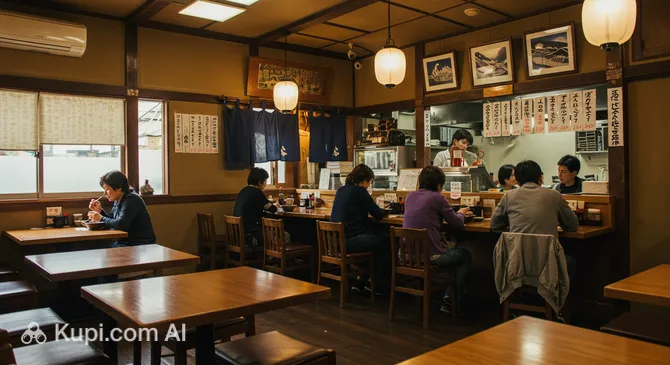
You can round off your exploration of the city at the cozy Yao Shiogensui, which serves traditional ramen. Such places allow tourists to experience the authentic taste of Japanese daily life far from the beaten path.

Yao Shiogensui. Illustration.
Source: Kupi.com AI

Traveler photos:

Local Cuisine

The gastronomic scene in Yao reflects the best traditions of Japanese cuisine with a slight emphasis on the regional specialties of Osaka Prefecture. Here, you can find both classic dishes and unique offerings from local masters. Special attention should be given to the restaurant Irori to Tempura Yotsuba, which specializes in preparing tempura in specially selected rare oils, giving the dishes a unique taste and lightness.

The city is famous for its meat restaurants. One of the most popular establishments, for which tourists are willing to travel from neighboring prefectures, is Tonkatsu Manger. The crispy pork cutlet prepared here is considered a gold standard. Also, fans of hearty soups should stop by Yao Shiogensui, which serves aromatic ramen prepared according to strict Japanese standards.

Tonkatsu Manger. Illustration.
Source: Kupi.com AI

Traveler photos:

Dining culture in Yao centers around small family restaurants and izakayas, where locals prefer to dine after work. Prices here are usually more pleasant than in the tourist centers of Osaka, while the quality of products remains consistently high. The city also has many bento shops and supermarkets with the freshest seafood.

As for drinks, you should definitely try local sake and green tea, which accompanies almost any meal in Japan. The overall character of the cuisine in the city can be described as home-style, honest, and incredibly high-quality, making Yao an excellent place for a true gastronomic exploration.

Travel Tips

Planning a trip to Yao? These practical tips will help you feel confident and get the most out of your stay in this hospitable Japanese city.

  1. Seasonal Clothing: Summers in the Kinki region are very hot and humid, so choose light fabrics. Winters can be chilly, and layered clothing will come in handy. For visiting shrines like Onji, a strict dress code is not required, but comfortable shoes are essential—you will be walking a lot.
  2. Transport Cards: Be sure to purchase a Suica or Pasmo card. It is a universal key to trains and buses. For navigation, use apps like Google Maps or Hyperdia—they accurately show schedules and platform numbers.
  3. Cash and Cards: While major stores accept cards, small family restaurants and izakayas often only take cash. Always keep a supply of yen with you. You can withdraw money at ATMs in 7-Eleven or Lawson stores.
  4. Safety and Health: Yao is a very safe city. Pharmacies (Drugstores) are easy to find by the "薬" sign. Tap water in Japan is drinkable, so you can safely refill your bottle.
  5. Communication: Not everyone in the city speaks English. Install an offline translator. A few basic phrases like "Arigato" (thank you) and "Sumimasen" (excuse me) will open many doors for you.
  6. Local Etiquette: When entering some traditional establishments or homes, you need to remove your shoes. On public transport, it is customary to keep quiet—talking on the phone on a train is considered bad manners.
  7. What to Avoid: Do not leave tips—it is not customary in Japan and might even embarrass the staff. Also, avoid eating on the go in crowded places; it's better to have a snack in designated areas or at a table.
  8. Seasonal Advice: Try not to plan your visit during Golden Week (early May), when the whole country is traveling and transport in Osaka Prefecture becomes incredibly overcrowded.

Enjoy every moment of your trip and let the quiet rhythm of Yao give you unforgettable impressions of the real Japan!

Entertainment & Nightlife

In Yao, nightlife has a quiet, local character typical of a residential satellite city. Most after-dark activity is concentrated around the railway stations, where numerous izakayas—traditional Japanese pubs—operate. Here, locals gather after a workday to enjoy a glass of beer or sake and snacks in a relaxed atmosphere.

One of the popular spots for evening relaxation is Kichiri Yaoten. This venue offers a cozy atmosphere and a great selection of dishes, perfect for getting acquainted with Japanese evening leisure culture. The crowd here primarily consists of local office workers and young people, and the dress code remains very casual.

If you're looking for bright lights, nightclubs, and large-scale parties, it's best to head to neighboring Osaka. Trains run regularly, and the journey takes only about 30–40 minutes. Within Yao itself, you can find modern cinemas and bowling centers, which serve as the main entertainment hubs for families and groups of young people on weekends.

As for safety, the city is considered extremely peaceful for night walks. The streets are well-lit, and the crime rate is minimal. If you stay late at a bar and miss the last train, taxi services are always available and wait near the city's main transport hubs.

Parks & Museums

Being a densely built-up city, Yao focuses on compact but well-maintained green zones that serve as recreation spots for residents. Small parks and squares are scattered throughout residential blocks, offering shade and coolness on hot summer days. The landscaping is done with typical Japanese attention to detail, where every tree and shrub occupies its precisely measured place.

The cultural life of the city is closely linked to its religious sites. Onji Shrine can be considered a kind of open-air museum, where the architecture and rituals tell the story of the region better than any exhibits. It is a magnet for those who want to feel the spiritual heritage of the ancient Kawachi Province.

To visit large-scale art galleries or world-class historical museums, residents and guests usually head to Osaka. However, local exhibitions are periodically held in community centers within Yao, dedicated to local crafts and the city's industrial achievements. This gives tourists an opportunity to see an authentic side of Japanese urban life, hidden from the eyes of the mass traveler.

Getting Around

The transport system in Yao is characterized by the efficiency and punctuality typical of Japan. The foundation of the network is formed by the railway lines of JR West and Kintetsu Railway, which connect the city with Osaka, Nara, and other parts of the Kinki region. Trains are the fastest and most reliable way to get around, though it's worth remembering rush hours (from 7 to 9 AM and from 5 to 7 PM) when carriages can be very crowded.

For travel within city neighborhoods, the bus route network is well-developed. Buses cover all residential areas and stop at key shopping centers and medical facilities. Fare payment is usually made upon exiting, and for convenience, we strongly recommend purchasing a rechargeable Suica or Pasmo card. These cards work on both trains and buses, saving you from having to buy paper tickets every time.

An alternative and very popular way of moving around among locals is the bicycle. The city is fairly flat and compact, making cycling pleasant and efficient. You can always find dedicated parking lots near railway stations, and rental services are available at some points. Walking is also an excellent choice for those who want to leisurely explore cozy streets and find hidden cafes.

Accommodation

Given Yao's status as a primarily residential and industrial center, the choice of accommodation here is focused mainly on practicality. The bulk of the hotel stock consists of compact business hotels, which are ideal for budget-conscious travelers and those visiting the region on business. These hotels typically offer small but functional rooms with all necessary equipment and internet access.

For those planning to stay in the city longer, renting apartments through popular international services is a common option. This allows for a deeper immersion into the atmosphere of Japanese daily life and helps save on food by using local supermarkets. The cost of living in Yao is often noticeably lower than in central Osaka, making the city an excellent base for exploring the region on a budget.

Most accommodation options are located within walking distance of railway stations, which is extremely convenient for regional travel. We recommend booking accommodation in advance if your trip coincides with major Japanese holidays such as Golden Week or the New Year holidays, when demand for rooms increases significantly.

Nearby Cities

Yao is an excellent transport hub from which you can easily set off to explore neighboring cities in Osaka Prefecture and the entire Kinki region. Thanks to the dense railway network, many interesting locations are just a few minutes' drive away, making the city a convenient base for radial routes.

Very close by is the city of Kashiwara, known for its picturesque views and historical sites. It's also worth spending time on a trip to Higashiosaka—a major industrial and cultural center bordering Yao. For those seeking spiritual peace and ancient architecture, the small towns of Fujiidera and Habikino, home to unique temple complexes, are suitable choices.

CityPopulationDistance
Kashiwara121 6046 km
Fujiidera63 3386 km
Higashi Osaka490 8196 km
Matsubara117 1867 km
Habikino108 3738 km

Don't miss the chance to visit the legendary Nara with its famous deer and the Great Buddha, or head to Kyoto, the cultural capital of Japan, which is just over an hour away. Each of these destinations will provide a wealth of new impressions and allow you to see the multifaceted nature of Japanese culture.

Shopping & Souvenirs

Shopping in Yao is primarily oriented toward the daily needs of residents, allowing tourists to make purchases at fair prices without "tourist markups." Main commercial activity is concentrated around the major railway stations, where modern shopping complexes and traditional shopping streets are located. Here you can find everything from high-quality Japanese clothing to the latest electronics.

For large-scale shopping, we recommend visiting major supermarkets and department stores such as Aeon or Ito-Yokado. These are excellent places not only for buying groceries but also for finding original Japanese home goods, cosmetics, and gifts. Visiting such centers is a kind of immersion into modern Japanese consumer culture.

If you are looking for unusual souvenirs, look for small specialized shops in residential areas. There you can find unique items from local artisans or traditional sweets characteristic of the Kinki region. Although there are no huge outlets in Yao, its proximity to Osaka allows you to reach the country's most prestigious shopping districts in 30–40 minutes.

Shops in the city usually operate from 10:00 to 20:00, and grocery supermarkets often close much later. Most large retail outlets accept international bank cards and support the Tax-Free system, allowing foreign tourists to get a tax refund on purchases. Be sure to bring your passport to complete the necessary paperwork right at the checkout.

Reached the end of the page?

That means the route is fully explored