Support

Atbasar

About

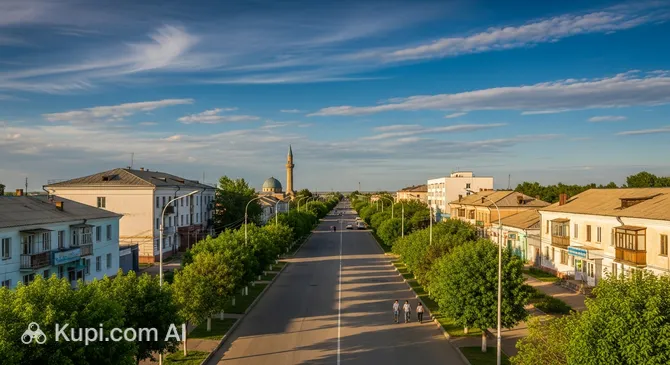
Welcome to Atbasar, a distinct city located in the Akmola Region of Kazakhstan. Situated on the banks of the winding Zhabay River, this settlement serves as an important transport hub and a window into the everyday life of the northern steppes. With a population of approximately 30,000 residents, it maintains a cozy, small-town atmosphere while playing a vital role in the agricultural and industrial sectors of the region.

Atbasar. Source: Kupi.Binoculars

The city has deep roots stretching back to the mid-19th century. Originally established as a frontier outpost, the history of Atbasar is reflected in its resilient character and the blend of architectural styles found in its streets. Visitors interested in the past can appreciate the lingering traces of the old merchant era, which give the town a unique historical flavor amidst the modern developments.

While Atbasar is often a transit point for travelers, it offers its own set of modest charms. The Local History Museum is a key stop for those wanting to learn about the region's ethnography and natural heritage. A stroll along the Zhabay River provides a peaceful escape and a chance to enjoy the stark beauty of the surrounding landscape. The city is also known for its connection to the railway network, making it a bustling spot for observing the pulse of local commerce.

Whether you are passing through on a railway journey or exploring the depths of the Akmola Region, Atbasar offers a genuine glimpse of local culture. It is a destination that invites you to slow down and appreciate the quiet, enduring spirit of the steppe.

Weather Overview

The climate in this part of the Akmola Region is sharply continental, characterized by significant contrasts between the seasons. Winters are typically long and cold, with January being the harshest month, showing an average temperature of -14.9°C and lows dipping to -18.7°C. Travelers planning a visit during the colder months should be prepared for freezing conditions and pack heavy winter clothing.

In contrast, the summer season brings a welcome warmth to the steppe. July sees average temperatures rise to 20.5°C, with daytime highs reaching a comfortable 26.4°C, making it a favorable time for exploration. To help plan your specific travel dates, you can check the current weather in Atbasar for detailed forecasts.

Precipitation volume is generally low throughout the year, often recorded around 1mm to 2mm, although you may encounter damp conditions on approximately 6 to 9 days per month. Expect warm summers with occasional light rain and cold, dry winters.

Interesting Facts

Beyond its role as a transport hub, Atbasar holds fascinating secrets that reveal its significance in the development of the region. Here are a few unique facts that highlight the city's rich heritage:

  • A Historic Trading Giant: Before the era of modern highways, the city was famous for the Atbasar Fair, one of the largest commercial gatherings in the steppes of Kazakhstan during the 19th century. It served as a vital bridge for caravans moving between Central Asia and Siberia, trading everything from livestock to tea and manufactured goods.

  • Birthplace of a Literary Icon: The city is the proud hometown of Ilyas Esenberlin, a distinguished author whose works are central to the nation's literary canon. His famous historical trilogy, The Nomads, chronicles centuries of history and was penned by a son of this very soil, making Atbasar a significant spot for literary pilgrims.

  • Etymological Mystery: The name "Atbasar" sparks curiosity, with a popular theory suggesting it translates from Turkic roots as "where the horse treads." This poetic interpretation serves as a reminder of the era when horses were the primary pulse of life and travel across the vast plains surrounding the settlement.

How to Get There

Reaching this destination in the Akmola Region requires a bit of planning, as it is situated in the vast steppes of Central Asia. Whether you are traveling by air or rail, understanding the logistics will ensure a smoother journey. You can find more detailed information and all ways to reach the city on our dedicated transport page.

The city of Atbasar does not have its own airport, so most air travelers fly into neighboring regional hubs. The most significant option is Nursultan Nazarbayev International Airport (IATA: NQZ), located in the capital city of Astana. This major international airport is approximately 233 km from Atbasar. From the capital, a journey by taxi or bus typically takes around 6 hours depending on road conditions and transport type. It handles a large volume of passengers annually, offering numerous connections.

Another viable option is Kokshetau Airport (IATA: KOV), situated in the city of Kokshetau, about 187 km away. While it serves fewer passengers compared to the capital's hub, it provides a closer alternative for some itineraries. The ground transfer from Kokshetau to Atbasar generally takes about 4 hours and 40 minutes.

For clarity, here is a summary of the main airports:

Airport Name City Passenger Traffic Km from City
Nursultan Nazarbayev International Airport Astana High 233.4
Kokshetau Airport Kokshetau Medium 187.5

Traveling by train is often the most convenient method for reaching the city directly. The Atbasar Railway Station is located within the city limits, just 2.0 km from the center, making it an extremely accessible arrival point. It sees a steady flow of passengers and connects the town to the broader railway network of the region. If for some reason you need to arrive at a different hub, the Esil Railway Station in Esil is another regional stop, though it is located approximately 136 km away.

Below is a list of railway stations serving the area:

Station City Passenger Traffic Km to Center
Atbasar Railway Station Atbasar Medium 2.0
Esil Railway Station Esil Medium 135.9
Makinka Station Makinsk Medium 166.7
Derzhavinsk Railway Station Derzhavinsk Small 163.8
Yanko Station Saumalkol 167.0

Main Attractions

While Atbasar is often viewed as a transit hub, it holds a collection of meaningful sites that offer a deeper look into the culture and history of the northern steppes. The city’s attractions are modest yet genuine, reflecting the resilience of its people and the rich heritage of the Akmola Region. Visitors can expect a quiet, educational experience focusing on local lore, literary history, and peaceful green spaces.

One of the most significant cultural institutions is the Atbasar History and Local Lore Museum. This facility serves as the guardian of the region's memory, housing thousands of exhibits that span from ancient archaeological finds to the Soviet era. Tourists interested in ethnography will find the collections particularly engaging, as they showcase traditional Kazakh clothing, household items, and tools that illustrate the nomadic lifestyle of the past. The museum also dedicates space to the natural history of the area, featuring displays on the flora and fauna of the surrounding steppes.

For literature enthusiasts, the Ilyas Esenberlin Literary Museum is a must-visit destination. Atbasar is the birthplace of Ilyas Esenberlin, a renowned Kazakh writer best known for his historical trilogy The Nomads. This museum is dedicated to his life and creative path, preserving personal belongings, manuscripts, and photographs that offer an intimate glimpse into the mind of the celebrated author. It is a place of inspiration, highlighting the city's contribution to the national literary canon.

Those seeking a place for a leisurely stroll should head to Victory Park (Park Pobedy). Located in the heart of the city, this green oasis is a favorite spot for locals to relax and socialize. The park features monuments dedicated to the soldiers of the Second World War, serving as a solemn reminder of the city's sacrifices. With its well-maintained paths and shaded areas, it provides a pleasant environment for a walk, especially during the warm summer evenings when the community comes alive.

The spiritual life of the city is visible in its religious architecture, most notably the Church of St. Sergius of Radonezh. This Orthodox church is an architectural landmark that stands out with its blue domes and neat facade. It functions not only as a place of worship but also as a symbol of the multicultural fabric of the region. Visitors are often drawn to its peaceful atmosphere and the opportunity to observe the local religious traditions that have coexisted here for decades.

Local Cuisine

The local cuisine in Atbasar reflects the hearty traditions of the northern Kazakh steppes, where food is designed to provide warmth and sustenance during the long winters. The gastronomic scene here is heavily centered on meat and dairy products, offering visitors a genuine taste of nomadic heritage. While you won't find haute cuisine, you will discover generous portions, rich flavors, and a deep sense of hospitality in every meal.

The absolute staple of any table in this region is Beshbarmak. This national dish consists of boiled meat—usually beef, lamb, or horse meat—served over thin squares of homemade pasta and topped with a savory onion sauce called tuzdyk. In the Akmola Region, it is often served with Kazy, a traditional horse meat sausage that is considered a high-quality delicacy. Another must-try dish is Kuyrdak, a rich roast made from freshly fried liver, kidney, heart, and other organ meats, often cooked with potatoes for a filling meal.

For a quick bite or a side dish, look for Baursaks. These are puffy, golden pieces of fried dough that are slightly sweet and incredibly addictive, typically served alongside main courses or with tea. You might also encounter Samsa, triangular savory pastries filled with minced meat and onions, baked in a clay oven or standard oven until crispy. They are a popular street food choice for travelers passing through the city.

No meal in Atbasar is complete without the traditional tea ceremony. Locals drink strong black tea mixed with milk, served in small bowls called pialas. It is consumed in large quantities and is the centerpiece of social interaction. For a more distinct local flavor, adventurous tourists should try Kumys, fermented mare's milk known for its slightly sour taste and health benefits, or Shubat, a richer beverage made from camel's milk.

The food culture in Atbasar is casual and unpretentious. Most dining establishments are small, family-run cafes or roadside eateries known as "kafe." These spots serve home-style cooking where the focus is on freshness and tradition rather than elaborate presentation. Whether you are dining in a local canteen or visiting a guest house, the food here is prepared with care, offering a comforting welcome to anyone traveling across the plains.

Travel Tips

Visiting Atbasar offers a unique opportunity to experience the authentic pace of life in the Akmola Region, but a trip to this steppe town requires a bit of practical preparation. To ensure your journey is smooth and enjoyable, here are some essential tips to keep in mind before and during your stay.

  1. Clothing and Gear: The climate here is strictly continental, so your wardrobe must match the season. In winter, thermal underwear, a heavy down jacket, and slip-resistant boots are mandatory as temperatures can drop significantly. Summers are warm, so light, breathable fabrics are best, but bring a windbreaker for breezy evenings. If you plan to visit the Church of St. Sergius of Radonezh or local mosques, dress modestly; women should bring a scarf to cover their heads.

  2. Transportation: Atbasar is a compact city, and many points of interest in the center are walkable. For longer distances, there is no metro or tram system. The most common way to get around is by local taxi services. While ride-hailing apps popular in larger cities might have limited availability here, you can easily flag down a car or ask your accommodation to call a trusted local driver. Always agree on the fare before starting your trip if the car lacks a meter.

  3. Finances: The official currency is the Kazakhstani Tenge (KZT). While larger supermarkets and some hotels may accept credit cards (Visa/Mastercard), cash is still king in smaller shops, local canteens, and the bazaar. It is highly recommended to withdraw cash from an ATM in the city center or exchange money in major cities like Astana before arriving, to ensure you have small change for taxis and market purchases.

  4. Health and Safety: Pharmacies (marked as Apteka) are available in the town center, but they may not operate 24/7, so bring a supply of any prescription medications you need. The city is generally safe for tourists, but it is wise to stick to well-lit streets after dark and be cautious of stray dogs on the outskirts. Tap water is generally not recommended for drinking; stick to bottled or boiled water.

  5. Communication: The primary languages spoken are Kazakh and Russian. English is not widely spoken, so having a translation app that works offline (like Google Translate) is invaluable. Buying a local SIM card (providers like Beeline, Kcell, or Tele2) is easy and affordable; this will give you access to mobile data for maps and translation tools, which are essential for independent travel here.

  6. Local Etiquette: Hospitality is a cornerstone of local culture. If you are invited for tea, it is polite to accept; refusing can be seen as disrespectful. When entering a home, always remove your shoes at the door. A firm handshake is the standard greeting between men, while a polite nod or verbal greeting is common for women.

  7. What to Avoid: Avoid discussing sensitive political topics or criticizing local traditions, as this can be taken personally. Also, do not photograph government buildings, military sites, or police officers without explicit permission, as this is strictly regulated.

  8. Winter Travel Note: If you are visiting between November and March, be aware of the buran, a fierce winter snowstorm common in the steppes. These storms can lead to sudden road closures. Always check weather warnings and road status apps (like Darmen) before traveling in or out of the city by car during winter.

By keeping these practicalities in mind, you will be well-equipped to navigate the local environment with confidence. Atbasar is a welcoming place for those who respect its customs, offering a peaceful and genuine travel experience in the heart of the Kazakh plains.

Entertainment & Nightlife

Nightlife in Atbasar is quiet and reserved, reflecting the town's measured pace of life. Unlike the bustling club scenes found in larger cities like Astana, evening entertainment here is centered around socializing in cozy dining establishments. The local culture emphasizes hospitality and conversation, so a night out typically involves a long, hearty dinner accompanied by music rather than dancing until dawn in a nightclub. The atmosphere is generally relaxed and family-friendly, offering a genuine glimpse into the social fabric of the Akmola Region.

The main hub for evening activities is the city center, particularly the streets surrounding the central square and the railway station area. Here, you will find the highest concentration of cafes and restaurants that stay open late. Visitors should not expect strict dress codes; a casual, neat appearance is sufficient for almost any venue. The crowds are mostly locals unwinding after work or celebrating special occasions, creating a welcoming and unpretentious vibe.

For those looking to experience the local evening scene, Restoran Atameken is a popular choice. It serves as a go-to venue for celebrations and large gatherings, often featuring live music or a DJ on weekends. It is a great place to observe how locals celebrate, enjoy traditional Kazakh dishes, and experience the warm hospitality of the steppe. Another well-regarded spot is Kafe Salam, known for its comfortable environment and diverse menu. It offers a more laid-back setting where you can enjoy a quiet dinner and conversation with friends.

Kafe Tomiris is another venue worth visiting for a pleasant evening. Like many establishments in Atbasar, it functions as both a dining spot and a social venue where the line between a restaurant and a lounge blurs. Prices in these venues are very affordable compared to the capital, making it easy to enjoy a full meal and drinks without breaking the bank. Most places close by midnight or 1:00 AM, so it is best to start your evening early, around 7:00 PM or 8:00 PM.

When it comes to practicalities, cash is essential. While some larger venues may accept cards or mobile transfers, smaller cafes often prefer cash. Getting around at night is best done by taxi. There is no Uber, but local taxi services are inexpensive and reliable. You can ask the restaurant staff to call a car for you, which is the safest and most convenient option. The city is generally safe for night walks, especially in the illuminated central districts, but it is advisable to avoid unlit outskirts and stick to main streets.

During the day, entertainment options shift towards cultural and recreational activities. The District House of Culture often hosts local concerts, events, and movie screenings, serving as the primary center for arts in the town. For a more educational experience, the local museums offer deep dives into history and literature, while the city's parks provide a peaceful setting for leisure before the sun goes down.

Parks & Museums

While Atbasar is a compact city, it offers a surprising depth of cultural heritage and peaceful green spaces that reflect its history as a steppe outpost. Visitors will find that the city's parks and museums are intimate and community-focused, providing a genuine connection to the local lifestyle and the rich legacy of the Akmola Region.

The most prominent green area in the city is Victory Park (Park Pobedy). Situated in the center of town, this park serves as the main gathering place for residents, especially during public holidays and warm summer evenings. It is anchored by a memorial complex dedicated to the soldiers of World War II, offering a solemn space for reflection amidst the tree-lined paths. It is an ideal spot for a quiet walk, allowing travelers to observe the slow, relaxed rhythm of local life.

For a more natural experience, the banks of the Zhabay River offer a scenic escape from the urban environment. While not a formal landscaped garden, the riverside area is a favorite for locals who enjoy fishing, picnicking, or simply watching the sunset over the water. The river winds through the steppe, creating picturesque views that highlight the raw, open beauty of the northern Kazakh landscape. It is a perfect location for photographers looking to capture the contrast between the water and the vast plains.

The cultural crown jewel of the city is the Ilyas Esenberlin Literary Museum. Dedicated to the famous author of the Nomads trilogy, this museum is located in the house where the writer was born and raised. It preserves the atmosphere of the early 20th century and houses a collection of his personal manuscripts, books, and photographs. For tourists, this is a unique opportunity to understand the roots of a figure who played a pivotal role in shaping Kazakhstan's national identity through literature.

Another essential stop is the Atbasar History and Local Lore Museum. This institution provides a comprehensive overview of the region, from the prehistoric era to the development of the virgin lands. The exhibits include archaeological finds, traditional Kazakh jewelry, and household items that tell the story of the nomadic tribes who once roamed these lands. The museum also features dioramas of the local flora and fauna, making it an educational visit for those interested in the natural history of the steppe.

Walking through the older streets of Atbasar reveals traces of its past as a major trading hub. You can still find well-preserved 19th-century merchant houses built from red brick, which stand in contrast to the later Soviet-era architecture. These buildings are remnants of the time when the famous Atbasar Fair drew traders from across Central Asia and Russia. Additionally, the Railway Station building itself is a significant landmark, representing the city's enduring role as a vital transport link in the region.

For a truly local experience, visit the central Bazaar on a weekend morning. It is a bustling hive of activity where farmers from surrounding villages sell fresh dairy, meat, and produce. Wandering through the stalls offers a sensory immersion into the daily life of the community that you won't find in a museum.
Getting Around

The public transport system in Atbasar is straightforward and modest, designed to meet the needs of a compact city with a population of around 30,000. Due to its size, travelers will not find complex transit networks like a metro, tram, or trolleybus system here. The primary mode of public transportation consists of buses and minibuses (often referred to as marshrutkas) that circulate along fixed routes, connecting the residential districts with the city center, the main market, and the railway station.

For payment, the system is traditional and relies heavily on cash. Unlike the electronic ticketing systems found in larger metropolises, buses in Atbasar typically do not use smart cards or turnstiles. Passengers usually pay the fare directly to the driver or a conductor upon entering or exiting the vehicle. The cost of a single journey is very affordable, generally hovering around 80 to 100 Tenge. While digital banking apps like Kaspi are ubiquitous in the region and may sometimes be accepted via QR code, it is strongly advisable for tourists to carry small change in local currency to ensure a hassle-free ride.

Operating hours for public transport are somewhat limited compared to major urban hubs. Buses generally start running early in the morning, around 7:00 AM, and service tends to wind down by 8:00 PM or 9:00 PM. If you are planning to travel later in the evening, you should not rely on the bus schedule. Stops are marked, but they may lack detailed timetables, so asking locals for the correct route number is often the most effective way to navigate.

Given the limitations of the bus network, taxis are a highly popular and convenient alternative for getting around. They are inexpensive and can be hailed on the street, found at designated stands near the railway station and bazaar, or booked via phone. While global ride-sharing giants may not operate here, regional apps like InDrive are often used by locals to find rides quickly. For many visitors, simply walking is also a viable option, as the city center is compact and many key attractions are located within a reasonable distance of each other.

Accommodation

Accommodation options in Atbasar are quite limited, reflecting its status as a modest industrial and transport hub rather than a major tourist destination. Visitors should not expect to find international luxury chains or sprawling resorts here. Instead, the city offers a small selection of simple hotels and local guest houses. These establishments are primarily designed to cater to transit travelers, railway passengers, and those visiting on business, providing basic but functional amenities for a comfortable night's rest.

The most convenient area for tourists to stay is the city center, particularly in the vicinity of the Atbasar Railway Station. Choosing a place in this district ensures you are close to the main transport links, which is especially helpful for those arriving or departing by train. Additionally, staying centrally places you within walking distance of key local sites, such as the museums and parks, as well as essential grocery stores and cafes.

Booking Tip: It is important to know that most accommodation facilities in Atbasar do not have a presence on major international booking platforms. Finding and reserving a room online can be difficult. Travelers are often advised to search for contact numbers on local map services and call ahead, or simply inquire upon arrival. Since the town is rarely overcrowded with tourists, finding a room as a walk-in guest is usually feasible outside of major holidays.

In terms of cost, accommodation in Atbasar is generally very budget-friendly. Prices are significantly lower than in the capital or larger regional cities, making it an economical stopover. However, visitors should be prepared to pay in cash (Kazakhstani Tenge), as smaller hotels and guest houses may not have credit card terminals available at the reception desk.

Nearby Cities

For those looking to explore the surroundings, Atbasar serves as an excellent base for day trips to several interesting nearby locations:

One of the most compelling destinations within reach is Kokshetau. Situated approximately 178 km away, this city is beautifully located on the shores of Lake Kopa and serves as the administrative center of the region. It acts as a gateway to the stunning nature of Northern Kazakhstan, offering a mix of cultural museums and scenic lakeside promenades that provide a refreshing contrast to the open steppe.

For travelers willing to venture a bit further, the capital city of Astana is a futuristic metropolis located about 225 km from Atbasar. Known for its striking modern architecture, such as the Bayterek Tower and the Khan Shatyr entertainment center, it offers a dynamic urban experience. A trip here provides access to world-class dining, shopping, and entertainment, making it well worth the journey for those seeking the vibrancy of a major capital.

Another interesting option is Stepnogorsk, a city with a unique industrial history. While it is less tourist-oriented than the capital, it offers a glimpse into the Soviet-era development of the region and is surrounded by distinctive landscapes that appeal to those interested in the authentic, off-the-beaten-path side of the country.

City Population Distance (km)
Astana 1,078,362 225
Kostanay 245,000 357
Petropavl 216,406 344
Kokshetau 165,153 178
Stepnogorsk 46,712 248

These nearby destinations offer a glimpse into the diverse culture and landscapes of the region.

Shopping & Souvenirs

Shopping in Atbasar offers a window into the practical, everyday life of the Akmola Region. Unlike the glitzy malls of the capital, the retail experience here is modest, community-focused, and devoid of international luxury chains. Visitors will find a selection of stores catering to local needs, from clothing and household goods to fresh produce. For tourists, the charm lies in exploring the authentic local markets and small trading houses where the spirit of the steppe town is most visible.

The main commercial activity is concentrated in the city center, particularly along the streets surrounding the central square and the areas adjacent to the railway station. A walk down the main avenues reveals a mix of small, family-owned grocery stores, pharmacies, and shops selling affordable apparel. These districts are compact and walkable, allowing you to browse the available goods without the need for transportation.

Instead of sprawling modern shopping malls, Atbasar is home to several "Trading Houses" (known locally as Torgoviy Dom). These are typically multi-story buildings subdivided into smaller private stalls and boutiques. Inside, you can find everything from shoes and winter coats to electronics and children's toys. They function as the primary indoor shopping venues for residents, offering a warm refuge during the cold winter months while providing essential goods at reasonable prices.

The heartbeat of the city's trade is undoubtedly the Central Bazaar. This market is where the local culture comes alive. It is a bustling place where farmers from nearby villages come to sell fresh meat, dairy products, vegetables, and seasonal fruits. For a traveler, this is the best place to find high-quality local food items. The atmosphere is lively and unpretentious, offering a stark contrast to the sterile environment of a supermarket.

When looking for souvenirs, do not expect dedicated tourist shops. The best mementos from Atbasar are often edible or practical. Look for Kazakhstani chocolates produced by the Rakhat factory, which are widely available in grocery stores and make excellent gifts. You might also find traditional dairy products like kurut (dried salty yogurt balls) at the market. Occasionally, local artisans may sell handmade felt items or knitted goods, which are perfect for the cold climate and serve as authentic keepsakes.

Most shops and trading houses operate from approximately 9:00 AM or 10:00 AM until 6:00 PM or 7:00 PM. The central market is best visited in the morning when the produce is freshest. While some larger grocery stores and pharmacies may stay open later, the town generally quiets down in the evening.

Cash is essential for shopping in Atbasar. While a few larger supermarkets and modern shops may accept credit cards, the vast majority of vendors at the bazaar and in smaller kiosks deal exclusively in Kazakhstani Tenge. It is highly recommended to withdraw sufficient cash from an ATM before heading out to shop. Tax-free shopping (VAT refund) is not available in Atbasar, as this service is typically limited to major international airports and luxury hubs in the country's largest cities.

Nearby cities

Reached the end of the page?

That means the route is fully explored