Support

Baikonur

About

Baikonur is a name that resonates with space enthusiasts around the globe, symbolizing the gateway to the stars. Located in the vast steppes of Kazakhstan, this city is world-renowned for being the administrative center near the Baikonur Cosmodrome, the world's first and largest operational space launch facility. The atmosphere here is truly unique, blending a distinct sense of historical significance with the futuristic excitement of space exploration.
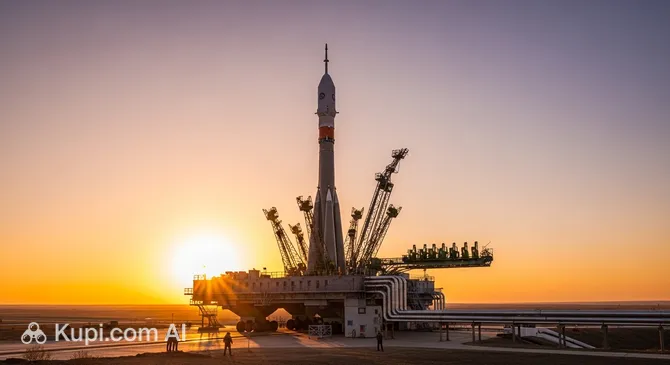
Baikonur. Source: Kupi.Binoculars

Geographically, the city is situated in the Kyzylorda Region on the right bank of the Syr Darya River. The surrounding landscape is characterized by the expansive semi-arid steppe, which provides a dramatic and unobstructed backdrop for rocket launches. The climate is continental, featuring hot, dry summers and cold winters, while the city itself is home to a population of approximately 39,000 residents.

The history of Baikonur is legendary, marking the starting point for humanity's greatest achievements in space, including the launch of the first artificial satellite and the first manned spaceflight by Yuri Gagarin. Today, the city attracts travelers eager to witness this heritage firsthand. Key attractions include the Cosmodrome Museum, which houses rare space artifacts, and the various monuments honoring cosmonauts and engineers that can be found throughout the town squares.

Visiting Baikonur offers a rare opportunity to touch the legacy of the space race. Whether you are planning to witness a spectacular rocket launch or simply wish to explore the museums and landmarks dedicated to space pioneers, this city promises an unforgettable journey for anyone fascinated by the cosmos.
Weather Overview

The climate in Baikonur is sharply continental, characterized by significant contrasts between the seasons. Winters are generally cold, with January averages sitting around -6.5°C and minimum temperatures often dropping to -10.1°C. In contrast, summers are intensely hot and dry; July is typically the warmest month, featuring average temperatures of 28.9°C and daytime highs that can reach 35.5°C.

Precipitation is scarce throughout the year, resulting in arid conditions with very few wet days, particularly in June. Spring and autumn offer a milder transition, with April seeing pleasant averages of 14.1°C and September cooling down to around 18.1°C. For a more detailed breakdown of what to expect during your trip, you can consult the guide to the weather in Baikonur.

Interesting Facts

Beyond the launchpads and museums, Baikonur is a city of unique paradoxes and hidden history that often surprises visitors. Here are a few intriguing details about life and lore in this space capital.

  • A City of Deception: The name "Baikonur" was originally assigned to a small mining town located hundreds of kilometers away. Soviet authorities used this name for the cosmodrome and the nearby city (then called Leninsk) to confuse foreign intelligence agencies about the true location of the strategic launch site. The city was officially renamed Baikonur only in 1995.

  • Two Currencies, One City: Due to the unique lease agreement between Kazakhstan and Russia, the city functions under a special status. It is common to find both the Kazakhstani tenge and the Russian ruble in circulation, and the city operates largely under Russian administration, making it an enclave of sorts within the Kyzylorda Region.

  • Strict Access Control: Baikonur remains a "closed city," a relic of the Cold War era that persists today for security reasons. Entrance is strictly controlled, and visitors cannot simply drive in; special permits must be arranged weeks in advance to pass the checkpoints guarding the city limits.

  • Living Traditions: Before heading to space, cosmonauts follow a strict set of rituals in the city, one of which includes planting a tree in the Avenue of Cosmonauts. This park has grown into a living history book, where trees planted by legends like Yuri Gagarin and Valentina Tereshkova still stand today.

How to Get There

Reaching this unique spaceport city requires some planning, as it is a closed city with specific access rules. However, the logistical part of the journey is quite straightforward once your permits are in order. For a comprehensive overview of routes and tips, you can read more about how to get to Baikonur in our detailed guide. The city is served by local air and rail connections, often involving travel through neighboring regional hubs.

For air travel, the most convenient option for authorized personnel and specific charters is Krayniy Airport (IATA: BXY). It is located just 8.4 km from the city center, making the transfer very quick—approximately 35 minutes by taxi. However, many regular visitors choose to fly into Kyzylorda Airport (IATA: KZO) in the city of Kyzylorda. This airport is situated about 205 km from Baikonur. From Kyzylorda, you can take a taxi or bus to reach Baikonur; the journey typically takes around 5.5 hours by road.

For clarity, here is a summary of the main airports:

Airport Name City Passenger Traffic Km from City
Kyzylorda AirportKyzylordaMedium205.2
Krayniy AirportBaikonurSmall8.4

Traveling by train is a very popular method for reaching the area, offering a scenic journey across the Kazakh steppe. The primary railway gateway is Toretam Station, which is technically located in the village of Toretam, immediately adjacent to Baikonur. It is only 3.2 km from the city center, and a taxi ride takes just about 25 minutes. Another option further afield is the Zhosaly Railway Station in Zhosaly, located approximately 61.5 km away, though Toretam remains the most direct rail link for visitors.

Below is a list of railway stations serving the region:

Station City Passenger Traffic Km to Center
Toretam StationBaikonurMedium3.2
Kazaly Railway StationKazalyMedium94.1
Aral Tenizi StationAralMedium182.7
Zhosaly Railway StationZhosalyMedium61.5
Aralkum StationAralSmall147.5

Main Attractions

Baikonur is a city defined by its connection to the stars, and its most compelling attractions are naturally centered around the history of space exploration. Visitors here can immerse themselves in the legacy of the Soviet space program, viewing monuments and museums that celebrate the achievements of cosmonauts and engineers. While access to the operational launchpads requires special permits and tours, the city itself offers several accessible landmarks that capture the spirit of this unique location.

One of the most prominent sights in the city is the Soyuz Rocket Model. This full-scale replica of the legendary Soyuz launch vehicle stands proudly as a monument to the technology that has carried humans into orbit for decades. It serves as a powerful symbol of the city's identity and provides a stunning backdrop for photos, allowing tourists to appreciate the sheer scale of the engineering marvels associated with the cosmodrome.

For those looking to delve deeper into history, the Museum of the History of the Baikonur Cosmodrome located within the city limits is an essential stop. Unlike the museum at the launch site, this facility is more easily accessible and houses an impressive collection of artifacts, including space suits, models of spacecraft, and personal belongings of famous cosmonauts. It offers a comprehensive narrative of how a remote patch of steppe became the gateway to the universe.

Another touching landmark is the Monument to Yuri Gagarin, dedicated to the first human in space. Standing with arms raised towards the sky, the statue honors the hero who put Baikonur on the global map. It is a place of pilgrimage for space enthusiasts and a central point in the city where locals and visitors alike pay their respects to the pioneers of the cosmos.

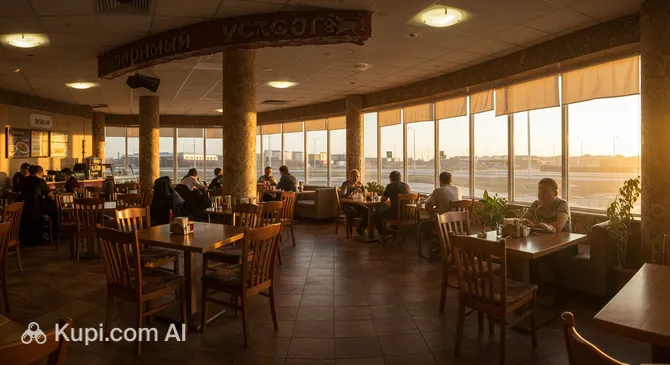
Arsenal Cafe. Source: Kupi.Binoculars

After a day of exploring these historic sites, visitors can take a break at the Arsenal Cafe. This local establishment offers a comfortable atmosphere to relax and reflect on the city's unique atmosphere. Whether you are looking for a hearty meal or a quick snack, it provides a welcoming environment to recharge before continuing your journey through this extraordinary space capital.

Local Cuisine

The culinary landscape of Baikonur mirrors its unique political and cultural status, offering a distinct blend of traditional Kazakh hospitality and Russian comfort food. Visitors will find that the local diet is hearty and meat-centric, designed to sustain life in the arid steppe climate. The fusion of cultures means you are just as likely to find a steaming bowl of borscht as you are a platter of nomadic delicacies.

One dish you absolutely must try is Beshbarmak, the national dish of Kazakhstan. Consisting of boiled meat—usually horse meat, mutton, or beef—served over flat noodle sheets and topped with a savory onion sauce, it is a communal meal meant to be shared. Given the city's location in the Kyzylorda Region, which is celebrated as the rice bowl of the country, Plov (pilaf) is another staple. The local variation is rich and flavorful, prepared with the famous local rice, carrots, onions, and tender chunks of meat.

When it comes to beverages, tea culture is dominant; hot black tea with milk is served with almost every meal, regardless of the scorching summer heat. For those looking to try something truly local, Shubat—fermented camel milk—is a popular traditional drink in this desert region. It is known for its sparkling texture and sour taste, often praised by locals for its refreshing and healthy properties.

The dining scene in Baikonur is relatively modest but welcoming, with options ranging from casual canteens to cozy restaurants that serve both local residents and the space industry workforce. For a reliable meal in a relaxed setting, many visitors head to the Arsenal Cafe. It is a well-known spot in the city where you can enjoy a mix of European and local dishes, making it a convenient choice for tourists seeking a familiar yet authentic dining experience.

Travel Tips

Visiting Baikonur is unlike any other travel experience, requiring a bit more preparation due to its unique status as a closed city and its location in the heart of the Kazakh steppe. To help you navigate this legendary space capital with ease, here is a set of practical tips designed to make your journey as smooth as it is memorable.

  1. Clothing and Gear: The desert climate dictates your wardrobe here. In summer, the heat can be intense, so bring lightweight, breathable fabrics, a wide-brimmed hat, and high-SPF sunscreen. Winters are harsh and windy, requiring heavy thermal layers, a windproof coat, and sturdy boots. regardless of the season, comfortable walking shoes are a must, as you will likely spend a lot of time on your feet exploring monuments and museums.

  2. Transportation: The city is relatively compact, and while there is a local bus system, taxis are the most convenient and affordable way to get around. You can easily hail them on the street or ask your hotel to call one for you. Ride-hailing apps are not as prevalent here as in Almaty or Astana, so having small cash denominations for fare is essential.

  3. Finances: Baikonur is unique in that it operates with a dual-currency system. Both the Russian Ruble (RUB) and the Kazakhstani Tenge (KZT) are widely accepted in shops and restaurants. It is highly advisable to carry cash, as international cards may not work in all terminals, and ATMs can be scarce or specific to local banks. Always ask which currency is preferred before purchasing.

  4. Health and Safety: The city is heavily policed and generally very safe for tourists, provided you follow the rules. Pharmacies are available, but they may not operate 24/7, so bring a personal supply of essential medications. Due to the arid climate, dehydration is a common issue; strictly stick to bottled water and carry a bottle with you at all times.

  5. Communication: Russian is the primary language spoken in Baikonur, serving as the lingua franca for the space industry workforce and locals. English is not widely spoken outside of official tours. It is highly recommended to download an offline translation app and offline maps. For mobile data, Kazakhstani SIM cards generally work well, though signal strength can vary in the vast areas around the launchpads.

  6. Local Etiquette: The city has a respectful, almost solemn atmosphere regarding its space heritage. When visiting monuments or the Avenue of Cosmonauts, behave respectfully. A firm handshake is the standard greeting for men. If you are invited to a local's home or a shared meal, it is polite to try the food offered to you.

  7. What to Avoid: Never attempt to photograph checkpoints, guards, or security fences. This is a sensitive military and strategic zone, and unauthorized photography can lead to the confiscation of equipment or detention. Also, do not wander off from your tour group when visiting the cosmodrome facilities; strict adherence to the approved route is mandatory.

  8. Souvenir Tip: Look for authentic "space food" in tubes sold in local shops—it makes for a fun and unique gift. Additionally, keep in mind that many smaller shops may still close for a traditional lunch break (typically 13:00–14:00), so plan your shopping trips accordingly.

By keeping these practicalities in mind, you can focus entirely on the incredible history and futuristic energy that defines Baikonur. With the right preparation, your trip to the gateway of the cosmos will be a comfortable and fascinating adventure.

Entertainment & Nightlife

Unlike the bustling metropolises of Almaty or Astana, the nightlife in Baikonur is far more subdued and intimate, reflecting the city's unique status and focused atmosphere. You will not find sprawling nightclubs or raucous party districts here; instead, the evening entertainment revolves around social dining, relaxed gatherings in local cafes, and leisurely strolls. The vibe is friendly and communal, often filled with the chatter of space industry professionals and locals unwinding after a day's work.

The heart of the city's evening life beats along the pedestrian section of Korolev Street, locally known as the "Arbat." As the sun sets and the desert heat dissipates, this promenade comes alive with families and groups of friends. It is the perfect place to soak up the local atmosphere, watch street performers, or simply enjoy a pleasant walk under the starry steppe sky. The area is lined with small shops and eateries, making it the primary hub for anyone looking to socialize outside of their hotel.

For those seeking a place to enjoy a meal and drinks, the options are cozy and welcoming. One of the most popular venues is the Arsenal Cafe, which transforms in the evening into a lively spot for dinner and conversation. It is a staple of the local social scene, offering a comfortable environment where tourists can mingle with residents. Another notable location is the restaurant and bar within the historic Cosmonaut Hotel. While access can sometimes be restricted depending on launch schedules, it remains a legendary spot where you might just find yourself dining next to engineers or pilots involved in the space program.

Beyond dining, entertainment options include a local Bowling Center, which is a favorite pastime for residents, and a cinema that screens the latest releases, often in Russian. If you are planning a night out, keep in mind that the dress code is almost exclusively casual. Prices are generally lower than in major capital cities, but it is crucial to carry cash. While some places accept cards, the dual-currency nature of the city means having both Russian rubles and Kazakhstani tenge on hand is the safest bet.

Safety at night is rarely a concern in Baikonur. As a closed city with a significant police and security presence, street crime is virtually non-existent, making it safe to walk around the central districts even late at night. Getting around is easy; taxis are plentiful and inexpensive, though you will likely need to hail one or ask your venue to call, as ride-sharing apps are not widely used. For daytime diversion before your evening begins, the city offers several museums and parks, but the nightlife remains a quiet, star-filled affair that perfectly complements the city's cosmic heritage.

Parks & Museums

While Baikonur is primarily defined by its technological achievements, the city also offers serene green spaces and cultural institutions that provide a deeper understanding of life in this unique enclave. Beyond the launchpads, visitors can find quiet parks for relaxation and museums that preserve not only the history of space exploration but also the rich heritage of the surrounding region.

Park of Culture and Rest (Shubarniy Park) is the city's central green oasis, offering a welcome respite from the arid steppe climate. This expansive park is a favorite among locals for evening strolls and family outings. It features well-maintained walking paths, sports facilities, and shaded areas that are perfect for escaping the summer heat. During the warmer months, the park comes alive with small outdoor cafes and attractions for children, making it a vibrant hub of community life.

For a more natural setting, the Syr Darya River Embankment provides a picturesque escape on the edge of the city. The river serves as a lifeline in this desert region, and its banks offer a peaceful environment for walking, fishing, or simply watching the sunset over the water. In the summer, residents often gather here for picnics and swimming, enjoying the contrast between the cool flowing water and the dusty plains that stretch to the horizon.

While the famous Cosmodrome Museum focuses on the stars, the Baikonur City Museum of History and Local Lore offers a grounded perspective on the city itself. Located on Mira Avenue, this museum dedicates its exhibits to the construction of the city, the daily lives of its inhabitants, and the natural history of the Kyzylorda Region. It features fascinating ethnographic collections that showcase traditional Kazakh culture, including yurts, jewelry, and household items, providing a cultural context that complements the space-age narrative.

Another unique institution is the Museum of the International Space School. This venue is particularly inspiring for younger visitors and science enthusiasts. It houses an impressive collection of model rockets, space technology designed by students, and gifts from various international delegations. The museum reflects the educational spirit of the city and its commitment to inspiring the next generation of engineers and explorers.

Among the city's significant historical landmarks is the Memorial to the Victims of the Nedelin Catastrophe. This solemn monument honors the memory of the soldiers and engineers who lost their lives during a tragic launch pad accident in 1960. It serves as a poignant reminder of the risks and sacrifices associated with the early days of the space race, offering a place for quiet reflection amidst the city's monuments to triumph.

For an authentic local experience, take a walk down the pedestrianized section of Korolev Street, often referred to as the local "Arbat." While not a park in the traditional sense, this tree-lined promenade acts as an open-air gallery of sorts, dotted with statues and monuments. It is the best place to observe the rhythm of local life, where the history of the space program blends seamlessly with the daily routine of the city's residents.

Getting Around

The public transport system in Baikonur is modest and straightforward, designed primarily to serve the needs of local residents and the space industry workforce. Given the city's compact size, there is no metro, tram, or trolleybus network. The backbone of public mobility consists of municipal buses and fixed-route minibuses, known locally as marshrutkas. These vehicles circulate along the main avenues, connecting residential districts with key landmarks, markets, and administrative centers.

When it comes to paying for your ride, simplicity is key. The system operates almost exclusively on cash. There are no electronic travel cards, turnstiles, or mobile ticketing apps for the bus network. You simply pay the driver or a conductor upon boarding or exiting. Due to the city's unique administrative status, fares are generally accepted in both Russian Rubles and Kazakhstani Tenge, though exchange rates used by drivers may vary. It is highly recommended to carry small change in both currencies to avoid any confusion or delay.

For many visitors, taxis serve as the most practical alternative to buses. They are abundant, extremely affordable, and offer door-to-door convenience that buses cannot match. While ride-hailing apps are not as prevalent as in larger capital cities, you can easily flag down a car on the street or ask your hotel reception to call a local dispatch service for you. Taxis are especially useful in the evenings, as bus frequencies drop significantly after sunset.

A unique feature of the local transport infrastructure is the specialized railway system, often referred to by locals as the motovoz. While this is not a public train for general sightseeing, it is a defining element of the city's rhythm. These trains are used specifically to commute thousands of engineers and specialists from the city to the various launch pads and technical facilities within the Cosmodrome zone. witnessing the morning departure or evening return of the motovoz offers a glimpse into the daily life of a spaceport city.

For a hassle-free experience, tourists should keep in mind that public transport operating hours are somewhat limited compared to major metropolises. Buses typically run from early morning until approximately 21:00. If you are planning late dinners or evening walks, be prepared to walk or take a taxi back to your accommodation. Fortunately, the city center is very walkable, and exploring on foot is often the best way to soak in the atmosphere of this historic location.

Accommodation

Accommodation in Baikonur is quite distinct from what you might find in a typical tourist destination. Due to its status as a closed city and its primary function as a working spaceport, the hospitality sector here is relatively small and focused. Visitors should not expect international luxury chains or sprawling resorts. Instead, the city offers a selection of functional, historic hotels that primarily cater to official delegations, cosmonauts, and organized tour groups.

Most accommodation options are concentrated in the city center, making them convenient for exploring local landmarks on foot. Staying centrally means you are likely within walking distance of the main squares, the pedestrian Arbat, and the Syr Darya riverbank. The hotels here often retain a Soviet-era charm, featuring classic architecture and simple, clean amenities. While they may lack modern opulence, they provide a unique atmospheric experience that fits perfectly with the city's time-capsule vibe.

For tourists, the choice of where to stay is almost always determined by the tour agency arranging the visit. Since entry to Baikonur requires a special permit processed well in advance, accommodation is typically booked as part of a comprehensive travel package. Independent booking through standard online platforms is rare and often impossible for foreign citizens without the requisite access papers. Therefore, the most important booking tip is to coordinate your lodging directly with your authorized tour operator when applying for your permits.

In terms of pricing, accommodations generally fall into the budget to mid-range category. Prices are reasonable, though they can spike during major launch events when demand is high. Payment for extras at hotels is usually accepted in both Russian Rubles and Kazakhstani Tenge, reflecting the city's dual administration. Facilities are generally comfortable, offering standard rooms with Wi-Fi, though service is more utilitarian than indulgent, designed to ensure a restful night before a day of exploring the cosmodrome.

Nearby Cities

For those looking to explore the surroundings, Baikonur serves as an excellent base for day trips to several interesting nearby locations. While the vast steppe can seem empty, the region holds significant historical and cultural treasures within driving distance.

The most accessible major city is Kyzylorda, located approximately 190 kilometers to the southeast. As the administrative center of the region and a former capital of the Kazakh SSR, it offers a deeper dive into the area's history. Visitors can explore the Regional Museum of Local History, admire the old railway station architecture, or simply enjoy the amenities of a larger city. The drive itself is scenic, often passing herds of camels grazing in the open desert.

Another compelling destination for a day trip is the Korkyt Ata Memorial Complex, situated roughly 80 kilometers from Baikonur near the town of Zhosaly. This striking monument is dedicated to the legendary Turkic philosopher and musician Korkyt Ata. The site features an amphitheater and a unique stele that produces sound when the wind blows, symbolizing the music of the kobyz (a traditional instrument). It is a spiritual and architectural landmark that stands in stark contrast to the technological focus of the cosmodrome.

For those willing to venture a bit further for a short visit, the town of Aralsk (Aral) lies to the northwest. Once a bustling port on the Aral Sea, it now serves as a poignant reminder of environmental change. Visitors can see the former harbor and the ships stranded in the desert sands, a sight that is both haunting and historically significant. Although it requires a longer drive of about 3 hours, it is a frequent excursion for those staying in Baikonur.

City Population Distance (km)
Shymkent 1028673 622
Kyzylorda 300000 190
Turkistan 164899 472
Zhezkazgan 90661 413
Kentau 81484 473

These nearby destinations offer a glimpse into the diverse culture and landscapes of the region, ranging from ancient legends to modern ecological lessons.

Shopping & Souvenirs

Shopping in Baikonur is a unique experience that reflects the city's functional nature and its extraordinary history. You will not find sprawling luxury malls or high-end fashion boutiques here. Instead, the retail scene is modest, practical, and heavily focused on the daily needs of residents and the space industry workforce. For tourists, the primary appeal lies in hunting for exclusive space-themed memorabilia and experiencing the local flavor of the markets where Kazakh traditions meet the legacy of the cosmodrome.

The main hub for casual shopping and strolling is the pedestrian section of Korolev Street, often referred to as the "Arbat." This lively promenade is lined with small shops, kiosks, and department stores that sell everything from clothing and electronics to books and stationery. It is the most pleasant place in the city to browse, offering a mix of modern goods and nostalgic items that seem to belong to a different era. Walking here allows you to combine window shopping with people-watching in the heart of the city.

While there are no mega-malls, the city has several mid-sized trade centers (often called "Torgovyy Tsentr") that serve as one-stop shops for locals. These multi-story buildings typically house a supermarket on the ground floor, with independent stalls selling apparel, household goods, and cosmetics on the upper levels. They offer a glimpse into the everyday life of the city, functioning more like indoor markets than western-style shopping complexes.

For a more authentic atmosphere, a visit to the Central Market (Bazaar) is essential. This is where the pulse of the region beats strongest. Here, you can find fresh produce from the Kyzylorda Region, including melons, watermelons, and dried fruits, alongside imported goods. It is also a great place to look for practical items and affordable clothing. The market operates with a cash-based economy, and bargaining is a standard part of the interaction, though prices are generally quite low to begin with.

The highlight for any visitor is undoubtedly the souvenirs. Baikonur offers items you cannot find anywhere else in the world. The most popular purchase is authentic space food packaged in tubes, exactly like the meals consumed by cosmonauts. You can also find high-quality model rockets, mission patches, pins, and t-shirts branded with the Baikonur logo. These items are typically sold in specialized kiosks near the major hotels, the museums, or along the Arbat. Additionally, look for local Kazakh handicrafts, such as felt slippers or camel wool items, which make for warm and practical gifts.

When planning your shopping trips, keep in mind that most stores operate from around 10:00 to 19:00 or 20:00. Smaller shops and administrative offices often close for a lunch break, typically between 13:00 and 14:00. Payment methods require special attention due to the city's status; while some larger stores accept cards, cash is king. Vendors generally accept both Russian Rubles and Kazakhstani Tenge, but it is wise to carry small denominations of both currencies to ensure smooth transactions.

Nearby cities

Reached the end of the page?

That means the route is fully explored