Support

Kota Kinabalu Wetland Ramsar Site

About

Imagine an untouched slice of wilderness that has miraculously survived amidst urban development. Kota Kinabalu Wetlands (Ramsar Site) is a unique 24-hectare mangrove sanctuary located in the heart of Kota Kinabalu. For a country like Malaysia, this place is a point of special pride, as it is the nation's only urban Ramsar site.
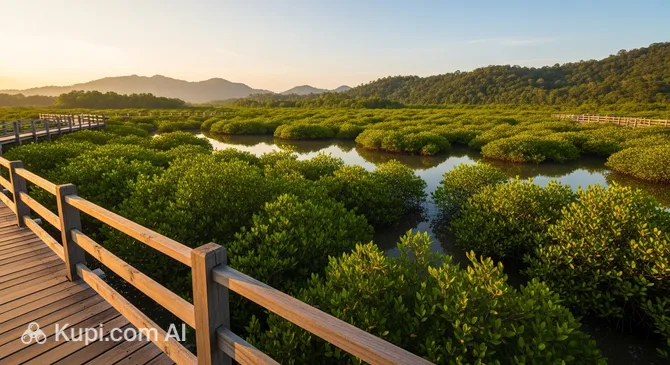
Kota Kinabalu Wetland Ramsar Site
Kota Kinabalu Wetland Ramsar Site. Иллюстрация. Источник: Kupi.com AI

The sanctuary serves as the true "green lungs" of the metropolis and is home to amazing biodiversity. It boasts 30 species of mangrove plants and is inhabited by about 90 species of birds, both resident and migratory. This site is critically important for the survival of rare flora and fauna, such as the endangered Bruguiera hainesii plant and the graceful Chinese Egret.

Visitors will find a true oasis of silence, where instead of traffic noise, you hear only birdsong and the rustle of leaves among the roots. Wooden boardwalks allow you to comfortably explore the ecosystem without damaging it, making the site an ideal destination for ecotourism and family nature outings.

Contacts

To contact the sanctuary administration or inquire about group tours, you can use the following details:

How to contactContact
AddressJln Bukit Bendera, Upper Likas, 88400 Kota Kinabalu, Sabah, Малайзия
Phone+60 88-246 955
Websitesabahwetlands.org

What to Do

Birdwatching is the main highlight at this sanctuary. Here, you can spot majestic Great Egrets, vibrant kingfishers, and rare migratory birds. For the best views, we recommend renting binoculars at the office (service available after 8:00 AM) or bringing your own. Specially equipped observation towers and hides allow you to capture stunning photos without disturbing the feathered residents.

A walk awaits you along a 1.3 km wooden boardwalk that winds through thick mangrove thickets. Beneath your feet, in the silty soil, life is teeming: be sure to look for the quirky mudskippers and colorful mangrove crabs. During low tide, the activity in the mud pools becomes especially lively, making it the best time to study the ecosystem's smaller inhabitants.

For those seeking deeper knowledge, free guided tours are often held on Saturdays. And if you decide to book a special night tour, you’ll have the chance to see flickering fireflies and observe the forest's nocturnal life. Don't forget to bring insect repellent to ensure your walk is as comfortable as possible.

Getting There

The sanctuary is located just 3.3 kilometers from the city center at Jln Bukit Bendera, Upper Likas. Thanks to its proximity to popular tourist areas, getting here is quite easy. The most comfortable and reliable way is to book a taxi through the Grab app, which operates reliably in the city and offers affordable rates.

For those who prefer to drive themselves or have a rental car, there is ample free parking at the main entrance. If you enjoy active walks and the weather permits, you can walk or bike to the wetlands from the center; however, keep in mind the high humidity and tropical heat.

Public transport in this direction is not very frequent, so a taxi remains the preferred option. GPS coordinates for navigation: 5.9879578, 116.0892242.

Ближайший город: Kota Kinabalu

History & Facts

The history of this site is a story of the struggle to preserve nature amidst rapid urban growth. Originally, mangrove forests covered almost the entire coastline, but over time, most were lost to development. This 24-hectare plot is the final reminder of what the coast looked like before human intervention.

The official path to conservation began in 1996, when the area was declared a bird sanctuary under the name Kota Kinabalu Bird Sanctuary. In 2006, the site received its current name, and on October 22, 2016, a historic event took place: the territory was designated a Ramsar Site, becoming a site of international importance under the international convention.

Today, the area is managed by the Sabah Wetlands Conservation Society. Despite its proximity to urban neighborhoods, they have managed to maintain a fragile ecological balance, serving as a vital nursery for many marine inhabitants and a refuge for rare animal species.

Time Needed

Usually, 1–2 hours is enough for tourists to fully enjoy the atmosphere of this place. It takes about an hour to leisurely walk the main 1.3 km wooden boardwalk, where you can stop to observe birds and the small inhabitants of the mangroves.

If you are serious about photography or plan to climb the observation tower for extended viewing of rare species, allow for a bit more time. It is also worth considering time to visit the information center at the beginning of your walk.

Working Hours

You can visit the wetlands any day of the week except Monday. The sanctuary operates on the following schedule:

  • Tuesday – Sunday: 08:00 AM to 06:00 PM
  • Monday: Closed

It is recommended to check the official website before your trip, as opening hours may vary slightly due to public holidays or environmental events.

DayWorking hours
понедельникЗакрыто
вторник08:00–18:00
среда08:00–18:00
четверг08:00–18:00
пятница08:00–18:00
суббота08:00–18:00
воскресенье08:00–18:00

Nearby

Exploring the surrounding area after visiting the sanctuary will help you get a full impression of the city's diversity. Very close to this natural oasis, you will find both historical monuments and modern family leisure centers.

NameDistance
Jesselton Point Ferry Terminal1.1 km
Suria Sabah1.3 km
Atkinson Clock Tower1.5 km
MOGINUM Restobar1.5 km
Guan's Kopitiam Gaya Street1.5 km
Merdeka Square1.5 km
Todak Waterfront1.7 km

Reached the end of the page?

That means the route is fully explored